The Game

20191123_141822

Reading this week:

  • Aid and Authoritarianism in Africa, edited by Tobias Hagmann and Filip Reyntjens

Yesterday was “The Game,” which is the rather pretentious moniker for the annual Harvard-Yale Football game. I don’t like football, I don’t even actually know the rules of football, but I went because it was billed as an “experience” and I had a lot more fun than I thought I was going to.

I saw very little of the football game. We had a pre-game thing at our institute’s building where the big draw was bagel sandwiches. The guy who organized it also brought bourbon, and that plus some Keurig coffee was a great way to start the day. We eventually head over to the bowl where we had a “tailgate,” which involved drinking some beers in the vicinity of Nick’s SUV, but I guess that is in fact the average tailgating experience so there you go.

We head into the stadium with about 20 seconds left in the second half, and so were quickly watching halftime. This is when the real action started: a climate protest! The protest was a coordinated effort between Yale and Harvard students to protest the investment in fossil fuels and the like by the endowments of each university. During the protest, I was not in favor of the protest, but I have since revised my assessment. First, the protesters had absolutely no trouble getting onto the field. I saw them line up behind some banners behind the endzone and then walk on over to the 50 yard line. Based on how easily they got down there, I figured Yale had known about it and allowed it to happen as a planned event, and so I was annoyed at Yale for acting all surprised that it was happening. Turns out they did not in fact have the blessing of Yale, and Yale just doesn’t try very hard to keep people off the field. So now I’m 100% in when it comes to execution of the thing.

The second thing was that I didn’t really get the point. I didn’t think there was anyone in the stadium that was particularly pro-climate change, so I didn’t know who they were trying to convince. My judgement here has been revised as well. Apparently the game (er, The Game) was being televised by ESPN so there was in fact a national audience they were trying to target. And they made both the New York Times (I’m technically in that header photo, way up in the stands) and the Washington Post, so maybe they’ll be able to exert enough pressure on the colleges to actually divest from the offending companies. While I was in the stands I was annoyed that Yale was allowing the protesters to delay the game (I was cold) so they could preach to the choir, but now I know none of that is true so I’m into what they were doing and I support it.

The game eventually restarted and I watched about 6 minutes of the second half. Then I ditched because like I said it was cold. But Yale won! That’s cool I guess!

20191123_114127

Unrelated to all that, above is a card they were handing out with the Yale fight song. Let’s talk about this for a minute. I went to the Naval Academy for undergrad, and the big football rivalry there is with the Military Academy. The Army-Navy game is fantastic. As I also mentioned, I hate football, but I’ll get excited about Army-Navy. Give ’em the goat! It’s America’s game (I hold that’s less pretentious than “The Game,” also America is awesome and stuff), and the president tends to show up and stuff. More importantly, the Navy’s official fight song includes the line “Drink to the Foam,” which goes far to set the right tone (the best fight song is of course “The Goat is Old and Gnarly“). What does Yale’s fight song have? Some weird barking? Get your shit together Yale. You’re supposed to be the best and brightest.

Bobi Wine

20191115_143207.jpg

Reading this week:

  • I Didn’t Do it For You by Michela Wrong

I saw Bobi Wine on Friday (you can watch videos of the talk here and here). This was an interesting experience because no one knew who he was. If you didn’t click on the link, Bobi Wine is the Ugandan opposition leader. That sort of position puts him in the midst of all the usual controversies in struggles over power and politics, which I won’t bother to comment on because I’m in no position to have a particularly educated opinion. But I at least knew who he was!

It was kinda tough to find out about the event. I suppose Wine there is only the opposition leader, but when Yale invited the presidents of Senegal and Sierra Leone to campus, these were known events and showed up in newsletters and the like. Bobi there was invited by the African American Studies group. I’m wondering if they kinda regretted it, because Bobi has in the past advocated for violence against the LGBT community, and has never really come around to full support of LGBT rights. During the talk, both the moderator and another friend of mine pressed Bobi on his stances around this issue, and frankly he gave a very politician-y answer. He talked about supporting the rights of all citizens but never quite said he supported the rights of Uganda’s LGBT citizens.

One answer I did particularly like of his was when one person asked him if he was going to commit to not becoming another Museveni and hold onto power for 35 years once he got it. Bobi said, in essence, that it wasn’t on him to promise not to hold onto power. Instead, preventing another Museveni was about empowering the people and empowering institutions. That’s an answer I thought made a lot of sense; you can’t put all your hopes in just the person itself, but in the position.

But that’s not really what I wanted to talk about. Except for the people at the talk, no one knew who Bobi Wine was. Before the event I asked people if they were going to see Bobi Wine speak. “Who?” “The Ugandan opposition leader.” “Oh.” They had never heard of him. I was no expert on Ugandan politics but I had at least heard of the man. I knew what red hats meant. I couldn’t believe that no one was even dimly aware of who Bobi Wine was. My friend and I showed up to the event 15 minutes early and we were the first ones. The turnout wound up being pretty good, because Yale people like to show up about two minutes late to everything, but still people weren’t exactly knocking down the doors to see a central figure in East African politics. I’ve started to recognize the people that show up to “Africa” things at Yale, and it’s always the same small crowd.

This is just another symptom of what everyone who cares about Africa knows: that the community of people who care about Africa outside of Africa is very tiny. This blows my mind. People give a whole lot of shits about China and the Middle East. But the interesting frontiers of China’s impact on the world aren’t happening inside China, they’re happening in places like Africa where China is having real effects on the ground. If you care about China you should care about Africa, and South America, and the rest of the Global South where China is working to increase its influence while at the same time the US and Europe are pulling away. Bobi Wine was on the Yale campus and every single person who cared about that fit into a not particularly large meeting room. That’s kinda crazy.

Maryland Renaissance Festival

IMG_3402.JPG

The most upsetting of signs.

Reading this week:

  • The Real Politics of the Horn of Africa by Alex de Waal

This past weekend I went to the final weekend of the 43rd season of the Maryland Renaissance Festival. It was frankly a little upsetting to discover that this was the 43rd season because I distinctly remember the 25th season and I thought that was slightly more recent.

IMG_3394

The King arrives!

So clearly I have been going to the Maryland Renaissance Festival for years. As a guy who has actually been to a number of these things, the Maryland version is probably the best and that’s what keeps on bringing me back. Plus my dad is hugely into it. I was probably the one that got him into it, which is a trend for him when it comes to hobbies, because I was also the one that got him into German Longsword and blacksmithing. Dad is indeed a jack of all trades, except his name isn’t Jack and those trades are focused largely on not so useful skills in the modern era.

IMG_3417

My dad and me! Dad is in his Outlander getup. It was my sister that got him into cosplay.

But anyways the actual festival! It was a fairly gorgeous day for it, except it was rather cold, which I was very aware of seeing that I was wearing my utilikilt all day long. Very liberating, a utilikilt, but much better in warm weather.

IMG_3396

I started off the day by seeing Puke & Snot, which has for years been my major draw to the festival. Due to various circumstances, the show is on its third Snot but was none the less good for it. Frankly I enjoyed all the jokes centered on the fact that he is Snot #3. Those are the only new jokes; they’ve been doing the same act for years but somehow it’s still pretty funny. Perhaps I am merely old and set in my ways.

After that trip down memory lane, I went on several more trips down memory lane just wandering around the festival. When I was I guess 18 years younger I would spend most of the time in shops deciding what I would buy with my whole month’s paycheck from my paper route, which was usually about $100. This was a phenomenal amount of money when I was 12 or 13 and I just about spent it all every time. These days I buy less and see more shows but hey they still got cool stuff and it is still fun to go back to the same magic shops and ball maze games.

IMG_3419

They do, of course, also continually incorporate new stuff. The above photo is from “The Danger Committee.” They are one of many many shows at the festival that have about three tricks and manage to stretch it into a 45 minute show largely by being funny. Though the main dude there did also manage to compose a rather great poem about an audience member right on the spot, so he’s probably actually got four tricks. I was just proud of the above picture, where you can see a silvery blur which is the knife thingy (it had more pointy bits than a regular knife) that he is throwing at his compatriots’ heads. Well, he’s throwing it to narrowly miss their heads but still.

IMG_3437

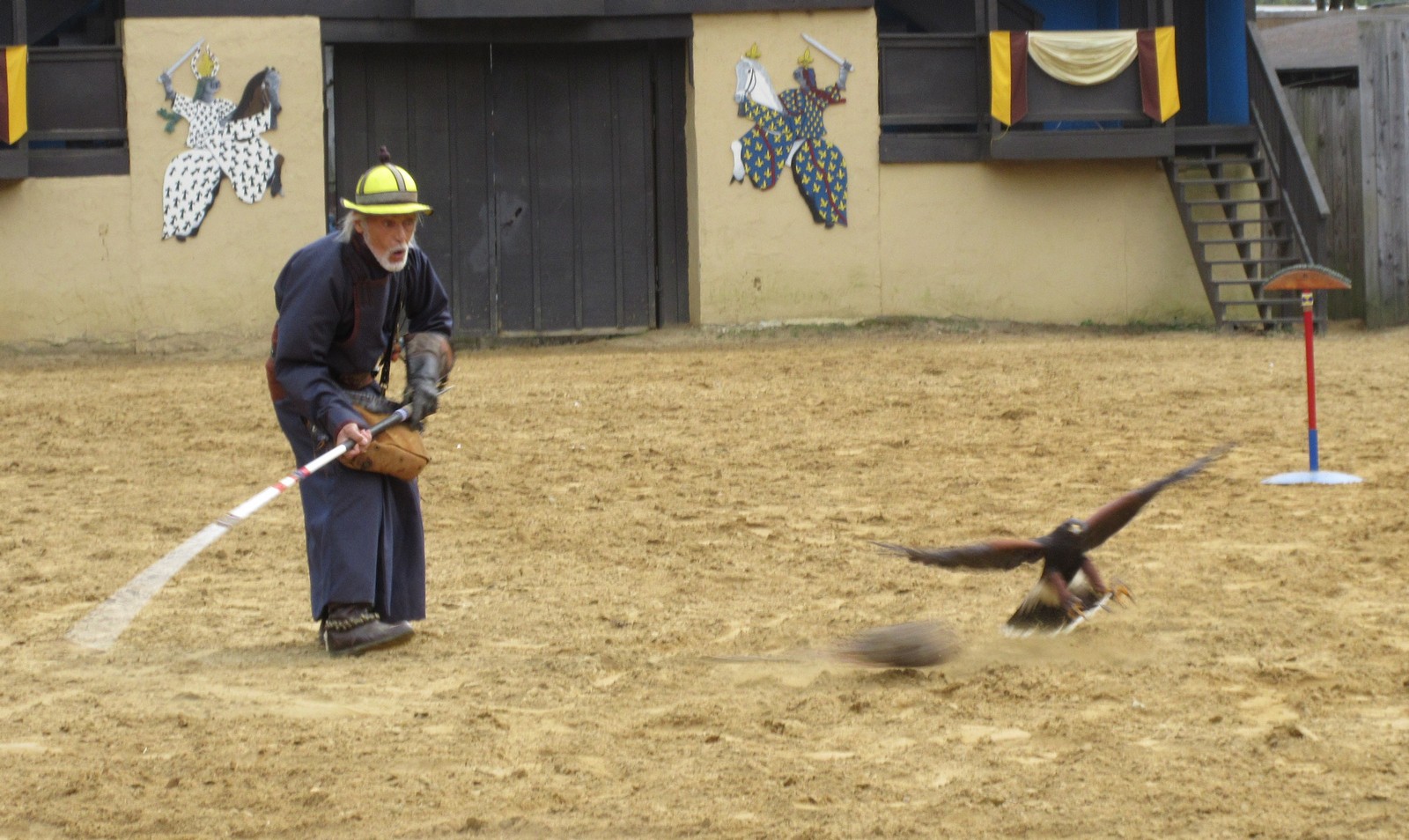
They also have this new (to me) falconry show where they have some falcons and the like and they show off their falconry skills. I am also very proud of the above picture, where you can see the falcon narrowly missing catching the target. What with the target being attached to a stick via a string, it was a lot like playing with cats, except the falcons are even more likely to wind up on top of a pole and not really want to come down. But all in all it was pretty neat.

Every time I go to the Renaissance Festival I am surprised at how quickly the day passes. You imagine you’re going to see every show and go into every shop, but just a few shows and a turkey leg later and you discover that the whole day has gone by and now you’re at the pub sing wondering how embarrassing it is that you are doing this weird dance thing they have you do but then a dude comes and plays a bagpipe really loudly right next to you and that is super awesome because bagpipes are awesome and you should really come to the festival more often but you keep doing this thing where you move to an entirely different continent. Anyways I recommend it. Until next year!

Apple Picking

IMG_3382.JPG

Reading this week:

  • Terrorism and Counter-Terrorism in Africa by Hussein Solomon

I was warned that this would happen almost as soon as I arrived at Yale, but I have talked about Marx more in the past two months than I think in the entire other 30 years of my existence. I don’t know how unusual that is, given that I lived in prototypical suburban America growing up, and then went to the Naval Academy, and then of course was in the Navy for five years before briefly working for Amazon Web Services, none of which are particular hotbeds of pro-proletarian revolutionary thought. In the Peace Corps there was of course much more of a leftist lean, though I think that manifested itself more as something like radical feminism or anti-patriarchy sentiment without ever quite getting to the notion that we’ll have to break down the foundations of capitalist society, or whatever (two months have not made me a Marxist scholar, as you can tell).

I do remember reading while in the Peace Corps In Dubious Battle by John Steinbeck. In this book, as Wikipedia explains, “the central figure of the story is an activist attempting to organize abused laborers in order to gain fair wages and working conditions.” For me, besides of course rousing me to the fight for worker’s rights, the significant part of the book was that it is another example I think of how if you poke at the edges of some of the core authors of the American education system’s literary pantheon you find actual literal communist sympathies that we never quite get around to mentioning in high school. I’m going to lose the narrative thread here but yesterday one of the women in my program got Yale to sponsor an apple-picking trip for us to go on. So part of Yale’s endowment income (derived in a not-insignificant way from the fossil fuel industries) went towards providing a group of largely white and by definition privileged set of men and women the opportunity to pay to perform manual labor on an apple farm. What was the work the abused laborers were doing in the Steinbeck book? They were apple picking.

IMG_3384

It was a lot of fun! We had hired a big yellow school bus to pick us up from New Haven to take us to the farm. The first activity was a “hay” ride. We in fact rode, but there was no hay, so the name is misleading, but it was pretty pleasant. The scheme here is that the tractor hauls its load of graduate students to the far end of the orchard (part of it anyways; I think they said they had something like 400 acres and we certainly didn’t see quite that many apples) and then you wander your way back picking apples and hanging out with people and apparently most importantly taking Instagram photos. I do not have an Instagram so I was at somewhat of a handicap.

They had a wide variety of apples and people had a whole lot of apple opinions but despite being perhaps the world’s #1 fan of apple pie I have never developed any strong feelings about apples. Some were better than others though. We sampled liberally as we moved along. The uh, cabaret apples I think were my favorite. Something like that. Some apples were clearly more popular than others, given the barren nature of the trees by the time our group got there, but that made it fun because you had to hunt down some exclusive apples. I had to climb a tree at one point. I was wearing my safari jacket though and ready for an expedition.

IMG_3386

The day was pretty warm and the colors were fairly gorgeous. At one point I wandered off by myself to the crest of a hill (the trees were too young there to be bearing fruit) and looked out over the acres of trees. It was all pretty and peaceful and stuff. After we all managed to return from the fields the final part of the trip was apple cider and um, cider? donuts up at the barn/store thingy. That was yummy and we hung out some more before getting back on the school bus to head back home. Quite a fun afternoon. That evening I made apple cookies and I still had a lot of apples left so I will have to figure out what to do with them. Pie probably. I had imagined offering these baked goods to people but I think everyone else has the same idea so there will be too many apple-based baked goods. Very inefficient. I think we have discovered why we need collective action to make any real change.

Central Power Plant

Central Power Plant.jpg

Originally built in 1918! Still in use! Those brick towers are still exhaust towers!

Reading this week:

  • Foreign Intervention in Africa by Elizabeth Schmidt

So for two years in Zambia I had no one to talk about steam plants with. And lemme tell ya I love steam plants. Here at Yale I also have no one to talk to steam plants with, or so I thought until I got to take a tour of Yale’s Central Power Plant. It was amazing.

I figured out the Central Power Plant (CPP) existed when I walked by it one day on my way back from yoga and I spotted some piping and a load-testing resistor bank. Some googling later I was utterly surprised to discover that Yale in fact has two of its own full-sized power plants, and some other smaller installations. I spent like an hour or two trying to find an email address, and a bit later the manager of the plant had agreed to take me and some other people I convinced to go on a tour. It was by far the best way to spend a Thursday morning I could think of.

20190926_110805

What I was most surprised to learn when I first started looking into the plant is that it is cheaper and greener for Yale to produce its own electricity than buy from the grid. The CPP’s main source of power are two large 7.9MW gas turbines which usually run off natural gas but can run off of fuel oil in a pinch. These suckers are cogen units, so the waste heat from the turbines are used to boil water for steam heating and other steam uses, bringing the total thermal efficiency of the system up to an astounding 80%. Plus they have a very clean emissions system and when those bad boys were installed in 2016 the CPP had the strictest air permit in the state. You could hardly go greener without going nuclear (which I would be totally in favor of for the record).

The tour started in the conference room where the three of us on the tour chatted with Troy, the plant manager, for half an hour, geeking out about load shedding and steam loads and all sorts of that good good talk. Then we got going on the tour, hardhats, eyepro, and earpro in place. We started in the control room, where one dude can pretty much control everything in the facility. That’s quite a lot, because the CPP provides electrical power, steam heating, and chill water to nearly the entirety of the Yale Campus, excluding West Campus and the Medical Center. They are capable of going into “Island Mode” and running the whole shebang for about three days straight with the fuel oil they keep on site before they need to refuel.

20190926_112444

The two main cogen units (the turbines combined with the steam system) were massive units and still looked pretty much brand new. When we went by they were going full bore, producing about 15MW between them, but still the room was (fairly) quiet and you could barely tell there were two jet engines screaming on either side of us. I was particularly amused by the motto of Victory Energy, which was “Full Steam Ahead!” (as you can barely see in the photo above). The biggest reason I wanted to take other people on this tour is that people talk about energy policy and the like, but they don’t really know the actual infrastructure it takes to keep the lights on in even a small city.

20190926_112838

Personally, I thought the funnest part of the tour was seeing all the steam equipment. In the winter, they have a very clear need for steam in order to heat all the buildings on Yale Campus. But in the summer, they still produce a whole lot of steam with the cogen units in order to keep up efficiency and help control the exhaust heat from the system. As a result of all this steam they produce, all over the plant they have a bunch of random steam-powered equipment. They had a bunch of steam-powered pumps (usually with an electrical backup for when they need the steam), but the thing I went giddy over was the steam-powered chillers. I didn’t even know such a thing existed! Imagine! Steam-powered air conditioning! Troy was trying to explain the whole thing but I was just going gaga and taking tons of pictures with my phone. It was amazing.

20190926_113637

We went top to bottom on the whole plant, from the condensate tanks in the basement to the cooling towers on the roof (great views), learning all about the systems they put in place to keep the place efficient and running smoothly. The tour ended with a look at the switchboards, where they actually distribute the electricity to Yale’s campus. They’re not allowed to put power back into the grid, so they’re always drawing about half a MW and have the grid on-line of course to provide backup power to their plants. And like I said, in the event of a grid outage, they’ll automatically go into “island mode” to keep supplying power to critical Yale systems like science experiments or heating/cooling for the dorms. It was such a fantastic tour and Troy was a fantastic host and it was nice to be able to talk about how we actually go about keeping the lights on. I can tell you after Zambia that people take for granted the infrastructure that keeps us warm and fed until you don’t have it, and it’s a great learning experience to see what it actually takes to keep it going.

Powder Hill Dinosaur Park

IMG_3349.jpg

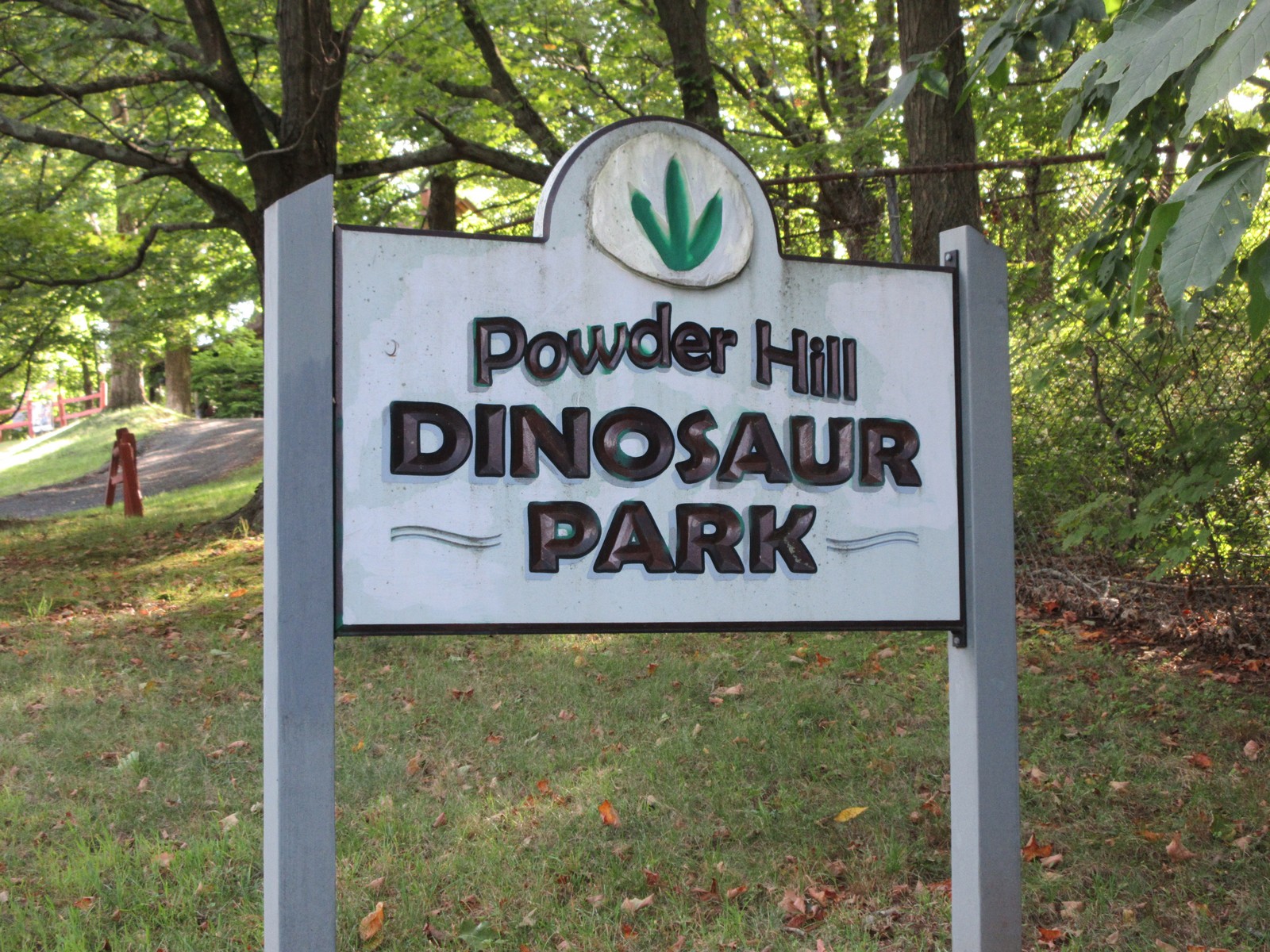
So I have moved to New Haven, CT, which I should talk about more, but that is for another time. Today I am talking about Powder Hill Dinosaur Park!

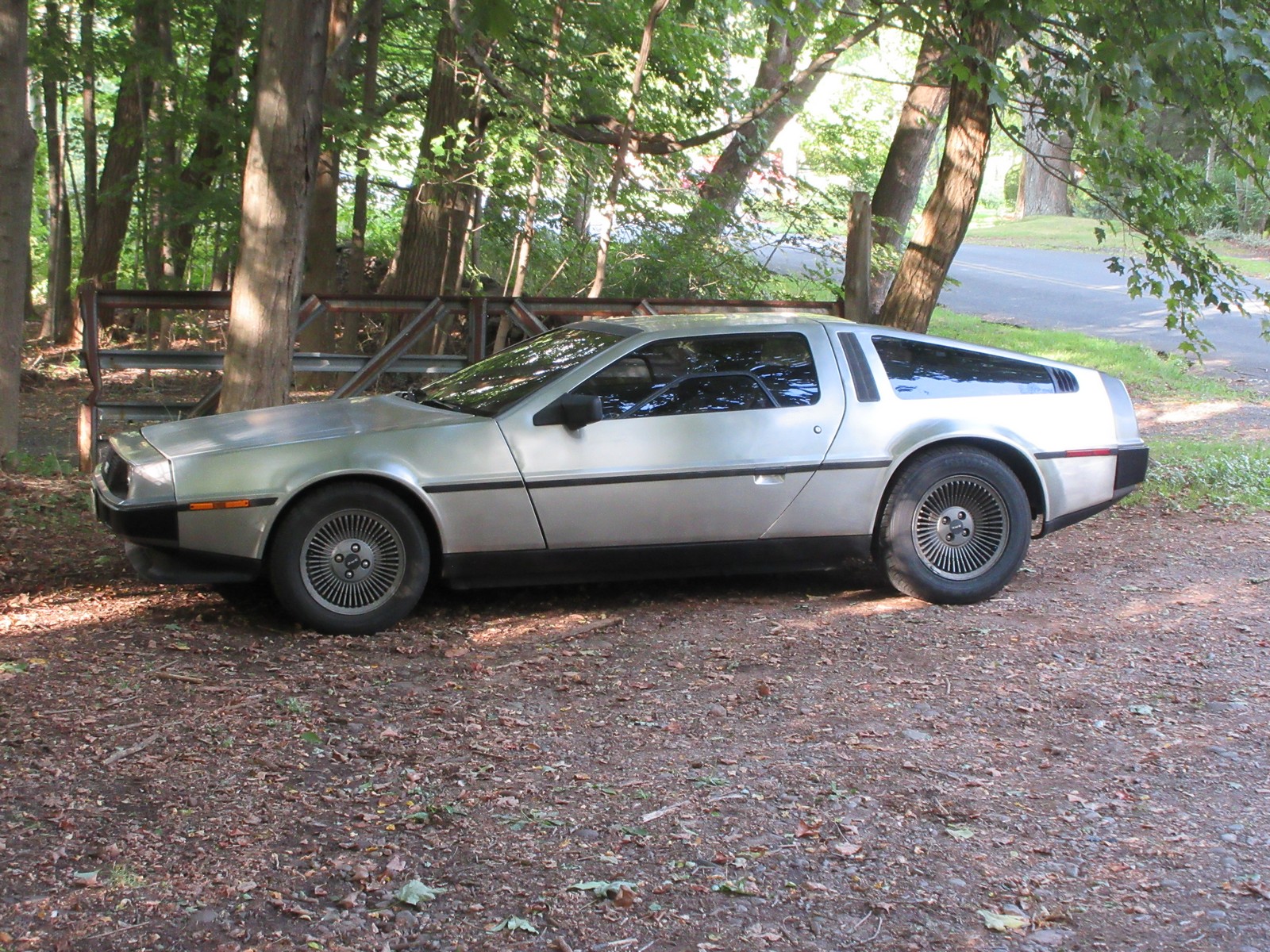
So it was Sunday afternoon and I was doing homework and it was super boring because it was homework. I was dying to go out and do something and the best thing I could think to do was to head up to this little dinosaur park I had read about. It’s about 20 miles up the road so I popped into my super-rad DeLorean and zoomed right on up there. On the way I drove through a pick-your-own orchard growing apples and peaches, which is cool because I didn’t know peaches could grow up here. I might have to plant a tree. If I can find somewhere to plant a tree, that is.

IMG_3348

The park itself is apparently maintained by a local troop of Boy Scouts. It was owned by the Peabody Museum for a bit but then the museum gave it back to the town of Middlefield, and it’s pretty neat for any town to have a dinosaur park. The big (only) attraction of the park are some dinosaur tracks. The park itself is the little yard-sized thing right on the side of the road in a residential neighborhood. There’s a fence surrounding it and you can walk right in. According to the informative signs, the rock formation that now forms the park probably used to be the shore of a lake that dried up in the intervening epochs between us and the dinosaurs. The tracks are identified as belonging to Eubrontes giganteus which was a therapod. So there ya go.

IMG_3346

There are a few tracks scattered around the site and they aren’t too stunning but I guess let’s see how I look in 200 million years. The above photo is the best one I got; it’s hard to make them out without better contrast of course. I walked around and found all the tracks I could and tried to imagine dinosaurs roaming the neighborhood. All in all pretty neat.

IMG_3347

The entire park.

Having experienced history or whatever I bundled back up into my car and went home to do more homework. It made for a lovely hour (including the drive out there) and I am well satisfied with what I got for the price of admission (free).

USS New Jersey

IMG_3209

“Firepower for Freedom,” the Big J herself.

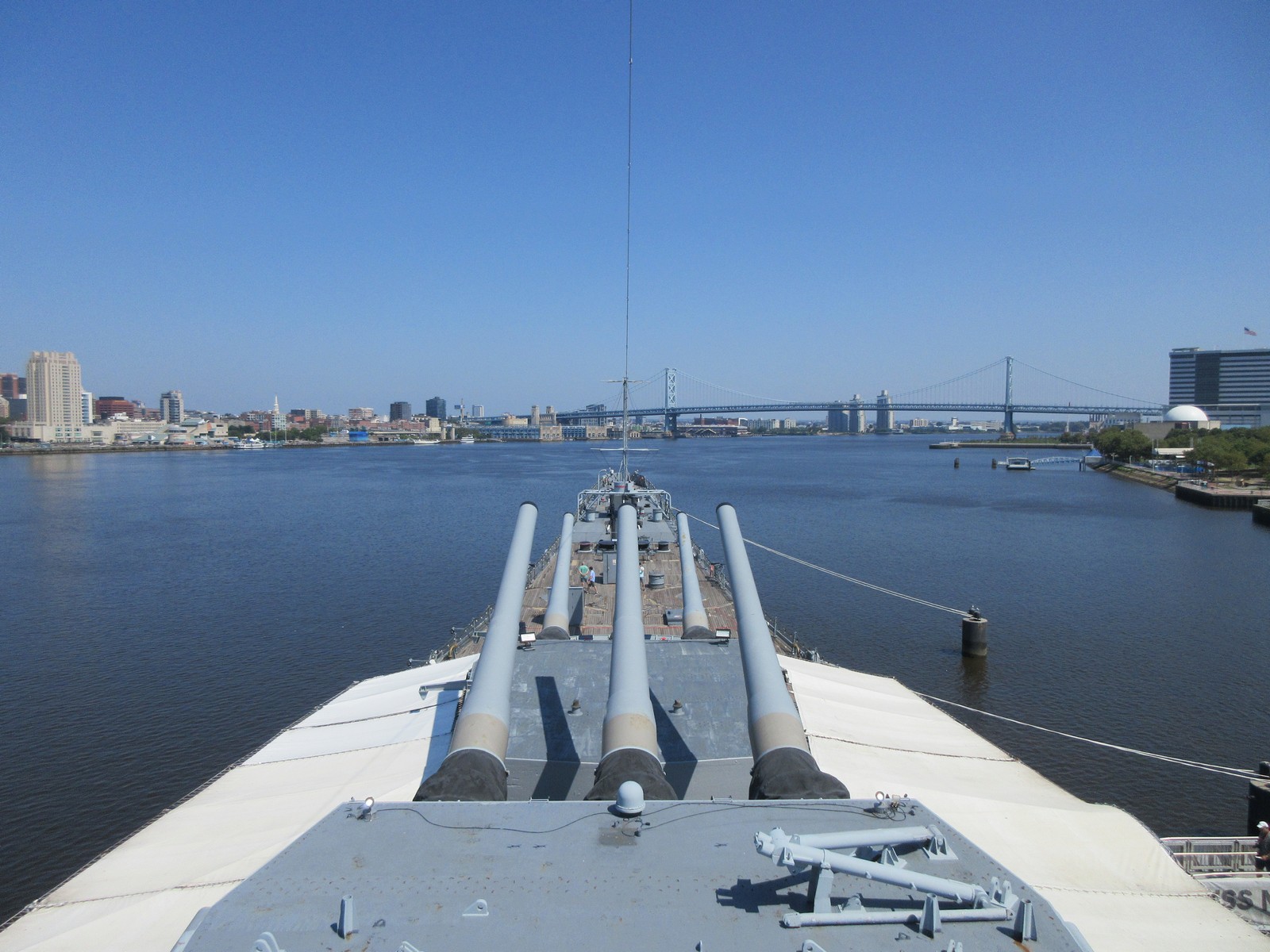
After waxing poetic about the Iowa-class, I got to go on the USS New Jersey this past weekend. “This past weekend,” by the way, was in July because I am way ahead on these blog posts that no one reads. The New Jersey is parked across the river from Philadelphia in Camden, New Jersey, and I was in Philadelphia to see the Carly Rae Jepsen concert which was fantastic:

20190720_222439

She is very blurry and my phone camera sucks but look it is her!!!

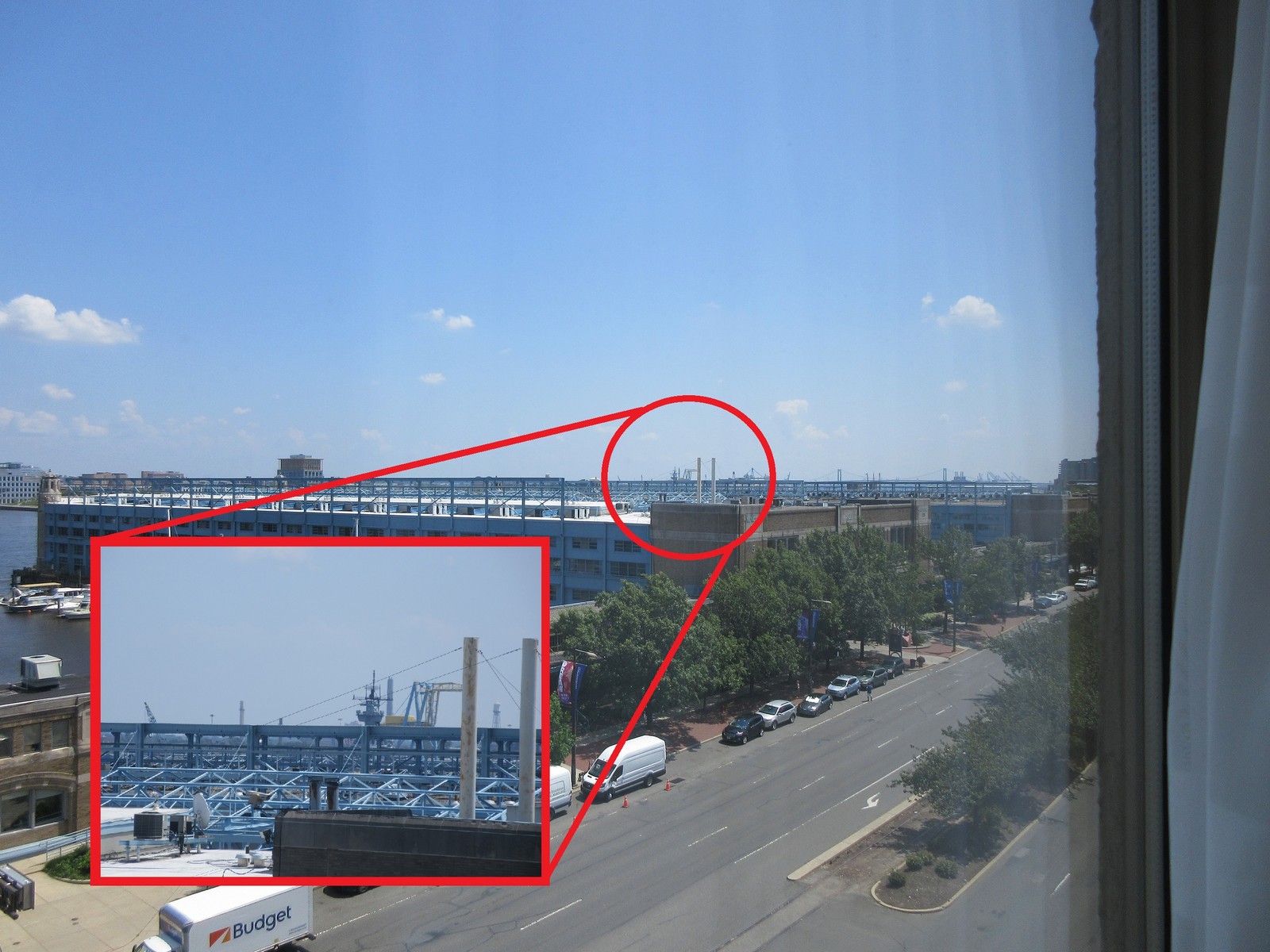
The weekend started off right because as soon as I got to the hotel room I checked to see if I had a view of the New Jersey and you can bet your sweet ass I did:

IMG_3207

But anyways the ship herself. I went to go see her the day after the concert and it was hot as balls. It was hot as balls the day of the concert as well, but that’s irrelevant. I got to the ship right as she opened at 0930 and there were only a few other guys there besides myself, all Navy enthusiasts. I took the self-guided tour. The New Jersey is the third of the Iowa-class battleships I have been on, besides the Iowa and the Wisconsin. I have physically laid eyes on the Missouri several times before but never quite got around to touring her to complete the set. All that to say that I didn’t see anything radically new and different on this tour, but it’s always super awesome to see this view:

IMG_3235

That bridge is doomed.

Of the ships I have seen I thought the New Jersey’s crew had done a particularly good job of keeping her up and making her a really nice place to tour. I was most amused by some of the details they added to make it really realistic:

IMG_3222

The Naval Academy has a “sample Midshipman room” that tourists can see. It has the layout of one of the (nicer, two-man vice three-man) rooms and has some random crap in there to show the sort of things Mids have. But if you were a Midshipman you know it’s stocked with books no one ever reads and crap no one ever has, but the New Jersey took a different direction. I knew I was among people that cared about realism when there was a snuff tin in someone’s locker and a donut and coffee on the XO’s desk. Realism!

IMG_3228

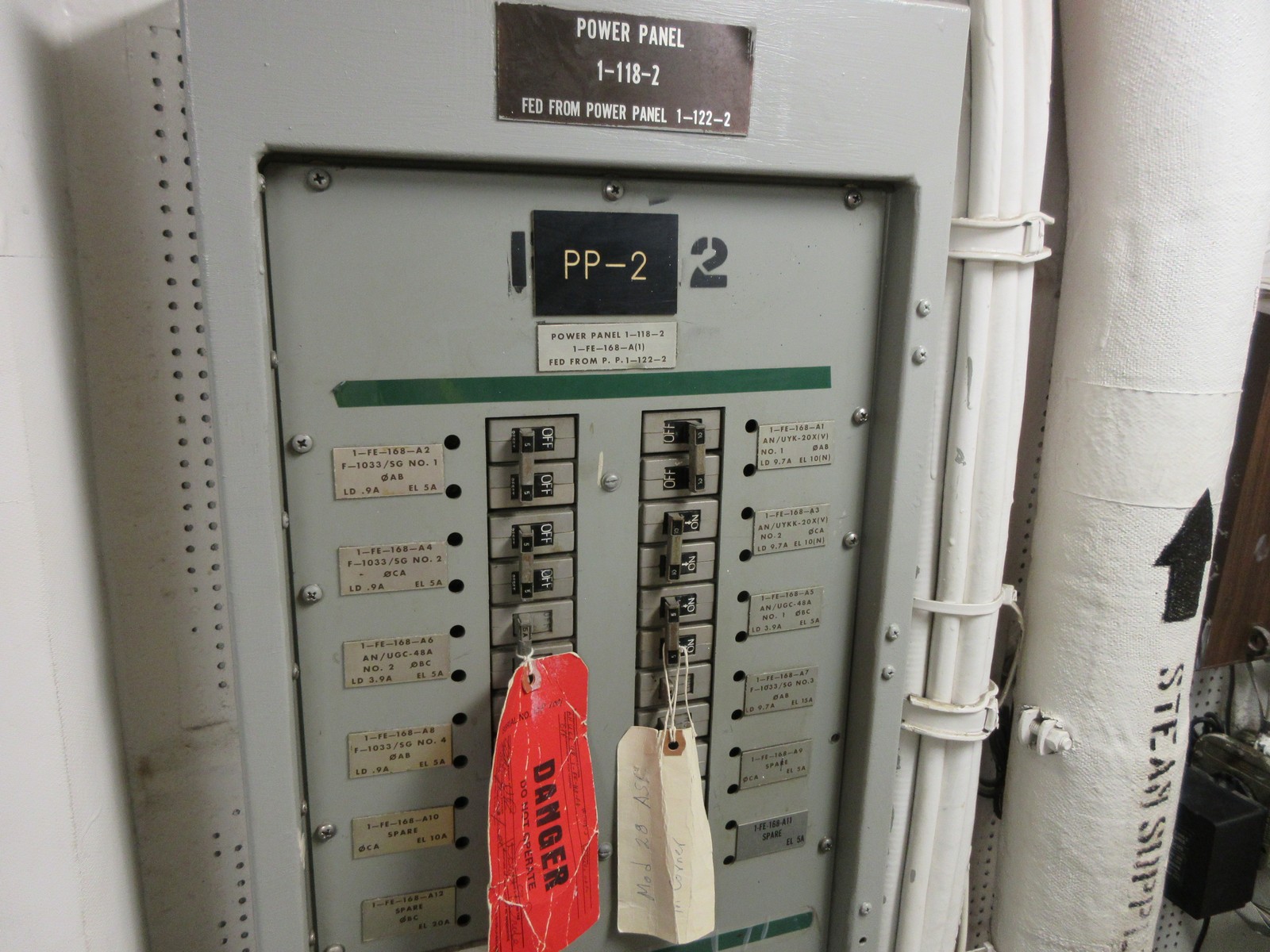
One thing that also amuses me on a sort of fundamental level is when these ships still have danger tags hanging. The above picture has one and there were several others that are dated 1990, from the ship’s last decommissioning. I love it. I always wonder if the WAFs are still around? Is the tagout log? What if they ever need to operate that equipment? Who is authorized to clear that tag? Does anyone care? Can you still cause an incident report? The world will never know.

IMG_3231

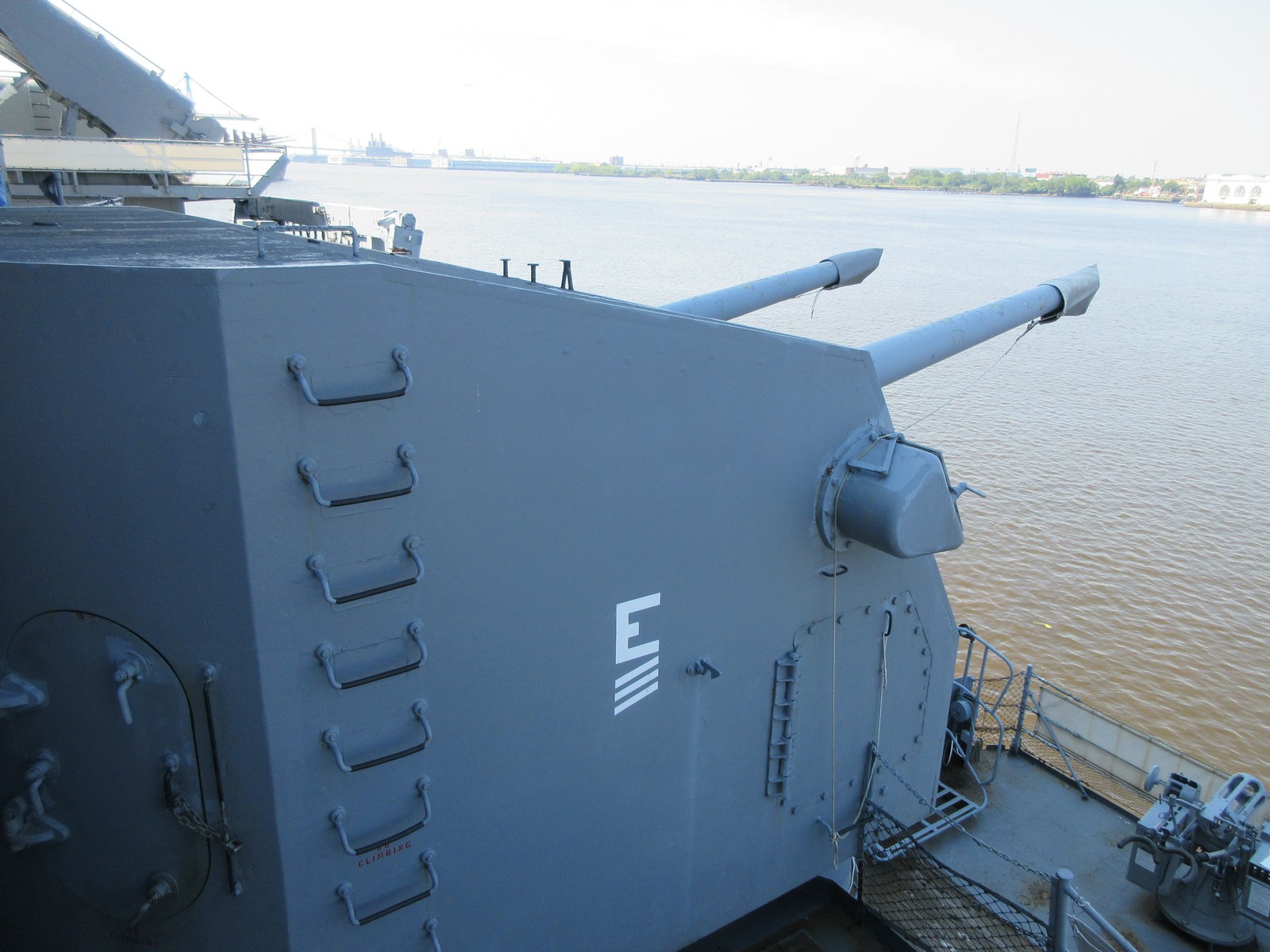
The above picture is of two five-inch cannons. On the New Jersey (and other Iowa-class ships of course), these 5″ guns are the little secondary ones on the side that they use when it is too bothersome to crank over the 16″ cannons. But on a ship like an Arleigh Burke-class destroyer the main armament is a single little ole’ 5″ gun right on the front. The DDGs also have missiles (though the Iowas had some bolted on when they were re-commissioned) and those are neat I guess, and they probably have better targeting systems, but the Arleigh Burke’s pride and joy is just an afterthought on the New Jersey and besides the donuts and snuff and danger tags that also amuses me deeply.

IMG_3230

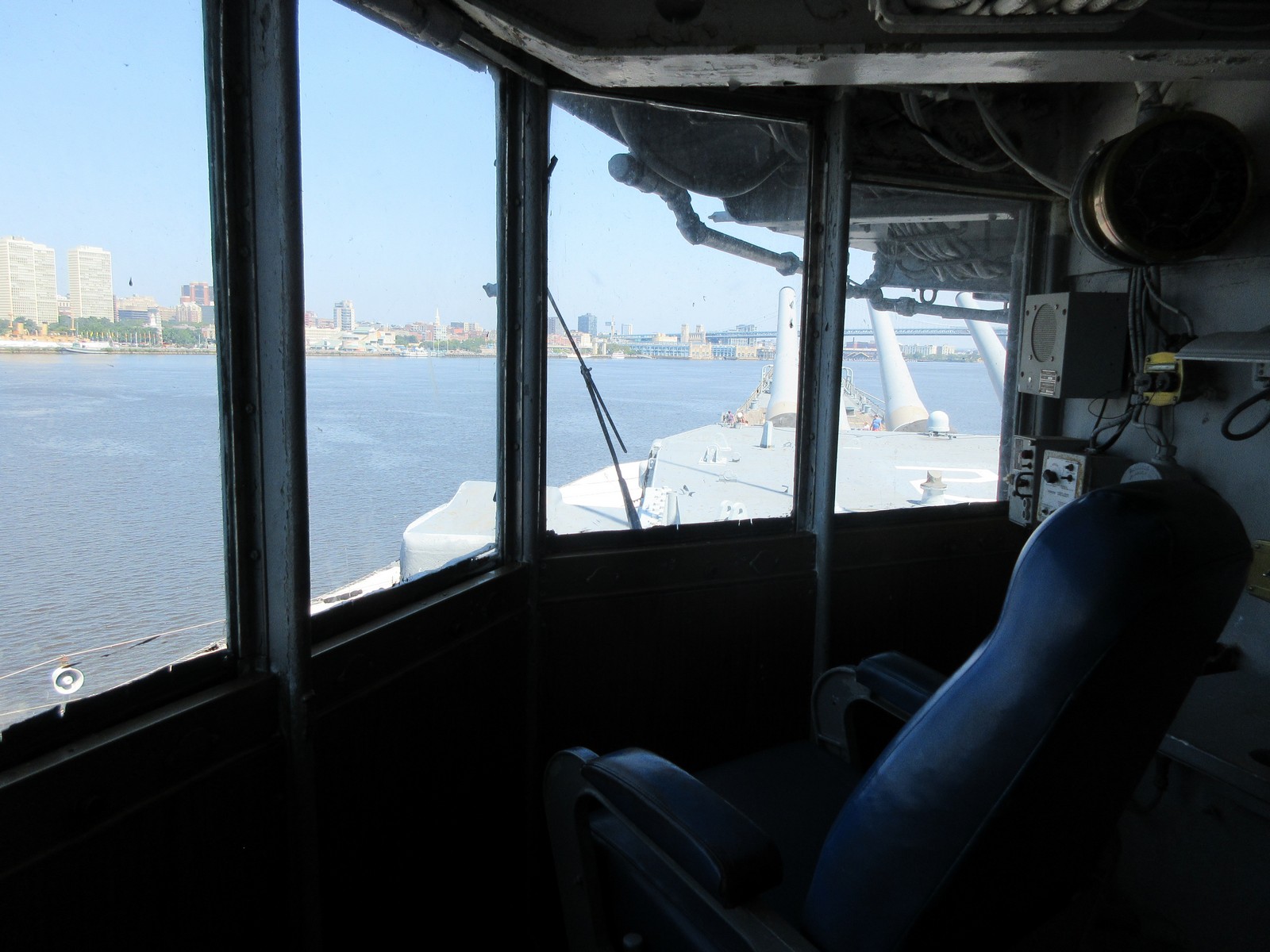
Those were the highlights of the tour. I got to see inside one of the turrets, and some of the engineering spaces too though not as much as I would have liked (I could only poke my head into the boiler and turbine rooms). I spent about 2.5 hours on the ship before heading out and making it to the bus station to head back home. A real must-see if you’re ever in the area.

Chrysler Museum of Art

Today I went to the Chrysler Museum of Art. I am in Norfolk again attending another class at the Mid-Atlantic Maritime Academy, and since I was driving down a day early anyways I figured I would stop by some of the sights.

I am a pretty quick study of art museums. I enjoy going to art museums but I don’t really have the education to appreciate most of what I see in them. So my usual style is to zip around at a pretty quick pace until I see something that catches my eye. This probably isn’t the best way to really absorb art, but at the ripe old age of 27 I’ve decided that I like what I like and I won’t make any apologies for it.

That being said, the museum had a lot that caught my eye. Like any art museum with its roots in somebody’s personal collection, the Chrysler Museum of Art has a pretty wide array of stuff. They have a large collection of glassware and glass sculptures, your standard assortment of Renaissance stuff, a modern & contemporary art section, and a selection of ancient western and non-western art.

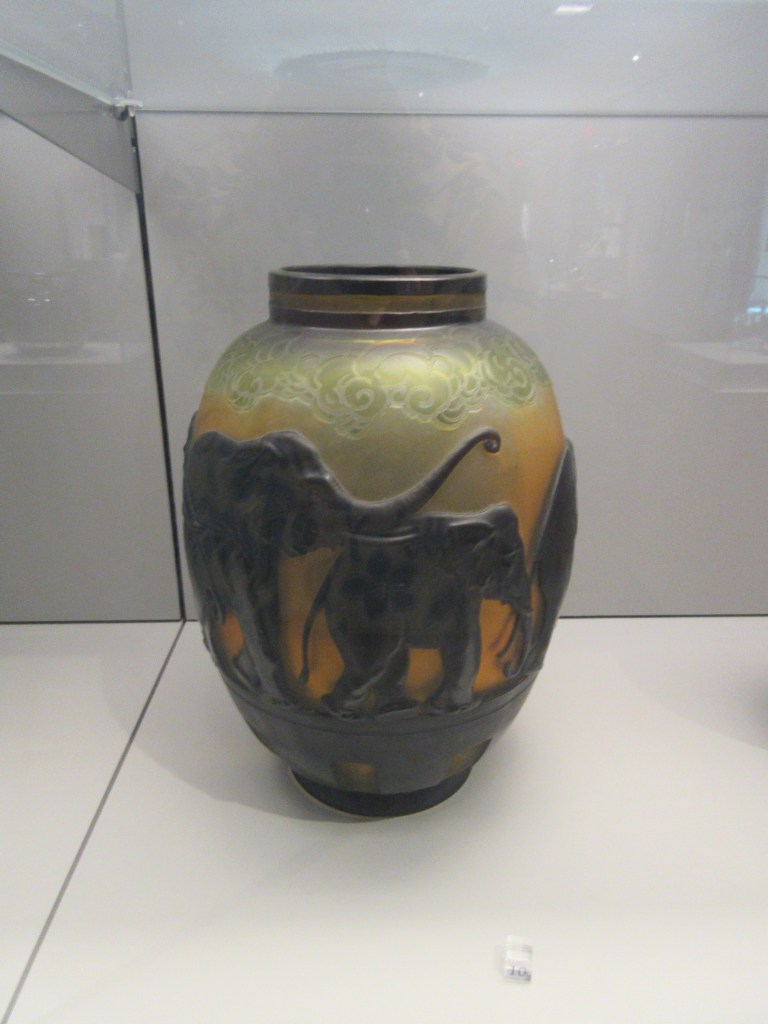
The first section I wandered into was their glass section. They are really proud of their glass. Like, really proud. They have a whole wing of the stuff. They have all sorts of glass as well. The first part of the exhibit is selections of glass stretching back to Roman times. I am always a big fan of ancient stuff like that because I try to really put the years into perspective. More on that in a second when I talk about their Egyptian stuff. I always wonder what whatever Roman craftsman was putting the finishing touches on a glass bowl would think of to learn that 2000 years later the thing was a) not broken and b) on display in an art gallery. The glass section stretches all the way into contemporary pieces done in glass. My favorites were a vase decorated with elephants (titled “Elephant Vase”) and a sculpture of an astronomical calendar encased in a sphere.

The next section was the “non-western” ancient art. This is where that ancient feeling really comes into play, but first off, even with that being said, I’m sort of over Egyptian stuff. I mean, I like it on its own, and it blows my mind to see sculptures and think that some dude painted that 5000 years ago, but I’m tired of seeing dead people boxes. Like, okay, they’re art, but that was a dead dude man. I think I’m the crazy one here, but still. There were also examples of African sculpture in the form of a stool and ceremonial weapons, and in the western section some excellent examples of Roman vases. There were a lot of vases in this museum, now that I’m thinking about it.

Upstairs in the museum is a great deal more of the paintings. Like I said before, they have a good chunk of Renaissance art, but I’m not a big fan. I’m sure its great, and its not the art, its me, but eh. I don’t like it. In the Modern art section I found a Lichtenstein I liked with a fighter jet so that was cool. Also, and perhaps most interestingly, tucked away in the corner somewhere near the Renaissance and Modern art sections is the Norfolk Mace. Apparently, municipal maces used to a thing. The Norfolk Mace was made back in 1753 and “when held by Norfolk’s mayor at public ceremonies, [it] signified that his colonial office was an extension of the British Crown’s prestige and power.” The museum boasts that it is the only municipal mace in the US in the possession of the city for which it was commissioned, but I didn’t even know these things were a thing. I think the world could use more maces.

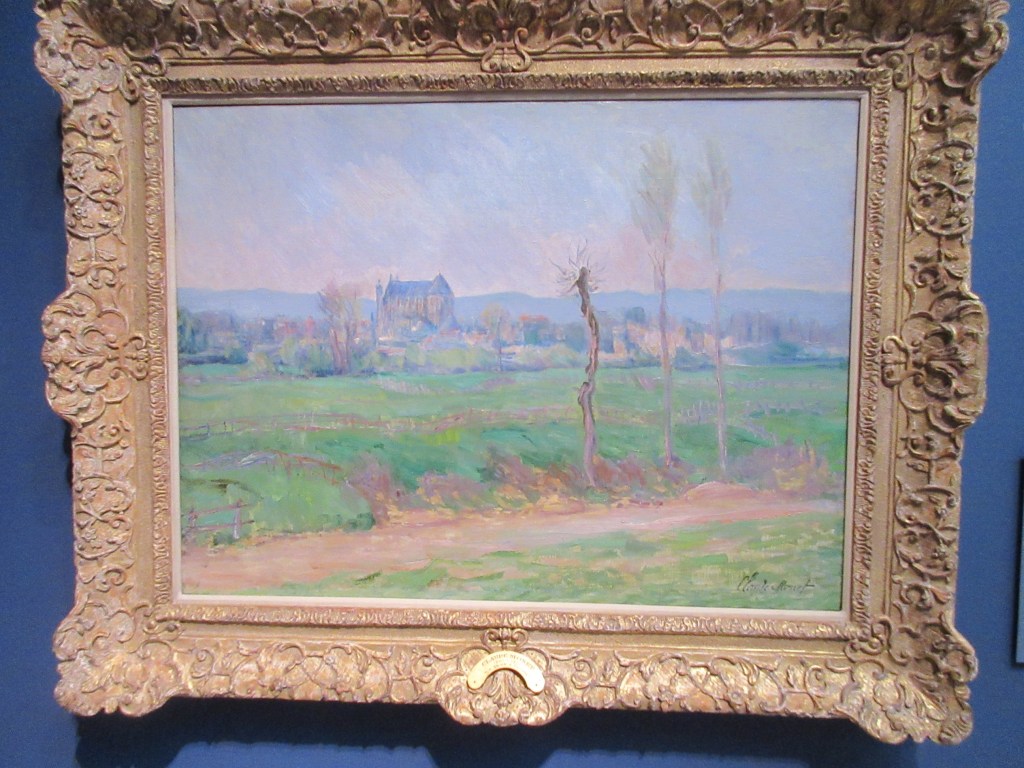
I rounded out my visit to the museum with a visit to their Monet, “View of Vernon,” because I knew the name and I felt like I should check it out. If you’re in town I highly recommend a visit to the Chrysler Museum of Art. Admission is free, so it is always worth the price, plus their collection is pretty great and I spent a lot of time just discovering that there was more to see. Sorry, by the way, that the pictures are terrible; I’m not really an art photographer.

Advanced Firefighting

This past week I took an Advanced Firefighting Course. This is a requirement to get a license as a 3rd Eng (maybe 3rd Mate, I forget). It is experiences like this that have me convinced that I could never go back to school.

First off, I didn’t really know what to expect out of “advanced” firefighting. On the ship we ran a lot of fire drills, and damage control is a big portion of your submarine indoctrination. Plus, in my three years on the ship I managed to get a pretty good routine down for not having to do anything: when the general alarm goes off, first wait a beat, then grab your EAB and wander up to see if anyone manned DC central. If it was unmanned, swoop in and save the day. If it was already manned, turn around and wander off to the scene. With my “wait a beat and check DC central” routine, I would find the scene chock full of Junior Officers trying to man phones and a rapid response team trying to get past the JOs so they could fight the fire. Seeing that I was obviously of no use, I would duly report to the staging area and wait out the end of the drill in comfort. To all my submarine friends out there, I recommend this technique highly.

Between the Naval Academy and nuclear power training, I got pretty well trained to absorb knowledge via an instructor reading a PowerPoint to me. The modern trend, for anybody who hasn’t been in an academic environment lately, is to encourage class participation and group exercises and get buy-in from the students, or something. I hate this sort of thing. I don’t like participating in class. I figure I’m paying your ass to teach this class, so don’t try to get me to do all the hard work. I’ll take care of my end, you take care of yours. I’m so averse to classroom participation that I also hate it when other people participate in class. I don’t mind it when people ask clarifying questions, but except for that, I vastly prefer when everyone else shuts up so we can get on with the PowerPoint.

In these classes, however, there is always at least one person who feels the need to comment on everything the instructor says. This particular class was bad because there was two. Furthermore, both these people had egos. What an environment like the Naval Academy taught me is that while it is okay to have an ego, it is best to keep quiet about it. If you are the best at something, people will figure it out all on their own, and if you aren’t the best at something, at least you didn’t embarrass yourself by trying to prove otherwise. These guys didn’t get the memo, so anytime either one made a comment in class (which they did often), the other would chime in to try to put himself on top. To top it off, however, our fearless instructor also had a bit of an ego, leading him to try to top the other two. The entire class became three dudes all trying to jockey for top spot. Meanwhile, the other three of us in the class were just trying to go home at a reasonable hour.

It was somewhat unfortunate that our instructor had a bit of an ego as well because he wasn’t as good as he thought he was. For the Advanced Firefighting class the institution got professional firefighters with some mariner experience to teach it. This sounds pretty alright, but of the two instructors we had, neither knew much about ship-specific stuff. After this week I’m confident I could fight the crap out of an apartment fire, but shipboard fire, maybe not so much. It would have been better taught by professional mariners with some firefighting experience. The most memorable part of the class was the time one of my fellow students commented he “wasn’t too good at this book learnin’,” which is, you know, fine, but prompted the instructor to ramble on for 15 minutes about the Forest Service, toilet paper, aspirin, and 9/11, the relevance of which to firefighting I had a hard time figuring out at four in the afternoon when I was trying to go home.

The only other worthwhile things to mention occurred on the day we went to the trainer and actually fought fires. First off, the only people in the world allowed to act like drill instructors are people who are, in fact, currently drill instructors. If you’re just a somewhat overweight firefighter trying to make sure everyone turns in their flash hoods, you acting like a drill instructor shoots my respect level way down. Second, the most significant thing I learned the whole week is that being a firefighter is hard and I would never want to do it. Those fire ensembles are hot, man. So yeah. Good on ya, professional firefighters, and if you’re ever on a ship with me and a fire breaks out, I’ll see you in DC central.

Mariner Training

Hello, it’s 2022 and I don’t have a good photo for this article but I have a DALL·E invitation. Please enjoy one output for the prompt “A man very proud to be rowing around in a large lifeboat by Winslow Homer.”

First off, sorry about that week I skipped there. It wasn’t intentional, it is just that the family and I went off to grandma’s house and it is very easy to sit there reading Hemingway and imagining myself as a writer and that kept me from actually writing. I did get a lot of reading done, however. In the week long vacation to grandma’s house I managed to get through The Sun Also Rises, The Book of Luelen, a book on K-Boats (creatively titled K Boats), The Warriors, and a book called Land Below the Wind which was a memoirs of Agnes Smith. Agnes Smith married a member of the British civil service and moved to Borneo in 1934. I am a sucker for most any book published between 1930-1960, especially ones about Oceania, and more especially written by adventurers, and most especially of all those written by women adventurers, so when I spotted this book in the Annapolis Bookstore there was no way I couldn’t not buy it, which I tried to do. I highly recommend it.

My major project as of late has been trying to get a license as a 3rd Mate and a 3rd Engineer. Of the many career options I have available one of the more attractive is working on merchant ships. This option is attractive because it pays fairly well, lets me grow a beard and stare steely-eyed into the sea, and allows me to apply many of the skills I acquired over my illustrious naval career. I do get a whole lot of credit for the things I have done in the Navy but to qualify to sit for either of the exams for 3rd Mate or 3rd Eng I have a few more classes I need to take. In an effort to get these completed as quickly as possible, I’ve concocted a fairly quick schedule that takes me to nearly every maritime training institution in the mid-Atlantic region. A started a few weeks ago at the Chesapeake Maritime Training Institute, and then the next week at the Mid-Atlantic Maritime Academy.

These classes have been an, um, experience. Prior to these classes I have had exactly zero experience with the wide world of civilian maritime. With that being said, the biggest thing I’m getting out of these classes isn’t so much the subject material itself but a feel for the background of it and what is the “norm” on civilian ships. In a lot of ways it is very similar to what I saw as a submarine officer (having looked into civilian requirements and experienced military requirements, it is very obvious the military requirements for being in charge of a sea-going vessel are written with the civilian requirements very much in mind), but I need to learn how the civilians do it. For example, I am learning what the hell it is that people like Chief Mates and Chief Stewards do. I also learned that there exists a thing called a “Navy Nozzle” that I had never heard of, despite being in the Navy. There are lies being spread somewhere and I don’t know if the fault is with the civilians or with the Navy.

The most entertaining day so far, however, was our on-the-water day in my lifeboatman course. This course was all about lifeboats: when to get into one, how to get into one, and what to do once your find yourself in one. As part of this course, we rowed around an open lifeboat. This is the kind that the Titanic had,so you’re familiar with it. Leading the class and teaching us how to row a lifeboat was our instructor, who in sunglasses had an uncanny resemblance to a low-rent Sylvester Stallone. The rowers were a rag-tag bunch of people from all levels of our exotic maritime industry. A big part of the day was learning all the various rowing commands. These strike me as a bit of a lost art, seeing that we invented motors, but it is comforting to know that if I were to wind up in 18th-century England I could land a job as a coxswain. It was less comforting to learn that rowing an open lifeboat was terrible, and I just kept trying to imagine how much it would suck to be stuck in one in anything resembling weather, especially with 30 other people who I liked a lot more before I was stuck in a lifeboat with them. I think I got a brief glimpse into how it is that people contemplate cannibalism. With a lot of “TOSS OARS” and “OUT OARS” and “GIVE WAY TOGETHER” and other such things we managed to make our little lifeboat go around the harbor. We also made several more or less graceful pier landings and only crashed once or twice. The power of teamwork! The major compliment I received that day was “you’re a deck guy, right?” and the major lesson I learned was “don’t let your ship sink.” These were important things to take to heart.