The Ship of State

Reading this week:

  • Brazzaville Charms by Cassie Knight
  • Pastoral Song by James Rebanks

A matter of weeks ago now I started a job with the US Department of State. Pretty neat! This explains why these posts haven’t been going up at their normally appointed hour. The working life is tough! This is why I avoided it for a little over four years. But a strong desire to have a salary once again has driven me towards the 9-5 life. Oh, capitalism.

At any rate working for the State Department has been pretty interesting so far. Over the course of my grad school experience I spent a large chunk of time thinking about how things actually get done, and the thing that was usually getting done in this thinking was US engagement in Africa. There are a lot of people who are very passionate about international development and international engagement one way or another, and as a former Peace Corps volunteer and a grad student in a Global Affairs program I know a sizeable chunk of them. These people, and remember I am one of them, have a lot of strong opinions about what should happen and their zeal is focused of course on the delta between what they think should happen and what does happen.

I want to caveat that it is far from universal, but I think a lot of the time this delta is attributed to something along the lines of a lack of vision of the people doing the work. They don’t quite share the same passion for involving the people they’re trying to help in their development projects, or they don’t quite understand a cultural nuance on the ground. What I have generally discovered is that the people doing the work got into the work because they in fact hold all the same passions and zeals as my strawmanned critics. Unfortunately, this makes the delta between the should and the is more complicated to explain, but now I am perched in the perfect spot to figure out what that is.

One thing I haven’t quite fully figured out is who actually makes policy happen around here. More caveats! So far, for me, the State Department is very small. I talk to a handful of people at the embassy, and I have one or two counterparts in different bureaus and divisions. Relatively speaking, my sense is that there aren’t a lot of people in the Africa space. I hear in other bureaus multiple people will cover a single country, instead of a single person covering multiple countries, but those other countries are outside my purview so I’m not very sure. The caveat I’m building up to here is that I don’t really know how things work, and in fact I just don’t know a lot of things. I’m pretty new. But there do seem to be a lot of people at the State Department who talk to other people in the State Department, and who monitor things and who write reports and who tell those things to other people, but who actually makes US policy happen in, to, or around a foreign country?

Stunningly, I’m starting to think that person might be me. I’ve sent emails and made phone calls to counterparts in foreign countries and, stunningly, things happen? Nothing earth-shaking yet. I haven’t sent enough emails to get world peace yet, though by golly if my sent folder is anything to go by I am trying. Still, I feel like there must be something more.

One model I have of the State Department is that there is in fact a very small number of people who have the ability to affect anything. The rest of the State Department is therefore geared towards getting a certain concept across their eyeballs as often as possible. If you want to affect policy in so and so country, you try to make a lot of noise about so and so country, so that the people who can affect things read reports and the like about so and so country pretty often. Then, when it comes time for some event, or they have to decide something about policy, since they have thought about so and so country so often that they default to that course of action.

I don’t know if that model is accurate but I’m excited to refine my theories as time goes by. One thing I hope to avoid is losing any zeal I have. One unfortunate part about knowing how the system works is that while you learn why things are the way they are, that might convince you that things are the way they are for a good reason. You gotta keep a keen eye out for where things can change. I don’t know if I’ll pull that off, but I’ll let you know how it goes.


It Isn’t the Veteran

I’m going to backdate this (I’m on vacation, which has involved a lot less free time than I anticipated and so I am behind on posts), so I think this post will “officially” come out around Memorial Day but I will note it is “actually” several weeks later. I wanted to talk about what I think is a particularly pernicious sort of attitude I tend to see around the holiday. I wish the following paragraphs were more elegant.

The attitude is that every single right you have as an American or even as a person is because a veteran fought for it and, especially on Memorial Day, died for it. Maybe it doesn’t pop up on your Facebook feed but it pops up on mine. A quick googling brought me “It is the Veteran,” a particularly direct and all-encompassing version of it. Credited there to Sarah Palin’s uncle (?), I’ll quote it here:

It is the veteran, not the preacher who has given us freedom of religion. It is the veteran, not the reporter who has given us freedom of the press. It is the veteran, not the poet who has given us freedom of speech. It is the veteran, not the campus organizer who has given us freedom to assemble. It is the veteran, not the lawyer who has given us the right to a fair trial. It is the veteran, not the politician who has given us the right to vote. It is the veteran who salutes the flag, who serves under the flag and whose coffin will be draped by the flag.

I think I first heard some version of this sentiment during my Plebe year at the Naval Academy. Even then I didn’t like it, but that might have been because I’m just a contrarian instead of some precocious political awakening. I don’t quite get why military veterans and their fans are so eager to claim every good thing that’s ever happened. Veterans are already pretty well lauded, why not let some of the love be spread around?

I think “It is the Veteran” is wrong, and so wrong that it is a full 180 degrees out. I don’t think you get rights because a veteran fought on the battlefield. I also don’t think you get rights just because someone says you have them or because they’re written down on some piece of paper. I think rights come from exercising those rights. Freedom of the press comes from the press writing about politicians that don’t want to be written about. The freedom to assemble comes from assembling when someone doesn’t want you build a movement. And the right to vote comes from voting when vested interests do everything they can to keep you from being heard.

More importantly, the attitude isn’t pernicious just because it is wrong. It is pernicious because it implies that people didn’t really earn their rights. The majority of people aren’t veterans and never will be. Saying that rights come from what veterans did means that the majority of people didn’t earn their rights, but owe their rights to the actions of this very small minority. Their rights are therefore far from being inalienable but instead have been granted.

The eagerness to claim that all rights stem from veterans is therefore I think an eagerness to be able to claim who does and doesn’t get them, or how people get to use them. If rights come from the sacrifices of a group most people will never be in, then it’s valid to say that freedom of speech doesn’t apply when supporting Black Lives Matter. It makes it valid to say that the freedom to vote is only really for people who vote the “right” way. It makes it valid to systematically deny whole groups of people their rights because in your eyes they simply don’t deserve them.

I suspect most people that share the sentiment that we should thank veterans for our rights aren’t thinking about what that actually implies for their rights or for the rights of others. But it is another part of an American way of thinking that allows us to say we’re the greatest nation on Earth without thinking about for whom that is and isn’t true. We are still in an era where people have to struggle every day to attain those rights that Sarah Palin’s uncle would say veterans already granted them. When those rights finally come, it won’t be because they shot enough people. It will be because they broke through the forces holding them down to stand up and exercise those rights.

Sandwiches

Reading this week:

  • Where the Evidence Leads by Dick Thornburgh

An informal survey of the dates associated with the google search results (and I guess some trend analysis) indicates there’s been a recent uptick in sandwich-related scholarship. I’m not going to claim to be treading new ground here. But I have a blog to fill and I haven’t been able to travel lately to bring you more colorful stories), so I wanted to talk about sandwiches.

The first time I thought seriously about sandwiches was when my Spanish roommate Francisco brought them up. Our senior year at the Naval Academy, my buddy Tom and I had grandiose plans for a two-man room, a privilege earned by our several years of continuing to exist at the Naval Academy. Lo and behold, when we went to go move back in for our final year, we discovered we would be placed in a three-man room, which as you’ll recall is one more man than Tom and I put together. Our mysterious new roommate, who neither of us had been consulted about, was… “Spain.”

Or apparently only that country’s representative. The Naval Academy has international exchange students, and Francisco was one of them, from the Spanish Naval Academy. He was quite the character. He was 29, and back then, in my youth, therefore unimaginably old. He was married, which is prohibited for American midshipmen, and so was quite an exotic status to have. The first night we were together, when we had barely known each other for a few hours and our biggest adventure together had thus far been finding Francisco a blanket, he was telling us the many stories of his worldly travel when his eye adopted a particular glimmer.

“Ah yes, Rio,” he said, “how do you say – I fell in love with Rio.”

“In Rio,” he explained, “you can fuck a girl for twenty dollars. For the whole night.” And, he emphasized, “including the hotel.”

Our most heartfelt moment of cultural exchange was probably his birthday. He had mentioned off-hand I think that he was missing olive oil, so I managed to track down a bottle of “Spanish” (so said the label) olive oil, and presented it to him as a gift from me and Tom. A few days later, Francisco pulled me aside. He wanted to thank me for my thoughtfulness and generosity. After I had given him the olive oil, he had gathered all the other Spanish exchange students, and together in King Hall they had all had salad – with olive oil. I think the man was nearly in tears, he missed olive oil so much.

In return for my gift, Francisco shattered my entire world. I don’t think he knew what he was doing. It was simply that one day, he said to me (apropos of something, not exactly out of the blue) “Americans – all you eat is sandwiches.”

And with that my world was quite simply ruined. The curse of knowledge was downright unbearable. He was right! I think the very next day, the Naval Academy served us breakfast sandwiches, followed by roast beef sandwiches for lunch, and then with hamburgers for dinner. I began to count the sandwiches in the weekly meals. Seven days in a week, three meals a day, for a total of 21 meals, and out of those, 15 or 16 – or more! – would be sandwiches. This is why you get to know other cultures, people.

I mean, I love sandwiches, but once you think about your tongue, you know? After the Naval Academy, in honor of Francisco, and to buck the trend, I scrubbed sandwiches from my diet. Scrubbed them! Sorta anyways. I would avoid making a sandwich. I packed my lunch most days to go to nuke school, and whatever I made, it would never be a sandwich. I would, however, happily go to East Bay Deli (my favorite Charleston deli) all the time, typically getting the Reuben. But… I would think about Francisco.

The next time where I wound up thinking about sandwiches a lot was probably Prototype. After nuke school, which is classroom stuff, comes Prototype. “Prototype” has long been a misnomer, but it is where you spend six months operating a real nuclear reactor. Very little of the second half of that last sentence is true, but the important part here is that Prototype (in Charleston anyway) has a very large building in which you spend much of your time. I spent a total of eight months at Prototype on rotating shift work with 12-hour shifts, largely unmoored from rational time or normal conventions. This building is no ordinary building. It is a half mile away from a weapons loading dock that is rated to have I think half a kiloton of explosives on it, or something like that, and so the building is built to withstand the blast from half a kiloton of high explosive from a half mile away.

This renders the building in a very literal way fortress-like. It is large, it is beige, and it is windowless. You arrive and after parking your car trek you to this government fortress and to enter you heave open these heavy not-quite-blast doors that lead to a small lobby. Forward through the lobby is the building proper. Once you enter through these doors for your shift you are not supposed to leave for twelve hours. Like I said, I usually packed lunch, but not everyone did, and I didn’t always. So, how did they feed us?

If you ever enter the building, the answer will be obvious. Every single day as you show up for your shift, lugging your nuclear-strained propium to this ominous citadel, dragging open the weighted gates, it’s the first thing you smell, and on your way out, as you ooze your mashed lucidity back to your car, it’s the last thing you smell, the smell which is to me one of the most recognizable smells in all of these blessed United States: the smell of a Subway sandwich shop.

That’s right, at Prototype in Charleston right inside the building the only option to obtain anything resembling nourishment during your many many many hours there is Subway. It’s open very nearly 24/7, closed I think only on Christmas and New Year’s. Your only respite from the world of neutrons and pipes is the jarring green and yellow color scheme of the sandwich-based universe that is Subway. I ate a lot of breakfast sandwiches while I was at Prototype. It was the only solid excuse for a break. I didn’t really mind at all. But for years, and even somewhat to this day, when I walk by the open doors of a Subway, catching just a hint of that smell, I get shivers.

But what is the moral of this story, a story very loosely held together with the thread of sandwiches? I made an egg salad sandwich yesterday. It’s pictured up top. It wasn’t perfect, but I thought it was pretty good. It had olives. And that, my friend, is the story I came here to tell.

Veteran Privilege

A much younger me.

The prompt for this post is that yesterday, as I am writing this (you won’t see it until later), I received the first shot of the Pfizer COVID-19 vaccine. My super amazing girlfriend pointed out that it was the one-year anniversary of the pandemic. The reason it is causing me some internal angst is that I only got it because I am a veteran.

Here in Connecticut, they’re deciding vaccine eligibility (at least at the time of this writing, which is gonna be the caveat for this whole post) based purely on age, which I think is probably the best way to go about it. Given my youth and vigor, that would have made me eligible May 3rd at the earliest (at least until President Biden bumped up the time table slightly). However, turns out the Connecticut VA was providing vaccines for any veteran enrolled for health care, regardless of age.

I fretted about whether or not to go get it. I’m very enthusiastic about vaccines in general, and will take just about any I can get. However, during this particular vaccination drive we’ve seen wild disparities in access to the vaccine. As usual, people with money and resources have been able to get vaccines no problem while marginalized communities (I gotta figure out less sanitized language for those groups) have been turned away and maligned despite being eligible. So it felt very weird to me to be able to just waltz in yesterday and get it without even waiting in line.

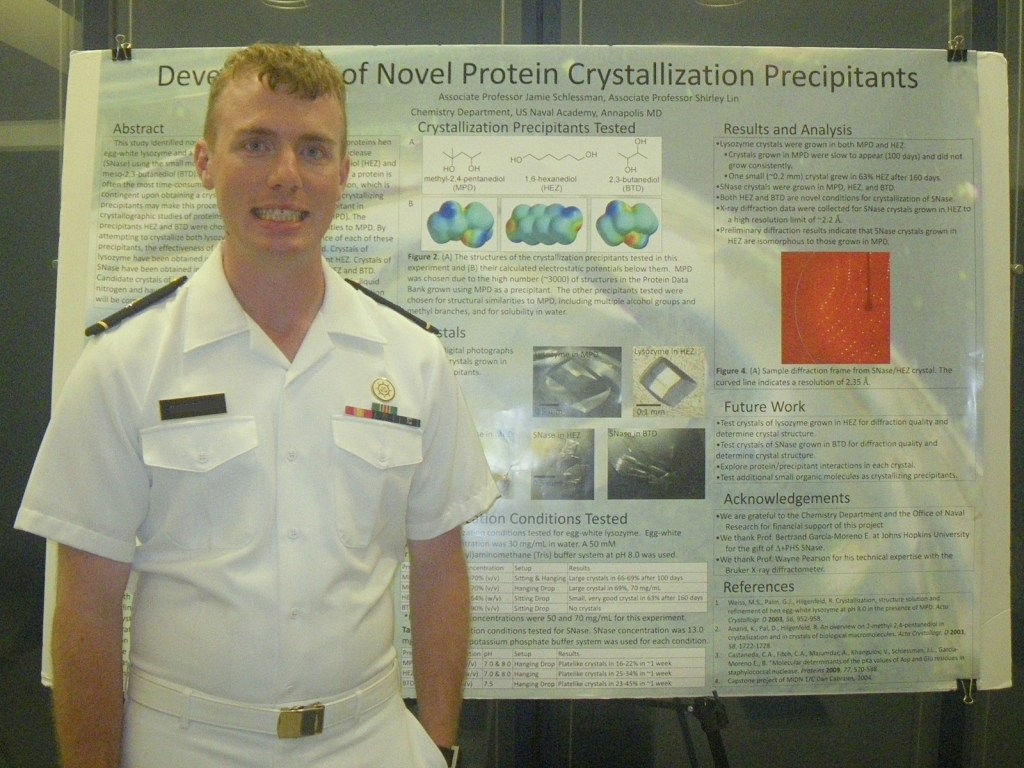
The level of privilege we afford to veterans in this country is absolutely wild and it has always seemed that way to me. The photo at the top is me as a young Midshipman and it all started there. Even back then I was thanked pretty constantly for my service, despite never ever actually done anything besides go to school. I went to the Naval Academy from 2007-2011, so that was still in the era when 9/11 was a fresh memory and anyone tangentially related to the military got all sorts of free stuff. I think every single one of us felt weird about the whole thing, but I mentally justified my free tickets to Busch Gardens by imagining that one day I would actually do something.

Now, post my military service, I constantly wonder what was so special at military service at all. This hedging might be moot, since no one ever reads this blog, but I know I lived a very particular brand of military life. I never had to face down an enemy trying to shoot me and all my friends, nor did I ever feel that I was in real danger anytime during my service. I was also an officer, which meant that not only did I get eggs to order even when our ship was on a “mission vital to national security” (as the parlance goes), but that I also got to jump right to the front of the waffle line. Even given that, whenever I am afforded a privilege like getting to jump the vaccine line, I’m forced to wonder why I’m so special for this job I used to do.

Military life in many many ways was not a whole lot of fun. We spent a lot of time out at sea away from the world, we worked constantly, and there were a lot of different ways it was potentially dangerous. But is any of that all that special? Long-haul truckers spend a huge amount of time away from their families, but they don’t get the GI bill. Amazon warehouse workers are worked so hard they’re barely allowed to pee, but they don’t get discounts all over the place. And there are tons of dangerous jobs in the world, like loggers and septic tank servicers, but those people don’t get preferentially hired for government jobs and contracts.

I wonder what effect all the privilege granted to veterans has on both them, and currently serving military members. There is plenty of reason to provide veterans with extra resources when you consider that, as a group, veterans can have higher rates of homelessness and suicide than non-veterans (to caveat the other way, I also worry about even bringing that up, because there is another negative stereotype of veterans that they’re unstable and PTSD-riddled, which isn’t true either). My specific worry is that providing all this privilege to veterans is a way to avoid looking at the root cause of many of the problems that military members and veterans face.

I’m sorry I have no idea who originally generated this meme; if this Google image search link works, seems like it’s been reposted a lot.

The above meme caught my eye early in the pandemic. Even outside a pandemic scenario, I really hate martial metaphors in any discussion that doesn’t directly tie to actual warfighting, and even then I don’t like a lot of the terminology. At the beginning of the pandemic, I was especially queasy about all the “front line” language, and it wasn’t until I saw that meme that I really figured out why. The meme criticizes equating health workers with soldiers because it implies a certain number of health workers are going to die and that’s just something we should accept, instead of it being something avoidable.

In the same way, I think we need to interrogate how all the hero worship of veterans and the military implies about what we expect them to put up with. Another friend of mine from the Navy visited me the other weekend, and we were swapping sea stories when she told me that they recently figured out only at the last minute that one of the sailors she supervised had been planning to murder his entire chain of command (including her) and kill himself on his last day at work. This is a very normal story, actually. One night when I was on duty our topside watchstander (who was armed with a handgun) was talking about wanting to kill himself. I did not handle this situation well (no one was harmed in the end), but frankly it was just like, one of the many annoying things that happened that night. We had a number of suicidal sailors, and like my friend a sailor that I supervised who was armed seriously threatened to shoot a number of people. This event was too mundane for anyone to even tell me directly; I found out about it when it was mentioned in passing in the wardroom.

Suicide is the extreme end of the scale, but there are a whole lot of things that people in the military are just expected to put up with and are somehow considered just the normal and perfectly fine way of going about things. I think because we view military members as heroes that are making a sacrifice, and who will gain benefits for life for these sacrifices, we have no real motivation to actually make their life better. Or, at least, it keeps us from conceptualizing a world where we should do that. Every time I think about the terrible parts of Navy life, I think about the sailors on merchant ships, who do stunningly similar jobs to sailors in the Navy but somehow can also get months off every year just as a matter of course.

There are a whole lot of other things I’m not going to be able to eloquently weave in here that should also be interrogated on this subject (race and class are the obvious ones, but other things too). I think the progressive dream for America is in fact currently being implemented, at least in many ways, albeit it only within the confines of the veteran community. If the progressive dream is good, then it must be good that it is at least being partially implemented, right? But since it is framed as something that veterans “deserve” for their “sacrifice,” I don’t know if we’ll ever be able to work on making military service less of a sacrifice, or more importantly really remember why we granted veterans these privileges in the first place (veterans deserve a lot of things, but since when has what people deserve ever been a basis for governance in the United States?). Until we do the work of figuring out as a nation why we venerate veterans so highly, and importantly what effect and implications that has for every other American, I don’t know if we’ll be able to judge whether it’s more toxic than good.

Zoom U

Be forewarned! Today’s post is largely me whining. I think there may be a point to my whining, but that is largely irrelevant; I gotta get a post out and this is the only thing I’ve been really thinking about. What am I whining about? I am whining that the world has not heeded all the wonderfully amazing advice I gave in my post Zoom Pedagogy.

As you are probably well aware, unless you are from the future and haven’t learned about it in school yet (or I guess a time traveler from the past just getting their bearings and for some reason using my blog to do it), there is a pandemic on and that has forced many schools, including the one I am currently going to (Yale, nbd) to shift to largely or entirely to remote classes. I am not fundamentally particularly upset about this. I would prefer that classes be in-person and that we could all jostle together and discuss deep thoughts while huddled around tables (or whatever it is we used to do here at Yale, it all seems so long ago now), but it’s vastly better we take measures so that we don’t all die and/or suffer the long-term consequences of COVID. And also while this isn’t the Yale experience I was expecting, I didn’t actually know what to expect anyways before I came to Yale, and I am taking it all in stride as an experience that isn’t necessarily better or worse, but just different. I’ve also gotten very used to not having to run around campus to get to my classes and can instead just open up a new browser tab to get to my next class and being remote makes it much easier to play Pokémon during class. This is not really the point I am trying to make!

What I am here to whine about is the fact that we are somehow not all phenomenal at teaching online. Here at Yale, we have recently begun the spring semester. It will be my second-and-a-half semester of taking online classes (half of the Spring 2020 semester, all of Fall 2020 semester, and now Spring 2021 semester), and I gotta say, we don’t seem to have gotten any better at this. When all of our classes suddenly went online over Spring Break last year, I was very sympathetic to teachers that were struggling to make the transition to online. Teaching online is a very different beast than teaching in a classroom, and it was a hurdle that they were not expecting and is not easy to overcome anyways. But I feel that whatever consensus method we had achieved by about late April last year is just what we’ve been doing ever since.

And lemme tell ya it is not great! That last sentence lacks nuance, so let me put some in. There is a lot of variability in the quality of classes, which comes down to both the fact that some classes lend themselves to the format more, and also a difference in ability between teachers. But as far as I can tell there does not seem to have been any concerted effort to figure out the best way to teach an online class and disseminate that among all the professors. Given that literally every professor here at Yale is taking a stab at the online thing, you’d think it would be a great opportunity to very quickly identify the best practices and the ideas that work and make sure literally everyone knows about them. I don’t seen any evidence of that happening.

I’m getting increasingly frustrated at the little things. I actually have one “hybrid” class, where I am attending in-person (masks, testing, social distancing, all that), but some people are online. The first day of class, the professor was somewhat flummoxed because he had intended to use a white board to keep notes but hadn’t figured out an elegant way to let the online students see the board as well. Then, he wound up walking around holding a desktop microphone because the online students couldn’t hear him. These are little things, and my condemnation here might be a bit harsh, but on the other hand, how do we not have something like a standard package for all of this? That is, as soon as a professor decides they’re gonna teach a hybrid class, why does Yale not have myriad resources that tell them exactly how to do it? “Ah, hybrid class I see. Here is your lapel mic! Were you planning on using a white board? Excellent, here is what we have found is the best way to go about doing that. You’re going to be splitting the students up into groups occasionally? Yes, that is a great learning tool, other professors have found a lot of success using this method…” Why do we have every professor reinventing the wheel for themselves?

There are larger problems as well. My most frustrating experience this semester has been my Spanish class. Again, here I have a lot of sympathy. I struggle to imagine how you could do a really effective online language class with 15 people in it, like we have. If there is a way, however, the Yale Spanish department has not figured it out. One of my biggest frustrations is their decision to go from five days a week to three days a week. When we were in-person, and then last spring when we suddenly went online, we had class for 50 minutes five days a week. Then, in the fall, and now again this spring, they have decided to teach only three days a week for reasons that are mysterious to me. This hasn’t been an unpopular move; it’s kinda nice to free up that block of time on Tuesday and Thursday. However, they still expect the students to do the same amount of work to the same standard. This seems ridiculous to me. If you operate under the belief that teachers add something to a class, then having less time with a teacher is going to make that class less effective. I have to imagine this is especially true in a language course. But instead of cutting out 40% of the work to go along with cutting out 40% of the teaching time, the students are just supposed to do the lessons on their own twice a week. I have found it difficult to teach myself Spanish, which is not surprising, because I do not speak Spanish.

Last Spring, when we all suddenly went to online classes, the school made a huge effort to acknowledge that it was a difficult transition. I realize they were also responding to the pandemic in general, but students were given a lot of leeway in how they managed to achieve the requirements of the course. Professors were told to be very generous with extensions and allowing for Temporary Incompletes with the classes. Every student could change their classes to pass/fail with no questions asked up until the very last day of class. As soon as fall semester hit, however, I guess it was decided that This Is Just What We Do Now, and all that extra leeway was taken away. I understand the need to keep a rigorous standard when it comes to student work, but on the other hand I don’t see that same rigor being applied from above to make sure the classes are effective in the online format. I am floored that a year into online school we all aren’t phenomenal at it, because I feel like we could have been. Where are the numerous online thinkpieces about effective online teaching? Where are the Wikis to cover every conceivable online teaching scenario? Where are the virtual conferences about Zoom pedagogy? Am I just missing them? My super amazing girlfriend, who has thought deeply about education for years, figures that the answer is research universities like Yale just don’t actually care about teaching quality. Let’s hope she’s wrong.

Batik

Reading this week:

  • Blockchain Chicken Farm by Xiaowei Wang (beautiful)
  • In the Waves by Rachel Lance

Look. A couple of things. First, I continue to be impressed with the success of my blog post Joe Biden’s Ties (a success not shared by its short update, Joe Biden’s Ties Update). According to WordPress stats, it got like, slightly over two dozen views the other day. Two dozen! This has made me drunk with fame. Expect a biopic shortly. Second, there is a pandemic going on, which has severely restricted the amount of places I can go and then dryly describe for my myriad followers. This has left me pondering if I could maybe even creep up into three dozen viewers on any given day if I dedicate myself entirely to fashion commentary. At the very least, it would save us from being a Chronicle blog. This has made me decide to dedicate this week’s blog in an ode to the greatest fashion in the world, batik.

First off, I apologize; I’m not going to do batik justice here, either in regards to its rich history or to my deep and abiding love for it. I first discovered batik in the usual way: my grandfather died. He was not Indonesian, nor am I entirely sure he ever went to Indonesia, but nonetheless a shirt made of batik wound up in his closet. My dad was too fat for it (that’s not a dig at dad, I’m also too fat for it now, but I used to work out [because the Navy made me]), so I wound up with it. What a revelation! To back up a bit. In case you didn’t follow the link to Wikipedia the first time I wrote batik, what I’m referring to is cloth that has been colored with a wax-resist dyeing technique. If you’re using batik in that general sense, there are a whole lot of types of batik from over large swaths of the world. Given that other parts of the world use other words for it, batik therefore refers more specifically to cloth produced with the technique from Indonesia. It comes in a variety of colorful designs, and people make all sorts of cool clothing out of it, but in my case I exclusively wear batik that has been crafted into shirts.

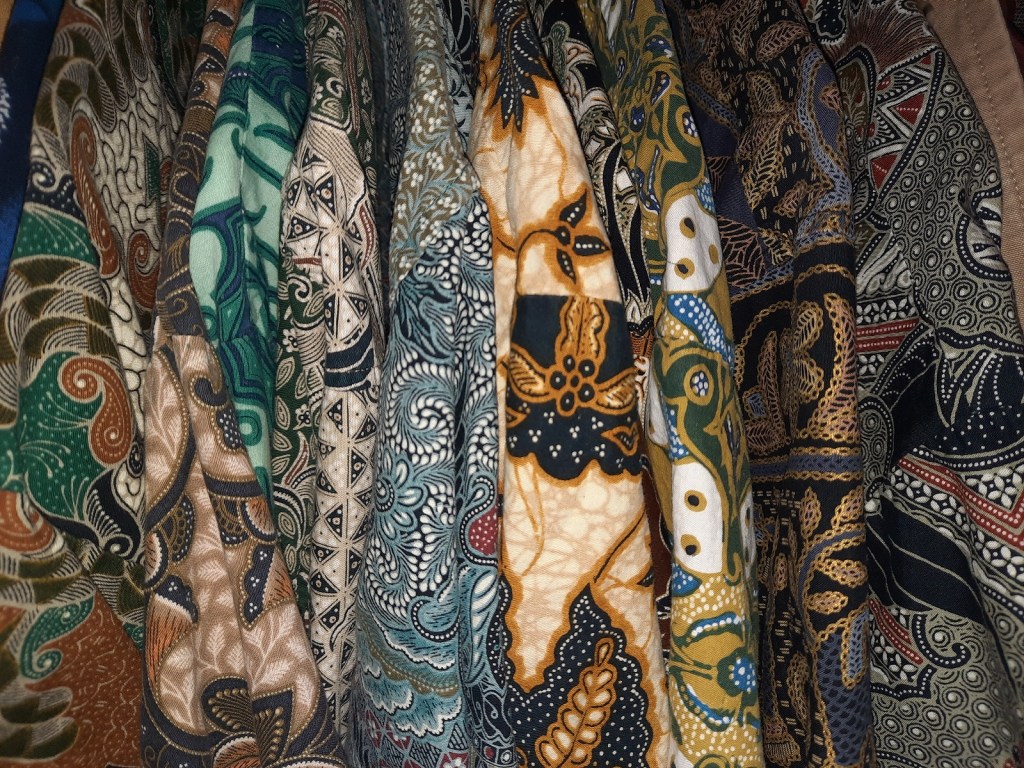
And I do wear a lot of ’em. Or at least used to. There’s a pandemic on and I can’t stand to muster anything more than a t-shirt for an online class. The picture at the top is a small portion of my total batik collection; I have stowed a large chunk of it away because as I have just complained about there is a pandemic on and I never go anywhere anymore. I wear them for a few reasons. Probably the biggest reason is that they are bold and loud. I remember one day (before my forays into fashion) that I looked at my t-shirt collection and realized they were all blue. And nearly the same shade of blue. This isn’t just a personal fashion choice; look at men (in America at least), any man, and I am willing to bet that he is probably wearing blue. I don’t know what part of that is blue being a flattering color to wear, men being desperately uncreative, or mass-produced fashion having to cater to the lowest common denominator, but men all tend to wear the same boring stuff. There’s no reason to! We can wear whatever we want! We don’t have to wear blue! So batik for me was in large part a major antidote to uninspired dressing.

Another huge reason I like to plug batik is that at some point I decided that it was worth it to look presentable to the world. Batik shirts are a great way to do that. I made this realization at some point with the help of a PutThisOn article I don’t think is up any longer. That article was talking about Aloha/Hawaiian shirts (when I wear batik, it’s usually mistaken for an Aloha shirt, which I also very much love), but made the point that those shirts are actually kinda dressy. Look, I (probably) wouldn’t wear one to a funeral, but the batik shirts I wear (and Aloha shirts) are button-down and have collars. That certainly puts them a step above the t-shirts that my stereotypical blue-clad men wear. And if I come across another man in a batik shirt or an Aloha shirt, I can tell that man has probably put a lot more thought into what he is wearing than somebody dressed in a t-shirt, and out of sheer favoritism I am also going to put him above the polo-shirt clad crowd. And what is the point of formal dress besides an indication that you’ve thought about what you’re wearing and how it applies to the situation in which you will wear it? Also, I meant to point this out earlier, batik is formalwear in Indonesia anyways, so it’s not sorta-kinda formal, it is formal.

The most difficult part of my passion for batik is that it is hard to get. I have bought nearly the entirety of my batik collection on ebay. At some point, I think I was (I might still be) the exclusive buyer of size-17 batik keris (my preferred brand) shirts on ebay. I have an alert set up. In good times, I get an email nearly every morning. I think the pandemic must have significantly slowed the flow of batik into the United States because pickings have been sadly slim. There have been a limited number of other ways I have been able to obtain batik. At one point, a buddy of mine had long been suffering under a deluge of batik, actually. I was jealous of his lifestyle, which involved having an uncle that sent him boxes of batik shirts unsolicited. Both my buddy and his uncle were Indonesian, as way of explanation. While we were in closer proximity, he would pass his surplus to me. This was amazing.

At only one time in my life have I been able to buy batik shirts directly from a store. This was in Singapore. I did not know I was going to go to Singapore when I set out on this particular trip (it was on a submarine, and things are hush-hush on submarines, and also sometimes disorganized), but as soon as I heard we were headed there I felt my batik dreams were destined to come quickly true. I was crushed to not find every street lined with batik stores, but when I finally found one I ran across the street to shop there. At the time I was under the impression you could be caned in Singapore for jaywalking, but such was my dedication to bright and colorful patterns that I was willing to risk physical injury for it. Based on the reaction of the erstwhile shopkeeper, I am willing to say I was the most enthusiastic buyer of batik he had seen in quite some time. Maybe just the least canny. At any rate, it was heaven.

So, uh, yeah. That’s what I got to say about batik. It’s bold. It’s beautiful. It’s a step up from whatever you’re likely wearing (my super amazing girlfriend disagrees [hi!]). Give it a go! Just not in size 17 from ebay. That’s for me.

Joe Biden’s Ties Update

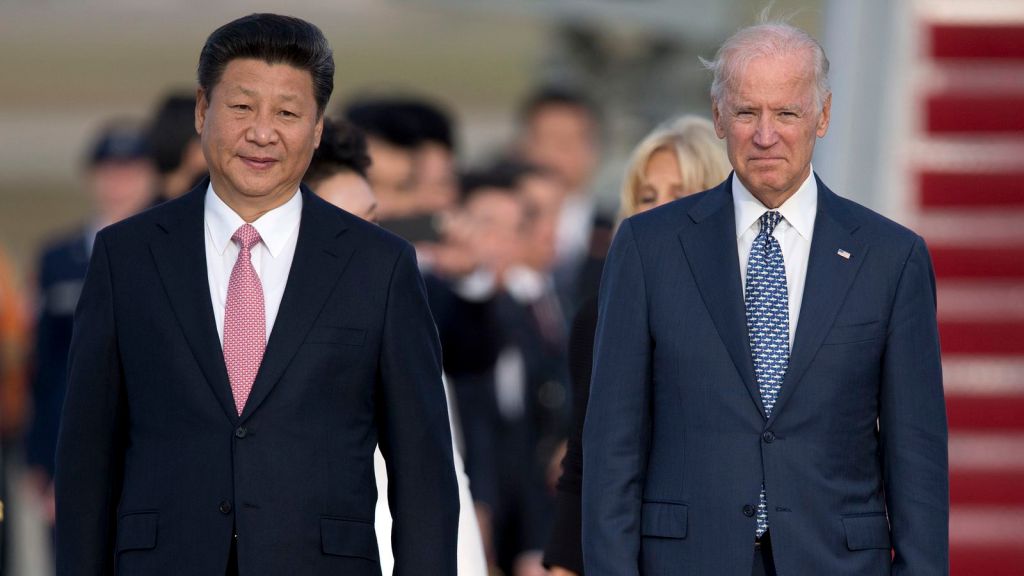
In a move that has surprised me, my post Joe Biden’s Ties is far and away my most popular post ever, getting sometimes into even double-digit views on a given day. Pretty exciting I know! Given the immense popularity, I feel obliged to my loyal reader(s) to provide a quick mid-week update on potentially our most fashionable president (I know JFK exists). I was tipped off by an Al Jazeera article, but, as you can guess from the photo up top, Joe Biden at least once wore a tie with little sharks on it!!! Very exciting!!! The above photo was taken in 2015, when the sartorially adventures then-Vice President met Xi Jinping as the Chinese president arrived for a state visit. Here’s the full photo:

Last Resort

Don’t yell at me Amazon for stealing your photo, I’m trying to drive you traffic.

Reading this week:

  • The Democracy Advantage by Morton H. Halperin, Joseph T. Siegle, and Michael M. Weinstein
  • Civil Wars by David Armitage

In my habit of defending media products that everyone else thinks is bad, and also because it is slow here and I can’t think of anything else to write about (well, I can, but does anyone really want my analysis of why the people getting vapors about Parler getting kicked off of Amazon are dumb?), I want to tell you this week that the TV show Last Resort is the greatest TV show about submarines ever made.

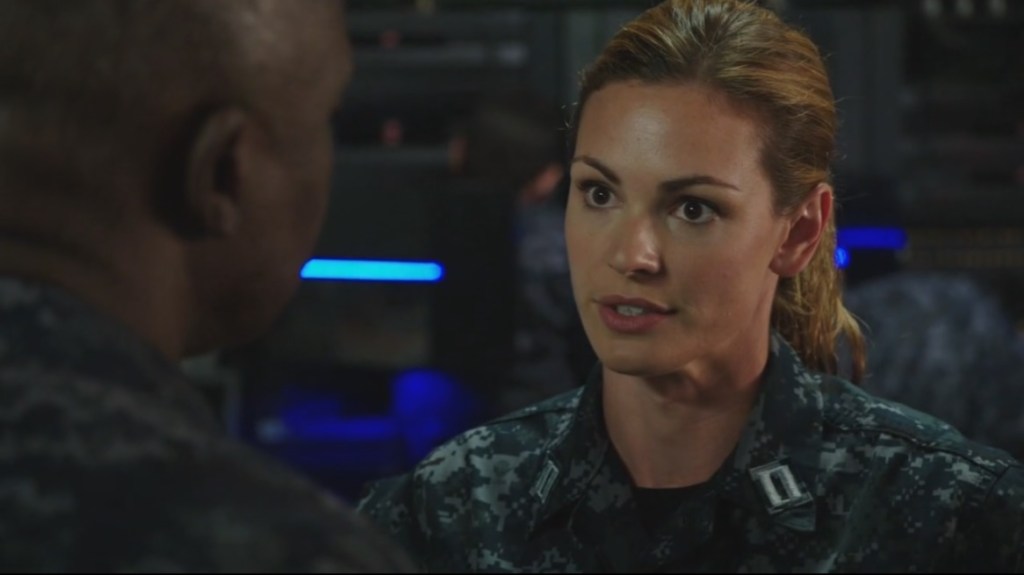
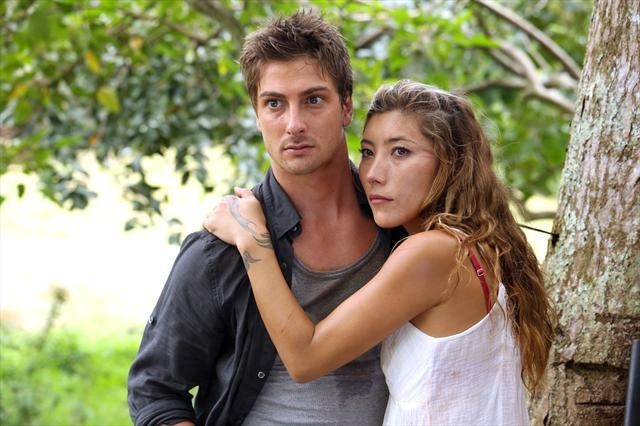
First off, it doesn’t seem to have a lot of competition. I could find two other shows in the general category after some quick Googling. Submarines seem to be made for movies instead. Second off, though, it’s amazing. By which I mean it is absolutely dumb. Exactly zero parts of it make any sense at all. I mean, that photo up top is presented without a hint of irony in the materials for the show. On the cover of the complete series on DVD which of course I bought, in the background there is also a submarine surrounded by explosions and a destroyer also surrounded by explosions and also F-14s coming from behind to do a fly-over. It’s fantastic.

The premise is that a US nuclear missile submarine is attacked by other US Navy ships for mysterious reasons, and the natural response of the captain is to take over a fictional French island in the Indian Ocean that is somehow very well-stocked with lots of supplies but few French people. The submarine tells everyone to stay away lest they start nuking people, which they demonstrate by nuking a patch of ocean off the Eastern seaboard which they claim in the show wouldn’t have any people in it at all, a bit of the story I took personal offense to because I have literally myself been in those very waters they hypothetically nuked. There’s also a drug kingpin on the island. It’s a whole thing. Hijinks ensue.

She is a fully qualified submariner! She would not be naïve! She has seen some shit! Thank you!

Submariners hate the show. At least they think they do. In their defense, everyone else hated the show as well; it was cancelled after 13 episodes. I don’t know when they figured out they were cancelled (I suspect at about the same time they dreamed up this series), but the final few episodes rush towards a conclusion with increasingly bad green-screen acting and the finale is a gigantic explosion. Honestly, not the peak of artform, I’m going to admit that. I have to keep myself from just detailing all the dumb stuff. Like the female lieutenant, who is the star of the show (Daisy Betts as Lieutenant Grace Shepard), who is a longtime friend of the captain and a qualified submariner who also somehow doesn’t know the most obvious things about submarines. Or the fact that somehow the submarine can just pull into and out of port willy-nilly without shore power or reactor startups or tugboats. Or the fact that no one ever seems to do any maintenance on the thing. These are just the things I can remember easily, I haven’t actually watched this show in like 7 years.

Back to my submariners only think they hate it comment. Like I said three paragraphs ago I bought the complete series on DVD and would make sure to bring it underway. Then, I would play it underway in the wardroom. Lemme tell ya what happens. People walk in. They’re like “what is this?” I tell them “It is Last Resort, the greatest submarine TV show ever made.” They would be like “ugh, that show is terrible,” but they would be transfixed. They would watch for about 10 minutes or so, standing up, like they just wandered in for a second, they’re about to leave, really, they just want to see how dumb it is. But after 10 minutes they sit down. Then, when the episode ends and I queue up the next one, they stay for that too. And the next. This can’t go on for too long, there are only 13 episodes, but everyone watches. You know why? Because they love it.

It is a huge mistake to take the show seriously. You have to watch it like a sci-fi show. When you watch Star Trek, it’s loosely based around the concept of a military-type ship, but no yeah Scotty fixes everything pretty much by himself, the bridge crew are naturally the ones that explore dangerous alien planets, and the warp core breaks or fixes at convenient times for the story. We get it. Same with this show. Once you’re in that mindset, it’s absolutely the greatest, which I have said many times now. The show is absolutely bonkers. They blow stuff up all the time. I think there are Russian paratroopers in only like the second episode which the bad-boy SEAL team leader manages to dispatch at the last second after the hot girl tells him he should, saving LT Shepard who was taking on the Russian paratroopers herself. The real star of the show is the COB, who is acerbic and witty and during most of the show trying to overthrow the captain while also keeping junior sailors in line, and is honestly the most accurate part of the whole production. I love him. The show has better people in it than it deserves, like Andre Braugher, who at no point lets on that he is in anything other than an absolute masterpiece.

Our SEAL friend and his hot conscience. You are too good for him Dichen!

Look, a quick review of the Wikipedia page has made me learn that despite being what I can almost certainly state is this show’s #1 fan, even I don’t recall all the crazy stuff they wrote into the script. Episode 6 includes the entire island being dosed with a hallucinogen; maybe the writers were just putting their own lived experience on the small screen. You gotta struggle past the first episode, but watch this show, and you’ll agree with me that it is the greatest submarine show that has ever existed. I’m not going to say it even deserved all the 13 episodes it got, but I think we are all better for them having existed.

COB says watch it!!!

Dove

Reading this week:

  • Truman by David McCullough (in 2020)
  • Superpower Interrupted by Michael Schuman
  • The Glass Hotel by Emily St. John Mandel

It’s late at night, and I am bereft of ideas of what to write, so I have decided to just make a short mention of what I think is the most significant book I’ve ever read. That book, as you have guessed from the photo at the top, is Dove by Robin Lee Graham.

The came across the book in middle school, when it was assigned to us by our somewhat eccentric geography teacher. I’m not sure what his exact reasoning for assigning it was; I don’t think his reasons had anything to do all that closely with geography. We were supposed to read it over the course of a couple of weeks I suppose, but I devoured it all that night. After I started reading it I just couldn’t stop until I finished it.

The Wikipedia page for Robin gives a short summary of his adventures, so I won’t bother much with that here, except to say that it is the story of Robin sailing around the world solo. When he did that, back in the 60s at age 16, it made him the youngest person to have ever done it.

I am a huge fan of sailing, and being on the ocean and stuff, and while the book is good for that, that’s not what really made it significant for me. What astonished me about the book is that Robin wanted to do something, so he just went out and did it. He wanted to sail around the world, and despite that being something that, by definition at this point, 16-year-olds didn’t do, that didn’t matter, he just made a plan and went about fulfilling it. I’m struggling to come up with a way to say this without being pithy and flippant, but reading the book was the first time that I really figured out that you didn’t need someone’s permission to go out and be who you wanted to be.

There’s a lot of caveats and explaining here. I realize that not everyone can simply do whatever they want to do, and people have responsibilities that make them choose one path or another. I also realize that there are a lot of pursuits that rely on luck and good timing and certainly things like good health. Money really helps too of course. But Robin saw something he wanted to do, and he did it, without someone telling him that he was allowed to do it. The thing he “should” have done is probably finish school, get a job, save up, establish a safety net for himself. But there wasn’t a rule that he needed to do that, nothing that required him to except the societal pressure to conform, and he simply ignored that. I found that amazing.

This isn’t a blog post saying that you should drop out of school; my own experience has demonstrated a lot of value in education. But what I have always found really important is the knowledge that whatever path I have chosen in life, there is nothing that made me do it. I always had other choices; if Robin could just bounce and sail around the world, then so could I. That means that I am in my path by choice, that I want to be here, and that in and of itself makes the path worth pursuing.

I didn’t state that well. It’d take me a lot longer to formulate it eloquently. But Dove still remains important to me all this time later. It’s a good book.

Social Enterprise Instagrams

Reading this week:

  • The Emperor’s New Road by Jonathan E. Hillman
  • Shadow Cities by Robert Neuwirth
  • Blinded by Humanity by Martin Barber
  • Africa uprising: Popular protest and political change by Adam Branch and Zachariah Mampilly

I was at a little bit of a loss as to what to write about this week. I haven’t done much and we’re about to embrace the crush of writing papers that I should have started weeks ago, but haven’t. I thought about writing on my reflections on Thanksgiving, and how my single favorite expression of American-ness is that people, as soon as they find out you don’t have a place to go for Thanksgiving, will invite you to their place, even foreigners who don’t celebrate the holiday (there’s a lot to unpack about the history of genocide against Native Americans, but still the invite-you-over bit is nice). Or maybe review the various Thanksgivings I’ve had over the years, with my fellow Navy peeps or abroad in the Peace Corps. I even pondered if there was something to write about the Berkshires, where my super amazing girlfriend and I went, I think primarily for sheep photography opportunities, as demonstrated at the top.

Instead of all that, I’m going to briefly make fun of the Instagram accounts of various social enterprises. As detailed in my blog post about development apps, I had an internship where I looked at development grants. As part of this, I looked at these organization’s websites, and I was always somewhat intrigued as to the bevy of social media profiles they inevitably displayed on their webpages. My thesis here is gonna be that I’ve never seen a good corporate instagram. Like, LinkedIn I understand. Facebook has an excellent argument, because for a lot of the places where these development-focused social enterprises work, Facebook kinda is the internet due to their Free Basics program. But Instagram? Why are any of these peeps on Instagram?

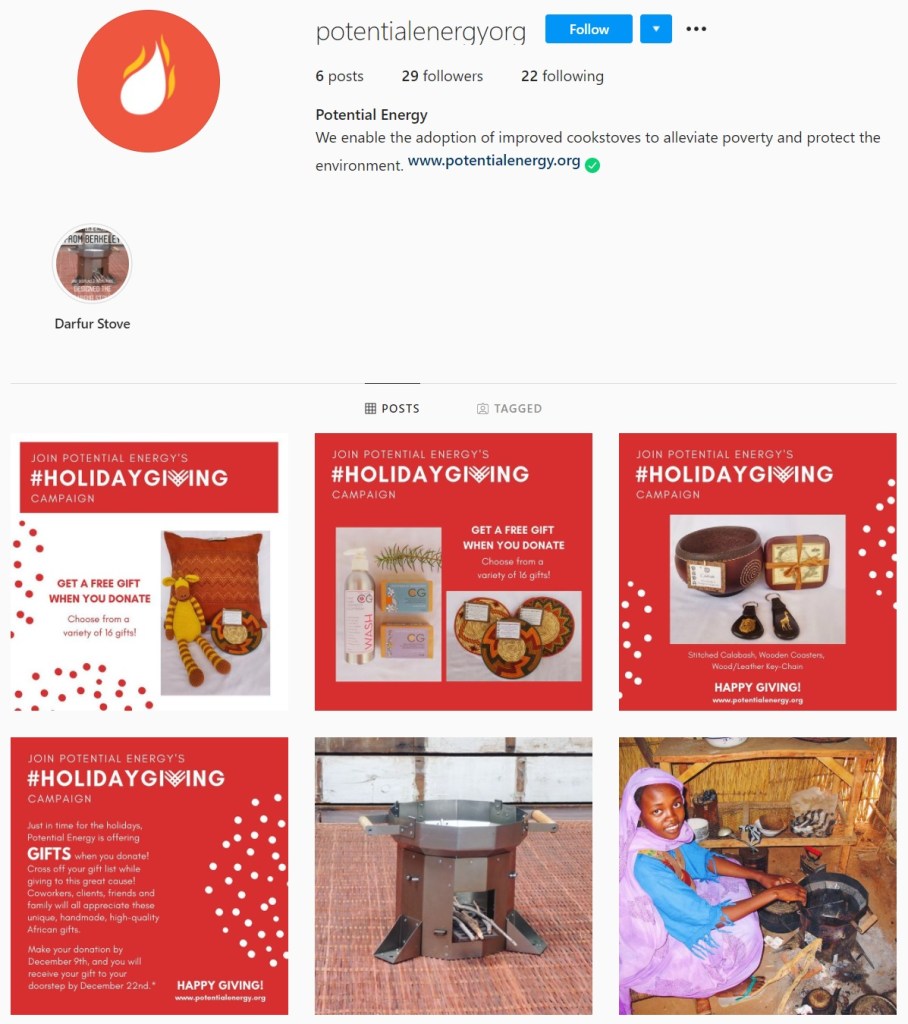
The absolute easiest victim I’m going to have here to today is Potential Energy, who took the classic route of having some engineers design a “better” (I shouldn’t put that in sarcasm quotes, it’s well-designed and pretty great) cookstove, figuring like, marketing and supply chains and all that would be easy. A quick Google search reveals that the top-followed brands on Instagram are almost all fashion or beauty brands, which naturally play well to Instagram. But cookstoves? What are you going to post about with a cookstove? The whole NGO sphere probably needs a real strong rethink about how they market themselves. It’s been sufficiently skewered elsewhere, but in the same way that I’m someday going to make a submarine movie with no external shots, someday I’m going to start an NGO and include no children (smiling or otherwise) in my marketing materials. Clearly Potential Energy has similarly failed to come up with anything to do with their Instagram (their latest of six posts was two years ago), but nonetheless they still link to the thing right on their homepage.

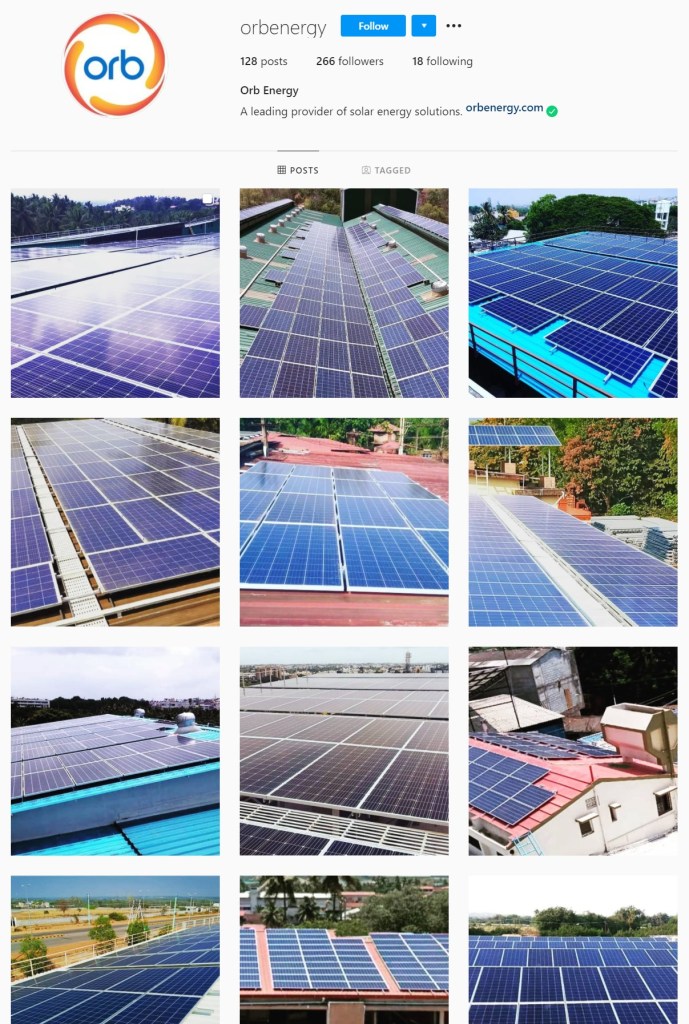
My personal favorite social enterprise Instagram account is actually Orb Energy. They’re not actually so social enterprise-y, they are in fact a pretty run of the mill solar installer, but hey solar is great and they do some neat financing stuff. They’ve neatly solved the problem of what to do with their Instagram account by just posting photo after photo of solar installations, and lemme tell ya: oooh baby. Sure, they’ve only got 266 followers, but taking photos of their latest rooftop solar project and slapping that bad boy up on Instagram has to be pretty low overhead, and if you’re a fan of just panel after panel of sweet sweet photovoltaics, this is the account for the #SolarInfluencer in you.

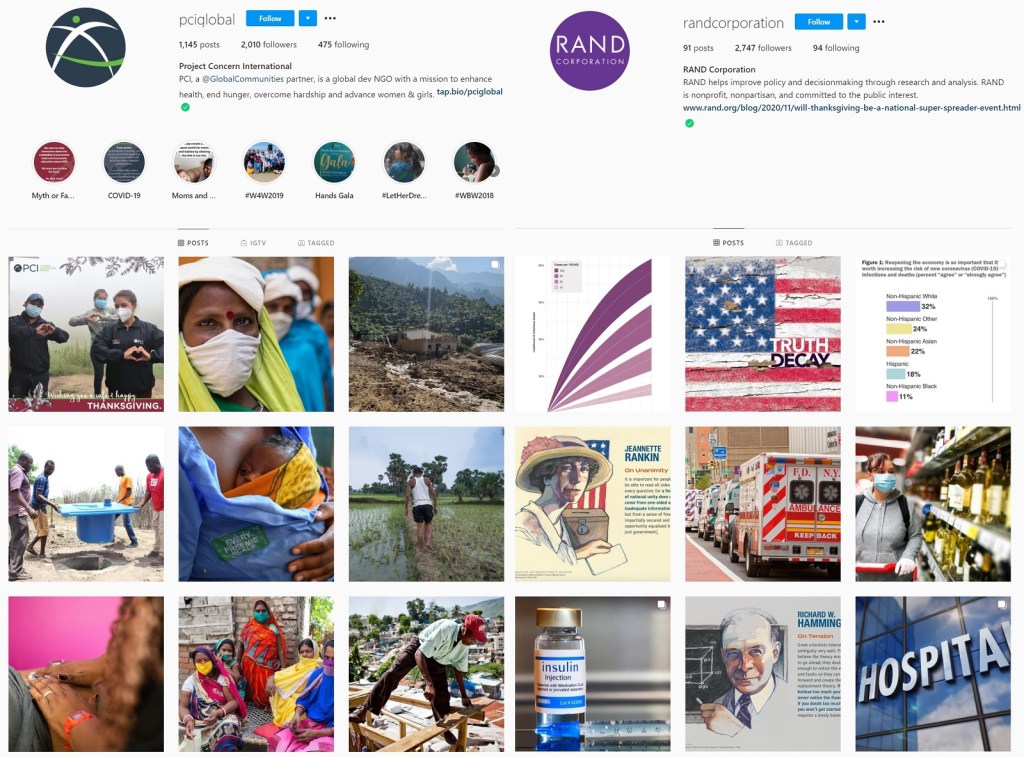
Two of the companies I find most impressive for their absolute dedication to the craft despite the complete lack of any possible benefit are PCI Global (who also has a Pinterest???) and the RAND Corporation. Both are big ole’ corporate entities who clearly have dedicated social media teams, producing high quality content and thought-out infographics. They deliver this hot hot content to their combined sub-5K followers, which puts them firmly in the micro-influencer category, good for them. I wonder how these social media teams are assessed on their annual reports. Clearly it’s not on a cost-benefit analysis, as far as their Instagrams go. I personally like to think these are a small band of people absolutely dedicated to their craft, valuing the work for its artistry instead of any commercial success. Except I hope they get paid well. It’s pretty good stuff!

And with that we’ve pretty much reached the limit of the the kinda intelligent things I have to say about social enterprise Instagram accounts. I rounded up a few others I thought were good examples of I dunno, something. SafeBoda I like for its clear orange aesthetic and how it features its employees with nice messages about safety. Grillo I was going to mock for not having posted anything (at time of writing) for over half a year, and mostly featuring pictures of sensors. I have a few others (Keheala, Zola, VisionSpring) in case anyone wants more examples of the genre, but really it’s a bit like shooting fish in a barrel here. Kinda weird, and also why would anyone do that?