Paperwork enthusiast seeking new frontiers of paperwork. Former submariner, former Peace Corps Volunteer. Opinions, thoughts, and comments reflect no actual persons, living or in the Navy.
Journey to the Source of the Nile by Christopher Ondaatje
After our very adventurous day going all around Kigoma and Ujiji, our next day and a half in Kigoma were pretty quiet. We mostly just hung out at the Kigoma Hilltop Hotel, enjoying the views and restaurant and pool. More exciting entertainment was provided by the waiters in the restaurant chasing away the monkeys that congregated to take advantage of the morning breakfast buffet. We also took a very lovely stroll down to the hotel’s beach. It is a rocky beach but we weren’t actually planning to swim anyways, and there are some lovely little beach huts down there and a very attentive attendant. And not to mention the views are pretty:
You can see the Hilltop Hotel atop the middle hill.
Before we travelled to Kigoma I had looked up various old pictures of Kigoma on the ole’ internet there and wanted to recreate some of them. I didn’t mention it but yet another spot we went on during our tour was of course the railway station. There is a police station around the front so you’re not particularly supposed to take pictures of that side, but on the tour I got a photo of the back. The old photo (a Flickr embed you can click on) is from 1954:
And just so you can really picture the scene below is looking the other direction; follow those tracks and you’ll get to Dar:
Who doesn’t love trains.
In the morning of the day we departed I took a long walk from the hotel into town to try to recreate a few more pictures, and left to my own devices I could get a photo of the front of the train station. In addition to the train station, the building behind it is also still there. As I was approaching the perspective for the shot the two “Cheetah” trucks pulled up blocking much of the view, but upon reflection I think they better illustrate the hustle and bustle of Kigoma these days compared to when you could apparently have a rather large lawn in the middle of what is now downtown (the below photo is from 1926):
One more photo I wanted to recreate is the one right here. That photo is actually from the Gordon-Gallien Expedition, but the only source I can find for it is via Getty and so I am afraid to embed it. But if you scroll to the top photo you can judge for yourself how I did.
As I was researching Kigoma you can some info about many different sites but they usually lack any sort of indication as to where they are in Kigoma. So I present you the below photo of of the Kaiser House. If you want to take a look at it yourself (or a look at the wall surrounding it anyway), it is here. Purportedly, it was built as a hunting lodge for Kaiser Wilhelm II when he was planning a trip to Kigoma in the summer of 1914. That trip got cancelled but the building remains. The same Wikimedia page I just linked to says it is used by the Tanzanian police but Lonely Planet says the regional commissioner lives there; perhaps these mean the same thing. I couldn’t get a much closer look than what is pictured here.
There are a couple mysteries I wasn’t able to solve while in Ujiji. The first is what and where the Cine-Atlas is. The second and more involved one is the location of the graves of Rev. John Thomson and Rev. Arthur Dodgshun. Each had died in Ujiji but what I learned reading The Central Africa Diaries of Walter Hutley is that they had been buried in Kigoma. The London Missionary Society thought they would be able to procure and build on land in Kigoma (where the harbor is better, important for the Good News), and so the two were buried closer to that area than the rented house in Ujiji. In his diary Hutley describes visiting the grave:
(May 24 [1880]) Since I went there before there has been the addition of another, viz. that of L’abbe Debaize, and at the head of each Hore has placed a stone which states the name and date of death of the deceased. Visiting these it brought up in my mind many recollections of each. I would have liked to have seen them alone, as that little spot seems almost hallowed with the remains of such dear friends. But we could not stay long to ruminate. Passing along the ridge of the hill we soon came to the brow which overlooks the market at Gungu…
Going off that I spent some time while we were lounging trying to figure out where this spot could have been; it would have been astounding to find the graves. While there I wondered if the graves could in fact be somewhere on the grounds of the Kigoma Hilltop Hotel as it is on a hill overlooking the harbor. But it was as I was writing these blog posts I finally spotted that on Ed Hore’s map of Ujiji (previously seen here) there are two different spots marked with graves; Thomson, Dodgshun, and Debaize must be the farther north one closer to the area marked “Mission Estate”:
If I had realized that earlier it would have narrowed the search, but perhaps it is for the best. We were visiting on the tail end of the rainy season, so if the graves were undisturbed they were probably overgrown with grass, and given the nearly 150 years the graves have been there, what are the chances they are undisturbed? So it would probably have been a long hot day tramping around people’s back yards for nothing. But then again as my dad said when we couldn’t do everything we wanted to do in Disneyworld when we visited as kids, you gotta save something for next time.
So at the end of all that, just a couple final pictures for you below. Unbeknownst to me as I was walking around Kigoma having a grand ole’ time seeing the sights was that the next step, getting ourselves to Zanzibar, was going to be dreadful. But until then, it was a beautiful day.
A view across Kigoma harbor.Zebra from the hotel room patio.One last sight of Ujiji from the plane.
I oughta actually read Livingstone’s books. I have done a bit of following in his footsteps. He came through near where I was a Peace Corps volunteer, having visited Lake Chila and crossed the mighty Lucheche. And then of course subsequently I travelled to the spot he died before we visited the spot he was born. Back when I was on the submarine and Africa was really still a strange and novel place to me I read Tim Jeal’s biography of Livingstone (called Livingstone), and quite recently I have read his invaluable follow-up in the form of a biography of Stanley (called Stanley). Still I haven’t actually read Livingstone’s books themselves for fear that it would keep me from reading other books more narrowly tailored to the particular historical niche I have staked out: the Central Africa Mission of the London Missionary Society.
But that is neither here nor there, the here and there in this case being specifically the Livingstone Memorial Museum. The museum is in the spot it is because on its grounds is the memorial to the most famous event in both Livingstone and Stanley’s lives, that day in November 1871 when Stanley found Livingstone. As I have learned from Stanley, there is no real telling which day exactly in November the meeting happened as both men had lost track of the date in various deliriums, and furthermore significant reason to doubt that Stanley ever said “Dr. Livingstone, I presume?” But still a very famous spot!
This photo imagines what the famous meeting would look like if I was also there.
We arrived at the museum in the care of Elizabeth and Peter of Kigoma Eco-Cultural Tourism. When we arrived we were greeted by the only tour guide on duty, but he departed immediately with a different group to give a tour in Swahili. We used the time first to visit the museum’s gift shop (very good, I got two cool bird paintings and a warming basket) and then when it was clear we had even more time we explored the galleries. It is a small museum, but I think it is pretty good for what it is. Although they had a room dedicated to Livingstone’s various journeys much more interesting were some informative displays of local cultural artifacts. They had examples of specially shaped baskets, some designed to hold gifts and other designed to keep food warm, which explained strange baskets I had seen in the Ujiji market alongside the spears.
Eventually the guide returned and off we were to the memorial itself which from the museum sits atop a small bluff. The most interesting thing (to me) the guide said was that the bluff marked where the lake’s shoreline was when Stanley found Livingstone. If true that is a bit ominous for Kigoma and Ujiji given the currently rising lake levels. For the rest of the information our guide here gave us I didn’t pay wayyyy too close attention as I was very familiar with the story. But it was bouncing with excitement to be on this very spot. It is at least the third iteration of a memorial, the first being the mango tree itself under which the meeting took place, the second I think a plaque, and now the third and current monument. Although the original mango tree died the mango trees on the four corners of the plinth are supposed to have been planted from grafts of the original tree. Also on the plinth is a plaque commemorating the arrival of Burton & Speke, which must have also happened near that spot.
The Burton & Speke Memorial; I couldn’t figure out where it was before going to Kigoma but turns out it is right next to the other famous memorial.This is a chunk of the original mango tree in the SOAS archives in London.
Speaking of “near that spot,” the site of the LMS Mission House. Like I said in the last post I wanted to find where it was. Having considered it at length, this is probably impossible; it was just a rented house as the LMS were never given permission to build their own place. When I was in the SOAS archives I did find a map that Hore drew showing the approximate location of the mission house. I tried to do some fancy stuff and overlay the map over the Google aerial image using Bangwe island as a guide (below) and even maybe make the nautical mile match up but I’m not sure it really sheds any light on the issue. The most relevant part of the map is probably that the mission house was near the end of the caravan track, and I think the museum is probably also around where the caravan track ended. Of course probably everything in Ujiji was because it wasn’t all that big of a town, so where Burton & Speke arrived and where Livingstone camped out and where the LMS set up shop were all probably pretty close to one another. And now so were we! Man history is awesome.
Hore’s map of Ujiji harbor from the SOAS archive; maybe there is a better one somewhere in the files but this is what I got.Me doing fancy tricks with layers and transparencies but adding nothing really of value.
After taking photos and admiring the spot we were done and the guide led us down back to the museum. Once again Peter suggested we could “say goodbye” and once again I was confused until the guide himself said exactly “you can give me a tip.” This was a relief because it cleared up the situation and we gave him a tip. He was a very nice man and a very good guide really; he apparently volunteers at the museum and otherwise is retired. It was at this time that I dragged us across the road to see the boatyard where they were building the giant canoes, and we could see up close another spot badly flooded from the rising lake levels. But I’ve covered that and we still had plenty to do on this day so we piled into the car once again and off we went.
The Central African Diaries of Walter Hutley edited by James B. Wolf
Mirambo of Tanzania by Norman R. Bennett
Alright I ended the first part of the story of our Ujiji Walking Tour a bit abruptly there after trying to impress you all with various links to obscure and not-so-obscure websites in an effort to establish my independent researcher bona fides. I’ve gathered my thoughts however so now I hope you’ll continue with me as I recount the rest of the particular adventure.
After the location of Tippu Tip’s house we walked just a little farther up to the location billed as the former slave market. I have no real way I think to verify this. I did not mark this on the map as we were walking around but I think it is here. The structure is not new but I am not so sure it is 1880s old (here is a picture from Kigoma Eco-Cultural Tourism’s Instagram feed), so I will take it more as the location of the former slave market. I would say though the structure is at least 1920s old because there it is in the above picture (I think) in a photo taken by the Gordon-Gallien Expedition. According to London Missionary Society lore the daily slave market stopped as soon as the missionaries pitched up in Ujiji (openly anyways, the trade in enslaved persons according to the missionaries just moved to private spaces).
Peter, our wonderful tour guide, told us the small shops around the market were originally slave pens which, again, I am not so sure is true, but poking around one of those shops was the most fun experience. I had noticed some pots out front and asked about them. Peter explained some were for cooking and some were for rituals, and we went over to check out the shopkeeper’s other wares as he was setting up for the day. In the “rituals” category Peter pointed out the different spears available, some with wooden shafts and some spears entirely made out of metal (in this case repurposed rebar); I didn’t really understand this until we went to the museum later but the all-metal spears are apparently for rituals and other traditional ceremonies, while the wooden-shafted ones are for normal spear purposes. I was tempted to get one but it would have been too big for my suitcase. The shop also had barkcloth which was very cool to see in the wild and that got my super amazing wife jazzed because it was a textile she hadn’t known about. Peter modelled some of the barkcloth in the traditional manner. I feel bad I didn’t get anything from the stall but I wasn’t sure this was an appropriate moment to start shopping as we were in the midst of a tour. The most tempting thing was a very cool looking boat where the only drawback was that it said “Burundi” on the side, which although a wonderful example of the connected lacustrine economy would have been confusing on my shelf.
From the market we wound our way up through some gorgeous gardens to the top of the hill. Here I kept looking over my shoulder because I wanted to recreate the below engraving but with a photo. The scan I have here comes from Ed Hore’s book Tanganyika: Eleven Years in Central Africa. I think I will address this more fully when I talk about the museum, but one thing I wanted to do on this trip was figure out where the LMS’ mission house was, and I thought maybe discovering the perspective of the below engraving might have helped. I have since figured out the engraving is more of a stock photo than anything related to the LMS, because it was originally used to illustrate a story about Stanley in The Graphic in 1890. I did not get as expansive and unobstructed view as I had hoped (I was tempted to ask someone if I could go on their roof but thought better of it) but the below ain’t too shabby I think; you can see Bangwe island jutting out from the peninsula and the rolling hills. Next time I visit I’ll figure out a way to do a better job.
At the top of the hill we were winding up we suddenly swap denominations to come across a Catholic church. I know less about this church than I thought I did, specifically when it was built. Although the LMS missionaries got to Ujiji to settle first, the White Fathers were only five months behind them arriving in January 1879. But that doesn’t reveal when the church was built. Of the two plaques on, one commemorates the White Fathers arriving in 1879 and the other I can’t tell what it means. Maybe that the church was built in 1935? Also next to the church is the former mission school which is now a public school but retains its fancy brickwork.
The church.The plaques, the second of which I am too unfamiliar with plaques to understand.
Our walking tour of Ujiji ended on the Tabora Road, or the “trail of tears” as Peter told us it was known. This moniker derives from the fact it is the old caravan route down which ivory and enslaved persons would have been exported (there’s a lot of scholarship that adds nuance to that) and explorers/missionaries/colonialists arrived. The road was lined with large mango trees, again purportedly planted by enslaved persons to provide shade along the route. It was very interesting to me to confirm that this was the road along which all these people would have arrived in Ujiji, especially having seen as we came the other way the crest of the hill and view of the lake it would have provided. We walked along for a bit as we passed different small shops and houses and people going about their daily business along what is still an active path for commerce and travel. It was compelling to me to imagine setting out from here to Tabora and all the way back to the coast as all those caravans would have done, but before we could take that plunge we met back up with Elizabeth, piling into the car to head back down to the lake and the Livingstone Memorial Museum.
A slide obviously from the Gordon-Gallien Expedition again; I’m not sure this is the same road but it might be.
It was time for us to leave Edinburgh and so we got on an airport transfer bus and picked up a rental car, marking the first time I had driven a stick shift with my left hand. Our final destination was Skye but instead of driving there all in one day we were going to stop in Fort William. This gave us time to see in a leisurely way some of the sites, and my top priority was the David Livingstone Birthplace museum. I have been to the David Livingstone deathplace, and so visiting here meant, in physics terms, that I would have experienced Livingstone’s entire life. Despite it being my top priority I had not expected much of the place. However, having visited other David Livingstone museums and now this one I am willing to say: this is the greatest museum to David Livingstone in the world.
The reason I had not expected much was both bad assumptions and the online reviews. Like, I have been to the George Washington Birthplace National Monument and it didn’t really have a lot about George Washington. Or that’s how it seemed to me, though I visited in the last hour of the day it was open so maybe I did not look as closely as I could have, but it’s mostly a farmstead (seems to be a trend). David Livingstone was born at the Blantyre Cotton Works, so based on the George Washington experience I was anticipating a museum mostly about how cotton works work. The other factor is that the reviews my super amazing wife looked at mostly cited it as a nice place to walk a dog.
Me in front of the statue they made of what must have been a like terrible day for Livingstone.
And you know what, it does look like a really nice spot to walk a dog. You drive through a pretty little village/suburb to get to the museum, and as you turn into the parking lot there is a big field with trees on the edges and a path that leads down to the river (the cotton works being where they are so they could be powered by that river). They also have a lovely café where you can get tea or lunch (they have full table service! At a museum café!), and a playground for kids (they had one of those pirate ship play-sets which one sign said was inspired by the boats that Livingstone used on the Zambezi, and like, uh-huh). But we were not here for leisure, we were here for history, and so in we went to the museum.
The museum is extremely well done. Although now juuuuust about a century old, back in 2017 it got a £6 million grant and did a lot of work on conservation and updating the exhibits, reopening in 2021. The museum is laid out chronologically through Livingstone’s life. Actually a bit to my disappointment there is not much at all about the cotton works themselves, though do they have on display a spinning mule and a model of what the cotton works would have looked like while Livingstone was there. When they talk about the works it is in the context of David working there as a boy and young man, saving up to put himself through medical school.
The room where David Livingstone was born and where his whole family lived.Me in the room where David Livingstone was born and where his family no longer lives.
On our visited we unexpectedly joined a guided tour when the tour guide invited us along. The one other person touring with us was apparently related to Livingstone and had met with Chief Chitambo (the current one) in Zambia. She had brought along some photos to give to the museum. The biggest advantage of having joined the tour and there being only three of us is that the guide let us past the rope barrier into the very room where Livingstone was born (and where he lived with his grandparents, parents, and siblings, all in that one room – and it was some of the nicer accommodations). I had been on the very spot where Livingstone died and now I was on the very spot where he was born (very completionist of me).
From there they talk about his early life and education, and proceeding through is career. Livingstone had decided he wanted to become a medical missionary and so started working toward that. The museum has some displays dedicated to his medical training, including his surgical instruments. For Livingstone, it was a bit of an accident he wound up in Africa at all, originally wanting to go to China and only being prevented by the First Opium War. He joined up with the London Missionary Society (they have his application at the museum!) when the cotton works wouldn’t have him back, forcing young David to get funding from elsewhere. Although I have read Tim Jeal’s biography, these were all new facts to me.
Magic lantern (it’s not really magic).Magic lantern slide.Mary Moffat’s wedding ring and a piece of foundation stone from David and Mary’s house in Kolobeng.Chunk of the almond tree under which David proposed to Mary in Kuruman.David’s forks, spoon, and billycan.Model of the Lady Nyassa.Red cotton shirt that Livingstone was wearing when he met Stanley, including ink stains.
Throughout they have some interactive displays clearly meant to appeal to a slightly younger audience, but overall it is a really in-depth and serious museum about David Livingstone’s travels and impact, with special focus on the people that helped him along the way. They do this through what is an astounding array of artifacts. Like George Washington, David Livingstone was clearly the sort of person that inspired admirers to collect relics. Many of these relics were clearly put in the museum to appeal to me, specifically, like various navigation instruments that Livingstone used. But I mean they go deep. They got a chunk of the tree under which he proposed to his wife, Mary Moffat. They got a chunk of David and Mary’s house in Kolobeng. They got David’s forks and spoon even, and they have the very shirt that Livingstone was wearing when he met Stanley. They got everything.
Livingstone’s application to the London Missionary Society, which he submitted with an essay on the Holy Spirit.Livingstone’s sextant!!!
On this particular day and throughout the tour we kept spotting various bits of the walls that had been covered up. Our tour guide explained that recently a protester had come in and written on the walls about colonialism and Palestine. My initial reaction was that the anger was a little misplaced towards Livingstone, seeing as he mostly seemed to want to help people. But that doesn’t necessarily mean much. The whole reason I got interested in the London Missionary Society in the first place, after seeing what info they had on the Mambwe, because they are a case study I think of people doing development work out of a fervor to help people. Their work wound up shaping the way colonialism in central Africa played out, and over a hundred years later we can look back with some perspective, useful as we continue to do development work out of a fervor to help people. So that doesn’t absolve you.
Combatting the slave trade was the raison d’être for Livingstone and those that followed him. These displays include implements used by slavers, and the yoke is one that Livingstone removed from an enslaved person.This is an ivory loudspeaker used by Tippu Tip, underneath a photo of Mlozi.
The museum also works to paint a holistic picture of the man. The obvious case is the failure of the Zambezi expedition, and the museum talks about the impact that had on his reputation. I also learned from the museum and the guidebook that Livingstone wrote out of his narrative at least sometimes the efforts of other people, such as William Cotton Oswell and Mungo Murray. Those men travelled with Livingstone to be the first Europeans to see Lake Ngami, but Livingstone wrote to the Royal Geographic Society taking all the credit. And then there is of course his wife Mary. Mary was born and raised in South Africa, and all her family was there. Although she joined him on his early travels, he eventually had her go live in the United Kingdom, shuffled between various houses while he went exploring in Africa. He could have treated her a lot better and eventually realized this after she died, but man, that is a revelation to have before you leave your wife to raise your children for like five years while you go trekking.
These thoughts were on our mind as we finished the tour (the room on his legacy is the last room of course so it is designed to be on your mind. We head out to explore the rest of the grounds, including walking down to the bridge across the river. It is a lovely place to consider the impact someone can have on the wider world, whether those impacts are intentional or not. What I can say in the end is that the Birthplace museum is a must-visit spot for anyone interested in David Livingstone, early European travels in Africa, or the history of Europe in Africa in general. Or if you need a really nice spot to walk your dog.
After tumbling out of the V&A the next 24 hours or so of our trip was very me-centric, though we approached it gradually. We swung by Buckingham Palace to see if Chuck was home but we decided not to bother them and then went on down by Westminster Abbey where I was hoping to see Livingstone’s grave but we didn’t get there in time. We wandered on past Elizabeth Tower (I schooled my super amazing wife that Big Ben is actually the bell, man I am so knowledgeable about England) to the riverfront, which marked the first time in our several days in London that we actually saw the Thames, and eventually had some wine in a cave.
But this was all prelude to the main event of the evening, we were finally getting some culture, that is right we were going to see Back to the Future: The Musical! When I first saw that this was a thing it was like, of course we have to go, we are patrons of the arts around here. Plus my super amazing wife likes theater (before we started dating I did a series of elaborate maneuvers one time to get us seated next to each other at a play) so it was something I could drag her along to. I mean I didn’t drag her, she enjoyed it, I promise. Being in the theater was a lot of fun, they have really decked it out with all sorts of stuff. It was dazzling, you can see in the below photo that I look really dazed:
Seriously what is that face?
The musical itself was very good. Beforehand I got the t-shirt (I am wearing it right now), I got the deluxe cast recording, I got the lapel pin which unfortunately is “just” a DeLorean and doesn’t say like “musical” on it or anything, but whatever. There was less Huey Lewis than I was expecting but my absolute favorite part was whenever Doc sang because he got backup dancers “that just appear whenever I start singing” which is great. They swapped out some plot points to make the whole thing easier to stage (my only quibble there is the unrealistic portrayal of radiation poisoning, we can’t mislead the public like that in a musical about time travel) but it was really great. The effects were cool and it has to be one of the best musicals I have ever seen (I haven’t seen many but still).
Just one page from the archives.
Then we went back to the hotel and went to bed. But the next day was the single event I was most excited for, which was visiting the SOAS Archives in London! I have alreadyrevealed someof what I saw but I have been wanting to visit these archives for ages, specifically the archives of the London Missionary Society. They have all the letters and records of the Central Africa Mission and I wanted to see the original papers of these various people I have been obsessed about. In advance you have to request boxes and apply for a library card if you want to do the same, but it is free and when I went everything went perfectly smooth. I hiked on over to the SOAS Library as soon as it opened and checked in with the front desk, who issued my card and gave me directions to the special collections room. They had the boxes I requested (the maximum of three you can request at any one time), and handed me my first one.
It is just wild to be able to handle these documents. In a way it feels voyeuristic. Because of looking into Mama Meli, John and Elizabeth May are two of the people I have tried to find out the most about. In the archives is their private diaries and those happened to be in the box I was handed first. In my limited time I couldn’t go through everything page by page necessarily, so to narrow it down I went off of the dates I knew from the Chronicle, which is unfortunately births and deaths. Flipping right to the dates of tragedy feels weird but I suppose this is why they wanted their diaries preserved, so as to be known in some future time. I did start to feel like I knew these people better, as I quickly knew who wrote what based on their handwriting alone. And telling, maybe, that John and Elizabeth’s handwriting was so similar at first I couldn’t tell them apart. Even in a small chunk of archives I learned a lot of new things, like that Elizabeth actually went by “Rose,” her middle name.
A page from E. Rose May’s personal diaries.
To try to get through everything eventually I was reduced to just skimming through and taking pictures that I could transcribe later, but the overwhelming feeling was just wow, this stuff is just sitting in boxes. There was what was labelled as one of the original manuscripts of one of Stanley’s books, which just like, how is that just sitting in a box here. But this is the beauty of libraries and academic research and museums, that these things are saved and we can learn people’s stories. Even skimming I saw hints of fights and foibles and stiff upper lips, hints of people trying to smooth over arguments or defending themselves from accusations and just the mundane work of getting on with it when your husband or yet another close friend dies. I have so much more work to do on these archives but I think even this little chunk will keep me busy for a while.
Travels in West Africa by Mary Kingsley (abridged Folio Society edition)
In the last post, we discussed how I transcribed some documents from the SOAS LMS archives relating to the SS Good News, my favorite steamship. These included the original purchase contract and then a letter from Mr. Roxburgh celebrating the launch of the boat. But now we get to the good stuff: drama.
These are three letters, two from Edward C. Hore and one from A.J. Swann. I should have put the first letter in the last post, timeline-wise, but only in writing this post did I realize it was dated 1881; I had originally thought it was from 1887 which is silly. This is a good place to note that I found it hard to read Hore’s handwriting. When I couldn’t read a word I put down whatever letters I thought were close and annotated it with a [?]. How much of history will be lost when nobody learns cursive anymore?
Anyway in this first letter, Hore is advocating to I think the LMS board for his preferred sort of ship, a sailboat with auxiliary steam power. By this point Hore, on behalf of the LMS, had used several different sail-powered vessels on the lake and now was looking for something with more oomph.
Islington
9 Dec 81
Dear Sir,
In regard to the Marine Depart. of the Tanganyika Mission I understand that the question of sail versus steam is still to be considered – As I wrote long since from Ujiji, I should be very pleased to work a sailing boat on the Lake, in fact the vessel I have proposed (see former letters on this subject) would perhaps more frequently be sailed – it is my hope to do so, & reserve the steam for occasions when it would mean economy of time & safety. The recommendation of steam by the District Committee (see resolutions Cent. Af. Dist. Com. Oct 80) is of course simply the notion of the Missionaries, & subject anthief [?] (as I would be the first to admit) to the consideration & decision of the Directors & the bearing upon it of their experience in these Missions & perhaps some of those Missionaries in recommending steam, simply intend to recommend “the most efficient & speedy means of water communication.”
But for myself – as well as joining in the above recommendation as a Missionary the steam is included in my professional opinion given to the Directors, or the best means of conducting the ferries [?] they require to be carried out.
Perhaps some misapprehension has arisen from calling the vessel a steamer – the vessel I propose is in fact a fast & safe sailing vessel, which I hope to sail under favorable circumstances up to 10 or 11 knots – with auxiliary steam to give a speed of 8 knots.
As a sailor I am prejudiced against steam but I have proposed what I have not from my idea as a Missionary, which would be a mere suggestion to the Directors, but as my most carefully considered professional opinion of the vessel necessary to carry out what I suppose to the Directors intentions on Lake Tanganyika.
1) The prevailing winds on the Lake are S, S.E., & S.W. so that one can almost always sail N – to get South one must either be able to beat against a strong breeze or make use of the light land breeze close in shore at night or lose of thenna [?] – according to circumstances – but the nights are frequently quite salone [?], so that with steam or other mechanical means of progression a passage could be made or shortened.
Every bend & headland, as the sailor gets acquainted has its peculiarities of wind-currents or smooth water, which the auxiliary steam would enable me to utilize to best effect, both as regards speed & wear & tear of vessel.
To theorize on seamanship we need steady winds & straight & uplaw [?] coast liner – I append a diagram to illustrate the navigation on one small portion of the Lake.
2/ On the Lake generally there are frequent calms (or nearly so) of a week or more for which, undoubtedly, some means of mechanical propulsion should be provided, & to be reduced to oars, would, considering the size of the vessel be most expensive & unsatisfactory & would leave us often as badly off as before – a doctors visit or other urgent service ought never again to be delayed for want of wind – & I take it that the success of the whole mission is very much dependent on the efficiency of the Marine Deps. I hope never to have to say either there is no wind or the weather is too bad – the sails & the good sea boat always for rough weather, either fair or foul – & the auxiliary steam for the perhaps more difficult calms.
3/ The Lake is still (for purposes of navigation) comparatively unexplored, charts, sailing directions, pilot books, steam trap [?], are now so much reformed [?] on in ordinary navigation that we need constantly to remind ourselves, that we have no such assistance on our Lake & in threading narrow waters & going in & out of harbors etc. etc. the steam or other mechanical means of propulsion would be an immense saving of time & expense – With our new vessel we cannot “shove her thro’” or “push her over anyhow” as one would handle an old log canoe.
4/ Although steam would be desirable the Directors would not like to (& there is no reason why they should) have to employ both a nautical man & an Engineer on the Lake by an Engineer of course I mean a superior man, capable of taking sole care & responsibility of the Engine etc. etc. but a steamer properly so called would not be done pisther [?] to without both such men.
The vessel I propose is specially designed to meet this difficulty & to be managed without such an Engineer – I think I have already told the Directors that I am ready myself to undertake the care of the auxiliary machinery I propose – It is also designed specially to meet the requirements of the Locality & service.
In asking for steam power to guarantee 8 knots I would make that the maximum – it is for use chiefly in calms & very light head winds & I saw 8 knots in the hope that I could then be quite certain of 4 or 5 under those circumstances & should keep it for such use – neither wearing the machinery nor incurring the time labor & expense of providing fuel during available winds.
In case of my being disabled my mate could still sail the ship & at the worst could but let the Engine rust – but I hope we may procure a man who would be able to take the whole work when necessary – as to keeping the parts clean & clear of corrosion I will back our intelligent sailor against any engine driver or like assistant. A personal inspection of the steam machinery of any launch or yacht with the power I require would I think convince the Directors of the feasibility of my managing the same – they need no permission to have such machinery in any case of the simplest form & best material & workmanship.
I have referred more than once to “other mechanical power” – I have no Engineer’s prejudice & would be glad to hear of any other method of mechanical propulsion for calms.
5/ The vessel should be able to two rafts of timber & canoes loaded with building materials for which service calm weather must be chosen.
I think I have already laid before you the two plans either of which would I think meet the requirements of the case.
1st the sailing vessel with auxiliary steam machinery (of 8 knots guaranteed)
2nd the sailing vessel solely such which might be then of slightly different lines & smaller dimensions and a small steam launch in sections capable of being secured together in a day or two for immediate use.
Plan 1 has the advantage of compactness [?] & completeness & having both means always at command, but all our force risked on one bottom.
Plan 2 has the advantage of a more roomy sailing vessel – a means of much more rapid service for simple communication & light urgent work without moving a ponderous vessel for every light service & the distribution of our forces & of the risk in two vessels – a tow boat without always using the larger vessel & a means of at once starting work on the Lake without the possible delay in waiting for the transport & construction of the larger vessel at the South end of the Lake, by taking the small launch along the old route – but in using the larger vessel itself we still are dependent on sail & oar.
In such an important matter I should think it necessary for the Directors to be assisted by a professional nautical opinion quite as much as by that of an Engineer – & as to detail of construction & fittings I should much like to be assisted officially with a competent marine surveyor or architect.
I place the glad [?] to enter into detailed planning for caravans etc. as soon as it is known how much is to be undertaken by the trading Co.
I remain dear sir, Yours sincerely
Edw’d C. Hore
It gets more dramatic in the second letter. It starts off as an update on the Good News and then becomes a letter about who, exactly, is in charge of the boat. There seems to have been a lot of personnel drama in the Central Africa mission, and it started early. Here, Hore is complaining that Alexander Carson had come out with the notion that he (Carson) was in charge of the construction of the Good News. Hore, as head of the Marine Department, figured he would be in charge, and if that was to change no one had told him. It’s written from Kavala Island, where Hore had set up the base of the Marine Department. The Good News was built at the south end of Lake Tanganyika, but then after launching brought up to Kavala for fitting-out.
Kavala Island
Tanganyika 22 Oct 86
Dear Mr. Goodwin,
I have received your letter (written by Mr. Moore) of 14 Feb. I am glad to hear from you all again for Mr. Moore both as your representative and on his own account conveys to me your very inclusive regards & good wishes. Certainly pleasing recollections of you all are immediately connected with much that has to do with the Good News – I sincerely hope that some day I may see you again & this time to talk over what has been done instead of what has to be done.
Mr. Carson arrived here on 4th July last, reaching Kavala Island aerors [?] the deck of the Good News which was as you suppose pretty well complete except boiler & machinery – in fact so far as I could go awaiting chains plates & certain other fittings to complete which [?] parts of linings [?] must be left – At that late hour [?] masts were in & rigging aloft with awnings [?] opened fore & aft, wheel & bowsprit shipping etc. etc.
The machinery of course I had left as soon as assured that an Engineer was coming – except that in order to make sure my list of missing parts I connected the Engine & teething [?] gear together putting in carefully made models of wood of the sliding guide blocks & the awadement [?] block. The whole worked smoothly together along with the machinery connection to cockpit & was in face perfect & complete except a small displacement which the Engineer will surely [?] make in the Goodwin [?] chocks to bring the coupling of shafts fair. The funnel, casing etc. etc. got to me in a bad state, but the boiler plates were all right having been packed [?] by Roxburgh in hansil [?], the others were all scraped [?] clused [?] – painted [?] here & the leed [?] & workshop laid out all ready with tools & materials for Mr. Carson’s arrival. “Wonderful & perfect preparation” in my opinion but I daresay a “very rough & makeshift” in the eyes of any one just coming from home – nevertheless it was the result of years of hard work.
It is no doubt astounding [?] to some people how I could have taken such a long time over such a small job. It is perhaps impossible for some who have always lived at home to understand it. The actual amount the work of erection of the vessel has been but a small part of the whole & the largest part the formation of dwellings, working places & conditions on a jungle covered hillside in Central Africa in the intervals of many boat voyages of over 200 miles to fetch provisions & materials.
Mr. A.J. Swann my mate has done all the minelting [?] of cornfrip [?] etc. etc – having paid that attention to the business while Roxburgh was with us & acquired considerable proficiency – he also worked with Mr. Carson at the riveting of the boiler lids [?] was finished all but the last ring [?] before Swann left for home.
The dock tho’ causing much trouble & disappointment (Miro [?] want of density of soil panelling [?] water to percolate thro’ the bottom) was a perfect success for the work required – the dry season has now left it behind on the shore – but the Lake will rise again with the rains.
Here is a copy of the dockings from my official log.
Draft of water 2.9 aft & 1.6 forward – having on board Engine – full 2/3rd of linings & journey – bowsprit – 30 fathoms calle [?] & 140 lbs [?] stone ballast under wooden cabin bulkhead – no masts, stove, anchors, or other heavy weights.
June
7. Draft as stone [?] hauled into dry dock
9. shoud [?] up & baled [?] out – scrubbed bottom, but dock gate leaked at 3 p.m. & stopped work – repaired gate.
10. 1st coat of paint on
11. 2nd coat of paint
12. dock gate leaked & filled – repaired & baled out
14. 3rd coat paint
16. noon let water in & floated vessel
July
6. Good News hauled into dry dock to inspect & adjust propeller & shaft
7. Completed work of adjustment of propeller shaft & examination of sea cocks
8. Hauled out of dock.
On this last occasion masts & all rigging in place but Engine had been taken out [?] also the cable – all else the same – & draft was 2 ft 8 in aft x 1 ft 7 forward. In the dock the foremost block had 1 ft 6 in water over it & the after block under (stern post) 2 ft 4 in – she was hauled up into position by 35 men without purchase (that it took tackle to haul her off again).
I have laid a lot of shels [?] to form a grating on top of the floors – to be filled up to wider cabin sole [?] with clean quartz stones – but New [?] will only store about 1 ½ tons – she is very buoyant & I must determined [?] traiss [?] exclusively by cautious experiment.
The “passengers cabin” will probably for some time be devoted to ballast & fuel.
I am convinced more than ever if possible on the necessity of our being an auxiliary steamer – certain voyages will always be sailed with perhaps an hour or two’s steam to enter port quicker the time for steam and fueling – She wants an iron or steel mizenmast & chains halyards for mizzen. I do not think I shall ask for it I am afraid to be thought so greedy. – the wooden mast & ordinary rigging will soon be destroyed by the fire & smoke.
Both Mr. Carson & Rev. G.H. Lea who arrived 3 weeks ago keep good healthy, they came up quickly without having to escort large caravans & came at once to this place which is undoubtedly healthy – Mr. Carson has been at work all the time & as regards the actual day when steam will first be got up we shall soon be waiting again – of course actually we can always find plenty to do – the boiler is nearly ready & all going on nicely but I do not like to say anything about it – Mr. Carson has absolute charge of boiler & machinery & will doubtless give full report thereon – instead I feel conferred [?] in writing about any of the work that is going on now the position is so peculiar, & at home & away from Missionary surroundings would certainly resulted [?] in horrible [?] & would possible have [?] done to now not for the personal regard I have for Carson whom I like very much – the fact is he arrived here believing that he had charge of the whole work of Good News & that Swann & I would assist under his directions. While on the other hand I understand that my appointment as “superintendent of the construction of Good News” remained un-annulled & that the Engineer was sent out to relieve me of certain details of that work.
I met Carson on his arrival before I knew his ideas or saw his instructions (with the assurance that he should have it all his own way un-interfered [?] with, with the boilers & engine, but felt rather small when he showed me the same in writing & also indicated his ideas with regard to the other part of the work – My private opinion is that we are both deserving of great credit, that the Good News work is proceeding well without at present any pitch [?] or trouble.
As for myself personally I hardly hear [?] whether I am standing on my head or my heels – I have supposed myself (for years) to the holding [?] an appointment which now suddenly I see announced in print as having been held by Mr. Roxburgh – I have risked the health & life of myself & child over & over again in a way I would have considered quite uncalled for & unnecessary but supposing that I hold unique positions.
When I try to get the evidence of my friends as to whether I am palpable [?], one suggests a clerical error, another says it cannot be that I cower [?], had the appointment because I am “incompetent” another that a “sailor” cannot construct vessels etc. etc.
I begin to wonder whether I have built a vessel at all, but have been building a castle in the air all the time & make to find myself a sort of boatkeeper with the best years of my life gone.
Meantime the jungle fades from view & the settlement grows – boys & girls attend the daily schools & Sunday services – and the “savages” become more & more amenable [?] to friendly intercourse & work. Our chief by death of two of his seniors is offered [?], promotions [?] on the mainland but declined to leave his good island & us – so some of the people he was to have governed are coming here to live instead – the Good news meantime is slowly & surely approaching completion & missionaries having a healthy station & houses to come to at once are surviving instead of dying off. The fact nothing stops us but want of men and proper men – with the necessary power funds & men I would settle & colonize the whole Lake shore – A Missionary Society of course is confined to certain lines & methods & within these & the means (in shape of men & money) that have been available, I think I have had remarkable success & if I can only only [sic] see the Good News efficiently running before I leave I think I shall feel restful afterwards.
I shall be grateful [?] for any hints [?] you can give me about ballast & trim of Good News – At present I can only experiment to get 1st sufficient stability and 2nd sufficient immersion for propeller.
You know our boiler will get very irregular work – & sometimes cold water remaining in for along time. I do not think deposit will trouble us at all with proper attention to use of clean water. If you think under these circumstances that simple rust might be prevented by painting inside of boiler I wish you would advise it but do not let it be known that I have anything to do with the suggestion.
With Christian regards & best wishes to you & yours, I remain dear sir, Yours sincerely
Edw. C. Hore
I assume that all was eventually resolved.
The Good News did not have a particularly long service life, even though she was really kinda sorta the impetus of the mission. Mr. Arthington donated money to start a Central Africa mission as long as the London Missionary Society put a steamer on Lake Tanganyika. The theory was that they could do shipborne evangelization, cruising up and down the lake proselytizing to the lacustrine peoples. This never really worked out; the LMS found the best way to get converts was to settle in a particular spot and let a village grow up around them. The Good News was handy for a bit as a transport ship between LMS bases at Ujiji, Kavala, and Niamkolo, but eventually all the missions shifted to the south end of Lake Tanganyika which was most easily supplied via southern routes instead of overland between Zanzibar and Ujiji. The Good News was eventually sold to the African Lakes Company and by WWI was a hulk on Kituta bay. The below letter from A.J. Swann explains some of her faults.
Kavala Island
July 1889
Dear Mr. Goodwin,
I have been going to write you for some time past but the very troublesome times out here has made me postpone it from time to time & even now I see no chance of it clearing up too commence in hopes of this reaching you some day.
First let me say I have written you before I hope you received it & that [?] incient [?] doing so again.
Now a letter about the Good News. You will probably have met Capt Hore ere this & had a long yarn on this subject, since arriving here we have made several voyages. Carson & self & lately there [?] had her ale [?] long [?] reef [?] being Master Mate & Engine overlooker at the same time & now for my opinions of the wee craft.
I have repeatedly tested her speed over known distances & find with 60 lbs of steam & smooth water she goes 7 ½ miles an hour, this is I think good, she has maintained that rate for 12 hours & is her best, but in order to do it, we must have splendid wood & no cargo. Her average speed is about 6 miles an hour in fine weather with about 50 lbs steam. Under sail I think her best will be about 5 miles an hour & then the wind must be free.
Against ahead wind she is no good at all & will scarcely maintain steerage way, the short seas take it all out of her, as a smooth water vessel she is everything to be desired, otherwise a failure, her sail power is too much for her probably & yet insufficient for propulsion; in fact, Hore in trying to get both sail & steam, has in both obtained neither. In overreaching for cabin accommodation he entirely ignored ballast space & fuel storage & to speak honestly has bungled the whole affair, instead of her being so he so persistently termed her an “auxiliary steam vessel” she is to all intents & purposes just the opposite & if he had taken your advice to lower his canvas in the lockers & given her more power behind, we should have had a vessel fit to navigate Tanganyika in any weather whereas she is not able to steam against the South East monsoon or beat against it under sail. This is my report after a fair trail & I simply send it that you may know the fact & it only proves once more, that the fads [?] of amateurs are scarcely ever worth serious consideration in such matters.
You know it must cost me something to write in this strain about a vessel in which I have taken to much interest & in the construction of which I was privileged to take part, I admire her now unisonlon [?] & feel proud to have charge of such a treasure & I know with care she will do the work of this mission for years, yet she is what I have described a failure in many points & in the hands of an amateur sailor will be a source of much anxiety [?] & great risk. I know you won’t take any thing I have written as in the slightest manners reflecting unfavorably on yourself, for from it we shall ever be indebted to you for such a gift as the G. News, the only regret on my part is that you did not have your own way, but was hampered with the good intentions (but mistaken nevertheless) of other people.
Suffice it to say she is the admired of all admirers [?] & it moving under to the natives world [?], A source of pleasure comfort & service to the mission generally & A.I. [?] in my estimation when I look back at the mode of transport up here a few years back & if ever you take it into your head to travel this way, be sure of a Saloon passage & a hearty welcome. Now about ourselves, Mrs. Swann has had very good health indeed since finishing the journey & getting over the loss of our wee babe, which loss was felt very keenly as you may imagine.
At present we are all “tip top” Hellie [?] the worse for our somewhat isolated life. The road to Zanzibar has been shut for some months & supplies are stopped. The road S.E. via Nyassa is also shut & so we are young Emin Pascha on a smaller scale & may come very near competing with Robinson Crusoe for first honors if the game continues many years.
The Arabs have twice planned to assist us off this Planet “nolens volens” but an old friend of mine (an Arab) has nailed his colors to ours & said “come on” if you like, but if you do I could [?] guarantee your safe release to your villages & up to the present they have not “come on.” How long this Arab will be able to shield us is impossible [?] to say & I don’t know it serves any purpose to calculate.
Poor Brooks was foully murdered 2 days from the coast some months ago, but he has gone to his reward where all who are sincere & faithful will congregate someday. May God forgive his murderers is all I can say as I grieve over a lost companion in this great struggle for Africa & if they serve us the same, repeat the prayer. Over us they can have no power unless given them from above & thus we rest & work on believing the time is soon coming for the “day to dawn & the shadow to flee away.” We would live to see this if his Will, if not, it is our to obey.
Mrs. Swann joins me in kindest regards to Mrs & Miss[?] Goodwin & we are so sorry to say your Photographs together with my “Robert Burns” was lost on the voyage out & the case destroyed by someone so that we have not your faces. Please remember me very kindly to Mr. A. Hamilton who I trust has not given up the slave question. Also to Rev. Rogers & others who may remember me & now accept yourself our best wishes for your welfare & happiness & permit me to remain,
Alright! From my last post you are aware that I was able to visit the London Missionary Society archives kept at SOAS in London and it was super cool. The box with the photos is a box of a few different sorts of things, so it also had a chunk of incoming letters about the SS Good News, my favorite missionary steamship. Since I didn’t have a whole lot of time to peruse each letter I just took photos of the ones that seemed like they would be interesting and now after long last I have transcribed them to the best of my ability (“best of my ability” because man I cannot read some of their handwriting). So in two parts I will show you what I found.
The first neat thing is the original contract for the SS Good News, signed by LMS Foreign Secretary R. Wardlaw Thompson and Forrestt and Son boatbuilders (photos at the top):
Memorandum of Agreement entered into this Fifteenth day of April one thousand eight hundred and eighty two between Messr. Forrestt and Son of Britannia Yard Millwall Shipbuilders hereinafter called the builders of the one part and R. Wardlaw Thompson of 15 Blomfield St. London Wall acting for and in behalf of the London Missionary Society hereinafter called the owners of the other part.
The said builders hereby agree to build for the said owners a steam launch in accordance with the terms of the specifications and drawings hereto attached and to deliver the said launch in parcels for shipment free alongside steamer in the river Thames for the sum of £1,600 (one thousand six hundred pounds).
It is further agreed by and between the said builders and the said owners that if the launch be so far completed as to be tried under steam on the river Thames a further sum of £150 (one hundred and fifty pounds) shall be paid for the additional labor and expense incurred thereby.
It is also further agreed by and between the said builders and the said owner that the purchase money for the launch does not include any of the following items of the outfit viz:-
One complete set of spars
One complete set of sails
One complete set of blocks
One large anchor
One compass
And the said owner hereby agrees to pay the said builder the before mentioned purchase money in these equal instalments viz:-
One third when the launch is in frame
One third when the launch is plated and the deck laid
And the remaining third when the launch is finished and delivered to the said owner.
As witness our hands this fifteenth day of April one thousand eight hundred and eighty two
R. Wardlaw Thompson – Foreign Secy London Missionary Soc
J. Messtt Frm [?]
Witness to both signatures (Clerks to the London Missionary Society 14 Blomfield Street E.C.
William Ford Brown
Mm Ley Lerk [?]
After the contract the next neat thing is a letter from James Roxburgh to G.S. Goodwin, Esq. Mr. James Roxburgh was an engineer that went to Lake Tanganyika on behalf of the London Missionary Society to build the Good News. Looking back I should have written a biography of him in my Chronicle transcription. I didn’t because he’s not on the LMS list of missionaries because he wasn’t sent out as a missionary, but as a “practical engineer in the employment of the Society,” as the LMS put it (though they also referred to him at least once as “our missionary engineer”). I have a blog post on Building the SS Good News with excerpts from books by E.C. Hore and A.J. Swann, but it was Roxburgh that was the main man in charge of actually building the boat.
This letter came to the LMS archives when it was sent to them by Andrew Hamilton of A. Goodwin-Hamilton & Adamson Ltd, apparently a firm of naval architects (as I learned from their letterhead), some 40-odd years after it was originally sent to G.S. Goodwin, Esq. It is not clear to me from the letters or some subsequent googling why Mr. Roxburgh was writing to Mr. Goodwin. My guess is that Mr. Goodwin was the boss of a firm of engineers from whence Roxburgh was hired by the LMS. It’s a pretty chatty letter, starting with the story of launching the Good News and talking about parts still missing, but then at the end gets into the state of Roxburgh’s health. Unfortunately this is foreshadowing; James Roxburgh would die on Kavala Island on May 18, 1885, about three months after writing the below letter on the same day he launched the Good News.
The cover letter from A Goodwin-Hamilton & Adamson Ltd.:
I came across the enclosed letter written by Mr. Jas. Roxburgh, dated 3rd March 1885 from Lake Tanganyika at the time of the launch of the “Good News”.
This will I think be of interest and may deserve a place in the Society’s Museum & or History of the Tanganyika Mission.
With Kind Regards.
Yours truly,
Andrew Hamilton
And now the letter from Mr. Roxburgh:
Liendwe Central Africa
3rd March 1885
To G.S. Goodwin Esq.,
Alexandra Buildings,
James Street,
Liverpool.
Dear Mr. Goodwin,
This has perhaps been the greatest day that Central Africa has yet seen, and the Natives here have been privileged to see a work accomplished that has been a very great puzzle to them for a long time past. As they could not conceive how it would be possible for us to carry such a big heavy boat as the “Good News” into the water. I am glad to inform you that the “Good News” was successfully launched today at 10/30 a.m., everything went well. We had not a hitch of any kind.
She now lies at Anchor opposite our camp here on the Lofu river and I am sure if you were here to have a look at her as she is on the river at present I think you would say she is a good clean tidy job and a credit to all who have had an important part of her to do, especially to the designer of her. I got on board as soon as possible after the launch and made a complete examination of her all along and I am glad to say I did not find a single leak. I do not think there will be much work for the bilge pump in our little steamer as no part of her is depending on putty nor paint.
Our Motto here has been, that whatever is worth doing at all is worth doing well. I may say I laid the ways for Launching on the same principle as is carried out at home, but it was a very big job getting and making the ways out here with very poor tools, etc. We had to go to the forest and cut down no less than 42 trees, giving us a total length of 380 feet, as the boat was built a long way back from the river on account of the great floods that often come sweeping down here in great force during the rainy season. She had a clear fun of 105 ft on her ways before the stern touched the water, that length of a run as you know is much longer than usual.
However that part of it is all over now and I am very thankful it is a very great load off my mind to know she is safely afloat on the water.
Though the boat is launched there is still a great amount of work to do at her yet, but I cannot give you any opinion in regard to the time she will be finished, as I don’t know how long it may be yet before I get the fittings. I still want all the cabin combing plates yet, also 2 bulkhead plates and boiler seat plate, then I have got nothing of the boiler here yet but the smoke box and 2 pieces of the funnel.
I have written to the African Lakes Co. about the boiler and engine time after time but as yet my writing has had very little effect. However I have just received a note from one of the Company’s Agents informing me that he was about to try and form a very large Caravan to bring up our boiler fittings etc. from the North end of Lake Nyassa, if he succeeds in getting the men he says he expects to be at Tanganyika by the later end of April or early in May, that itself is very good news, but we shall be at a complete stand long before that time. My patience has been very much tried on account of these long weary waits from time to time. I can enjoy a good week’s holiday at home, but it is not so here with me, for as soon as I am idle for a few days here I get laid down with fever. I think the very best medicine a white man can have for the good of his health in Central Africa is a moderate amount of work to do every day, this has at least been my experience since I came here.
I hope you received my last letter dated January 1885, with the list of boiler fittings I want replaced and sent out as soon as possible, I believe there are more boiler fittings awanting yet but I cannot find out what they are till the boxes arrive here. I know for certain that there is a box lost that contained 60 boiler tubes, but as there is a complete spare set I have never re-ordered them yet.
Now for fear my last letter to you of January 1885 may not have arrived your length, I shall here below repeat the list of lost fittings that I want replaced and sent out here as soon as possible.
2 test cocks.
1 5/8 water gauge cock for the bottom end of glass.
1 ½ steam jet and
12 fire or flue box screws or stays
1 spring for safety valve
I hope nothing else belonging to the boiler may be amissing, so that if the boiler plates etc. arrive here in April, I may be able to get it finished right off and put under steam.
I may here say that Capt Hore has not up till the present time seen much of the “Good News” yet, as he left here just 9 months ago to go and meet his Wife and child at Qillimani [Quelimane] and it happened rather unfortunately for him that the late native war down on the lower Shire river was going on and the river was blocked up for all traffic. However after some delay he got to Quillimane to meet his wife there, but on account of the native war he decided not to come via Nyassa with his Wife so he took steamer for Zanzibar and came up the Old Route, they arrived at Tanganyika on the 7th of January but he has never got this length yet, as I believe he is busy building a house at the other end of the Lake for his Wife and family, as it is a much healthier place than this is. After he gets this finished he informs me he is coming down to see the “Good News”. At the time he left here she was only in frame and she is now lying at anchor out in the Lufo River.
I am sorry to inform you that I have not been in very good health for a long time and if it does not improve very soon I am afraid I must come home. However I sincerely trust that I may soon get stronger again if it is the Lord’s Will, for it will be very grievous to me if I have to part with the “Good News” before she is under steam and has had run round the Lake.
I have been down for over 4 weeks with a severe attack of jaundice and although I seemed to get over it all right, so far I don’t seem to have regained my usual strength since I have been up and moving about for nearly 3 weeks now, but I am so weakly yet that I can only work two or three hours per day, after which I have to turn in to my bed again, in other words, I have to lay in my bed the best half of the day, nearly every day. However I feel pretty well about the body and my appetite is fairly good. My weakness is all in my legs. I send with this Mail a letter to our Secretary in London.
Hoping this may find you and your family all in good health, and may God Bless and Guide you in all you do.
This fall I got to visit the London Missionary Society archives kept at SOAS in London! It was super cool. I had wanted to visit them for a long, long while, and if I was rich I would pay to have them all digitized, transcribed, and hosted online. I only was able to spend a morning in the archives but I thoroughly enjoyed it. The process of accessing the archives was super simple and everyone was really friendly, but since it was only a morning worth of looking I could only look at so much. I will write more about my visit to London (don’t you worry about that) and what else I could find in the archive, but one priority was pictures. I’ve seen a variety of LMS-related pictures in lots of places but I figured the archives would have a pretty good selection. Below is what I found, all photographed hastily on my phone camera as I tried to look through as many scraps of the archive as possible.
Good News
The first chunk of photographs I looked at were of the S.S. Good News, which of course you know is my particular obsession.
The above photograph is of the Good News in drydock following some damage, with the Morning Star alongside it. This was not a new photo for me but neat to see it in the flesh.
The above photo and the next two were new to me, and it seems like they might have been from the same photo session. If they are, then the above photo must have been taken by Alexander Carson, because the caption on the back says that is A.J. Swann in the photo. I think this is corroborated by the hat.
Here’s what I mean by the hat; the caption on this photo identifies that as A.J. Swann on the deck of the Good News; his mate is unnamed.
And then above is Alexander Carson, which is why I think the first of these three photos was taken by him. At first I had actually thought this was another picture of Swann given the similar outfits and beards. I guess this is why they had different hats.
These two photos, one of the hull of the Good news and the other of a young man, were pasted onto a piece of paper. The only context was given by a short letter, originally typed on a different piece of paper but cut out and pasted onto the same paper as the photos. I’ve seen this exact photo of the Good News before, as in someone else took a photo of this same document out of the archives (I can tell from the larger crop of that photo). The letter reads:
Dear Mr. Chamberlain,
Yours of yesterday to hand. Considering the fact that the photo was taken at Kituta, and that the only steamer there was the “Good News” you will be safe I think to conclude it is the hull of that vessel. The “Morning Star” & the “Good News” were both damaged by the Huns but the latter was not completely destroyed. It is the properly of the A.L.C. [African Lakes Corporation].
If Rev Wright took the photo, that dates it to between 1915 (when he left the Mission) and the start of WWI (when the Germans shelled any other potentially workable steamer on Lake Tanganyika to ensure their naval superiority). However, it doesn’t give a lot of clues to the identity of the man.
Portraits
The next section is portraits. The first two are particularly cool because I’ve seen them before, but as engravings instead of as pictures.
The caption for the above photo, from the January 1884 edition of the Chronicle (where it was included as an engraving) was: “The group of figures in the above engraving from a photograph will be recognized by many of the Society’s friends. From left to right the names are as follow: – Rev. D.P. Jones, behind him Captain Hore, Mr. A. Brooks, the late Rev. J.H. Dineen, the late Rev. J. Penry, and Mr. A.J. Swann. The trucks in the background contain the larger sections of the life-boat.” That life-boat was the Morning Star.
There were a few different copies of this photo in the archives, of James Dunn, A.J. Swann, and Arthur Brooks. It was taken in 1882 before they set out, apparently at the studios of Brown, Barnes & Bell. They’re posing with the tools of their trade(s), as they all were artisan missionaries. Dunn (with a saw) and Brooks (with a pickaxe) were slated to form an industrial station at the south end of Lake Tanganyika, and Swann (holding a sextant) of course joined the marine department. This copy of the photo has been updated with their eventual fates, with Dunn having died of fever in 1884 and Brooks killed as he was returning to the coast on his way home to England in 1889.
I can’t quite make out the names listed on the back of this photo; they were written in pencil and were a bit faded and I took a poor picture. The couple in the middle are Mr. and Mrs. James Hemans (also here).
This one is also a bit mysterious, I think the caption identifies the seated missionary as Rev. W.C. Willoughby, and it doesn’t name the missionary in the back (Swann maybe?), nor does it name any of the people with them (except as “natives”).
Now this is pretty neat because this is Mirambo. You can find this photo in a few different spots already on the internet (like his German Wikipedia page) or the cover of the book on Mirambo by Dr. Bennett, but hey here is a slightly wider shot even if I could have done a better job reducing glare. Someday I’ll go back to the archive and digitize these things with more skill.
Lifestyle
And then finally we have two photos that just show some of the lifestyle in and around the mission stations at the turn of the century. The above photo is just labelled “Swann’s tent.”
And then our final photo is only really notable to me because a nearly identical version is online in the USC archives, they must have been taken one right after the other. It was taken at Kambole, and according to the USC page it was more specifically taken by Rev. James Ross circa 1925, featuring a tip cart made at Kambole in front of a wheat field.
So pretty neat. The trip to the archives was fun and I will milk it for several more posts as I figure out all I was able to take a look at; I took a bunch of pictures of documents without having a chance to really read them in the moment but I will work my way through them. I’ve already learned a few significant details and will have to update my transcription of the Chronicle with more photos and biographic details when I get the chance.
At risk of copyright infringement, I wanted to highlight for my loyal readers a super cool book of photographs that I saw pop up on eBay, leading me to the wonderful-looking shop Globus Rare Books & Archives. If you click the link (provided no one has since bought it), you’ll find for sale at the bargain-basement price of $3,750 (man I wish I was rich) a “historically significant collection of original photos, illustrating the activities of the Central Africa Mission of the London Missionary Society.” It’s so cool man. So many photos of cool things I hadn’t seen before, and it amazes me that this sort of ephemera survives and makes its way out there into the world.
Since it’s a missionary photo album, most of the pictures are focused on daily missionary life, along with travel through places they would have seen on their way to and from the mission. There are also a number of photos of contemporary life in the area, such as this one labelled “Spirit Huts – Mambwe:”
I can’t tell who made the album, though the pictures seem to range around 1905-1910. There are a few different group photos of the missionaries. The below photo is labelled “Wright, Mrs. Clark, Clark, Ross, Mrs. Turner. 1906.” So that is Rev Robert Stuart Wright, Rev Earnest Howard Clark and Harriet Emily Clark, Rev James Arthur Ross, and Gertrude Alice Turner. When I was assembling the LMS biographies I couldn’t find a picture of either of the women, so the above is the best photo I’ve seen of either Harriet Clark or Gertrude Turner. In 1906, Wright was stationed at Niamkolo, Ross and the Turners at Kambole, and I think the Clarks might have been stationed at Kawimbe (they were married there, at least). All of which to say is the above photo could have been taken in a wide variety of places and it’s hard to tell. There are plenty of cliffs around the southern part of Lake Tanganyika though I wonder if maybe it was taken on a sightseeing trip to Kalambo Falls. They certainly seem to be having a rather grand time!
This set of photos is sadder. Our friends at Globus interprets the below two captions as “Mrs. McNeil’s grave, Kawimbe” and “May & Mrs. McNeil, Abercorn, 1907”:
I’m not sure who either of these women are. I can’t find a record of any McNeil being associated with the London Missionary Society, so it may be a member of another missionary society or the British colonial administration. I’d have to do more digging and I’m not familiar with all the records. However, if the graveyard pictured is the Kawimbe church graveyard, I have been to it! I wish I had known what I was looking at when I visited and one of these days I have to go back. When I visited it, it was overgrown, and I didn’t take pictures of every gravestone (and the ones I did take aren’t very good), but going through my files I have the two below. On the bottom left is a stone that I think says “In Loving Memory of Amy, the Beloved Wife of [] McNeil.” Of course it is a bad photo, I am bad at reading this particular type of writing, and also there is no gravestone in the picture of Mrs. McNeil’s grave. But maybe they added it later. The photo on the right I thought might be the gravestone pictured as being behind Mrs. McNeil’s grave since it’s a similar shape. It’s the gravestone of Dr. Charles Mather, who died in 1898.
Also included in the album are landscape shots, and having lived in the area it is entrancing to see people a century ago enjoying the same sights. The photo at the top is Kalambo Falls, where I have also been, and it was as impressive then as it is now:
Less touristy but just as interesting to me is a panorama shot labelled “View from Niamkolo Station.” The first time I tried to find the Good News, I wound up on the plain above Mpulungu and must have stood pretty close to the spot where that photo was taken (though not exactly the same). Since then, as you can barely see in my photo, Mpulungu has built up a lot more since then, but the distant shores of Lake Tanganyika fade away in just the same way.
Besides landscape shots, there are architecture shots. The below photo (as you can see) is labelled as the church in Kambole. Since the album spans about 1905-1910, this would have 10-15 years after the mission at Kambole first opened. USC Libraries has another collection of LMS Central Africa Mission photos, and this photo is also labelled as “The Church” in Kambole. It is from a different angle but looks like it could probably be the same building, except in the linked photo the church has a cross on the top which I don’t see in the above photo. The linked photo is labelled as being circa 1925, so another 10-15 years afterwards and has definitely gotten a new thatching job at the least. Still, pretty neat to see the same subject (potentially) a number of years apart.
Then there are some more adventure-oriented photos. The stern-on shot at left at bottom is labelled “LMS Canoe T’yika.” There were a few different canoes owned and operated by the LMS through the years. This one doesn’t seem to have had a name, but looks to be the same canoe pictured in the story “Afloat and Ashore in Central Africa,” by the Rev. R. Stewart Wright published in the November 1905 edition of the Chronicle:
And then speaking of boats, here are two more! Neither of them are in our usual area of operations for this blog, but are neat nonetheless. The ship on the left below is identified as the SS Clement Hill at its launch. The Wikipedia article differs, but according to The Lake Steamers of East Africa by L.G. “Bill” Dennis she was launched on December 21, 1906 in Kisumu (Lake Victoria), and she carried 250 tons of cargo and passengers in “elegant accommodation.” On the right is the SS Queen Victoria, a cute little boat not covered in Lake Steamers but which makes an appearance in this pdf. According to that pdf she was put into use on Lake Malawi by 1898, making her probably around a decade old in the above photo, give or take.
Anyways, as long as it hasn’t been sold yet you should def check out the album, there are more pictures of Zambia, Zanzibar, and Uganda, and it’s all super cool. And then someone should give me enough money to buy the thing. If you’re reading this from Globus Books then please don’t be mad at me, I just want everyone to know about this fantastic photo album you have.
Rev. William Charles Willoughby Born: March 16, 1857, at Redruth
Rev. W.C. Willoughby studied at Spring Hill College and was ordained on May 1, 1882 [Jul 1882], slated for Urambo [Jun 1882]. He departed England on May 17, 1882 [Jul 1882], arriving at Zanzibar on Jun 19 [Sep 1882] and at Urambo on October 31, 1882 [Jun 1883]. Due to failing health, he returned to England, arriving August 21, 1883 [Nov 1883]. He resigned from the London Missionary Society in December, but was eventually reappointed to South Africa.
Dr. George Ashton Wolfendale, L.R.C.P. & L.R.C.S. Born: November 18, 1868, at Tutbury, Staffordshire
Dr. G.A. Wolfendale studied Medicine at Edinburgh, under the Edinburgh Medical Missionary Society and was appointed medical missionary to Urambo. He departed England on June 9, 1890 [Jul 1890] and arrived at Urambo by December 24 [Feb 1891]. Due to ill-health he returned to England, arriving on July 23, 1892 [Sep 1892] and resigned from the London Missionary Society [May 1893].
Rev. Alfred John Wookey Born: March 4, 1847, at Llanelly, Brecknockshire Died: January 15, 1917, at Mowbray, Cape Town
Rev. A.J. Wookey studied at Lancashire College and Highgate. Originally appointed to the Bechuana Mission, he was ordained May 4, 1870, at Chase Side Church. He departed England for Bechuanaland on May 18, 1870. Eventually returning to join the Central Africa Mission, he was slated to work at Ujiji and again departed England on April 16, 1880 [May 1880]. He departed Zanzibar on June 14, 1880 [Aug 1880], and arrived at Urambo on September 11 [Nov 1880] and then Ujiji on October 3 [Dec 1880]. Due to repeated attacks of fever [Nov 1881], he returned to England and arrived August 14, 1881 [Sep 1881]. Rev. Wookey was then re-appointed back to Bechuanaland [Apr 1882]. His wife was born Jane Bevan. She joined him in Bechuanaland but did not join him in the Central Africa Mission [Apr 1880].
Rev. Robert Stuart Wright Born: March 28, 1858, at Edinburgh Died: 1926, in New Zealand†
Rev. R. Stewart Wright’s father was a master boot-maker and the family lived in Newcastle-upon-Tyne†. Rev. Wright left school at fourteen, becoming an office boy with a local railway and draper’s assistant before studying at Rotherham College†. He was ordained on May 5, 1887 [Jul 1887], and departed England on May 11, 1887 [Jun 1887]. He arrived at Fwambo on September 21, and then in March 1888 went to Kavala Island and then to Niamkolo. Due to ill-health, he returned to England, arriving December 13, 1890 [Jan 1891]. In 1892 he accepted a temporary pastorate [Mar 1892] but resigned from the London Missionary Society in December 1893 [Feb 1894]. He worked for the African Lakes Company on Lake Nyasa from 1896-1899, and then for the British Central Africa Protectorate in Blantyre†. Reappointed in 1902, Rev. Wright departed England on April 30 [Jun 1902], and was assigned to Kawimbe [Jan 1903], reaching there on August 3, 1903. He arrived in England on furlough on August 31, 1905 [Oct 1905], departing again on July 9, 1906. He was transferred to Niamkolo, visited England again from August 6, 1910 to September 2, 1911, and returned England again from Central Africa on May 27, 1915. He retired from the London Missionary Society in 1916, but then visited Australia on a Deputation in 1920, subsequently settling at Maungaturoto in New Zealand.
Notes:
Unless otherwise noted, missionary biographies are derived firstly fromLondon Missionary Society: A Register of Missionaries, Deputations, Etc. From 1796 to 1923, prepared by James Sibree, D.D., Fourth Edition, published by the London Missionary Society, London, 1923. Brackets with [Month Year] indicate the issue of The Chronicle of the London Missionary Society which records the preceding event. Information denoted by a dagger (†) is from Christian Missionaries and the Creation of Northern Rhodesia 1880-1924, by Robert I. Rotberg, published by Princeton University Press, Princeton, New Jersey, 1965. Other sources are denoted by a footnote.



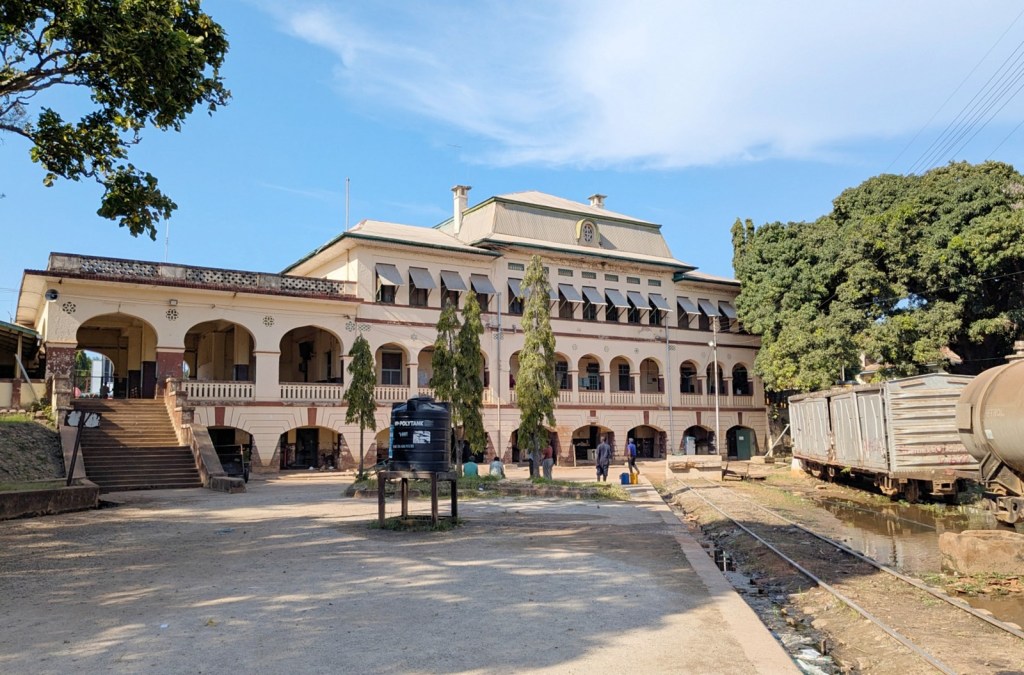


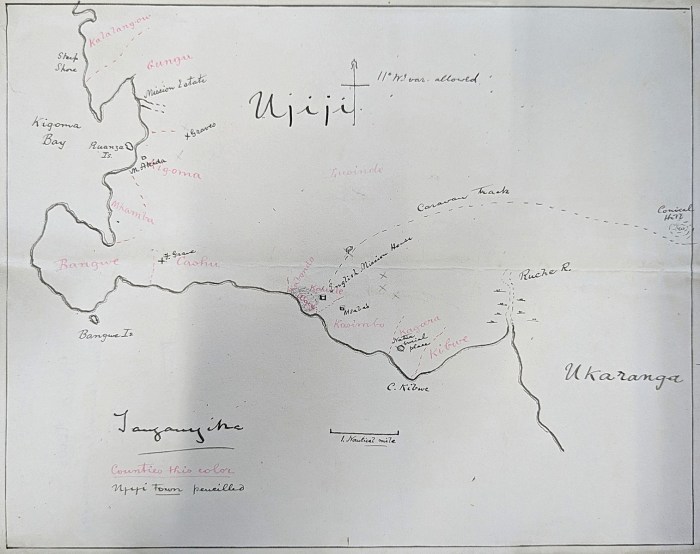

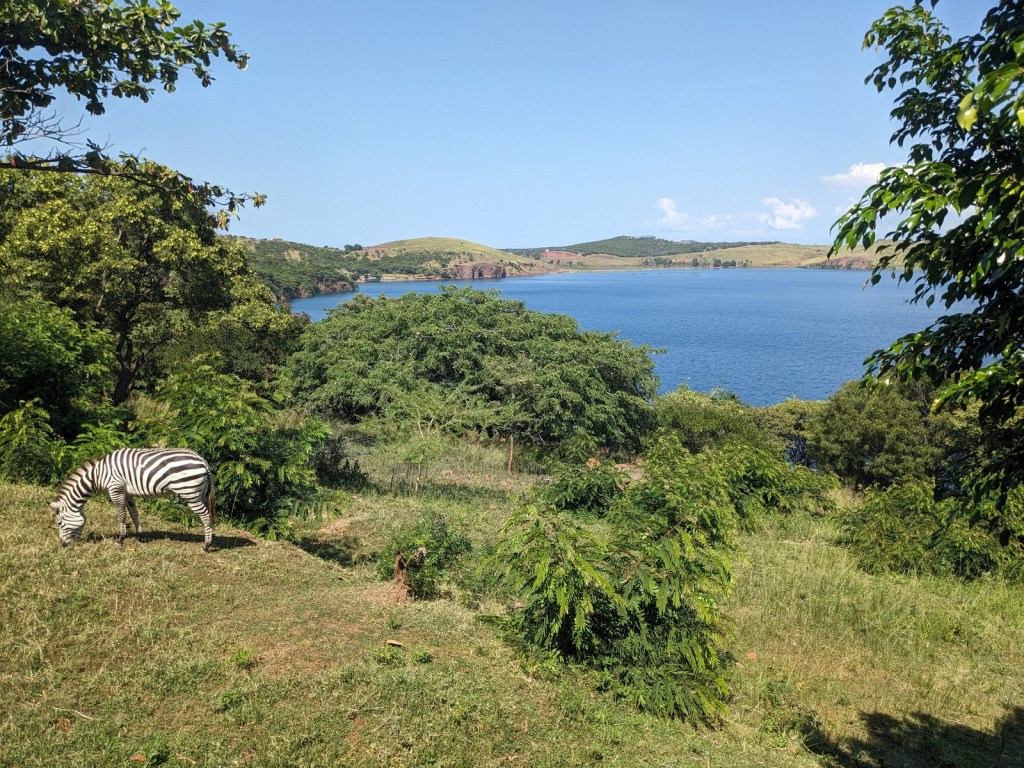
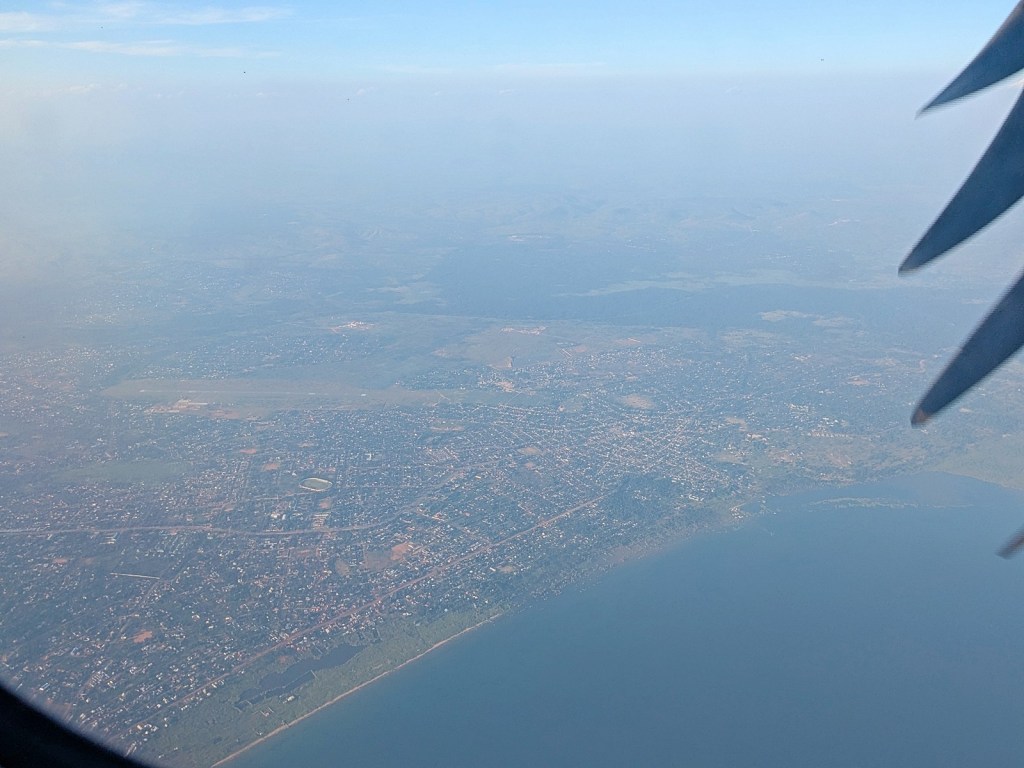

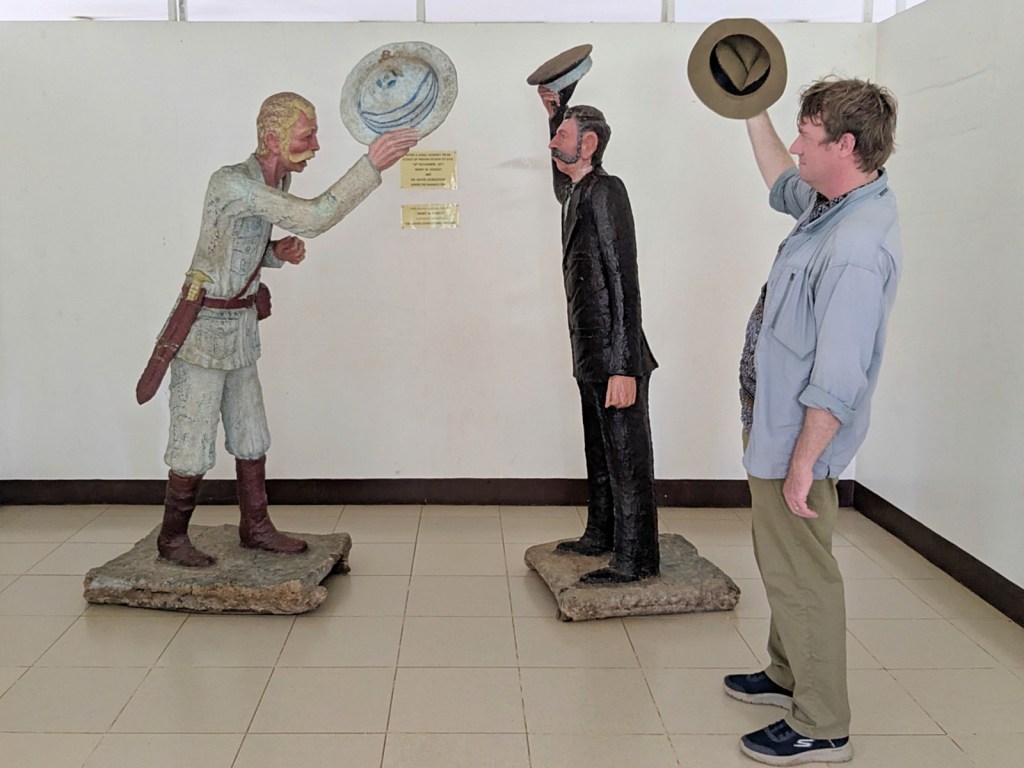


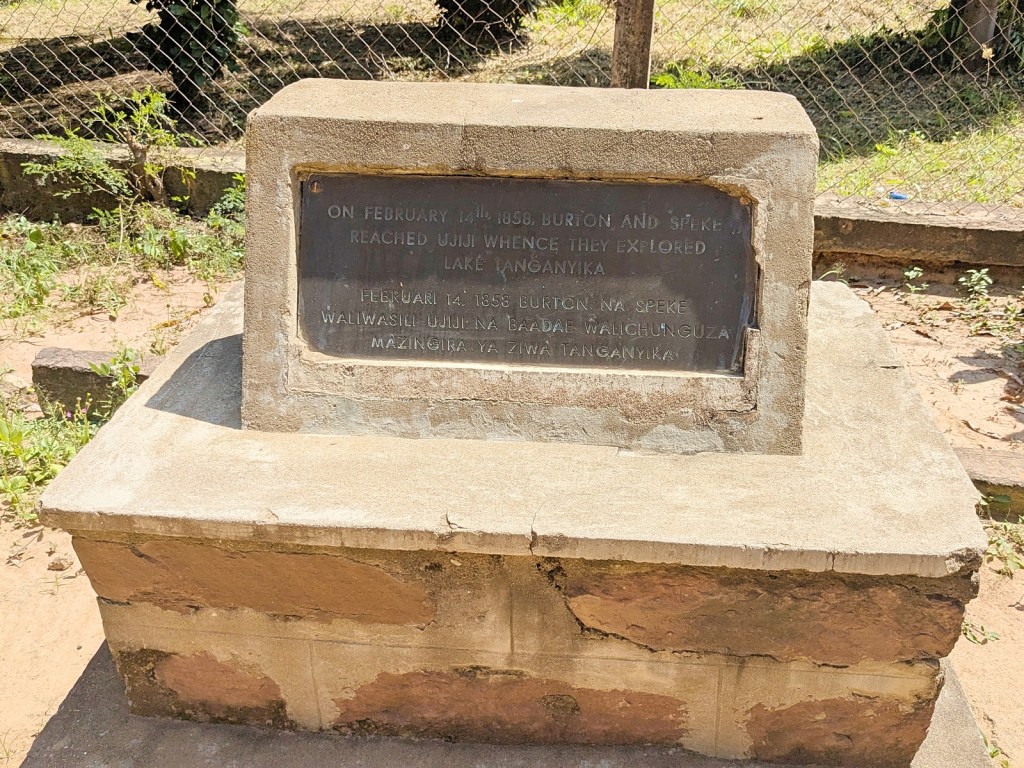


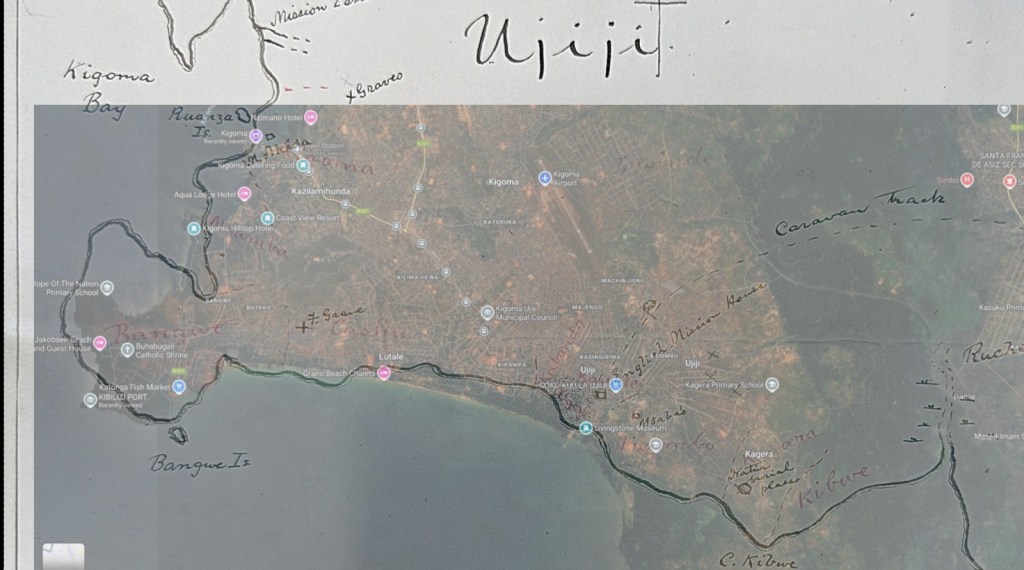

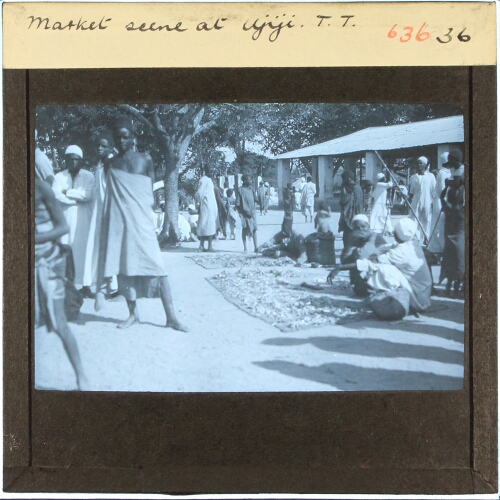


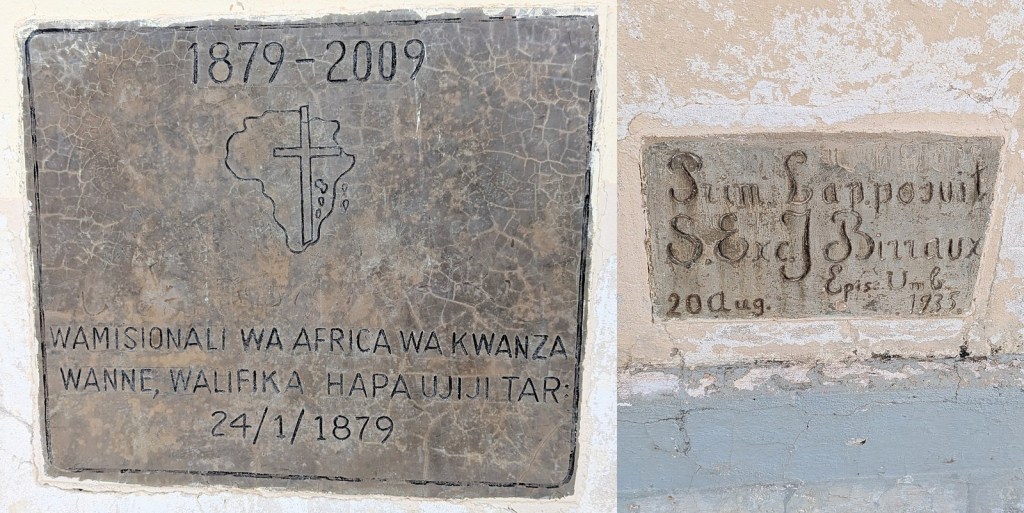
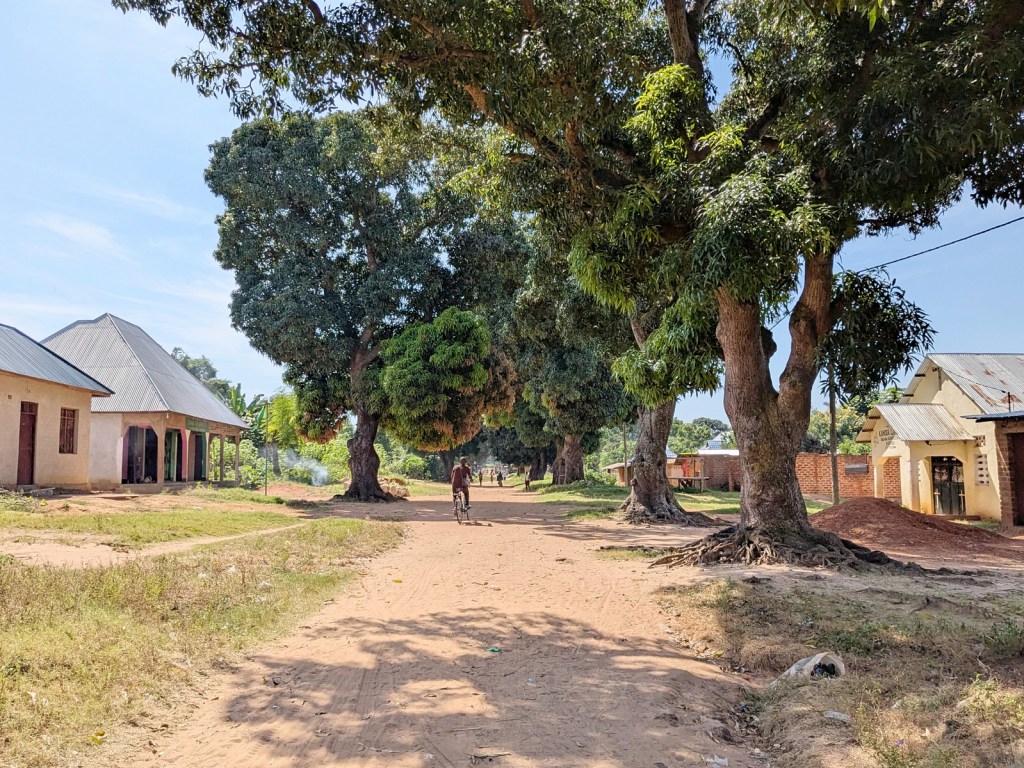
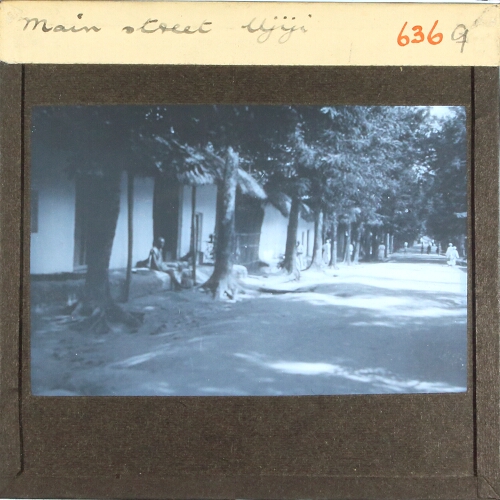
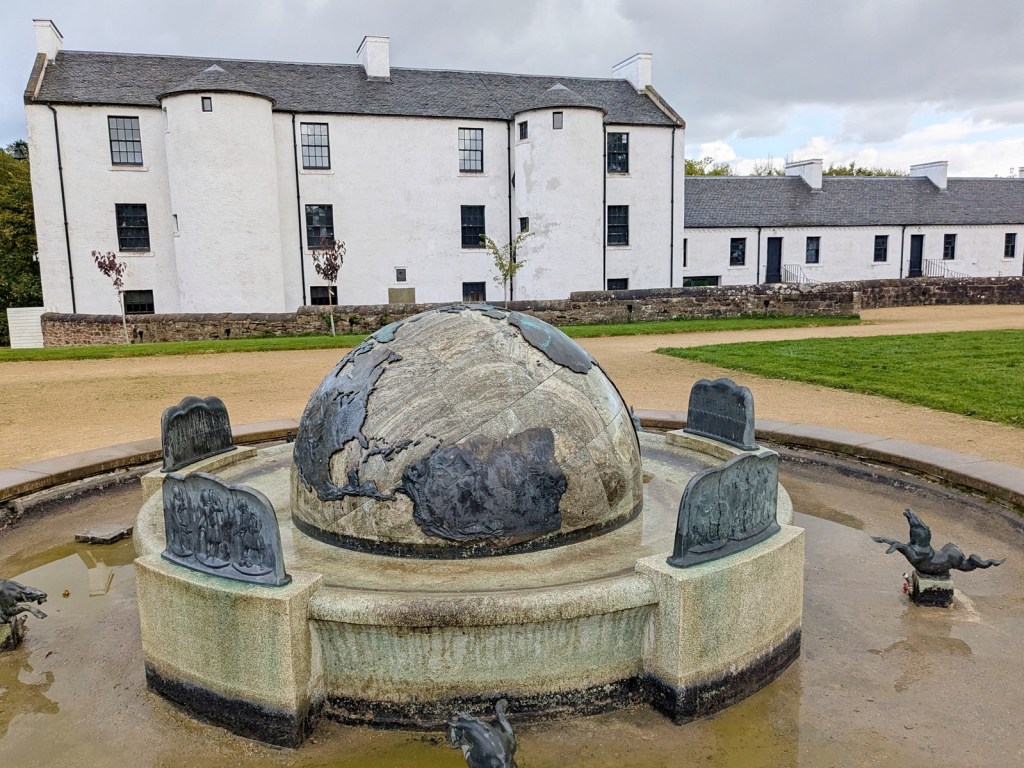
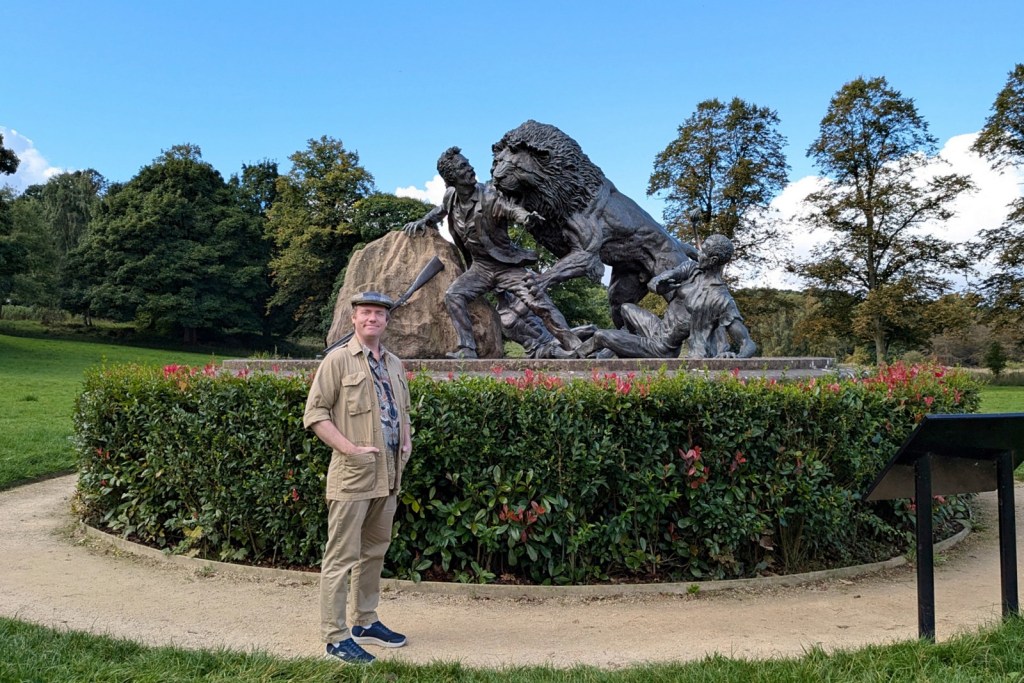
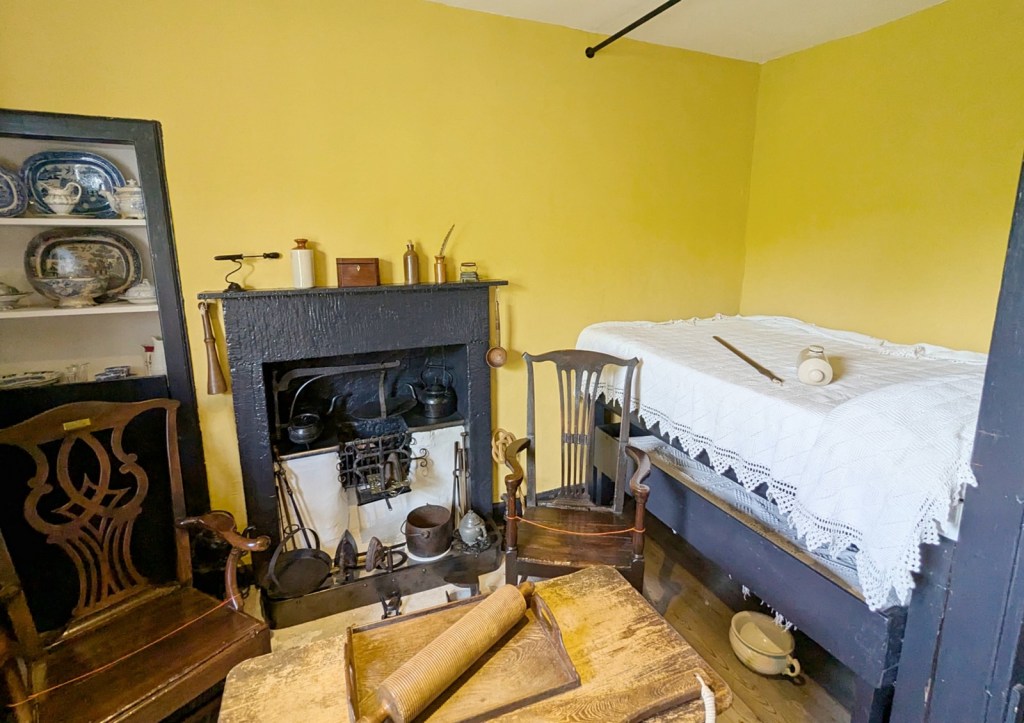

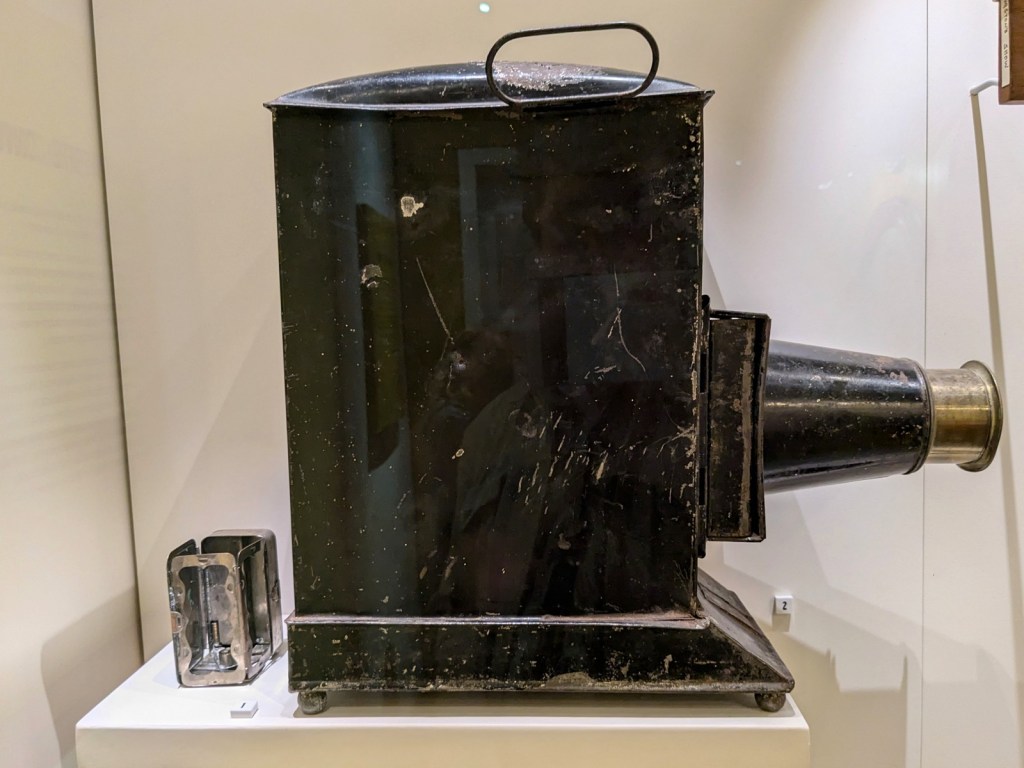


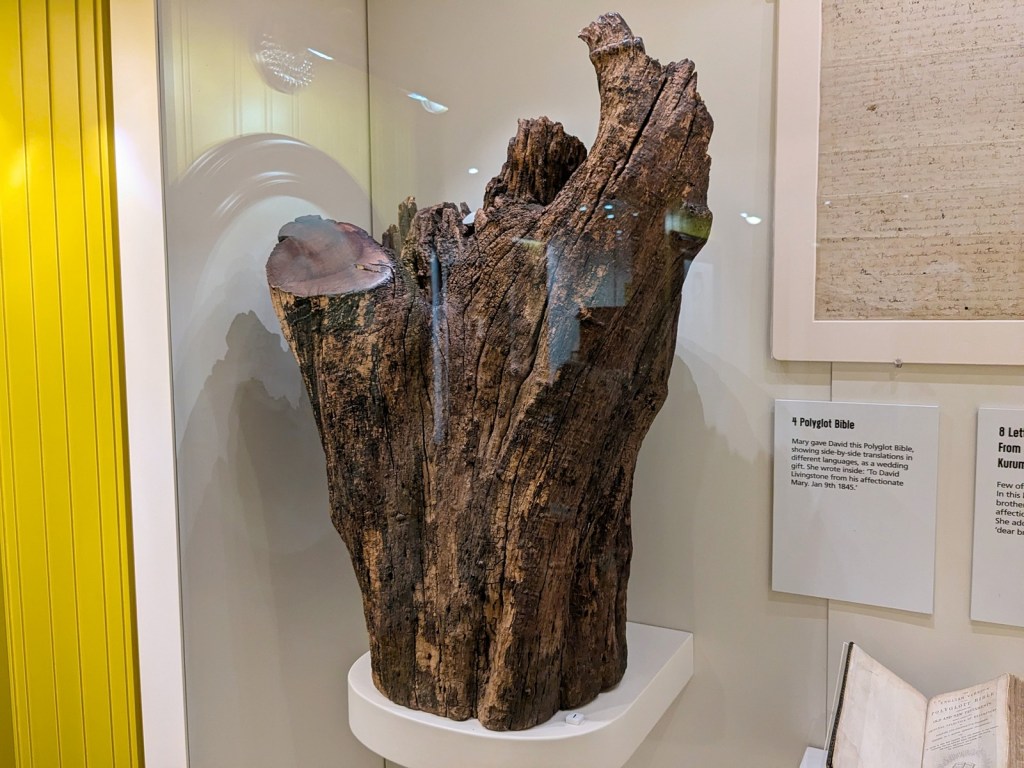
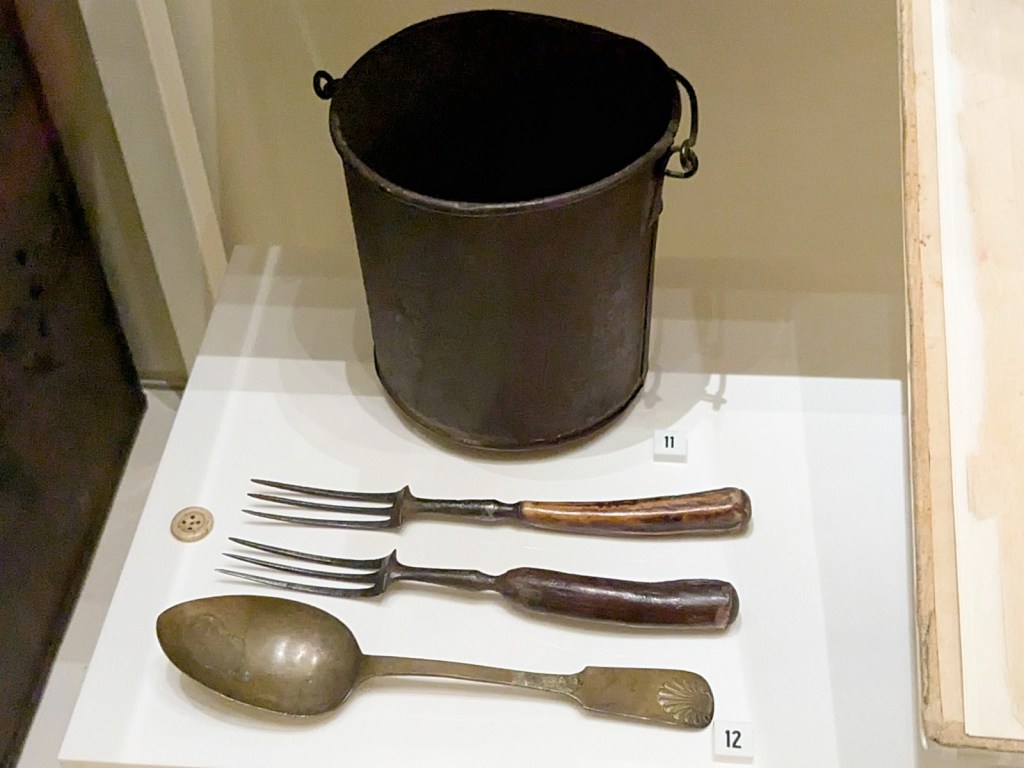

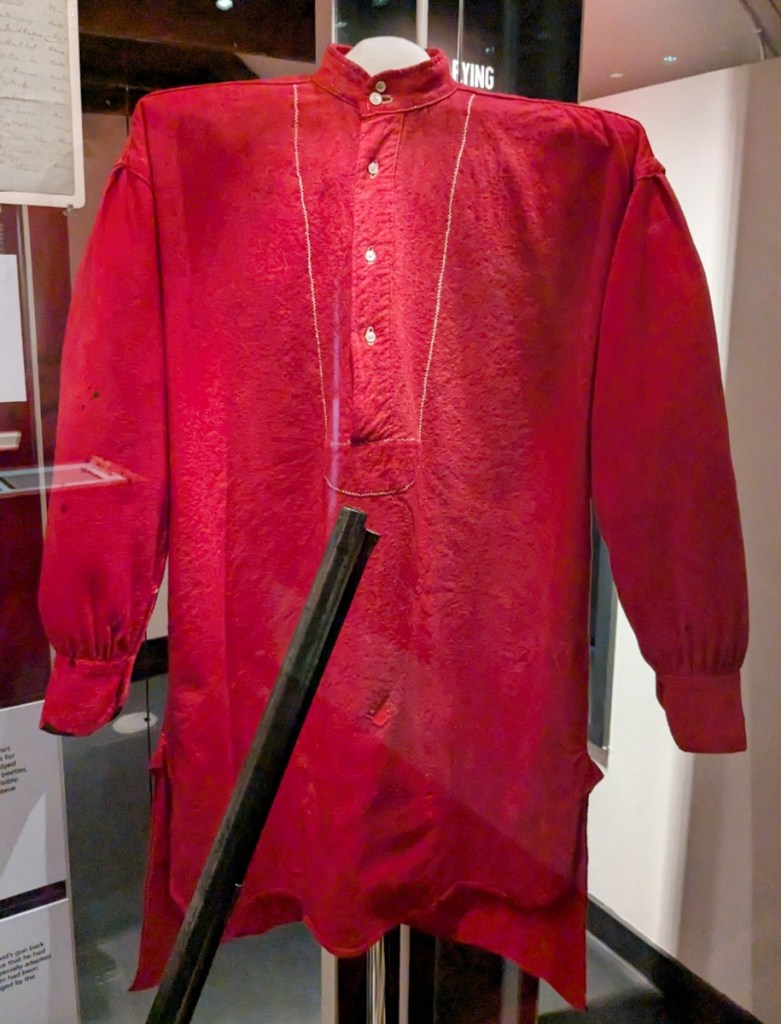
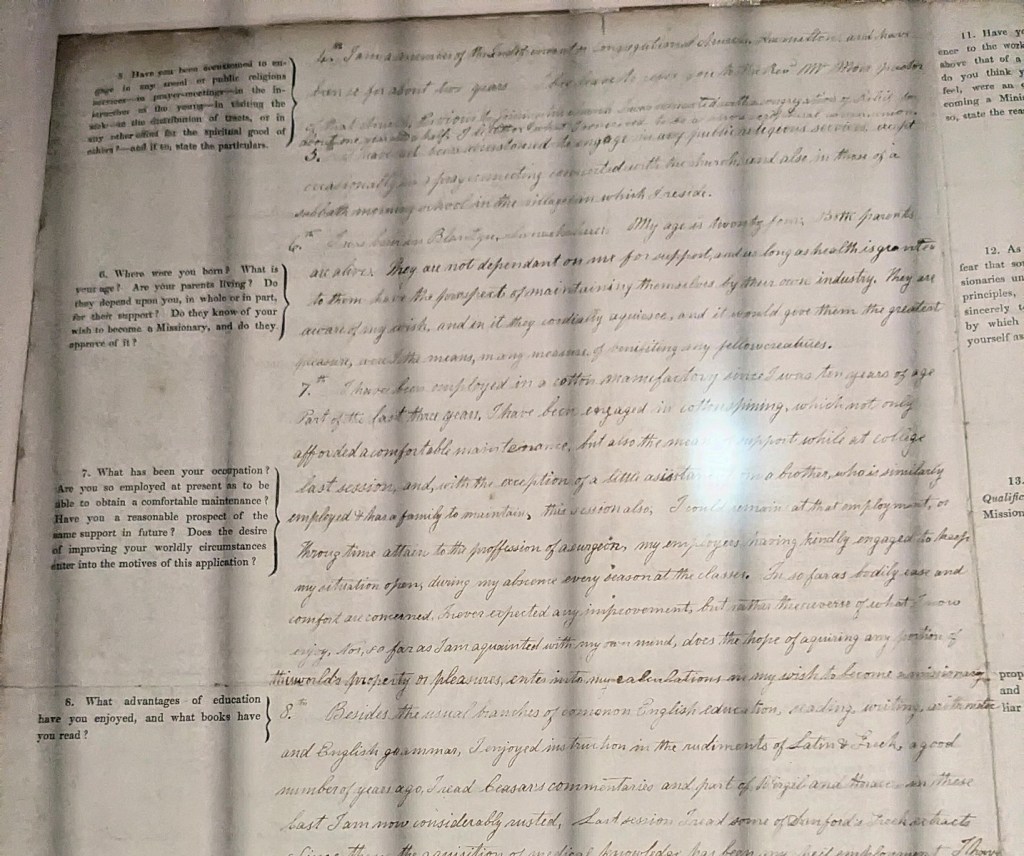


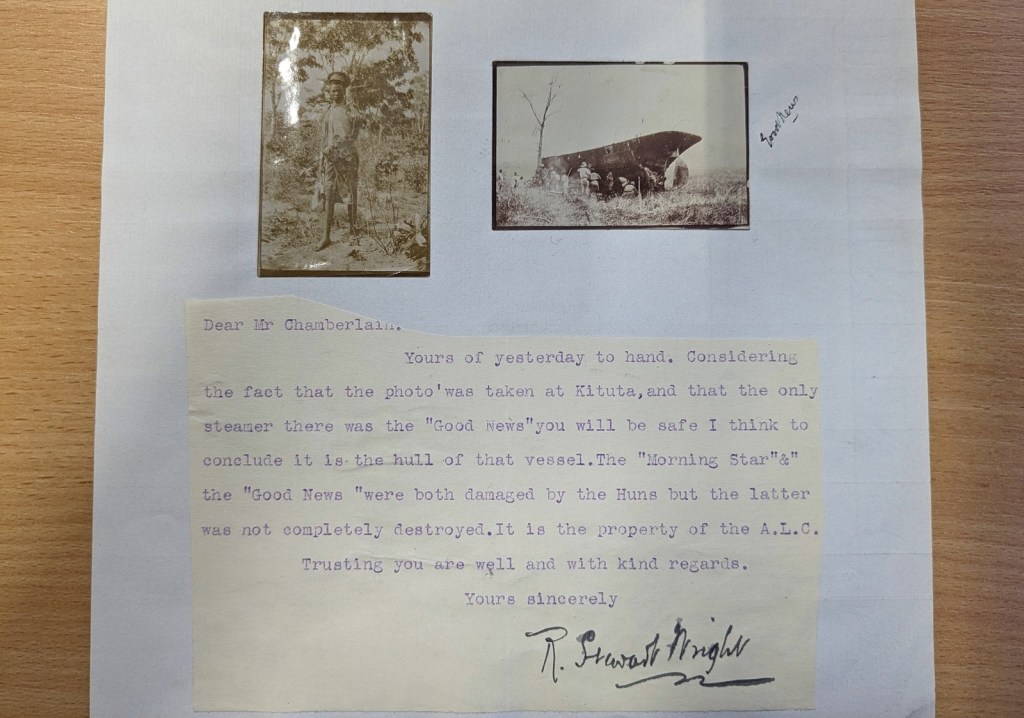

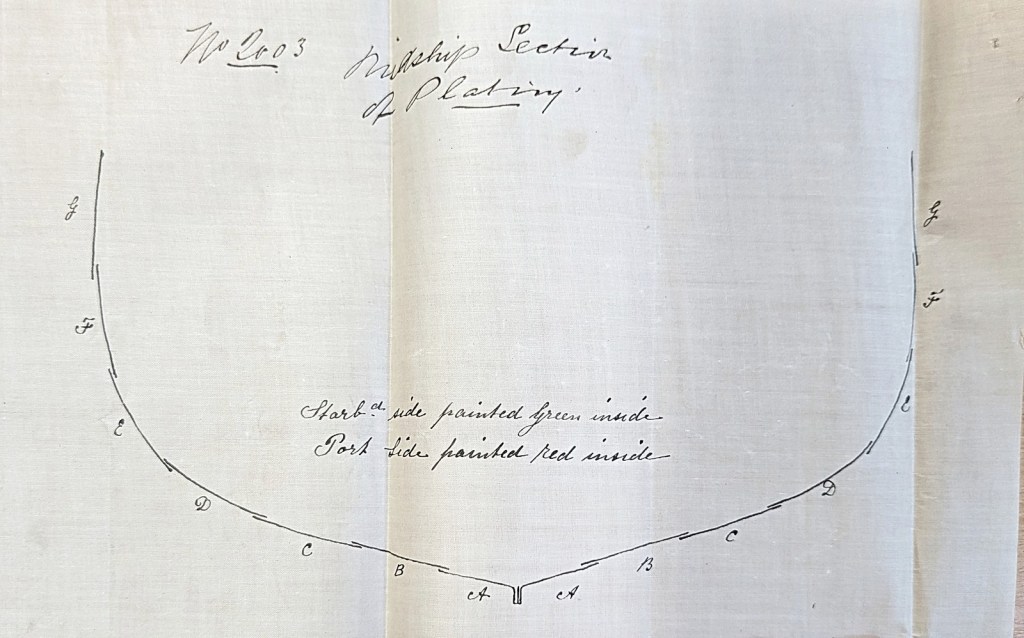
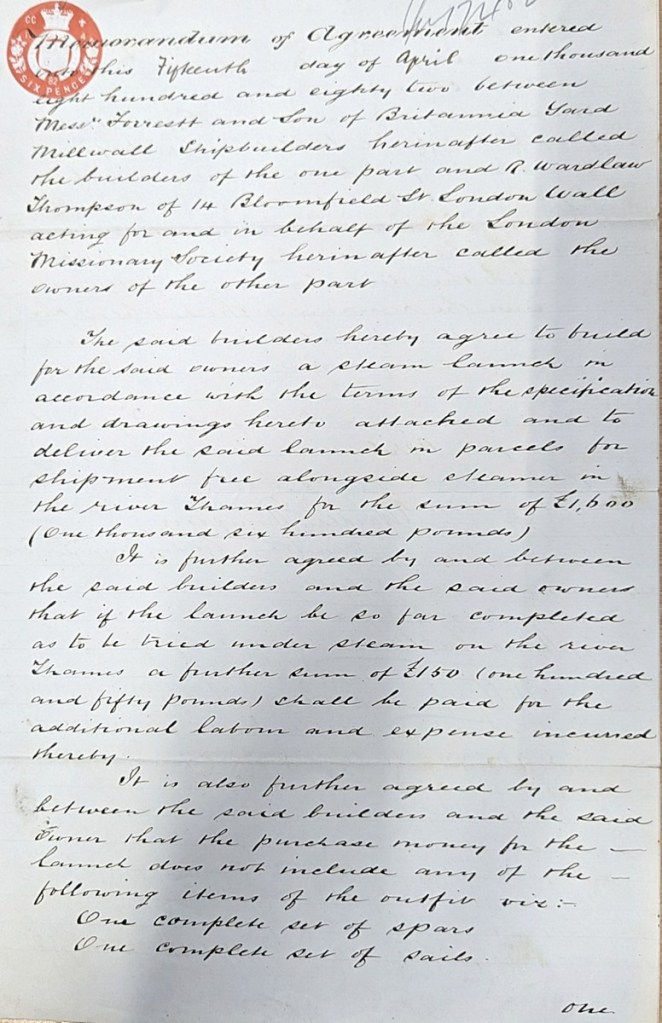

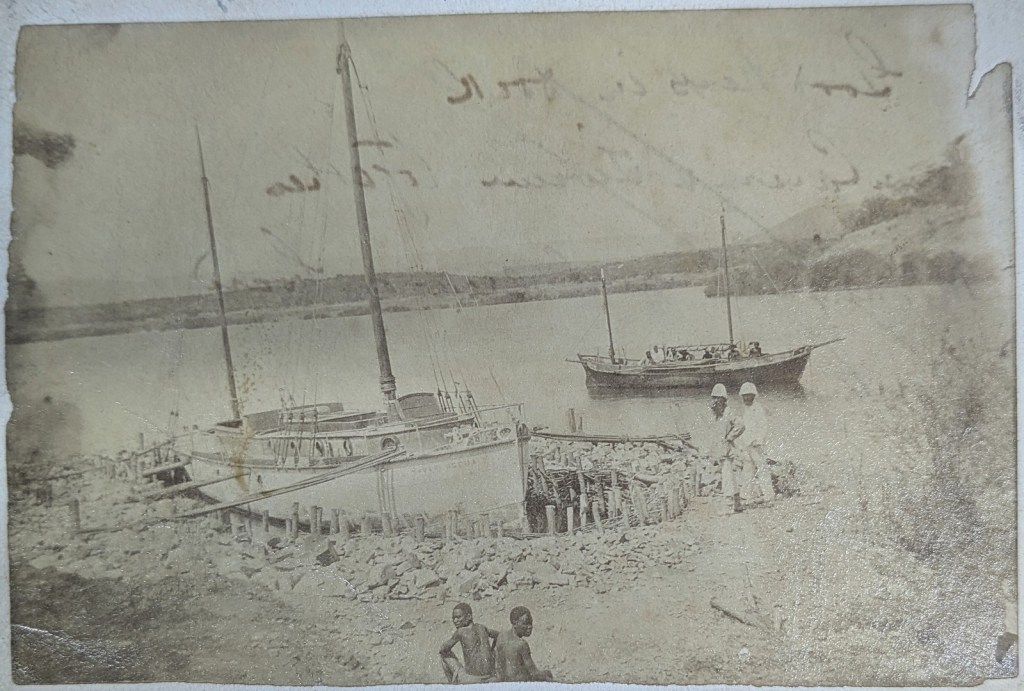
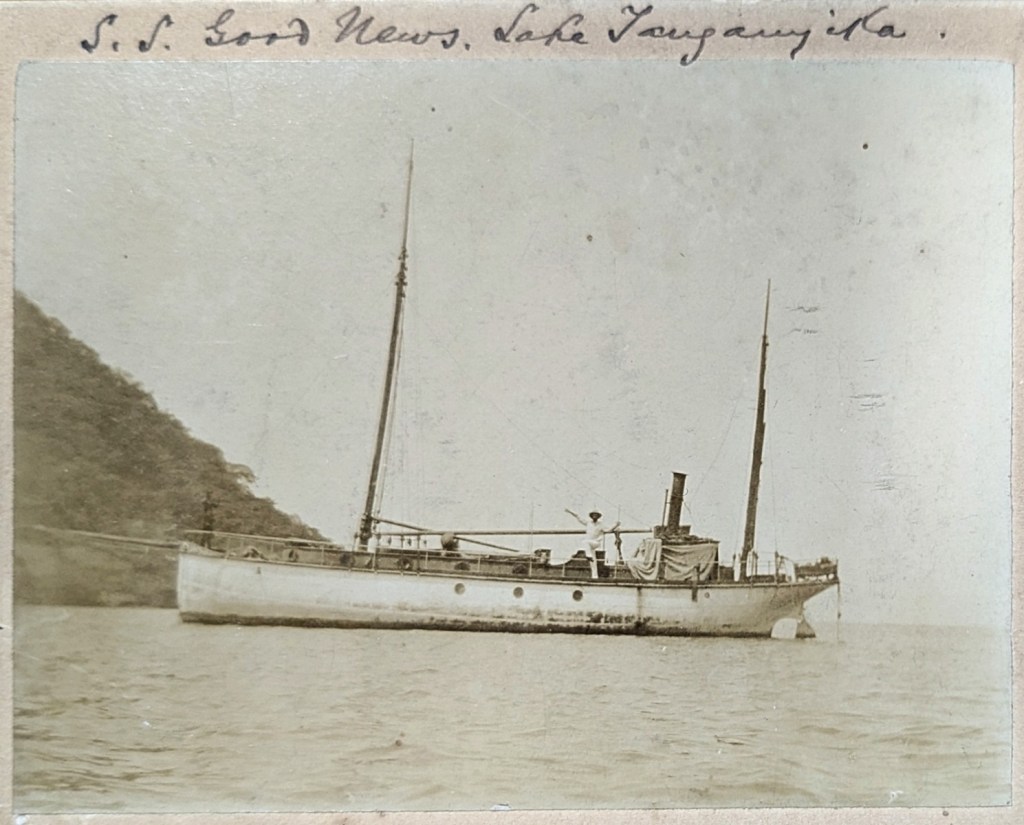


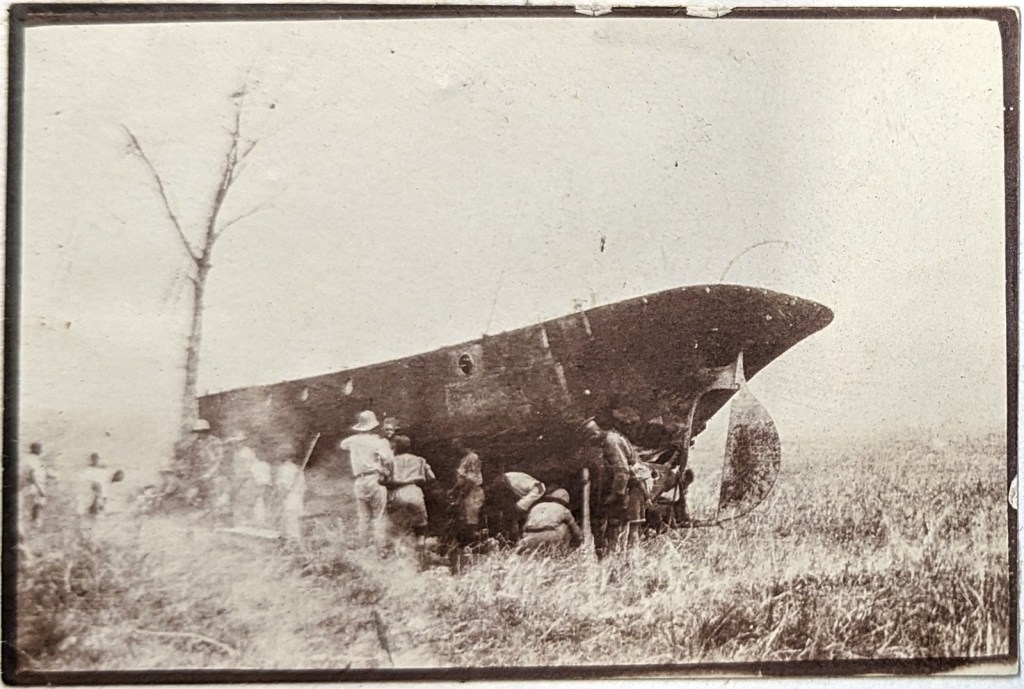

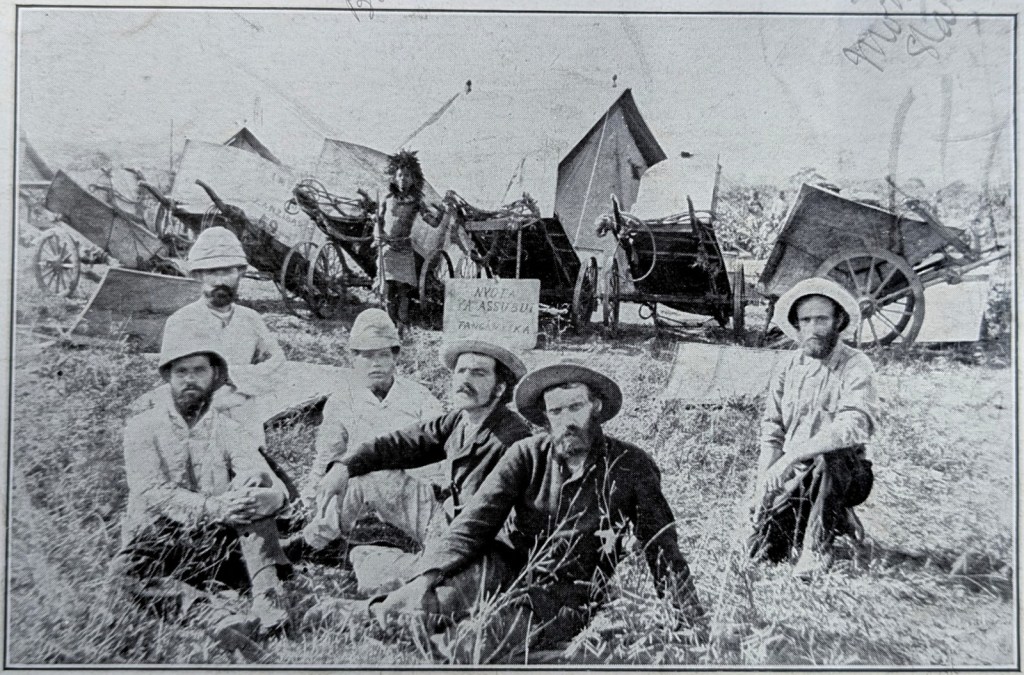
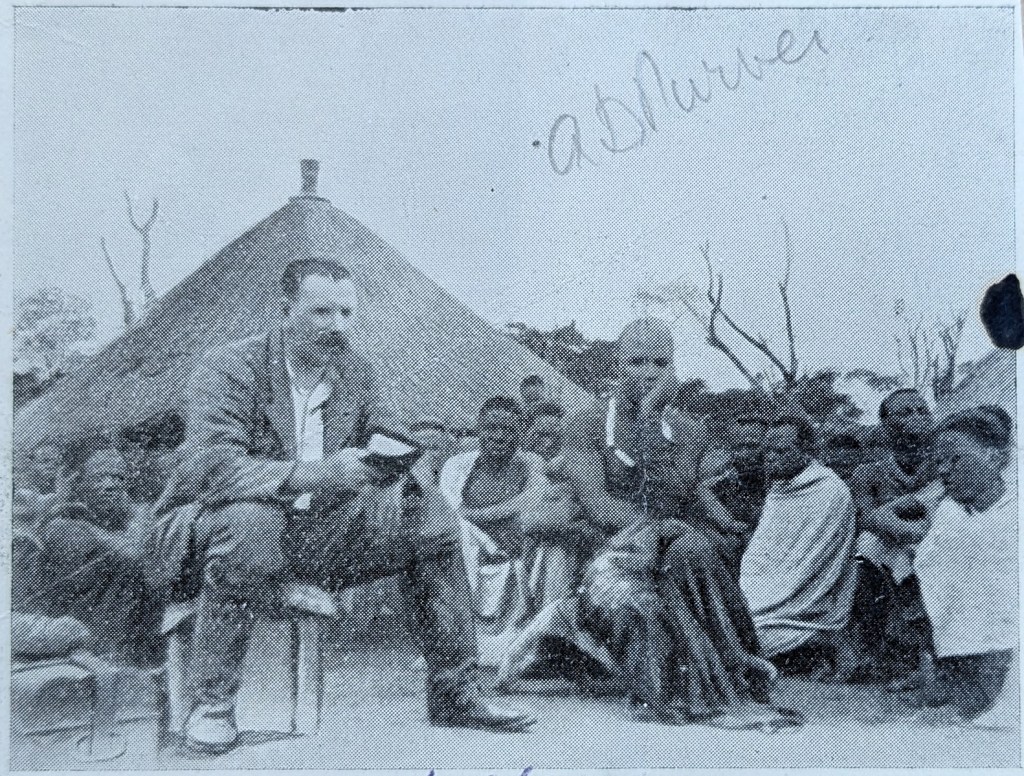
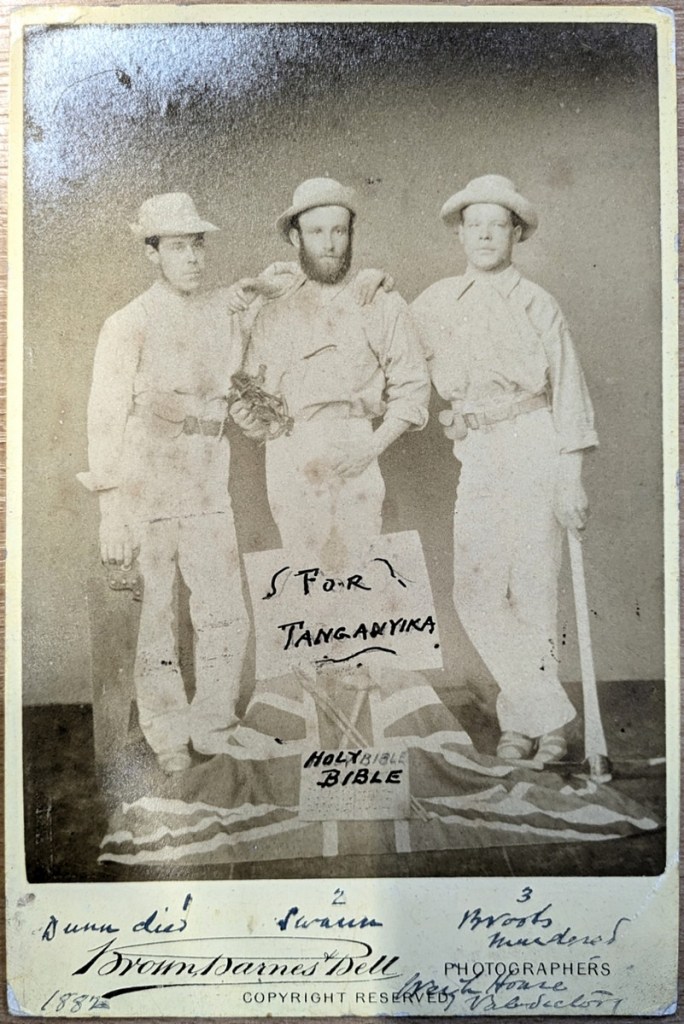
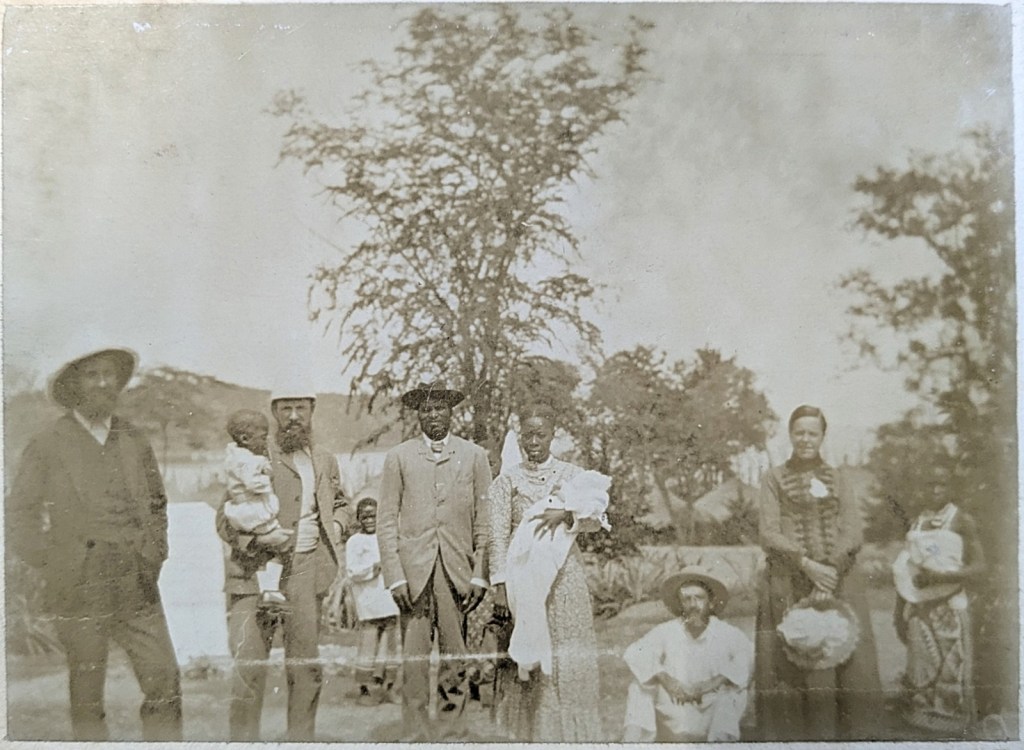


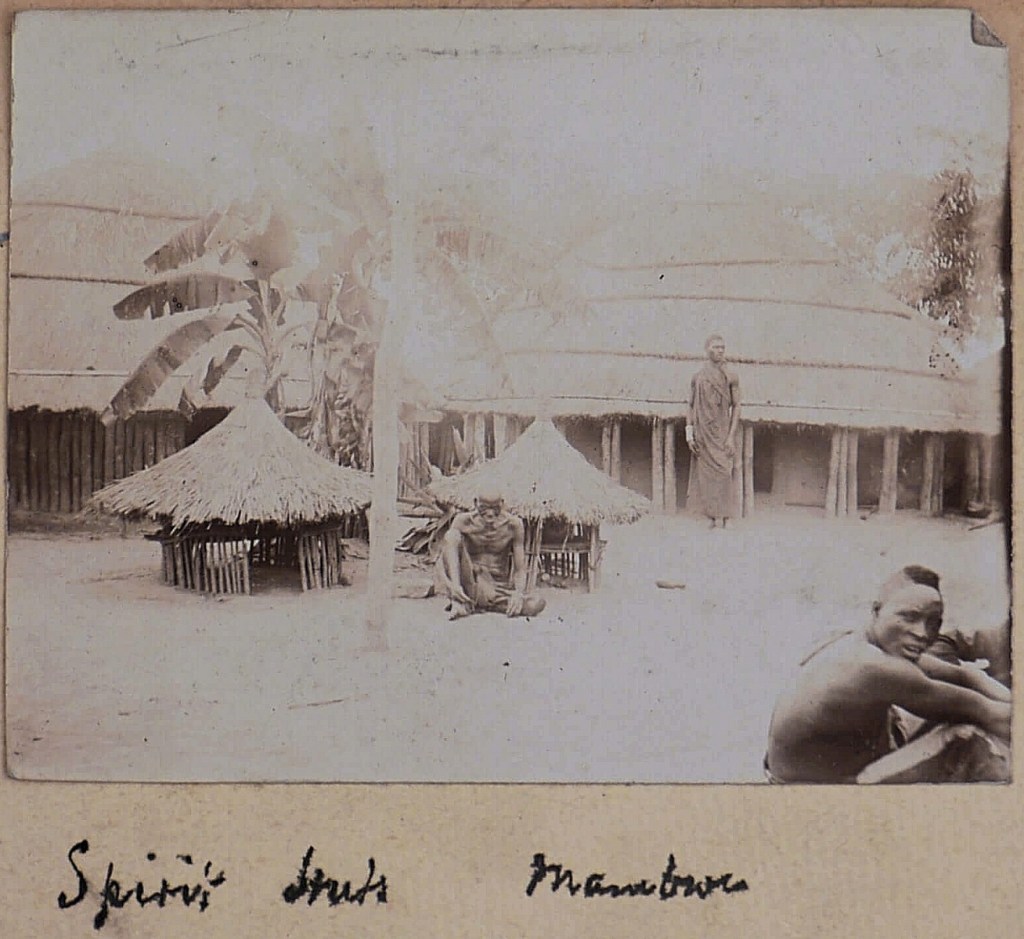
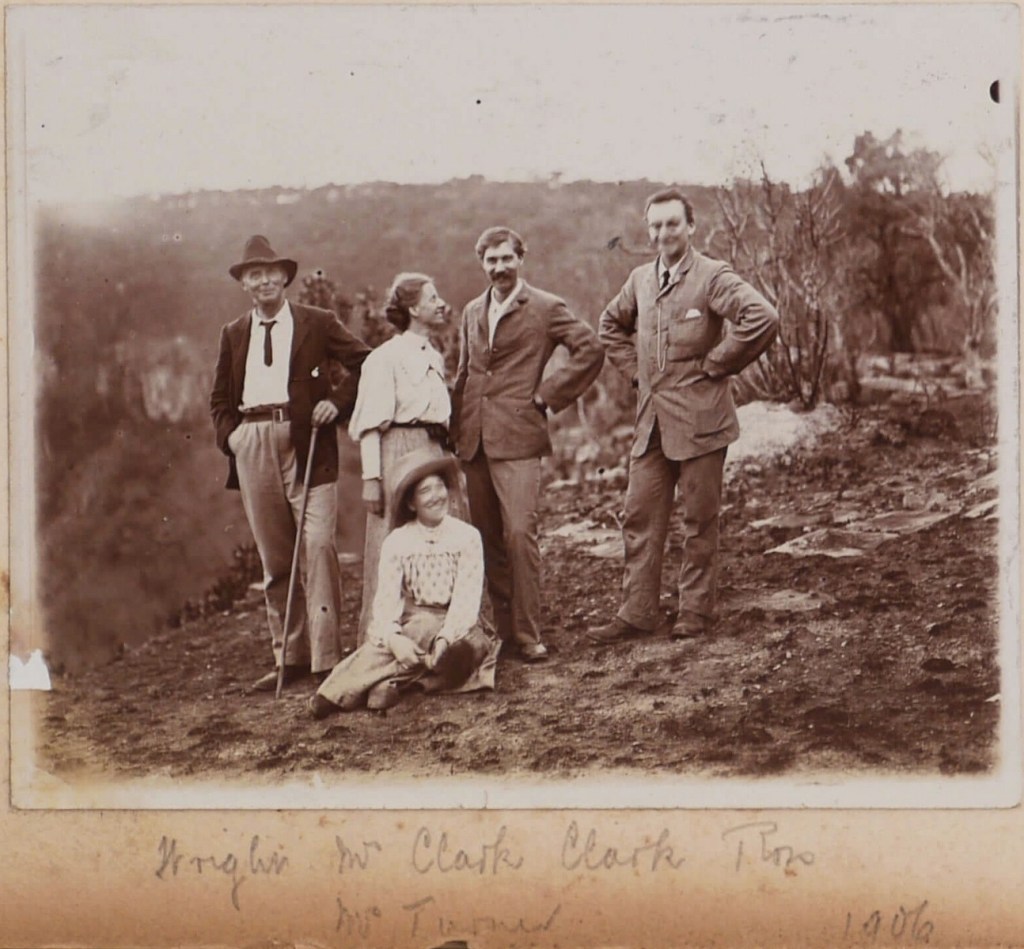

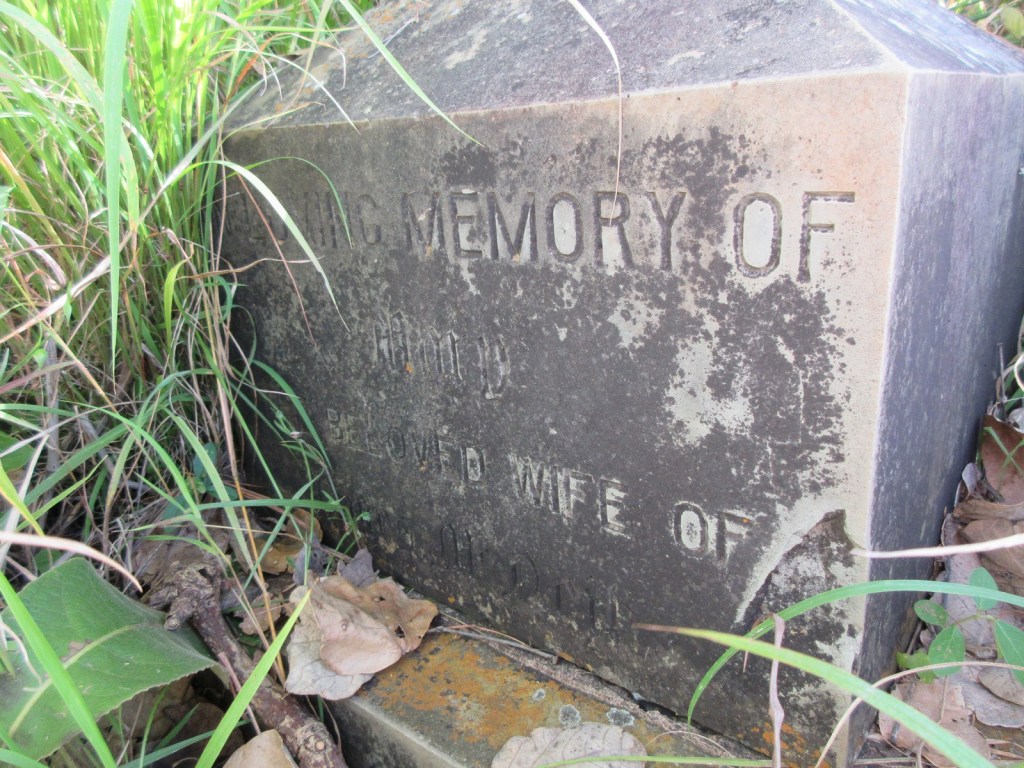
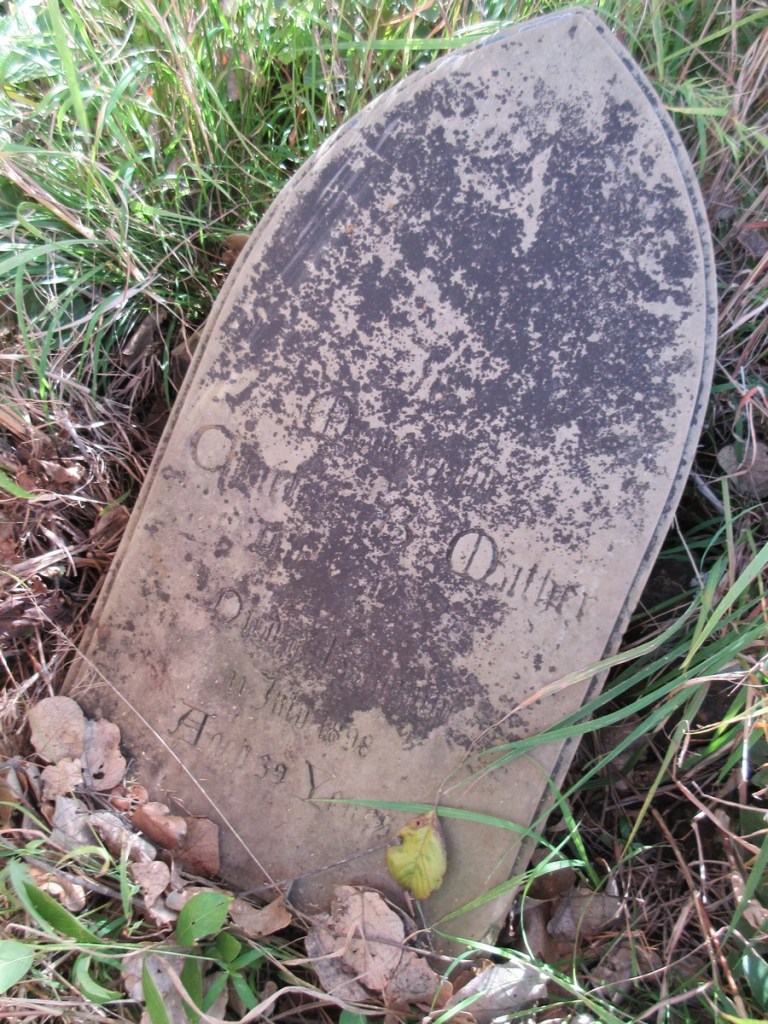
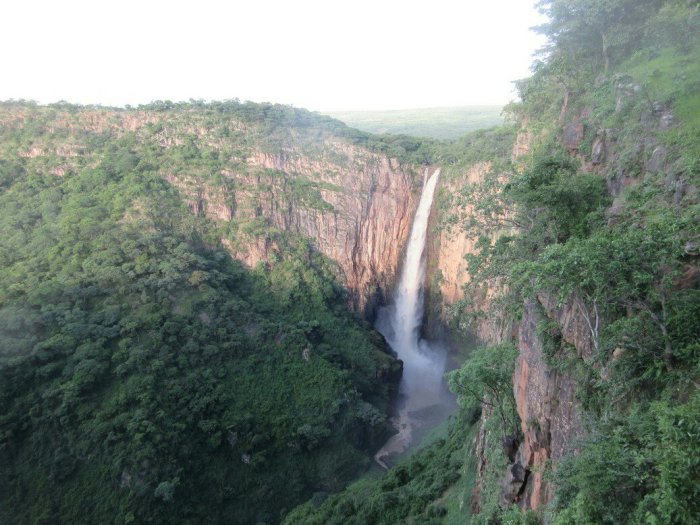


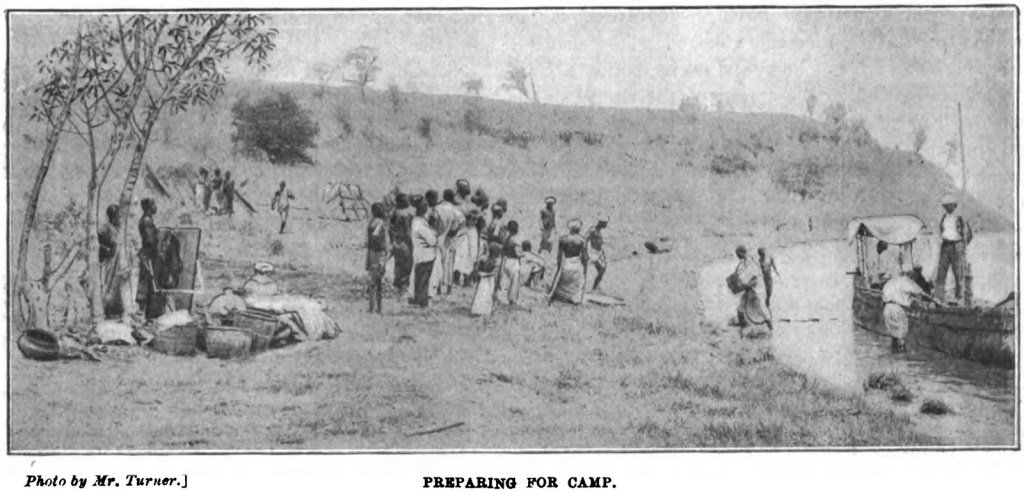
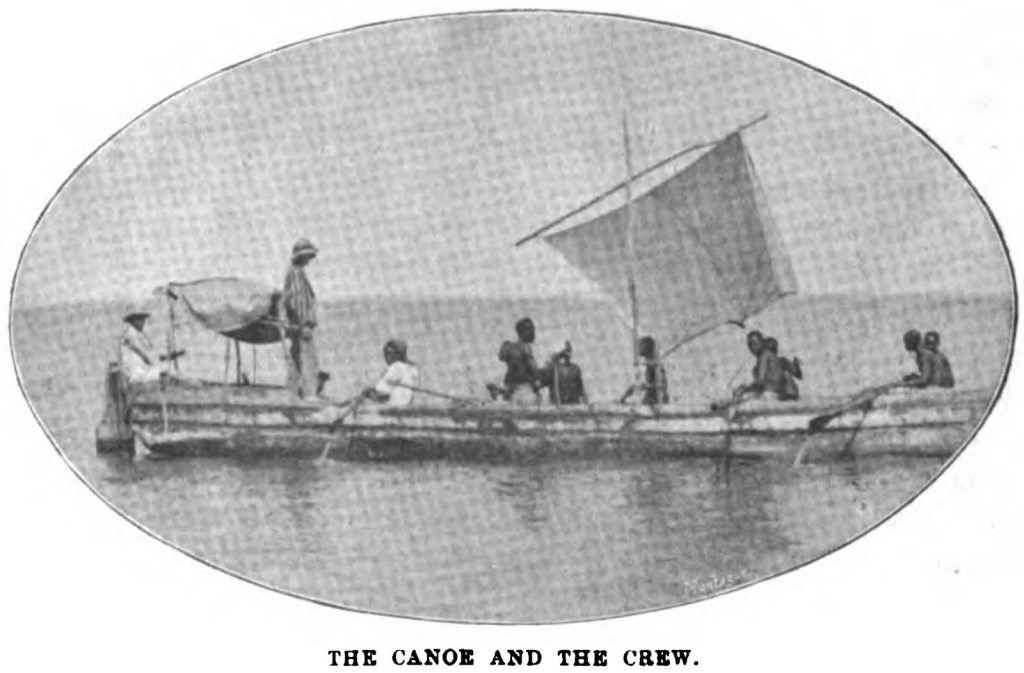

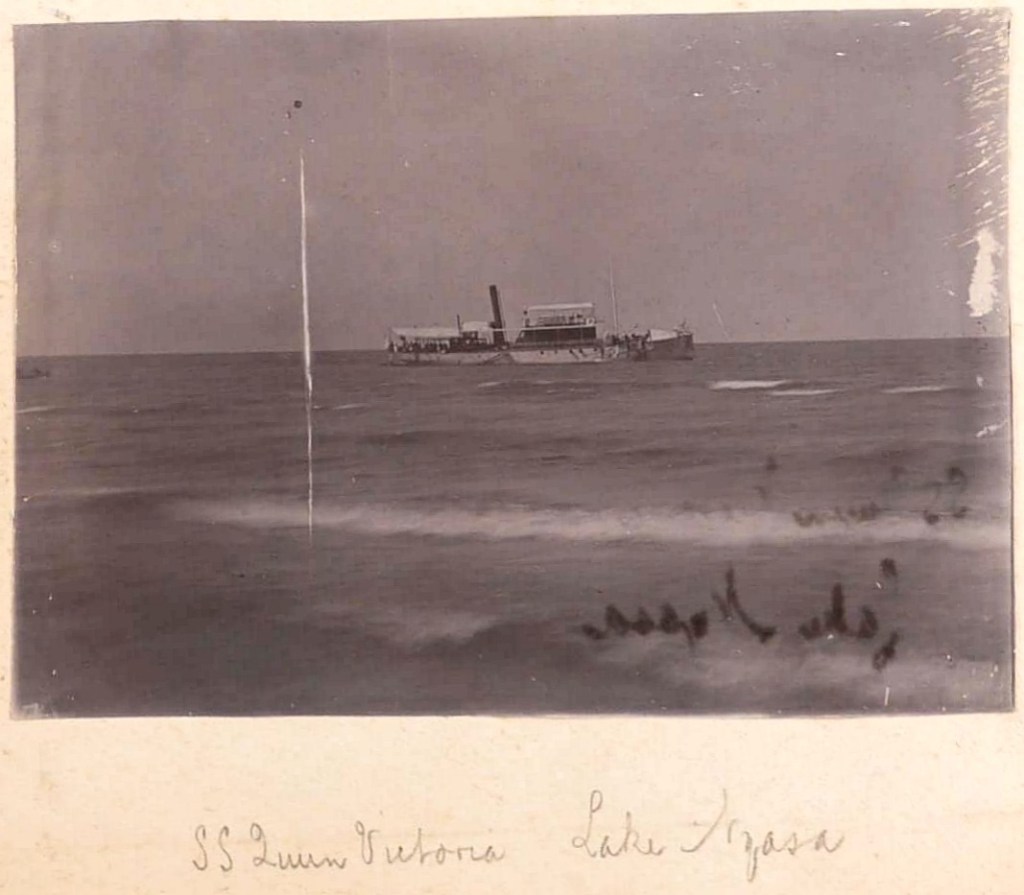

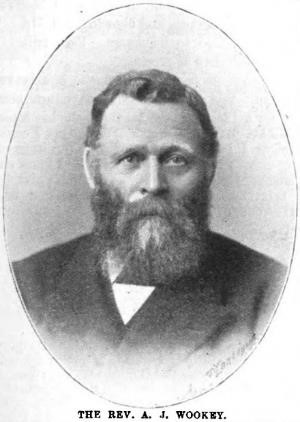

 Pat in the World
You must be logged in to post a comment.