
Reading this Week:
- Lord Jim by Joseph Conrad (I think it would be a lot less interesting for anyone without leadership experience at sea)
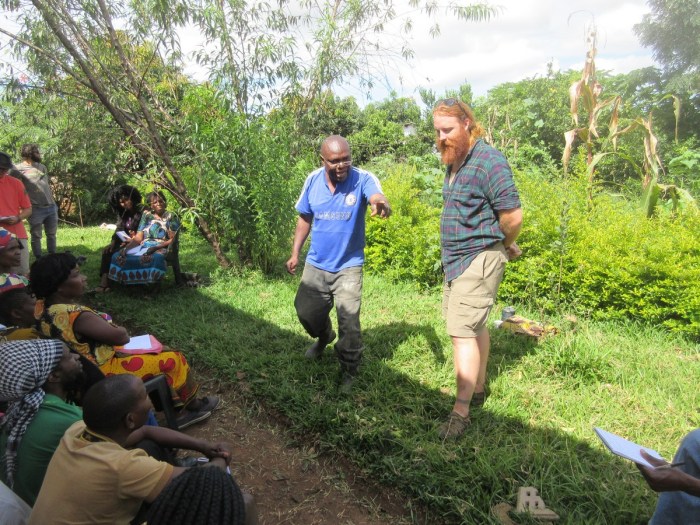
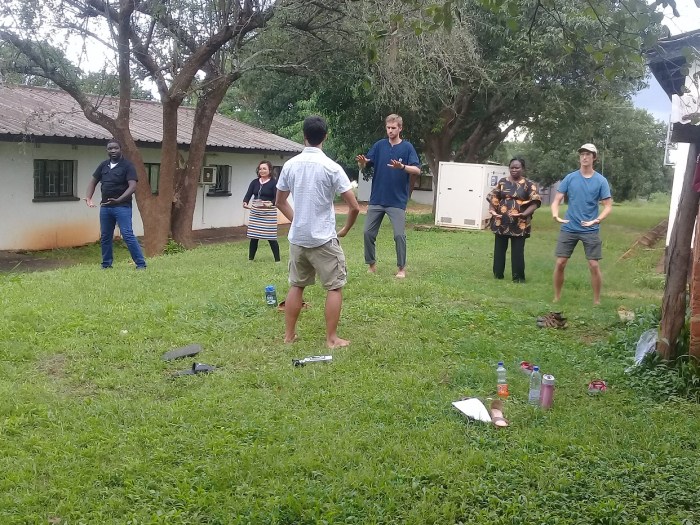
This past week I attended the Animal Husbandry Workshop. I played this workshop a little differently, and instead of inviting someone from my village as a counterpart, I invited a guy I knew from town. He helps out several cooperatives in the area, and I thought of him especially because one of the cooperatives is interested in improved goat production. In my own village, I am hoping to invite him down to do some lessons which are more effective due to his finer understanding of local farming systems, obviously far better local language skills, and the automatic respect Zambian farmers have for other Zambian farmers. He actually showed up, unlike some other counterparts I have had, so there is that as well.
The biggest thing I think in any of these workshops isn’t so much the actual information we deliver via lecture, but the opportunity for the counterparts to see different examples of farming systems away from their own community. You can talk a lot about how to set up a farming system but it is way better just to show it to someone. We spent most of the week at Misamfu Agricultural Research Station, a facility operated by the Zambian government down near Kasama. They keep a variety of animals there, and also have a host of improved agricultural practices.

Counterparts crowded around a goat house.
On the animal side at Misamfu we mostly learned about goats and chickens. They had a rather large chicken production facility, and they also had a large goat setup. Their stuff is all very nice and represents the sort of ideal of animal raising, but it is all very achievable in a village setting. That is especially true if a farmer starts small and works their way up.
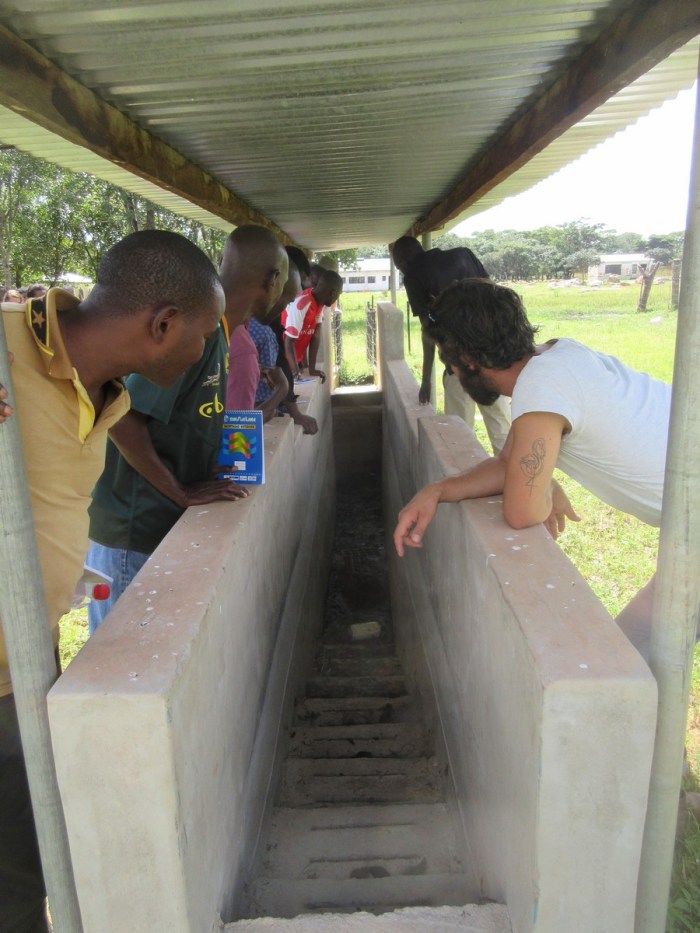
A (currently dry) dip tank used to get rid of pests from goats.
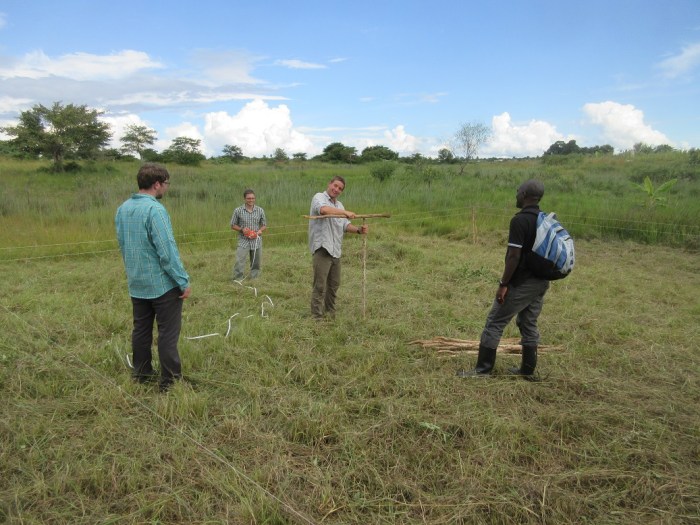
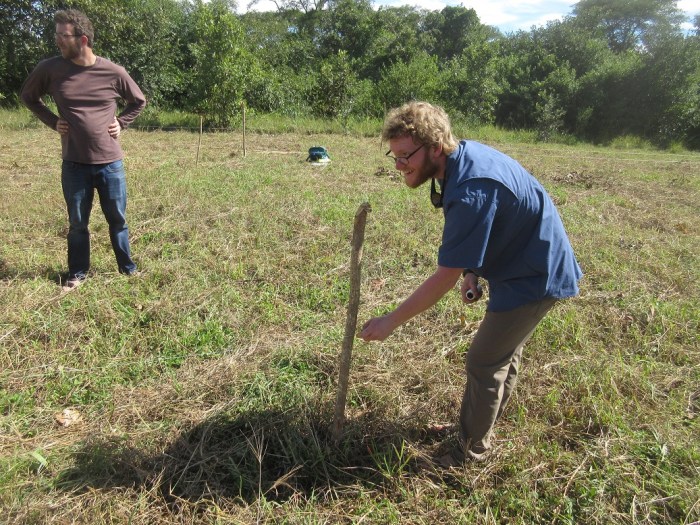
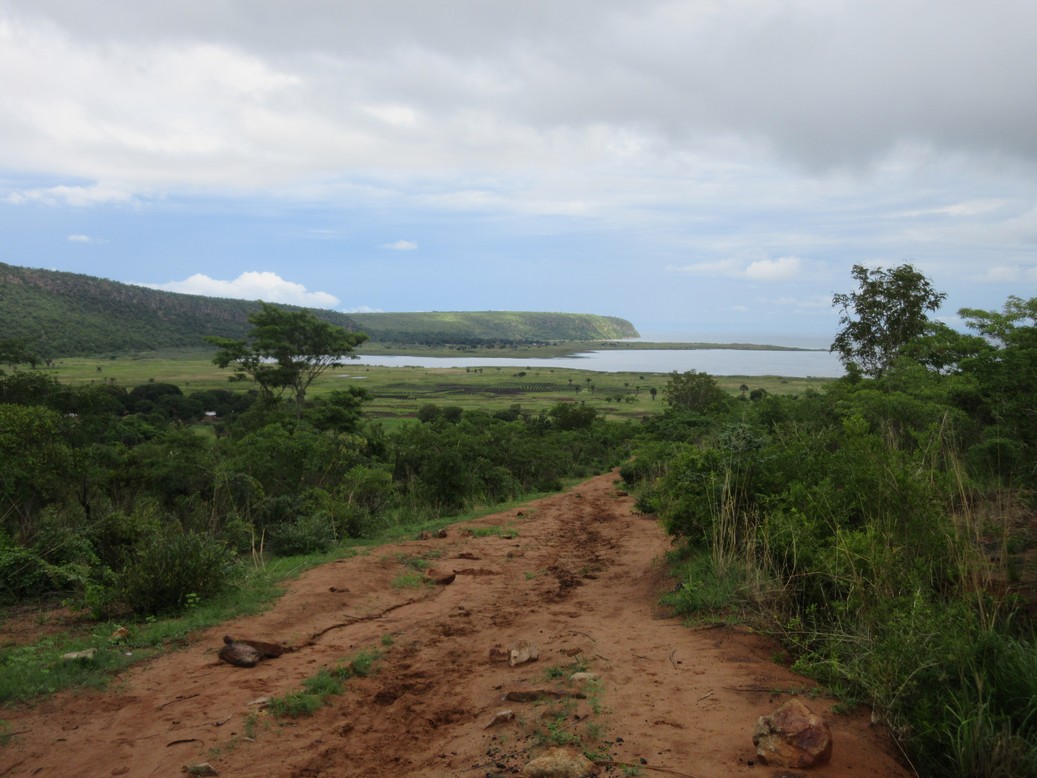
Besides the animals at Misamfu, we talked about conservation farming practices. I was disappointed to learn most of the conservation farming practices they use are more ideal for flat land, which doesn’t describe any of the land near me in Mbala. The whole area up there is a series of valleys are you descend toward Lake Tanganyika, itself a Great Rift Valley, uh, valley that is just filled with water. Still, the techniques they teach about intercropping and the concepts of improving the soil via green manure and compost are still very applicable.
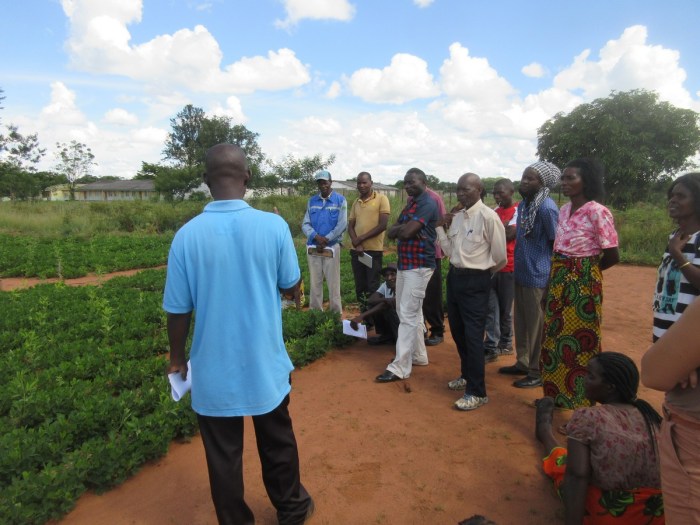
A conservation farming test plot. Here they were growing groundnuts and pigeon pea together using conservation farming techniques.
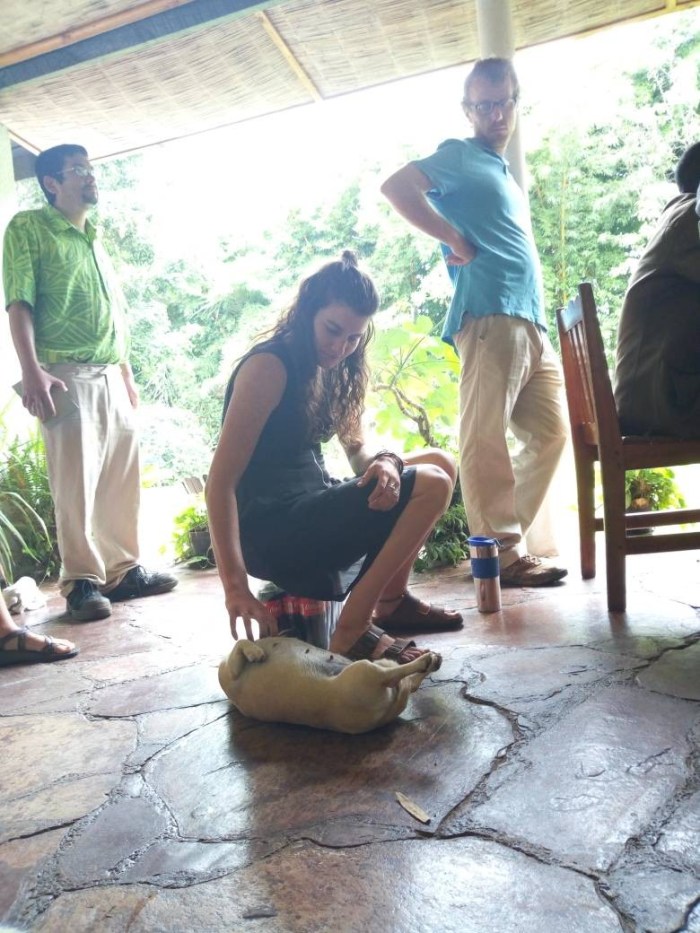
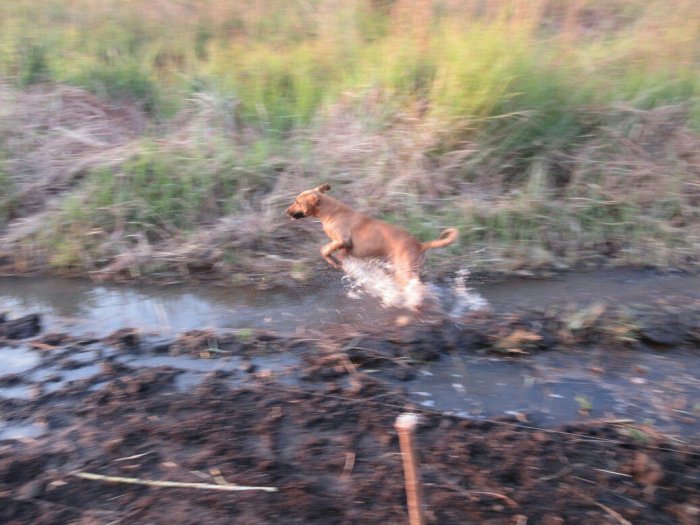
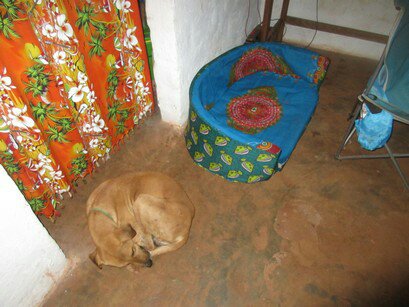
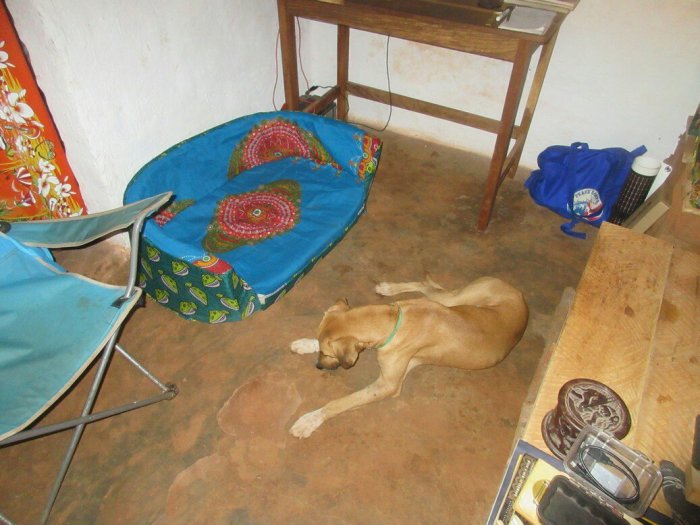
Besides Misamfu, we also visited a lodge in Kasama. The draw there was officially the fact that they keep bees, but they also have several extremely cute dogs that are hungry for attention.
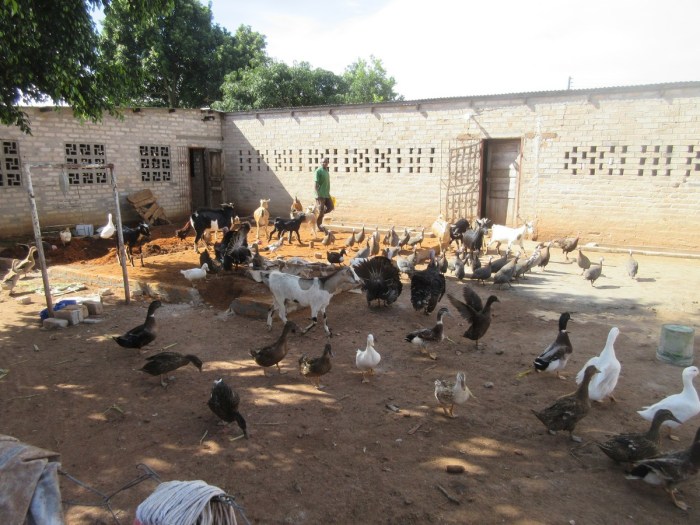
The other exciting place we went was to Mr. Siame’s farm. “Farm” is a bit of a misnomer; he has a small plot of land, but he uses some very intensive farming techniques, along with integration, to produce a whole lot in just a little space. He keeps a variety of animals, including ducks, turkeys, guinea fowl, chickens, goats, pigs, and rabbits. They are all right next to his house on one side.
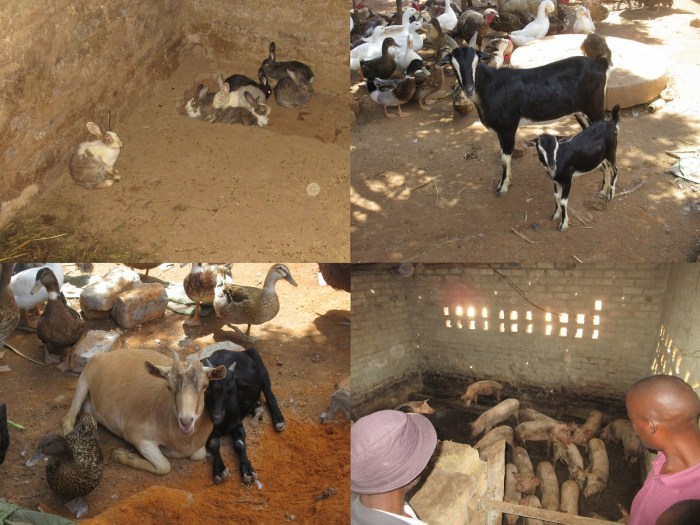
Even more exciting for me, which I kept pointing out to people, is the garden he keeps on the other side of his house. The garden is in close proximity to the animals, which means it is easy for him to use animal manure as fertilizer. And, in turn, it is easy for him to use the products of the garden to help feed his animals. The garden is beautifully set up, with a live fence/hedge, followed by the actual garden area, and then lined entirely with various types of fruit trees. That is a whole wide range of food products right in his own back yard, providing different types of food at different times throughout the year. It’s pretty awesome. And although he is retired now, he was doing much the same thing back when he was a full time teacher! He was so passionate about his work and the things he did that I really hope it inspires a lot of the counterparts to at least start toward something similar.
Mr. Siame with his awesome garden in the background.
I am really glad I got to go to the Animal Husbandry Workshop this year. I got to see a lot of examples of different ways to implement and combine agricultural systems and the counterparts had great discussions on raising animals, integration, and also HIV. I can’t wait to convince some people to raise more animals, better.





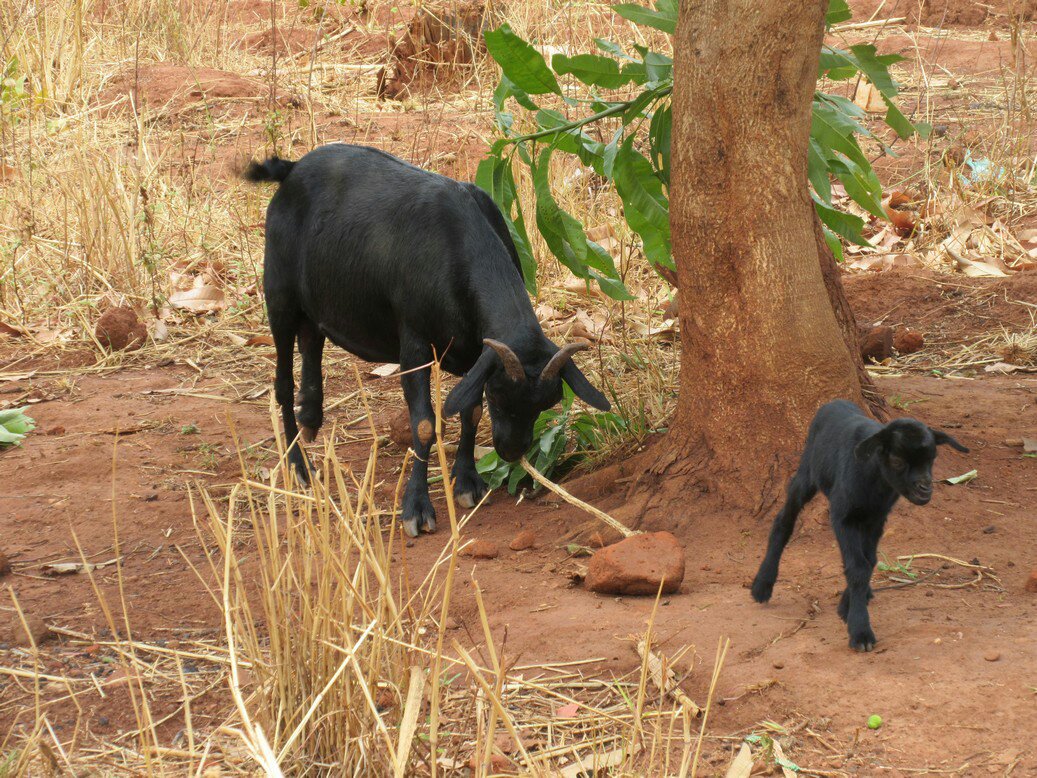
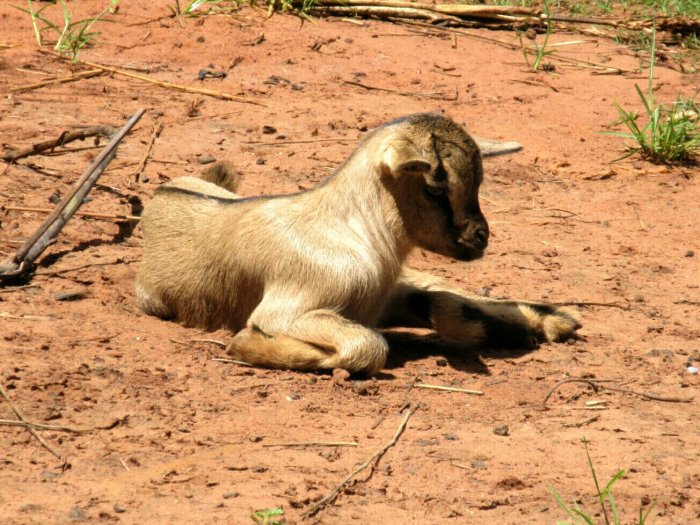
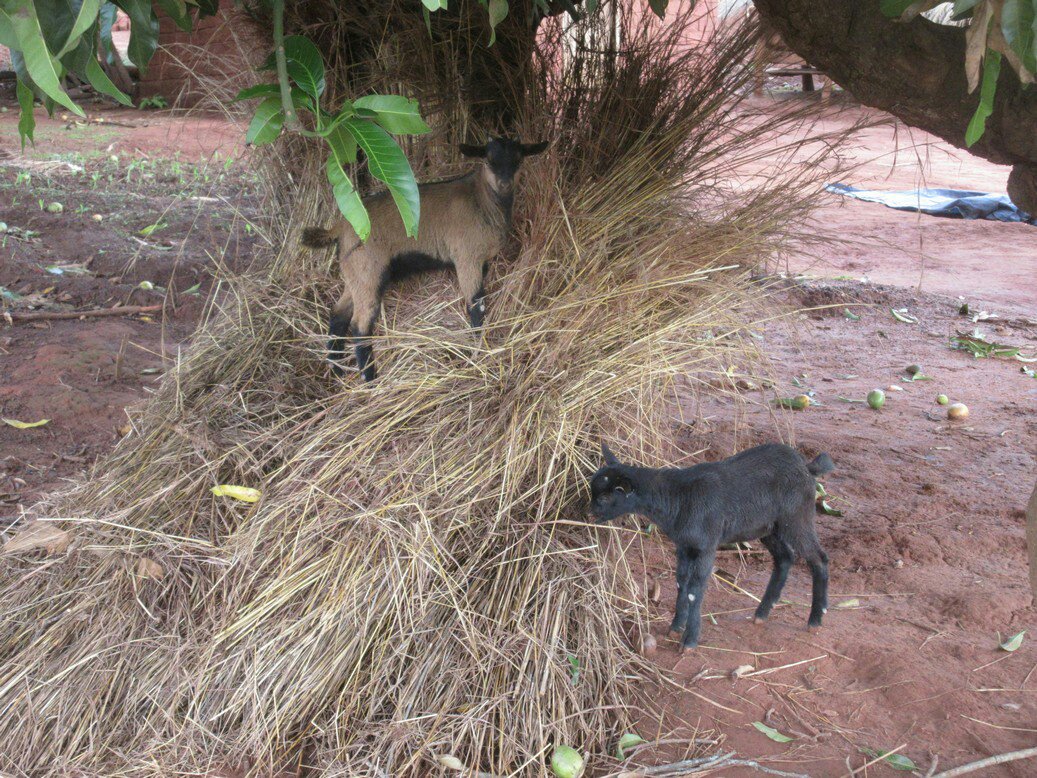 The “love” part of this relationship is because those buggers are so darn cute when they’re babies. They’re small! They got little knobby knees and high-pitched voices! They run around but stick close to their moms!
 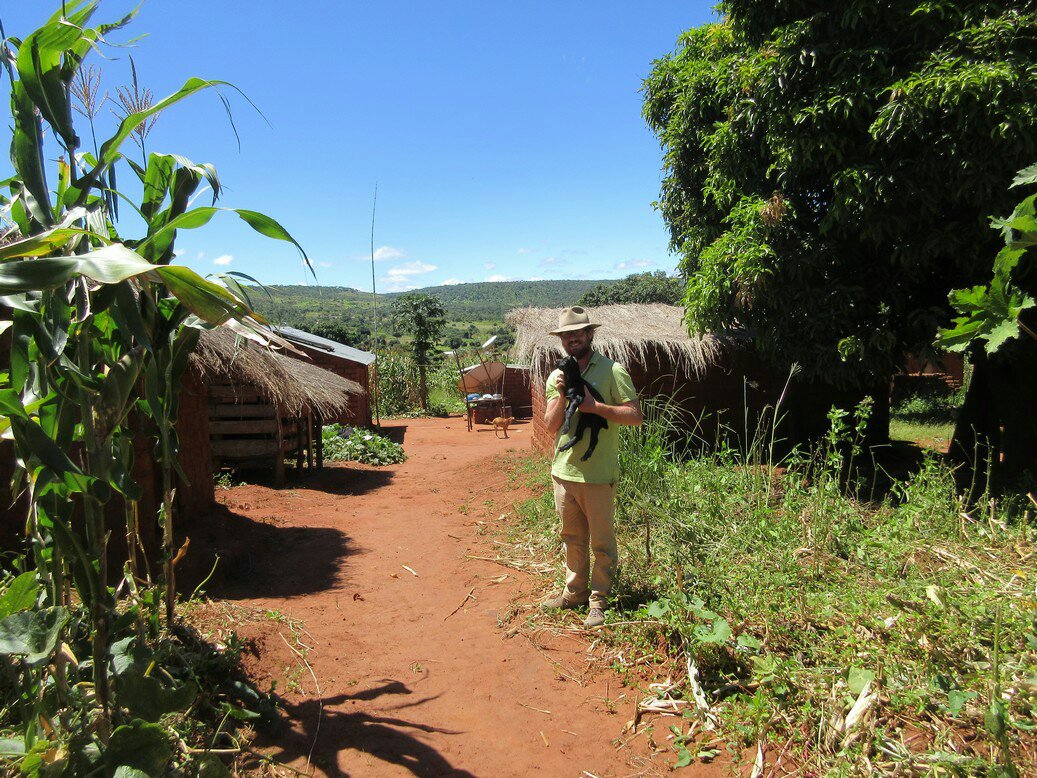 Look at this picture of me hugging a little baby goat! It’s the greatest! The “hate” part though? They can be such little shits.
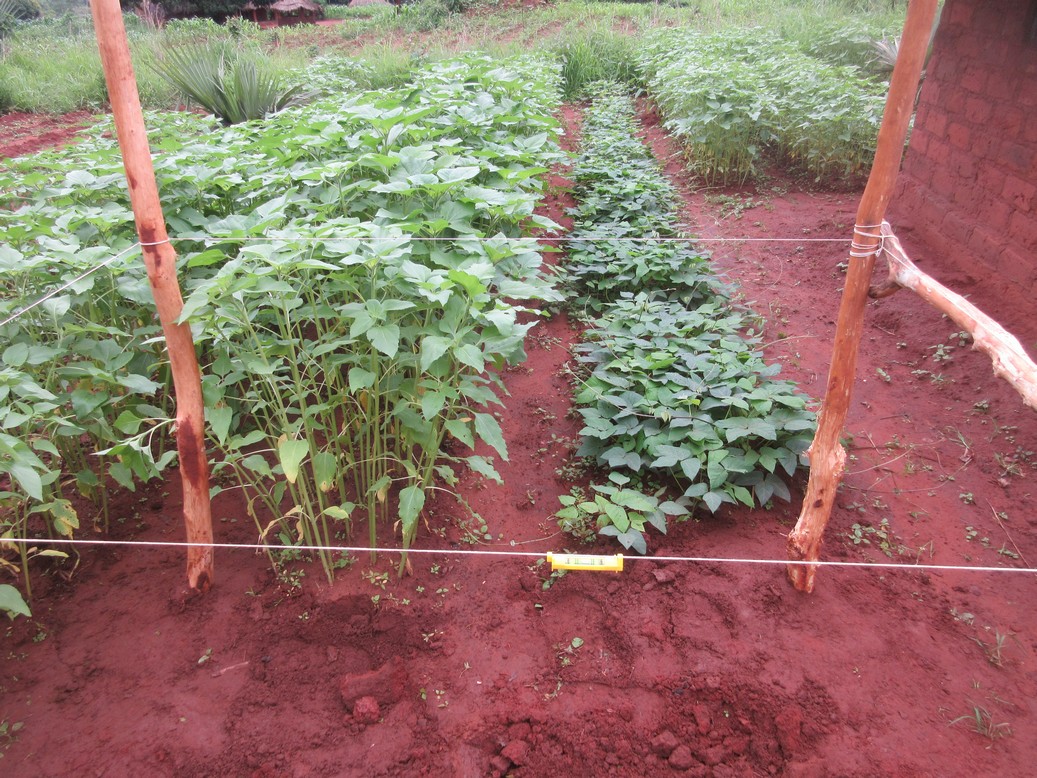
 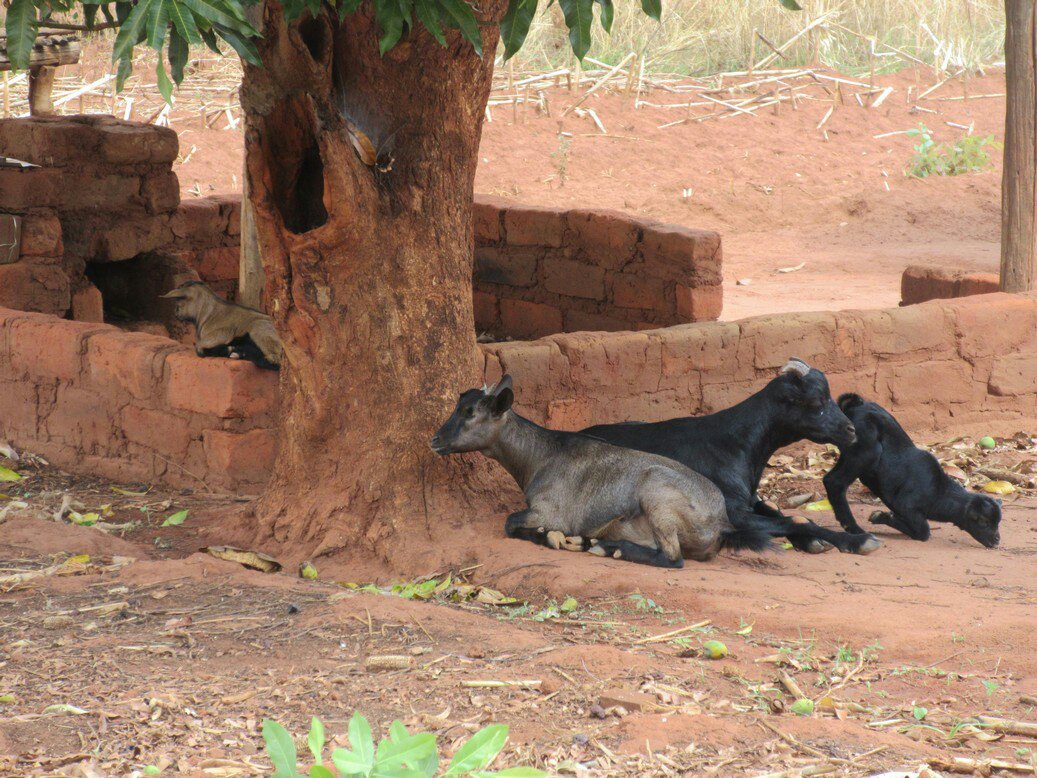 Here’s some goats hanging out near my insaka. Cute right? Look at those little guys, perched on the wall! And then they get up and kick over the bricks and cause all sorts of damage and then poop right in the middle. Stupid goats. The soundscape of the village is dominated by goats. I wake up most morning to the sounds of goats bleating. There was one goat for a while that would frequent my yard, sneezing heavily while also trying to call some willing female to mate with. I think Barry White would have worked better. When you first start living around goats, it is hard to distinguish the sound of children screaming and goats screaming. They’re very similar, though with experience you can tell them apart. It is handy to forget that, however, when the neighbor kids are crying and you can pretend it is just goats. In the dry season, the goats just wander around freely. They eat whatever they can find, which is fine. In the rainy season though, people start growing maize and the goats get tied up. The baby goats, however, get to wander around. Usually they stay with their parents. Sometimes, those little assholes break my fence and eat my velvet bean:
 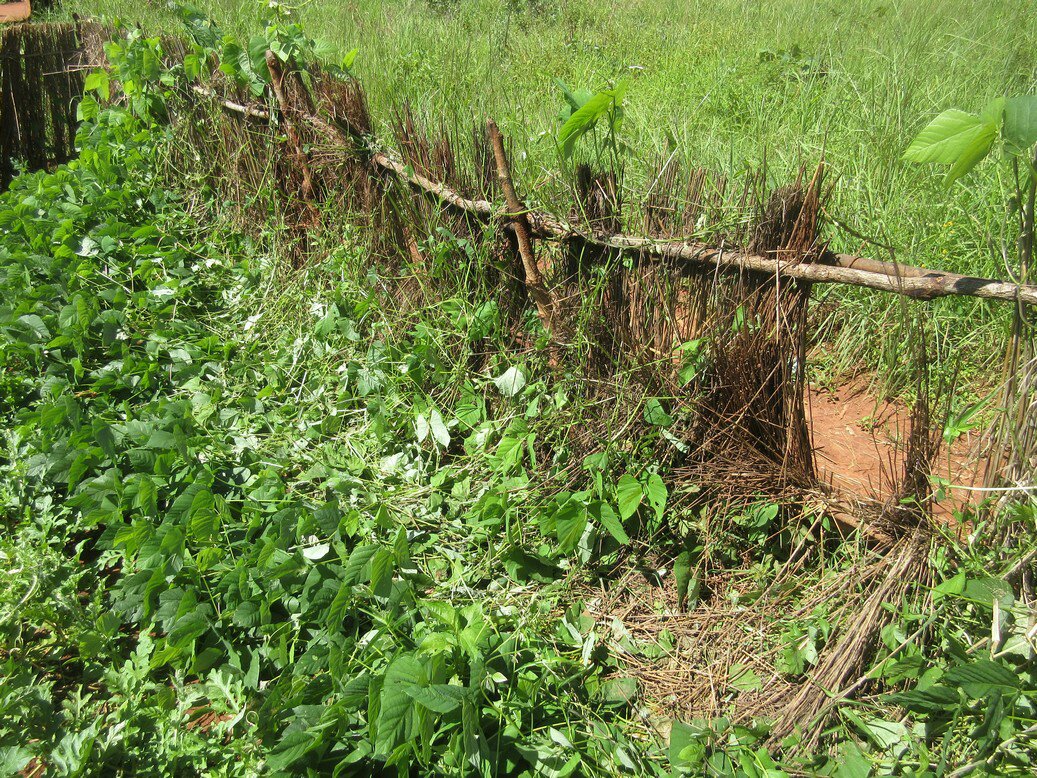 The worst part? There is no gate on that fence! They could have just walked around to the open door and eaten my velvet bean without knocking down my fence. But nope, little shits gotta create more work while destroying my velvet bean. I got friends who are good with goats. Someday I will learn their ways. I just want to be friends with the baby goats, but they’re all scared of me. Probably because I chase them from my garden and then up the hill to teach them a lesson, but still. It’s been on my to-do list to get some goats and milk them and make goat cheese both because I love goat cheese, and also because I want people to get more protein in their diet so they aren’t all so short so they build houses to such a height where I don’t hit my head on my doorframe every other day walking out of my house. It’s the little things that keep you going.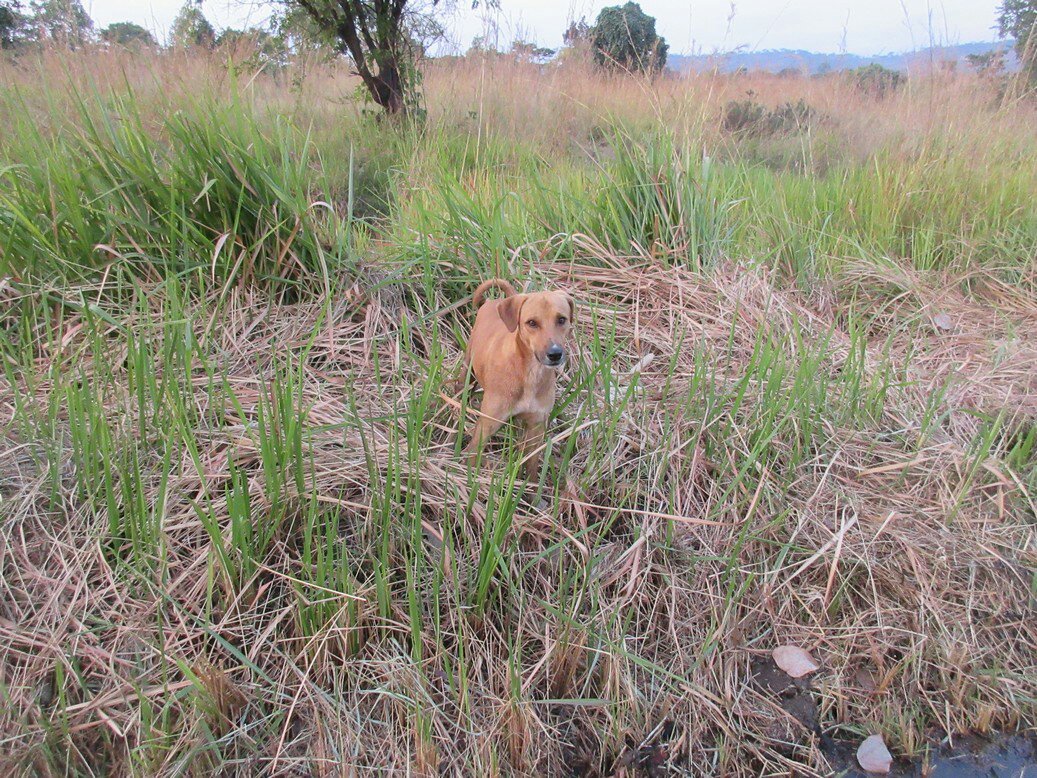






 Pat in the World
You must be logged in to post a comment.