
Reading this week:
- Stanley by Tim Jeal
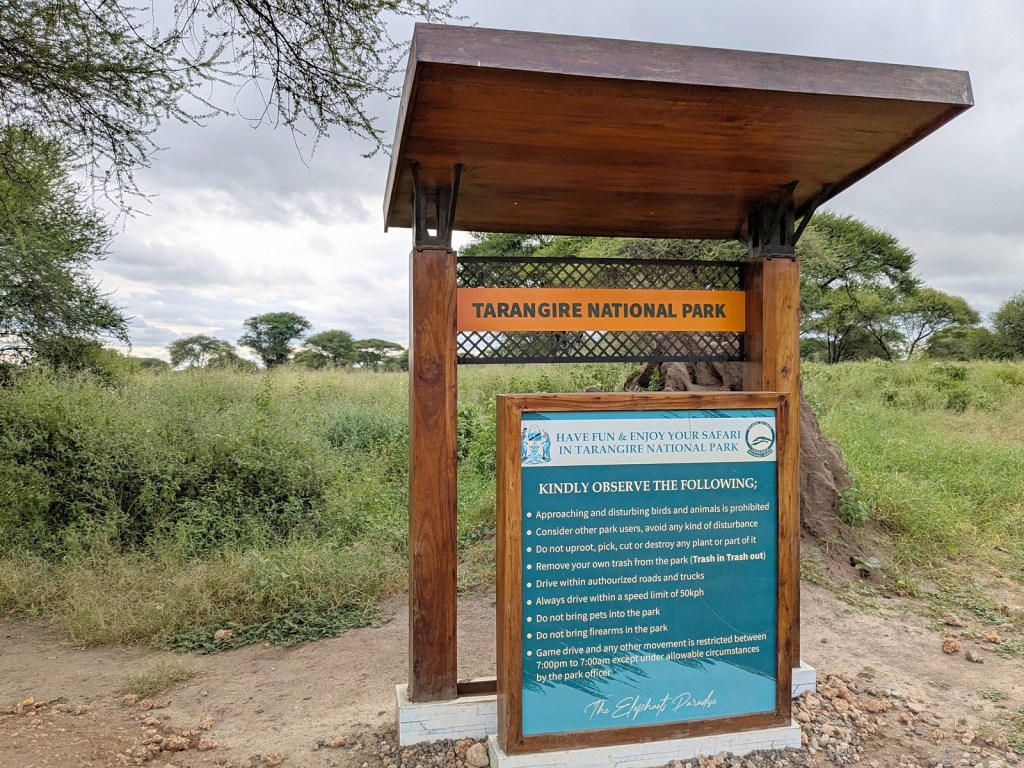
There is a more or less standard northern safari circuit in Tanzania and so we set out on our last safari day to the only park we had left: Tarangire.

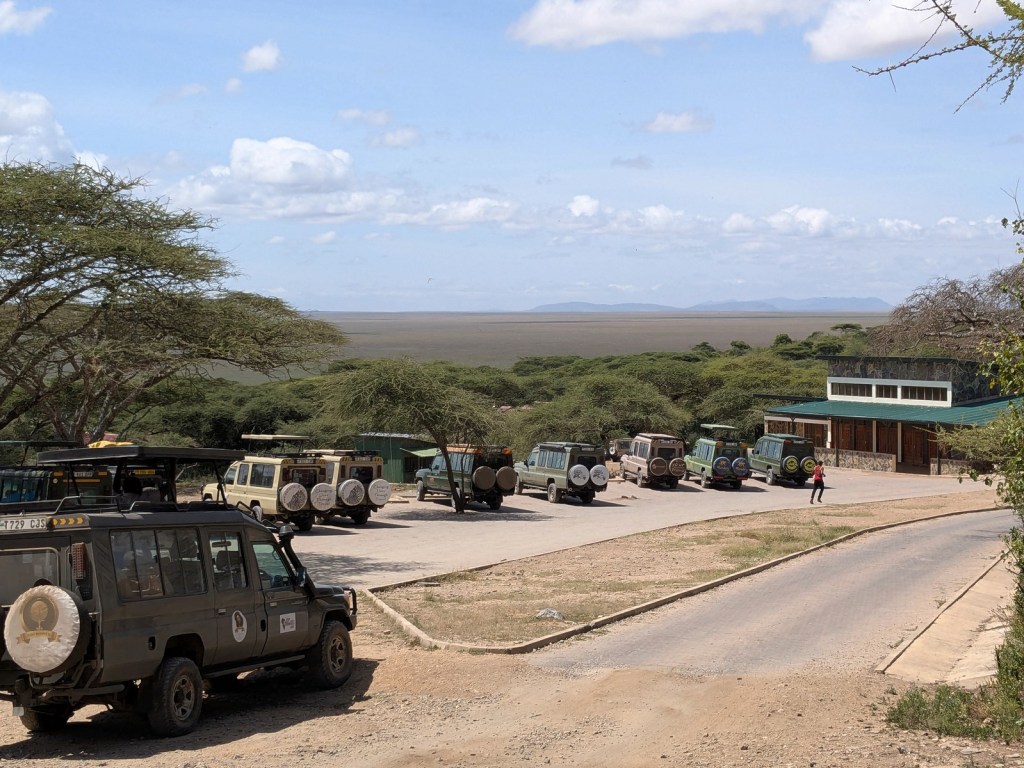
Tarangire was a suitable denouement to our journey. While we were there it was a very quiet park, or felt like it when we were driving around. At lunch I saw the greatest concentration of safari vehicles yet, but maybe there just aren’t so many good picnic spots. The animal life too was pretty quiet. The park is known for elephants and baobab trees, and as we drove in we saw baobabs in spades. The elephants though were scarce. We drove a couple of the circuits without seeing any. We were also at one point driving towards “Elephant’s Paradise,” a bit of a lagoon I gather, but from a passing vehicle another safari guide told Obedi there weren’t any there.

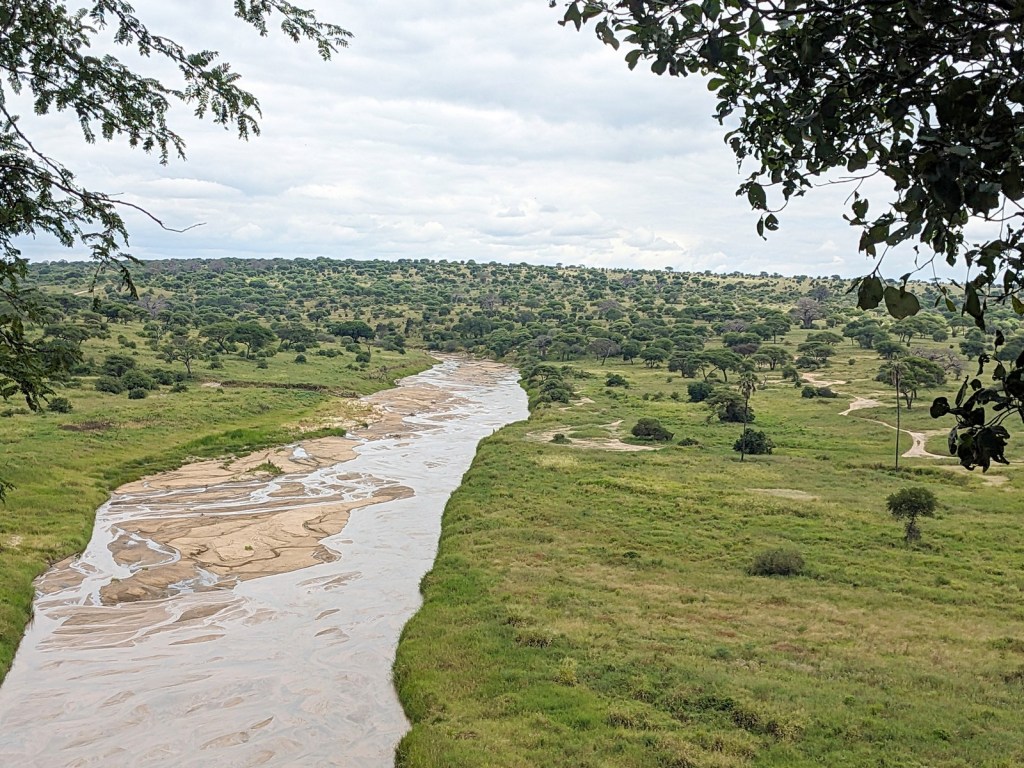
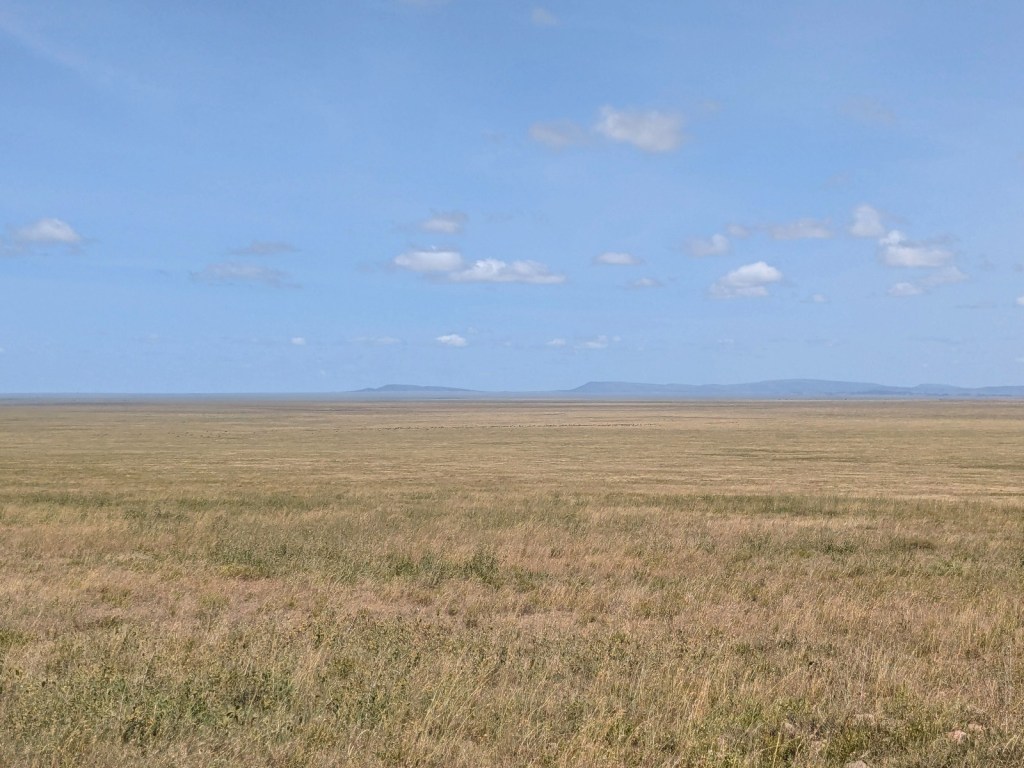
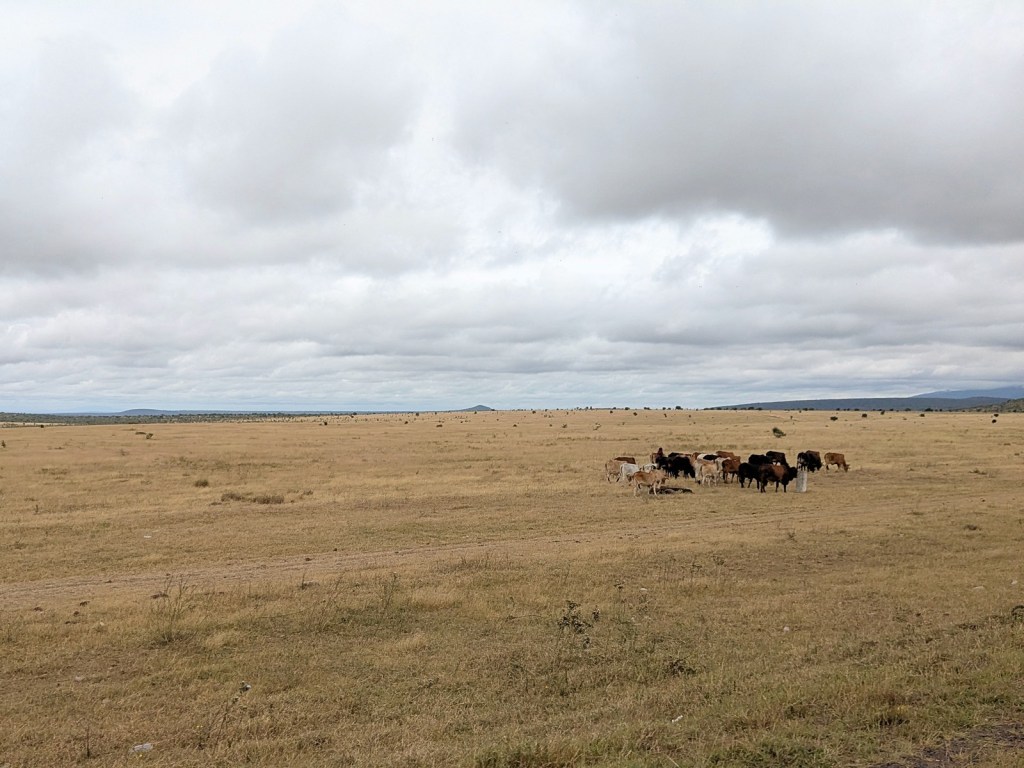
So we were forced to admire the landscape. In the Serengeti I was impressed by the endless horizon but in Tarangire the rolling hills cut through by the river’s floodplain give a huge sense of scale. No wonder you could lose an elephant herd or two behind all the baobabs. But after much searching Obedi found for us a particularly elusive find: a rock hyrax! Anyone can find an elephant, it took Obedi to find a rock hyrax. He explained that rock hyraxes are the closest living relatives to elephants, which scientists can tell from their internal testes and long gestation period. We nodded along knowingly. Must be strange living so close to much more famous in-laws.
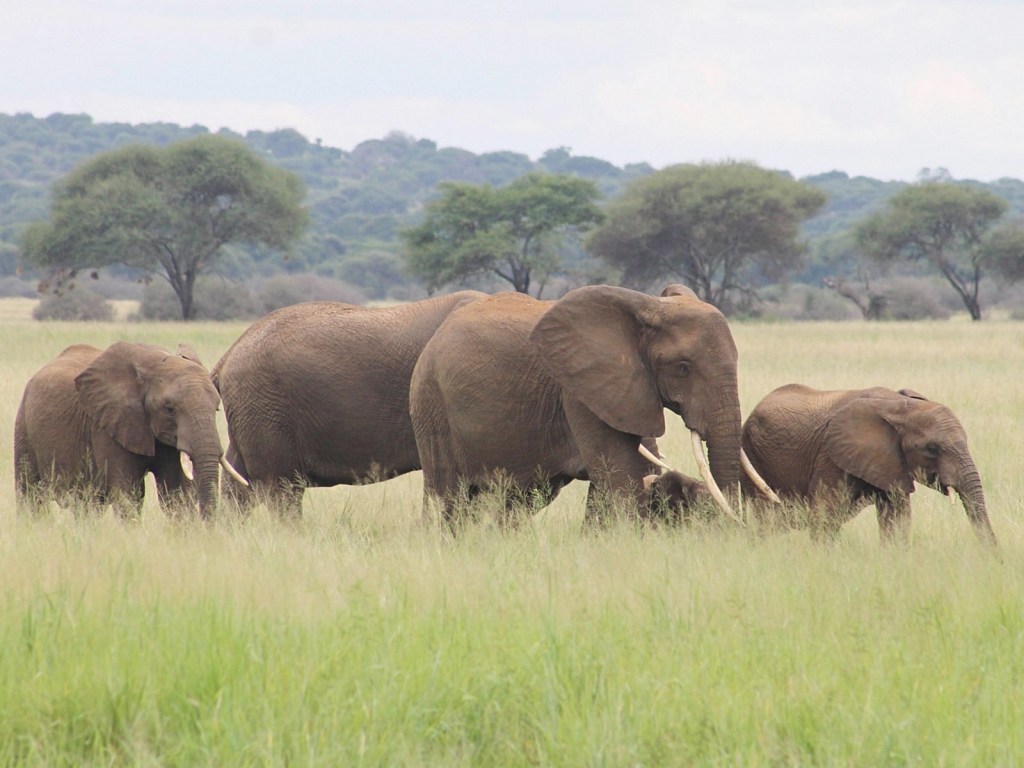
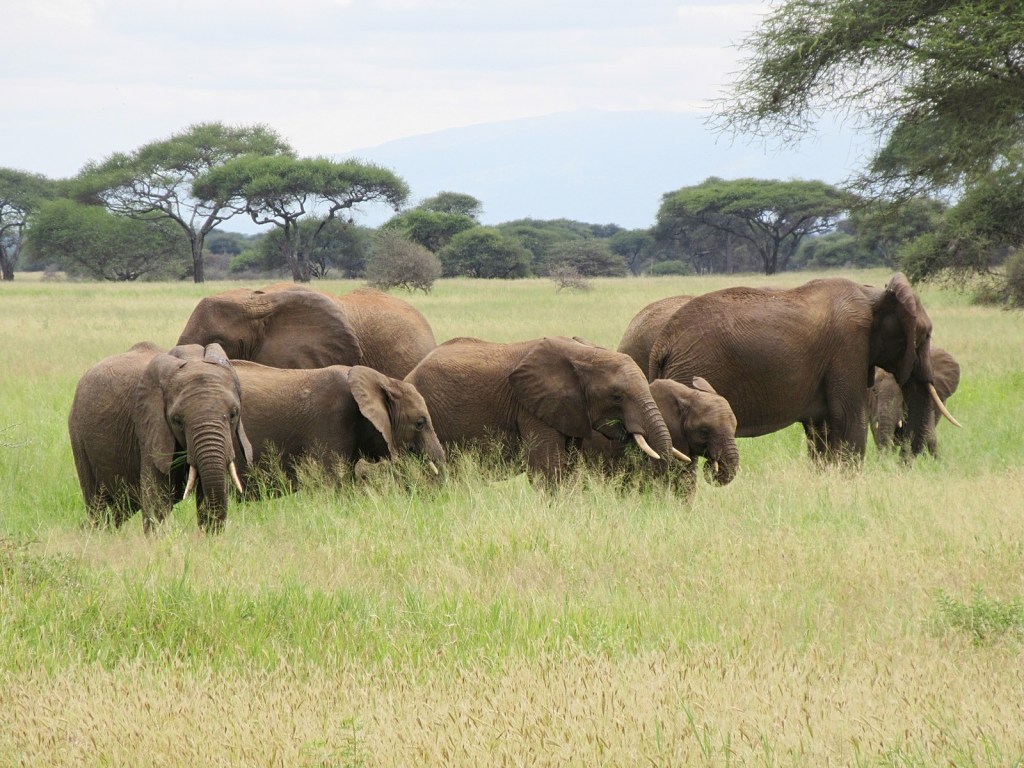

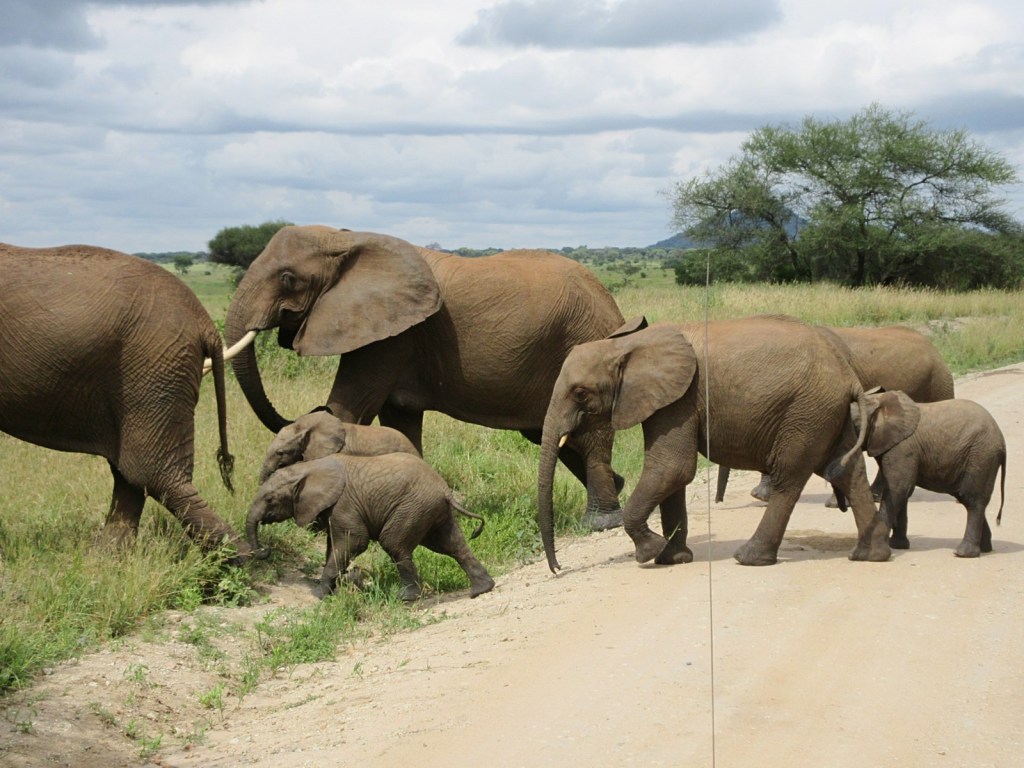
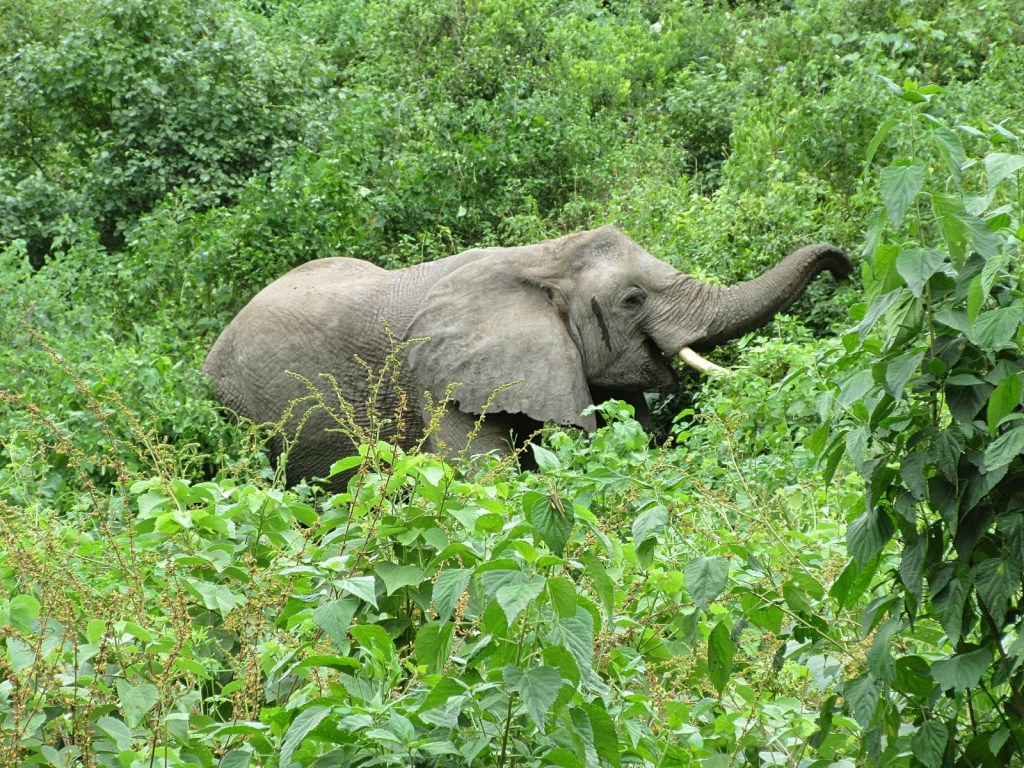
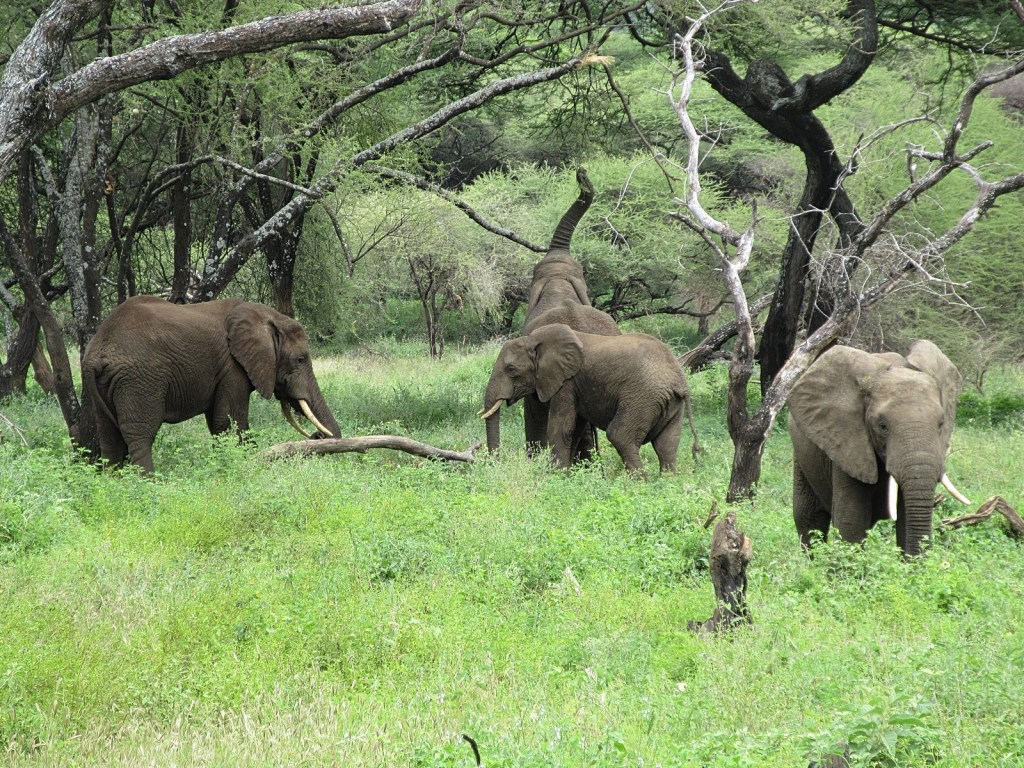
Eventually we came across larger animals (it was as I’ve said the tail end of the rainy season, so the grass was still quite tall all over, meaning the animals were somewhat more spread out than in the drier months). Especially magical was getting close to a small herd of elephants, all of them apparently female except for a very young male or two. We were the only tourists in this stretch of the park so it was just us watching them as they emerged from the forest and crossed the field and road on their way to the river, munching as they travelled. They were majestic as they went along, and as a special treat there were a couple tiny small babies in the herd that were very cute.

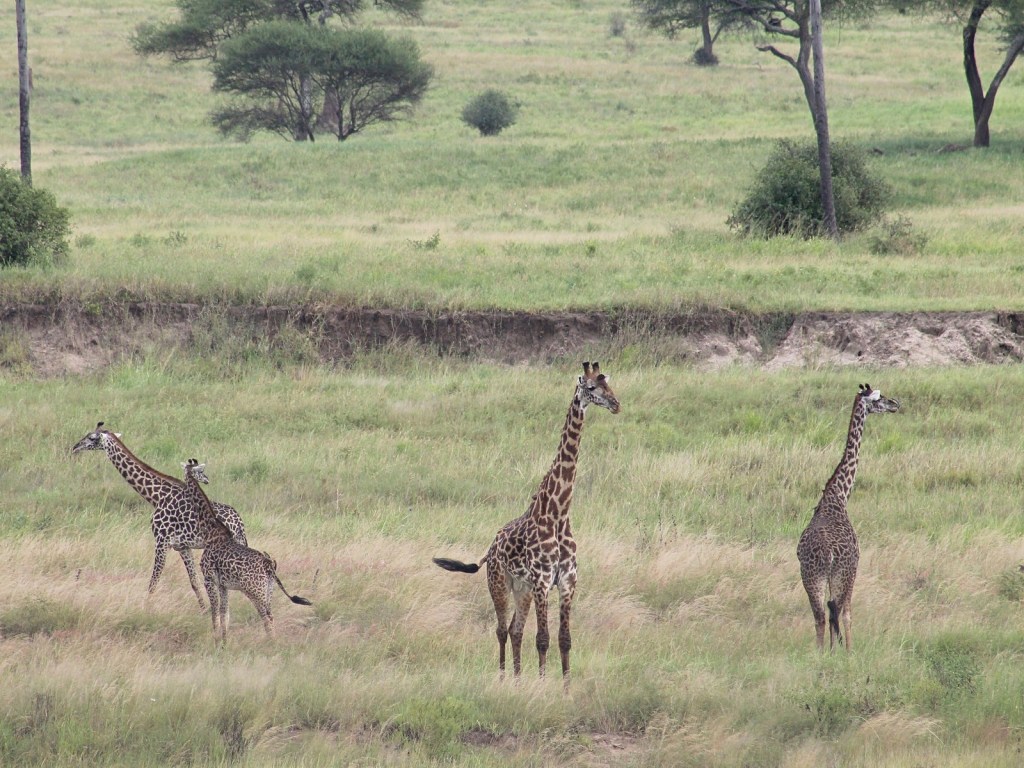
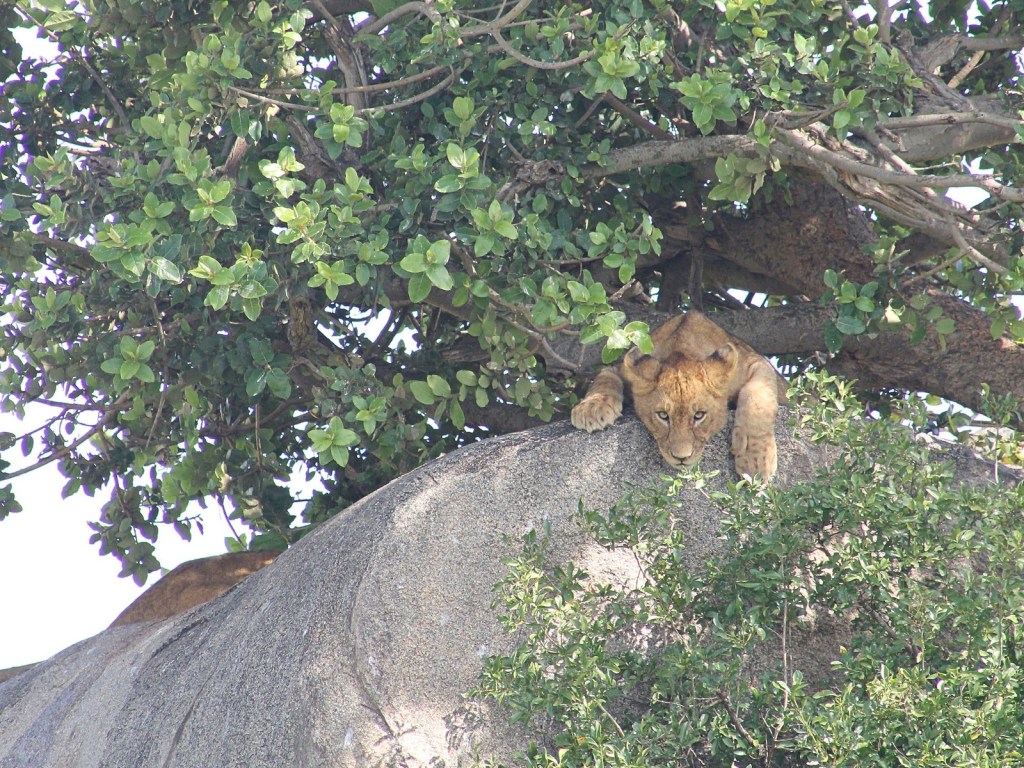
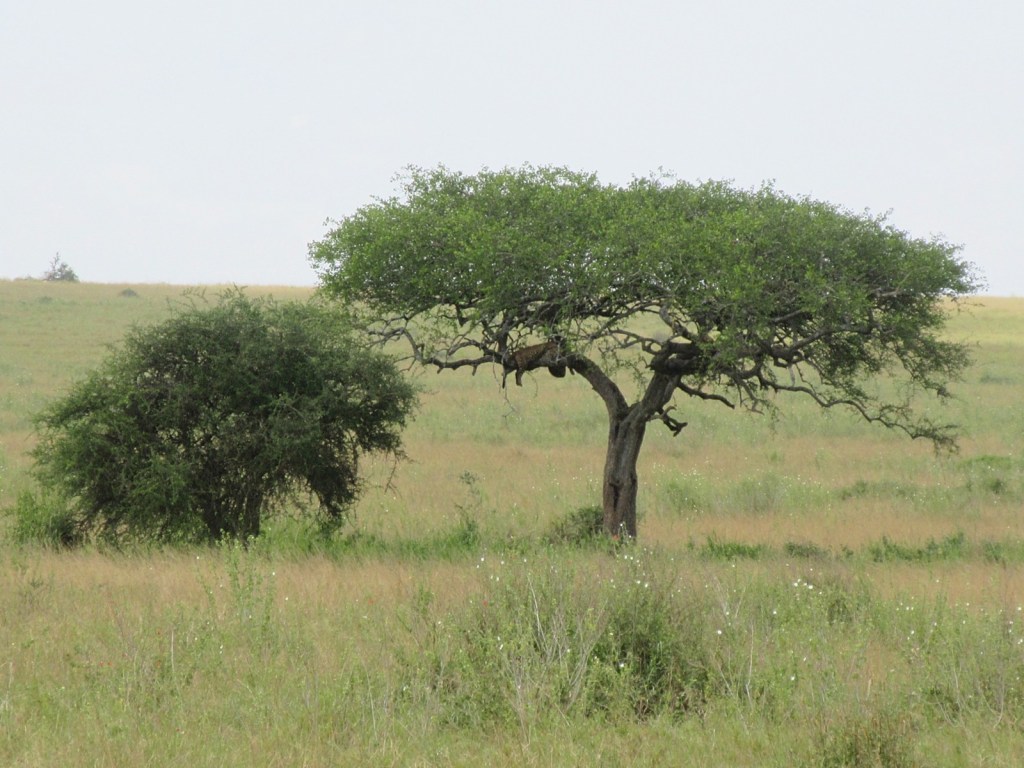
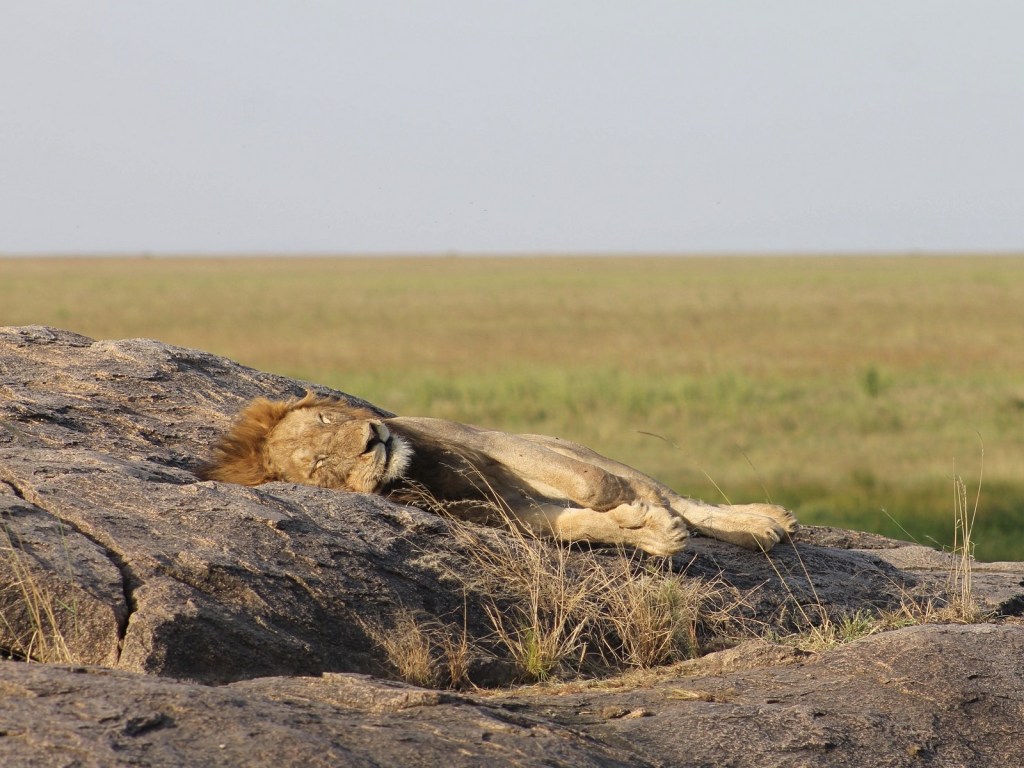
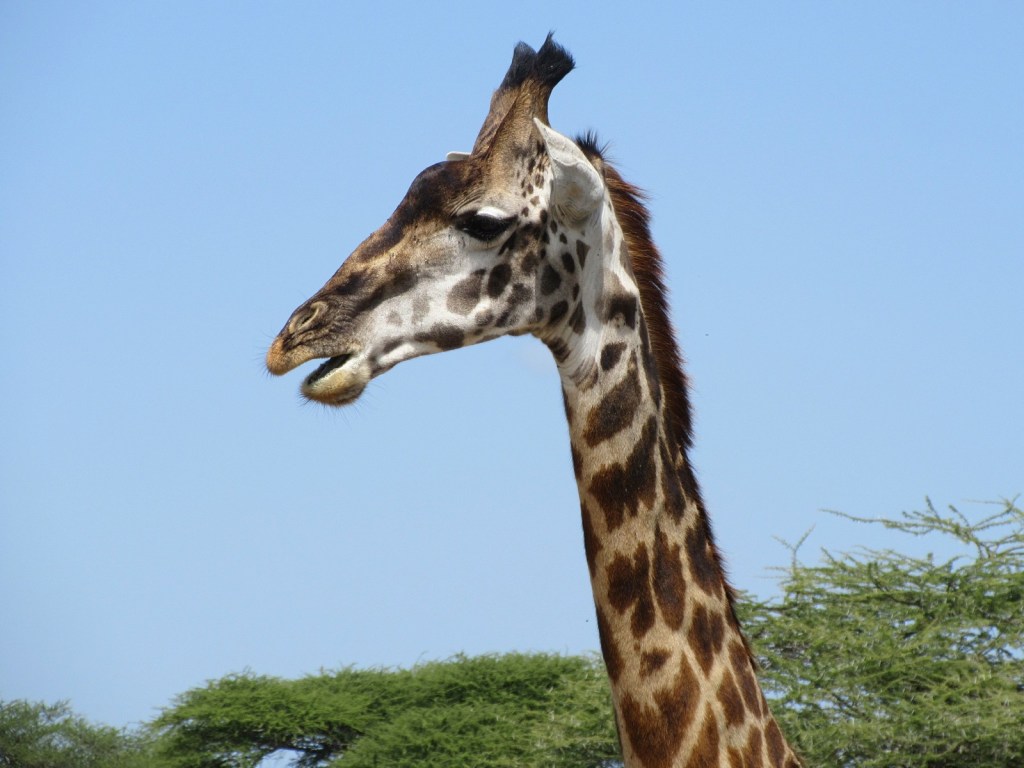
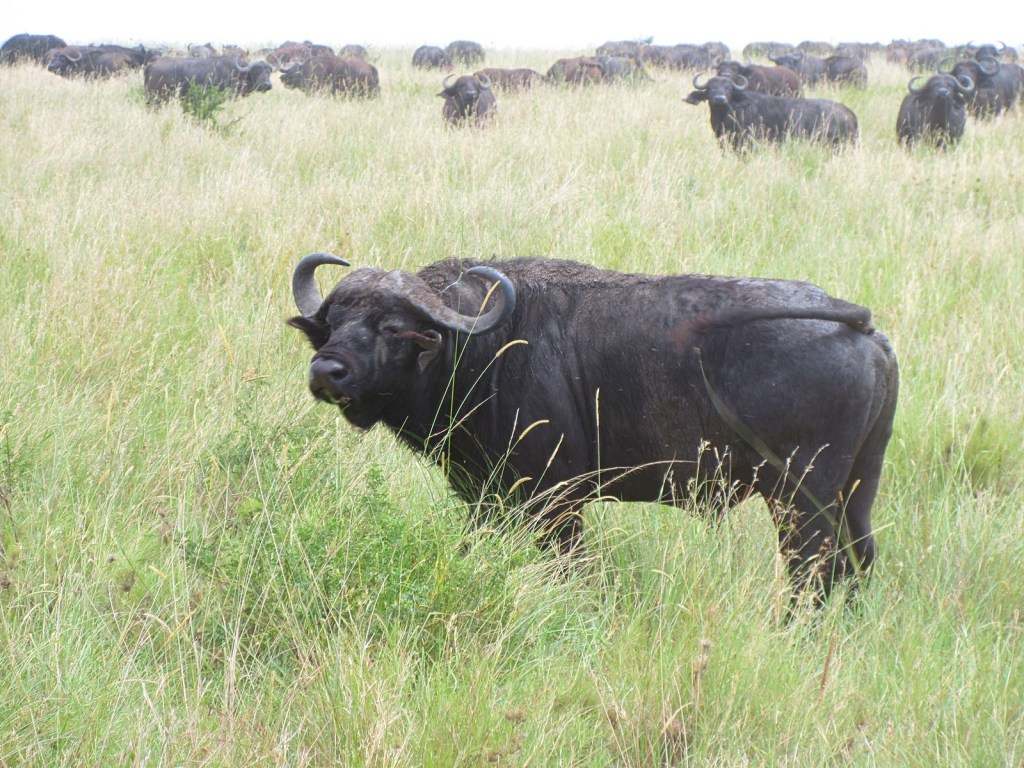
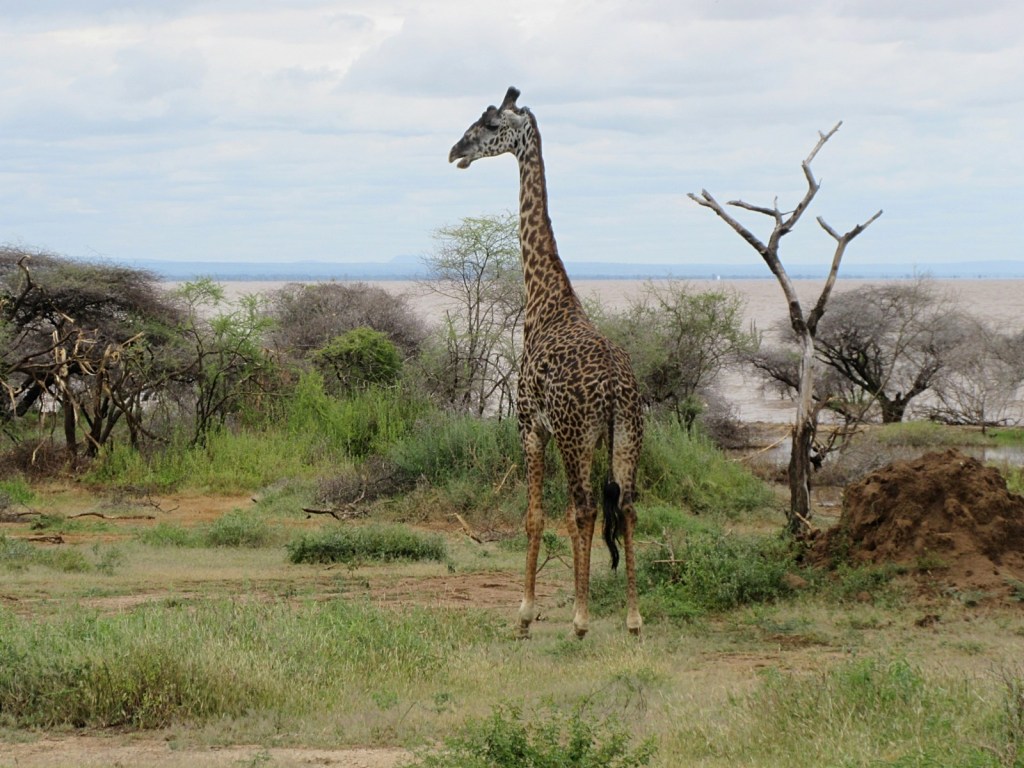
Snaking down the river valley we were also treated to giraffes and buffalo in the distance, and then in a surprise a whole pride of lions sleeping in a tree. The one high up with only its tail and paw sticking out below the canopy looked particularly snug. The river, I must mention, is what gives the park its name, with “tara” (Obedi told us) meaning “river” and “ngire” meaning “warthog.” I don’t recall if we actually saw any warthogs there; if not that was our loss.

There were only two downsides to the park. The first was that this I think was the only place we actually encountered tsetse flies. I read about them lots, and their impact on the socio-economic and cultural landscape of what is now Tanzania, so this was a bit of a Pleakley and the mosquitoes situation for me. I’m still not entirely sure we got out bite-free though we trained to remain particularly vigilant with the fly whisks that Obedi had come prepared with.
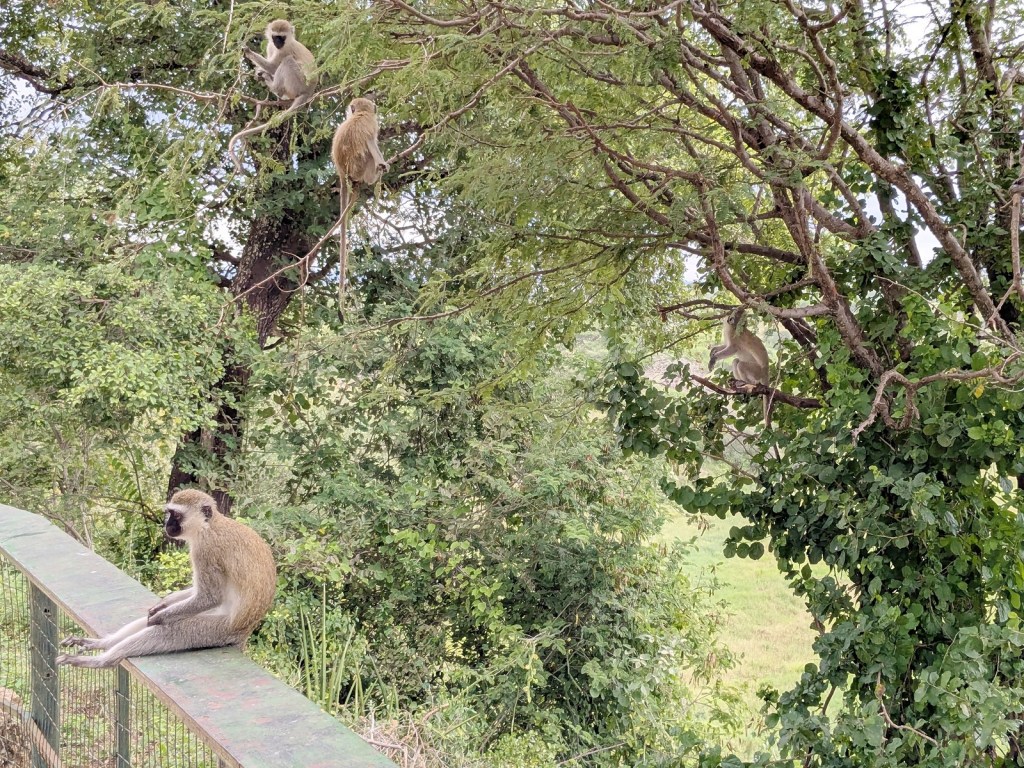
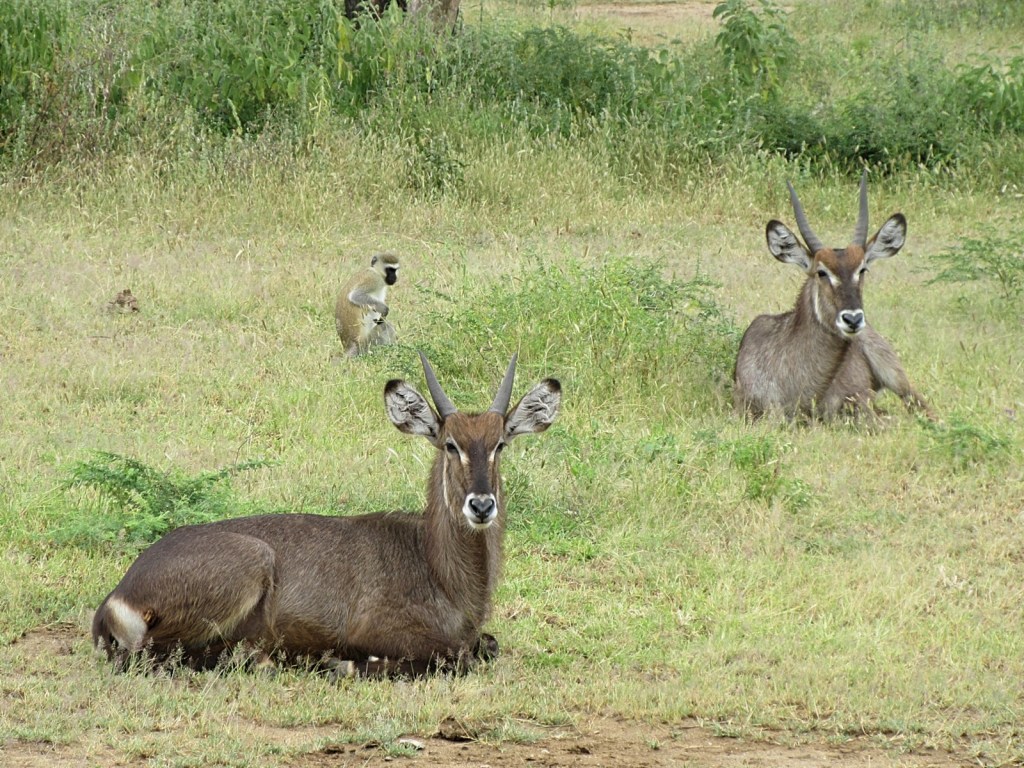
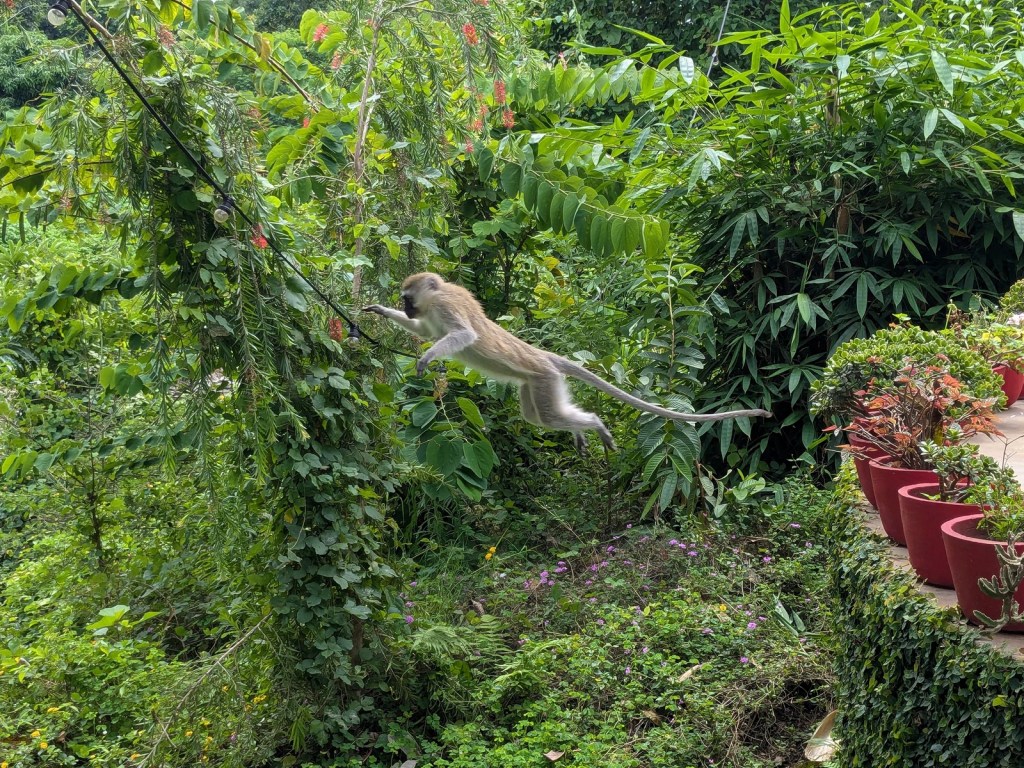
The second downside, which actually I am only really calling a downside for narrative purposes, was the monkeys at the picnic area. These monkeys mean business. They have learned the ways of tourists and at lunch time (and only at lunch time reportedly; you can breakfast with only humans for primate company) they report to the picnic area to see what they can steal. Our picnic table remained unscathed both through vigilance and by virtue of having a lunch packed in thermoses instead of lunch boxes. The monkeys, you see, have learned what the lunch boxes that local lodges pack are and will even jump into open cars if they spot any in there. Stereotypically, they enjoy fruit the most and are on the hunt for bananas, but we did watch one make off with a juice box. The monkeys definitely provided entertainment; we watched one of our fellow tourists physically defend his lunch from a monkey and succeed in saving his apple. Others though the monkeys correctly identified as much easier marks (Obedi also told us they know not to try the safari guides and instead only target tourists). But if you didn’t have any lunch to steal the fearlessness of the monkeys did provide ample opportunity for (relatively) close-up photos.
But with lunch eaten and tsetse flies avoided, it was time to wind our way out of the park and back to Arusha. We had to stop in for a debrief where we gave a glowing trip report, and then Obedi took us to the lodge we were staying at before our flight early the next morning (a small enough lodge where after I ordered chicken for dinner I overheard the waitress on the phone asking someone to pick up some chicken at the market). I am very excited to go back to Arusha. There are more parks to see, more seasons to experience, and a whole city to poke around in which we didn’t do this time. I can’t wait.




































 Pat in the World
You must be logged in to post a comment.