Kasanka Bat Migration

IMG_0611

Reading this week

  • The Consuming Fire by John Scalzi (I meant to take more than a day on this one)

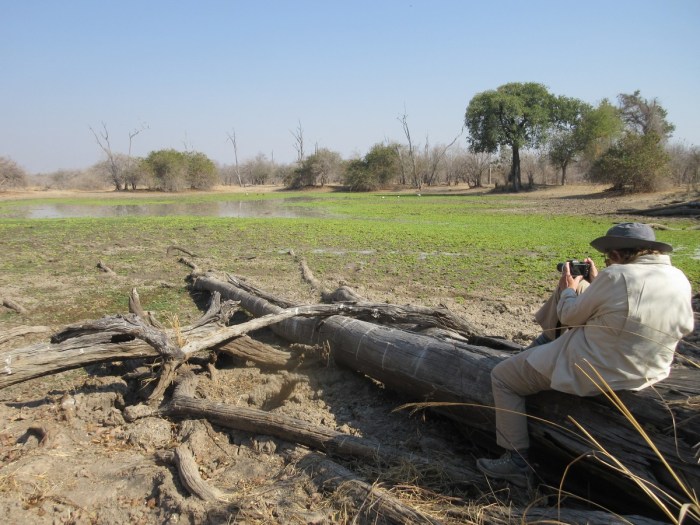
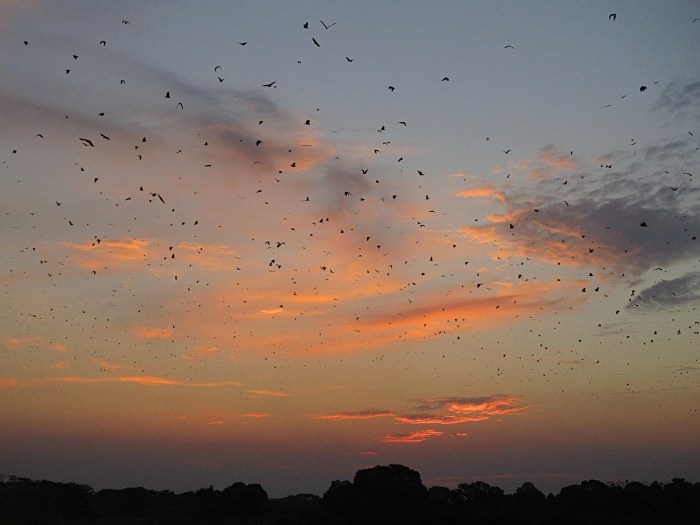
This past weekend my girlfriend and I went to go see the Bat Migration at Kasanka National Park. The bat migration is the largest mammal migration on the planet. So it is very worth going to. The bats of the bat migration are the straw-colored fruit bat. They come from all over Western Africa (not just the DRC, according to our guide) to feed on the musuku fruits that abound near Kasanka at this time of year. Somewhere in the range of 8-12 million bats all gather in the park. The most remarkable part of it all is that all those bats choose to roost every day in a very small portion of the forest in the park, only about 1km long by 400m wide. So every day in the morning and in the evening the bats all return to and fly out from the same patch of forest, giving a hell of a show.

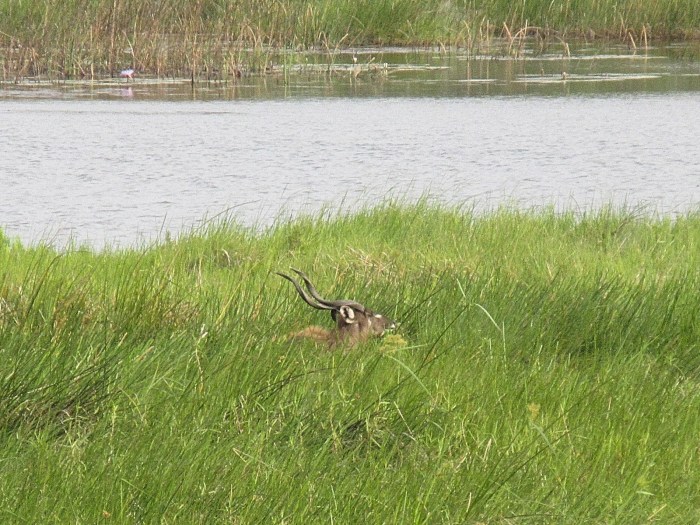
Most volunteers when they go to see the bats choose to camp, but I decided to splurge and stay in the lodge for two nights. It was a pretty nice experience. The meals were included and we got some extra activities thrown in. We arrived on Friday in time for lunch. Wasa Lodge, the lodge we stayed at, is right on Wasa Lake, which is a small lake about 12km into the park. Besides the bats, Kasanka is known for its wide variety of birds and for its sitatunga. The lodge being right on the lake gives a good opportunity to see both, especially from the porch of our chalet or from the dining area.
IMG_0549

A sitatunga pokes its head above the grass by Lake Wasa.

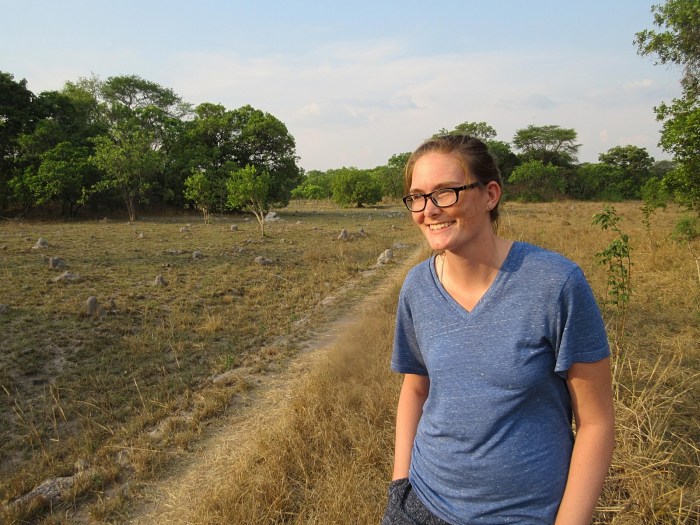
That evening we went on a Wasa Walk, which was a hour or so long walk around the lake; it isn’t a very big lake. Going around the lake makes for a pleasant walk. We saw some puku, which are everywhere, and had some good looks at some birds. We spotted some elephant tracks, and then next day we got to see an elephant walk through the lake and enjoy some grass.
IMG_0426

Lily on the lake walk.

Our first bat experience was the next morning. We woke up at 0315 and were served coffee and tea at 0330 before bundling up and heading out to the blind at 0400. It was pretty chilly that morning but they gave us blankets for the ride out there, which Lily really appreciated. We got to use the BBC blind. It’s called that because it is the blind the BBC used when they came out to film the bat migration. The blind has two levels, with the highest being at least 40 feet above the ground, near the top of a tall tree into which it is built. This put us right at eye level with the bats returning in the morning.
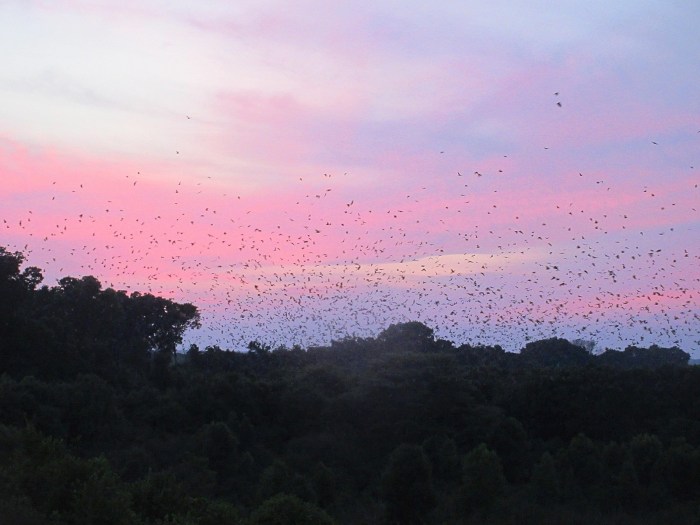
IMG_0488

Bats returning in the morning to their roosts. My camera lens has a scratch right in the middle of it which is distressing.

For both the evening and the morning, the bats start at a trickle and slowly build up to a whole gigantic amount of bats just streaming to or from this patch of forest. When it really reaches its max amount you’re left thinking like, man this is a whole bunch of bats. And then it just keeps going for another 30 minutes or an hour, which bats just going at a constant stream. In the half square kilometer or so of the forest, some 3 million kilograms of bats wind up roosting, which is something like the equivalent of 550 elephants. 550 elephants all flying through the air and then roosting in trees. I am astonished there is enough fruit around to feed them all.

After watching the bats all return to their roosts, we went back to the lodge just in time for breakfast. The morning was spent napping and listening to the hippos grunt in the lake. Not a bad way to spend the day. After lunch and at about 1600, we got ready again to head out for the evening experience. We had more company this time, and we all gathered in a hide at the other side of the forest. This hide wasn’t as tall, but was in the flight path of the bats so we got to watch them all flying overhead and were relatively close to them. I even saw a bat flying with a baby clinging to her belly; that’s gotta be tough flying around with a baby strapped to you.
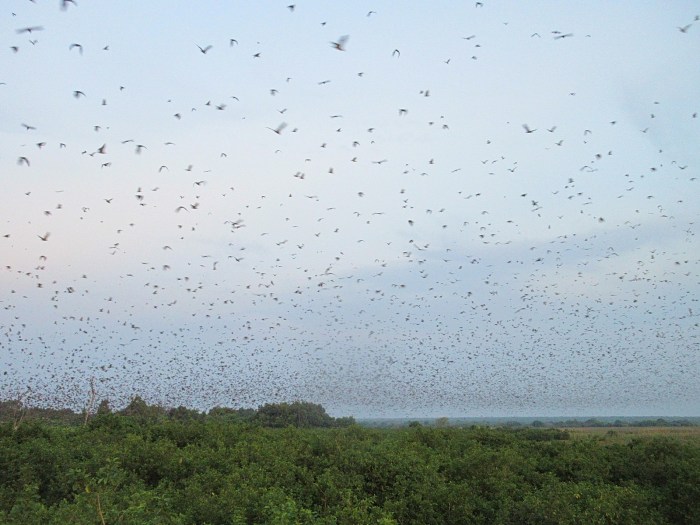
IMG_0625

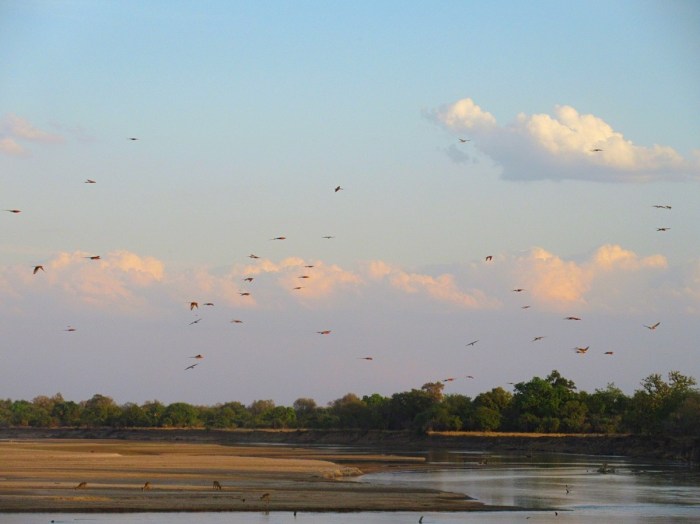
Bats streaming out to the surrounding forests to feed on fruits.

Again it is just so many bats. Half an hour in you’re thinking “man they gotta be about done” but then they just keep coming. It is quite an experience and if you find yourself in Zambia around November or December quite worth going. After our evening bat experience it was back to the lodge. We decided not to do anything the next morning and had a leisurely breakfast before heading out to the gate to hitch back to our sites. Now that I’ve seen the world’s largest mammal migration, I suppose the second largest one would just be a bit lackluster.

Corncob Charcoal Pt 2

Corncob Charcoal

Actual people making actual charcoal from actual maize/corn cobs.

Reading this week:

  • A House for Mr. Biswas by V.S. Naipaul
  • Bombs Away by John Steinbeck

“Hello everyone!” Peter began. It was the following week. “Today we are going to learn how to make charcoal out of corncobs!”

The villagers, after greeting Peter, smiled and nodded. They paid close attention.

“But today will be different!” So far it was. Today, Peter was standing next to a hole in the ground. “I figured out that you guys weren’t making charcoal out of corncobs because you didn’t want to build a kiln!”

The trouble, Peter had figured, was that he had been using a brick kiln to make charcoal out of corncobs. Although it was cheap and easy to make, it might have proved too much of a hurdle to ask the villagers to build a kiln before they started making charcoal out of corncobs. So, on the internet, he had found a technique for making charcoal in a pit dug into the ground.

More excited than usual for today’s demonstration, Peter continued with not only gusto but a little giddiness.

“Okay! So here’s the trick!” Peter hefted a stick. “With this technique, first you put a stick in the middle!”

Peter put a stick in the middle of the pit.

“Now! You layer in the dried grass and corncobs, like we usually do!” Also like usual, Peter invited some villagers to help him put dried grass and corncobs in layers into the kiln. The hands-on approach, after all, really helped to drive the point home.

“With that done, you take out the stick!” Peter took the stick out of the middle of the pit, leaving a hole in the layers of dried grass and corncobs. “And now we get to light it on fire!”

Using the stick to help him, Peter shoved a burning piece of paper down into the middle of the hole, lighting the bottom of the pile of dried grass and corncobs. Enclosed in the pit, the pile began to emit smoke.

“Alright! You guys know what comes next!” Peter checked to see if the villagers really did know what came next. “We light the smoke on fire!”

Using another burning piece of paper, Peter lit the billowing smoke on fire. Then, quickly, Peter covered the pit with a piece of metal and sealed all the edges with mud.

“Okay! Now, just like when we used the kiln, we’ll let this pit smolder here overnight. Tomorrow, we’ll uncover it, and we’ll have charcoal! No kiln needed!”

Peter beamed. The villagers smiled and nodded.

“Well, that’s all I have for today! Thank you for coming!”

The villagers, smiling, left. Today’s demonstration had been a refreshing change of pace. It was exciting to learn a new technique for making charcoal out of corncobs. Peter was excited to show them and they were happy to support their friend. The villagers nodded in knowing, silent agreement with each other that it had been a very good demonstration.

The spread of the nanites was a hard phenomenon to find out about. Anyone who witnessed technology dissolving around them usually reached down to their phone to take a picture, only to find their phone gone. When they went to get back in their car and drive somewhere to tell someone, they would find their car gone. If they then felt a sudden, eerie gust of wind, it was usually because they found themselves without their synthetic clothes.

People started to figure out something was up when no one could get hold of anyone in California. Of course, what with all the world’s technology fueling the spread of the nanites, along with the inevitable math of expanding powers of two, it didn’t take anyone long to figure out why. Or, if they didn’t figure out why, they were soon busy with their own problems of missing phones, cars, clothes, and every other piece of technology they formerly had laying around.

Peter stepped out of his hut into the sun. The day had dawned remarkably bright and clear. He got on his bike to head into town. The bike ride into town was grueling. It was uphill the whole way, and entirely on a dirt road. The dirt road was sometimes okay but got worse and worse as the rainy season went on. Peter wished that there was a way to get the road paved. If they laid down asphalt and made it a tarmac road the bike ride would be a lot easier. He might even be able to call a cab. Convincing any of the taxi drivers to take their cars off-road was a challenge, and when Peter could find someone it was astonishingly expensive. A road would be nice.

Peter turned the last corner into town and promptly fell down. He fell down because his bike was suddenly no longer under him. He didn’t notice that for a few minutes, however, because he was too busy noticing that the town was in ruins. The walls of some of the mud brick buildings still stood but almost everything else was gone. He didn’t see any cars and the cell phone tower was missing. Peter went to go pick up his bike, found his bike was gone, looked around, and got up to start walking towards his friend Pearson’s restaurant.

Peter walked into the ruins of the restaurant. Inside, he found Pearson sitting in the middle of the floor. “What… what happened?” asked Peter.

Pearson looked up to see Peter, and sprang to his feet. “Peter! It’s gone! Everything’s gone!”

“Yeah but how?” Peter was suddenly frightened of Pearson. “What happened to everything?”

Pearson staggered towards Peter, putting his hand’s on Peter’s shoulders. Then, gesturing wildly “We were here! I was cooking on the stove, preparing for lunch. I… I looked up to check the time on the clock and it was gone. Just gone! Then I looked down at the stove, but it was gone. I left the kitchen, and… and everything was just gone!” Pearson slumped back down.

Peter backed out of the ruins of the restaurant and back into the bright daylight. He thought, finally, to call someone and find out what was going on. He reached for his phone to find it missing. It wasn’t until then he really panicked. He started running. He tripped almost instantly on a loose rock, spilled into a gully, and skinned his knee.

Picking himself back up, Peter calmed down slightly. With no bike, no phone, and with nowhere else to go, he started walking home. It was dark by the time he reached his hut. He collapsed onto his mat and passed out.

For several days, the villagers had fretted about Peter. They had seen him come back without his bike. Since then, he had stayed largely in his hut. When he did leave, he had looked stricken. He hadn’t called any meetings. The villagers didn’t know exactly what was wrong with Peter, but they had noticed some other changes. The days had been brighter and more clear for the past few days. They hadn’t noticed any planes in the sky. A few items had gone missing, like plastic buckets, but these were largely of no consequence. The man from the NGO had said he was coming, but had never arrived.

In a few quiet gatherings, the villagers made a plan to make Peter happy. The happiness of their friend was very important to them. He was a man that had given them many gifts, and so deserved one in return.

The procession of villagers found Peter at his hut, looking at the distant hills. He had been waiting since his return to see if someone would come rescue him. Waking the morning after his return from town, Peter had realized that if some catastrophe had occurred, and they hadn’t heard from him, a rescue party would drive out to find him. So he had sat, and waited. Some of the time he had spent looking for his model car. It was gone.

Peter turned around and was surprised to find a crowd of villagers standing in his yard, smiling. “Oh, uh, hey guys. What brings you here?”

One of the villagers stepped forward carrying a bundle. Kneeling, the villager unwrapped the gift and presented it to Peter. Peter looked down at the bundle. He looked up at the villagers. Peter reached into the bundle and took out a piece of charcoal. It was corncob charcoal.

Clutching the charcoal, Peter turned around to hide his tears. Hey, he thought. Something terrible must have happened. That was for sure. But finally, he was doing something about climate change.

Corncob Charcoal Pt 1

Vonnegut

Reading this week:

  • Sacred Games by Vikram Chandra
  • Behind the Beautiful Forevers by Katherine Boo

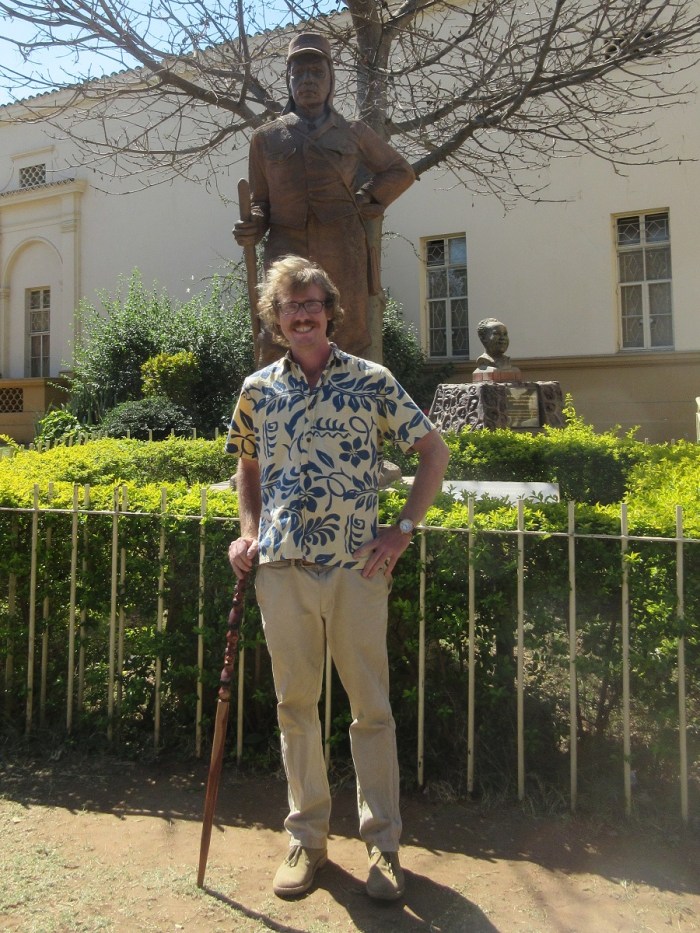
After I posted the above picture on Facebook, a friend of mine said I looked like Kurt Vonnegut. This was a compliment I was willing to take, and I took a stab at writing a Kurt Vonnegut-esque story. The first part of the results are below. In case you’re worried about me, it’s not particularly autobiographical, despite my attempts at charcoal.


Peter stepped out of his hut into the sun. The villagers had started to arrive for the demonstration and so Peter made some final preparations. Today, he was teaching how to make charcoal out of corncobs. He was getting pretty good at teaching this because it was his third time. The villagers grew lots of corn, but didn’t do anything with the leftover corncobs. Showing the villagers how to use the corncobs to make charcoal was his pet project. It wasn’t original – lots of volunteers held demonstrations on making charcoal out of corncobs. But Peter wanted to do something about climate change, and for him, this was it.

After he showed the villagers how to make charcoal out of corncobs, Peter figured, they would start making charcoal that way and they would stop cutting down trees. He just had to show them how very easy and effective it was. So far the demonstrations had been going pretty well. The villagers all showed up to his meetings and paid careful attention. Peter had just never managed to convince anyone to go home and actually make charcoal that way. He avoided thinking about that as the crowd gathered for today’s demonstration.

“Hello everyone!” Peter began. “Today we are going to learn how to make charcoal out of corncobs!”

The villagers, after greeting Peter, smiled and nodded. They paid close attention.

“You see, you guys grow a lot of corn and you always have a lot of corncobs left over,” explained Peter as he gestured towards the pile of corncobs. He had gathered a large pile of corncobs to make just that point. “Meanwhile, you guys use a lot of charcoal. If you guys use the corncobs to make charcoal, it will be better!”

Having built up some momentum, and noting the smiles and nods of the villagers, Peter launched into the next part of the demonstration with gusto.

“First! You put some dried grass into the kiln!”

Peter put some dried grass into the kiln.

“Second! You layer in your corncobs!”

The corncobs tumbled in.

“Keep putting in dried grass and corncobs in layers!”

For this part, Peter liked to invite some of the villagers to help him put dried grass and corncobs in layers into the kiln. He felt the hands-on aspect of the demonstration really drove the point home. Some of the villagers came up and helped him put dried grass and corncobs in layers into the kiln.

“Now for the exciting part!” Peter really did get excited for this part. “You light it on fire!”

Peter used a match to set a piece of paper on fire. Bending down, he stuffed the fire into the bottom of the kiln, where holes exposed the layered grass and corncobs. The grass lit on fire and smoke came out of the top of the kiln. Standing back slightly, Peter prepared another piece of paper by lighting it on fire.

“Now for the tricky part!” This part was actually tricky. “We light the smoke on fire!”

With the smoke thick and heavy, Peter stuffed the burning piece of paper down the top of the kiln. The billowing smoke caught fire right away. Quickly, Peter covered the kiln with a piece of metal and started sealing all the holes in the kiln with mud.

“You see!” Peter checked that the villagers really did see. “Now that we’ve lit the corncobs on fire, they will smolder here in the kiln overnight. Tomorrow, we’ll have charcoal!” Peter reached into a nearby sack and pulled out some of the charcoal he made in the second demonstration. He passed it around and the villagers inspected the charcoal. They confirmed to themselves it had once been a corncob, but that it was now charcoal.

With his demonstration over, Peter beamed at the crowd. Another demonstration had gone off perfectly, and the villagers were engaged. “That’s all I have for today guys! Thank you all for coming!”

The villagers, smiling, left. The villagers were glad they could make their friend Peter so happy by attending his demonstration. They were glad to arrive on time and pay attention and they were pleased to see the demonstration work. Some had not understood the first time but they had understood after the second demonstration. Everyone understood it by now, but they were still excited to support Peter.

In a small lab in California, the engineers stood smiling. Their latest test had finally been a success. They stood in front of a slowly disappearing pile of old circuit boards and discarded computers. The pile of electronics was disappearing as an army of nanites the engineers had designed worked to turn those parts back into their molecular components.

For the engineers in the lab, the looming environmental problem that worried them the most was the cast-off detritus of the electronic age. Cheap and easy to build consumer electronics had beget mountains of expensive to recycle toxic trash. But now, the engineers had created microscopic machines that could make raw materials out of circuit boards.

The nanites neatly solved several problems at once. Besides breaking the circuit boards down into raw materials, the nanites could replicate themselves as needed for a job. Even a small initial amount of nanites could be used to break down any quantity of electronic trash. By breaking circuit boards down to their raw materials, they would help solve the shortage of those raw materials needed to make new circuit boards. And because the nanites could identify the old electronics themselves, they didn’t need any supervision.

With the glow of a long and complicated project brought to completion, the engineers packed up to head home for the evening. One of the engineers glanced down at his watch to check the time. It wasn’t there. “Funny,” he thought, “I must have forgotten it.”

A few days later Peter sat in his hut, dejected. He fingered the toy car he kept on the table. Peter had been around the village, talking with his neighbors and helping them with their fields. He had watched them cook. Out of everyone he had visited, no one had made charcoal out of corncobs.

Peter made the car pop a wheelie near one of the books he kept on a table. It took a corner too tight, Peter decided, and he sent the car rolling off the edge of the table. He bent down and picked it up. The toy car was a model of his car back home. Peter missed that car. It had been six months since he had driven it, back home. He missed driving. Peter looked into the tiny model window at the tiny model steering wheel. He missed cruising down the highway. He missed speeding down back roads. He missed the smell of gas and oil when he worked on it. Peter put the car down.

Peter picked the car back up and fidgeted with it as he tried to figure out how to get the villagers to make charcoal out of corncobs. The villagers seemed to understand, at this point, how to make charcoal out of corncobs. They must, right? They smile and nod during the demonstration. This last time the villagers looked like they knew what was coming next. That hands-on portion in the middle when they helped to put grass and corncobs into the kiln really drove the point home. He had to convince the villagers to make charcoal out of corncobs. He had to help fight climate change.

Peter put down the car and picked up his phone. He searched for ways to make his presentation better. A lot of people had a lot of ideas about how to make rural villager’s lives better. Techniques for conservation farming and better use of manure and ways to cut down on pesticides were all there on the internet. Poking around for different ways to make charcoal, he sifted through some lackluster proposals. Finally, he found his climate change solution.

In the small lab in California, the pile of old circuit boards and discarded computers had been completely broken down. The diminutive representative of the mountains of toxic electronic waste had been reduced to its raw materials and a host of new nanites.

The nanites had been designed to only break down trash. They weren’t supposed to break down, for example, working and useful electronics. But while the nanites were very good at breaking down circuit boards, they were not quite as good at replicating themselves. In that process, mistakes had been made. That simple but vital little part of their programming that said to only look for trash had, for one nanite, been forgotten. That nanite, never knowing that particular directive, of course never passed it on to any of the nanites that it built in the course of its duties. Those nanites, in turn, never passed it on to their offspring.

These nanites, with the easily digestible trash gone, were restless. The directive of all the nanites had been to break down circuit boards and electronics, comprising plastics and metals and other materials. The rest of the nanites, with their trash directive intact, were satisfied with a job well done. The nanites who never knew what trash was, however, looked around to the plastic and metal box they were being kept in and got back to work.

The first scientist who arrived to the lab in the morning, the guy who usually made the coffee because he had a certain way he liked it and the only way to make sure it was made that way was to show up first and make it, showed up to find the lab gone.

Stay tuned next week for Part 2!

Fish Harvest

My host dad gazes upon the fruits of his efforts.

My host dad finally did a fish harvest this week. I had been in town for most of the day submitting some paperwork. After returning, I went down to the ponds and was surprised to find a harvest in progress. Two of my host dad’s ponds had been part of an experiment with Scaling Up Nutrition (SUN) comparing commercial feed and home-made feed. The ponds have been stocked for the better part of a year but I guess they finally got around to harvesting l them. I suspect I didn’t get told it was going to happen because my host dad didn’t get told either. Either way, I am glad they finally harvested the things.

The channel is in the back corner with the net keeping fish in the pond.

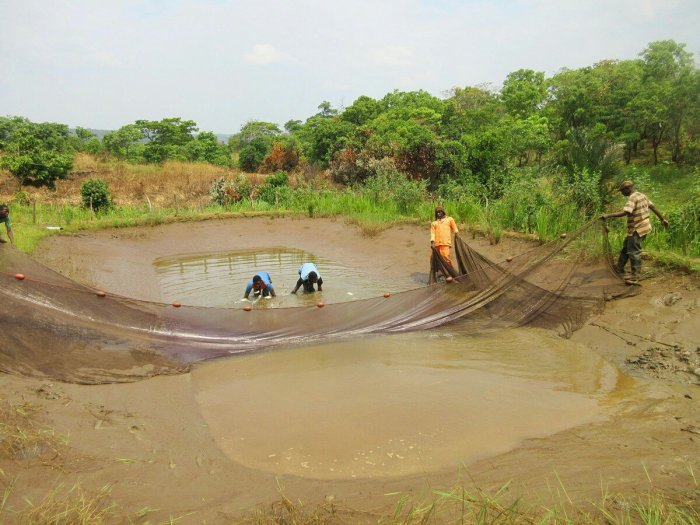
The first step in harvesting is to drain the pond. This makes the whole process a lot easier. The fish wind up concentrated in the bottom of the pond, and there is less water to wade through as you drag the net through the pond. Plus, after harvesting it is better to let the pond dry for a week or two before filling it back up with water. That kills off frogs and unwanted fish that can burrow into the mud. Draining the pond is accomplished by cutting a channel in the wall of the pond, and a net is used to ensure the fish don’t escape.

The trick is to make the kids get muddy while you stay on the bank.

After the pond is drained, it is a pretty simple affair of dragging the net through the pond. This harvest yielded about 20kg of fish. Frankly, that’s about 1/5 of what you would really hope for. But these ponds
have been suffering from predators due to their proximity to the river. I kind of suspect if they had harvested after 6 months instead of a year they would have gotten more fish. There are also more steps that can be taken to help prevent predators from eating the fish, and this should maybe spur my host dad into taking those steps. I don’t feel too bad about it all since SUN provided the fingerlings and my host dad got fish out of the deal. At about 20 kwatcha per kg, a 400 kwatcha payday isn’t the worst.

I told him to pose with the fish. I got this Blue Steel look.

I’m really glad we actually got to do a pond harvest while I was here. My host dad’s other ponds are ready for harvest too, but aside from occasionally harvesting a few fish to eat he has been mostly keeping those as a future source of fingerlings. I don’t think that’s the greatest strategy, and I’ve told him that, but they’re his ponds after all. But we harvested some fish we ate some for lunch the next day, so that was cool.

National Malaria Workshop

IMG_0329

An unflattering picture of our fearless leader, Grace.

This past week I attended the National Malaria Workshop over in Mansa. The NMW was put together by Peace Corps Zambia’s Malaria Committee, a group of volunteers that are dedicated to supporting anti-malaria work via Peace Corps here in Zambia. This was the first time they had put together a workshop like this and I think it was a pretty big success.

To attend the workshop with me, I brought the head teacher from a local primary school, Friday. Friday is a pretty good guy and his school there is fairly beleaguered. He’s actually the only government teacher at the school, and is nominally responsible for a catchment area that includes 600 kids. Because of school fees and the other issues facing school kids in Zambia, he “only” really teaches about 150, and is helped by “volunteer” teachers in the community (these teachers receive a stipend paid for by school fees). I chose to bring Friday because I have previously done some malaria work with him, and he was really enthusiastic about it. Plus, he reported that attendance improved because fewer kids were getting sick with malaria, so he saw the value in the education.

IMG_0319

Friday (in the awesome track suit) getting the kids excited about fighting malaria.

The workshop was over three days. The first day was mostly about teaching us about malaria. Things like how it is transmitted and the history of malaria and the current state of malaria in Zambia. The counterparts really enjoyed this portion, especially some of the videos about how malaria is transmitted and about the lifecycle of malaria. As for the current state of malaria in Zambia, it’s bad. Sub-Saharan Africa is rife with malaria, and it is really hard to combat here. The prevalence of malaria is very high, most people live in far remote rural villages where it is hard for the government to come in and work on malaria eradication, and since the governments of many of these countries are chronically under-funded anyways it is hard to put resources towards the problem.

On the second day, we learned about care groups, which is a strategy for reaching a large number of households. The way this program works is someone like a PCV will lead a group of about 10 volunteers from the community. The PCV will teach these volunteers about malaria and different prevention strategies and the like and then the volunteers are responsible for going out to about 10 households and teaching them. So that way one “expert” can reach 100 households on a regular basis. I thought that was a really good strategy and depending on Friday’s enthusiasm we might implement it. In the afternoon though we introduced Malaria GRS. One of the really cool parts of this workshop is that on the third day we went to a local school and we actually had a field day. So the afternoon of the second day was spent preparing for that.

IMG-20181004-WA0036

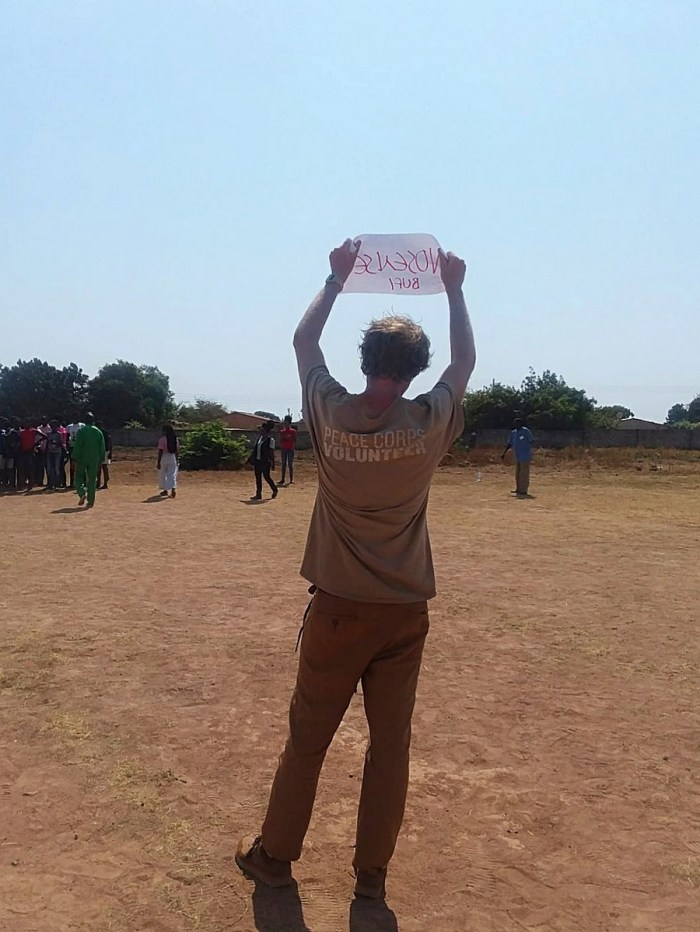
Me, holding up a “NOSENSE” sign.

The field day on the third day was really cool. I think workshops are best when they are hands on; I find a lot of counterparts are visual learners who need to see and do something before they really “get” it. So being able to go to a local school and actually implement some of the interventions we learned during the workshop was awesome. My group was in charge of “Fact/Nonsense,” which is a game where you read the students different statements about malaria, and they decide if the facts are indeed facts or if they are nonsense. Intrinsically, the game is a little boring, but the counterparts in my group (and especially Friday) worked really hard to make it exciting for the kids, with a lot of running around and yelling and all that jazz. It gets the kids talking about malaria and seeing what they already know in a group setting with their friends. We ran through it four times with four different groups, giving different people a chance to lead it. So that went really awesome.

IMG_0331

Counterparts and volunteers from Northern Province in front of the school’s malaria mural.

The workshop wrapped up pretty soon after the field day but I think it really had a lot of value. It brought counterparts together so they could talk about what was going on in their communities, and the workshop taught all of us some cool interventions and strategies for reducing the burden of malaria in Zambia. I know Friday was especially enthusiastic. He kept thanking me for “blessing” him with the opportunity to come to the workshop and learn. Now the trick will be to harness that enthusiasm back in the village to help eradicate malaria, but frankly I don’t think that’ll be too much of a problem. Malaria is such a burden here in Zambia and anything we can do to help ease that burden for our neighbors will be pretty awesome.

Liamba Hill

IMG_0293_Fotor

View from near the top of the hill, looking west.

Yesterday I decided to go on an adventure and went and explored Liamba Hill. I found out about Liamba Hill thanks to the always interesting (if you live near Mbala) Abercornucopia, which recently posted two papers about Liamba Hill, here and here. The two papers describe Liamba Hill as a sort of stone age factory, literally covered with stone age artifacts:

“The whole surface of the western slope of the Liamba Hill formation… is almost completely covered with stone fragments so thickly laid that there is hardly any grass cover and only thin, open bush cover… These stone fragments are largely – in fact mainly – artifacts. In some places there is hardly a natural stone to be seen.”

Liamba Hill is about 14 miles east of Mbala, so I set out early from my house and after picking up some egg sandwiches for lunch in Mbala, I made it to the hill about 1100. Based on various misadventures in the past, I am usually prepared for the worst, but this trip was pretty easy. The road goes right up to the hill and it is a pretty easy climb.

IMG_0282_Fotor

The paper did not mislead and the hill is pretty thickly covered with stone fragments. The paper promised that nearly every stone was an artifact of some sort, and I wish I knew better what a stone age artifact actually looked like. I think most of the artifacts on the hill are actually waste material, such as the stone fragments you chip away from a larger stone to like, actually make the tool. Looking around though, I found some things that I think could have been tools, or at least thrown away rejects.

IMG_0265_Fotor

Spear point?

IMG_0283_Fotor

IMG_0289_Fotor

Handaxes?

Though I am not exactly an archaeologist, the papers promise that every fragment on the hill is an artifact, so sheer chance dictates I found at least a few. I, of course, left them on the hill.

At the top of the hill I ate lunch while enjoying the scenery. It’s currently burning season, and looking over the landscape you could see various fires in the area. That made it hazy, but I could make out Mt. Sunzu several miles to the south along the ridge. If the hill was slightly taller I would have been able to see over the ridge that marks the edge of the escarpment, but looks like I’ll have to climb another hill for that view. Overall it is a very pleasant easy hike with some added archaeology involved. As I’ve noted before, it is still pretty crazy to think about all the hundreds of thousands of years worth of humanity that has lived in this very spot. If Liamba Hill was a sort of stone age factory, the implications of that include trading routes, exchanges of knowledge and food, wars and peace throughout the centuries. Makes a pretty neat spot to eat an egg sandwich.

IMG_0274_Fotor

Brush-burning fires.


South Luangwa National Park

IMG_9905_Fotor.jpg

The lions are by the big tree in the middle background which is like crazy.

Reading this week:

  • Capital in the Twenty-First Century by Thomas Piketty (wow it’s good)
  • The Last Train to Zona Verde by Paul Theroux
  • Zen in the Art of Archery by Eugen Herrigel

So, hot on the heels of going to North Luangwa National Park, I went to South Luangwa National Park. It feels good to have completed the Luangwa National Park set. This trip was a vacation with my girlfriend, along with some friends of ours. It was a very cozy little trip.

IMG_9757

The very scenic Luangwa River.

South Luangwa National Park is technically in Northern Province, but you access it via Eastern Province, near Chipata. The river forms the southern border of Northern Province, and most of the camps it seems are on the southern bank of the Luangwa river, in the “game management area.” That means it isn’t in the park, but there are no fences so the animals can wander around freely.

IMG_9953

Lily in our sweet safari tent.

And lemme tell ya, there area a lot of animals. Having been on a safari or two at this point, South Luangwa seems like there were by far the most animals. Chobe had a lot of animals, and I guess the big difference is that we didn’t stay in or near the park, but the entire time we were at the lodge even we were surrounded by animals. There were velvet monkeys and baboons roaming the lodge throughout the day, and at night hippos would come up on the bank right next to our tent to munch on the grass (it’s nice grass because the lodge keeps it watered). The first day we were there a small family of elephants came right up below the embankment to munch on trees about 10 feet from our tent. So I guess if you want animals go to South Luangwa.

IMG_9734_Fotor

Family of elephants coming over to hang out.

We spent two full days just lounging around at the camp enjoying the scenery and the quiet and the pool. One of the days we went on the “package” though. At this lodge, that includes meals and two game drives. The game drives were pretty phenomenal. The park was packed with animals and we saw a whole bunch. There were, of course, your classic impala and warthogs and the like (lots of bushbuck too, which were pretty unusual in the other places I’ve been). There were several herds of elephants, including some really young little babies that were running around and being cute and stuff.

IMG_9940_Fotor

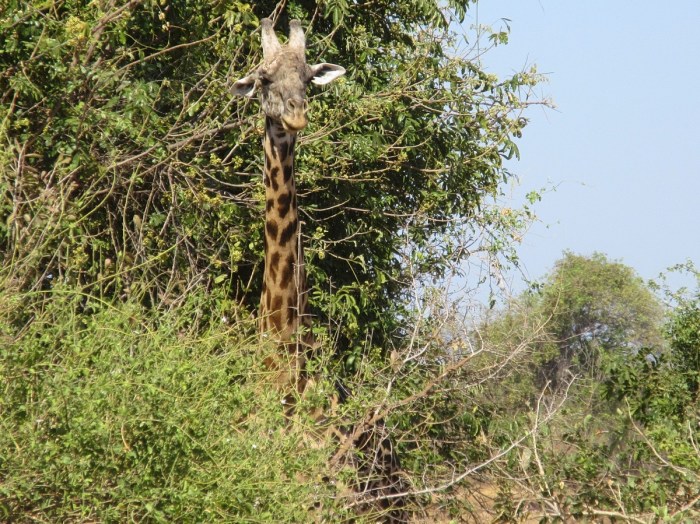
It’s hard to hide if you’re a giraffe.

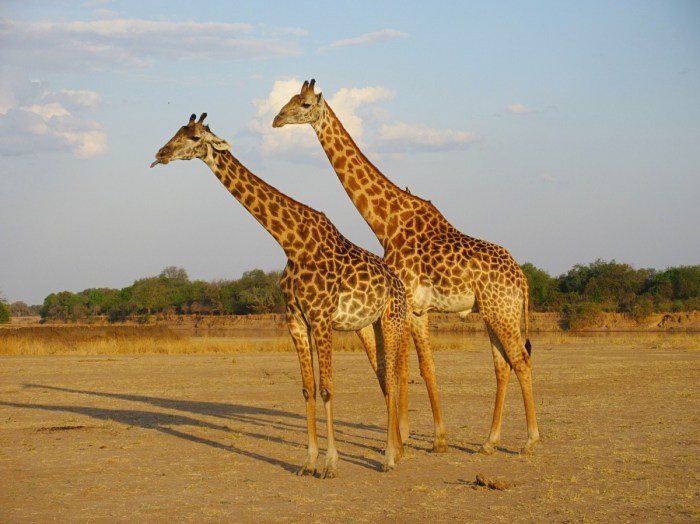
My favorite animal to see on safari is of course giraffes, just because they are so big and gangly and crazy looking. We ran across one small family of about four, and then another big herd with 10 or so. We got up pretty close and watched the birds peck at the bugs in their fur and watched the giraffes munch on trees.

IMG_0038_Fotor

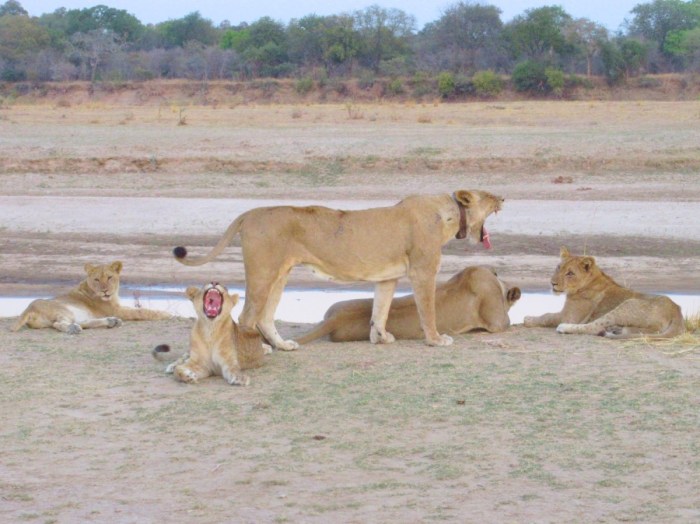
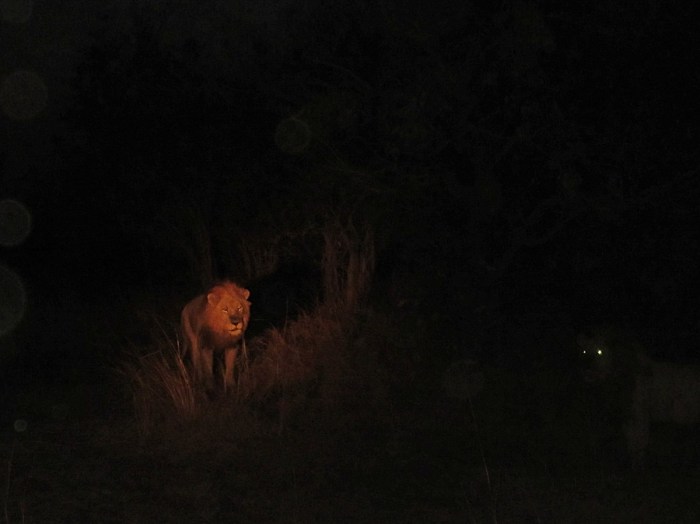
The highlights of the park though were of course the big cats. We were very lucky this trip. The local pride of lions, lead by two 10-year-old males named Ginger and Pepper, had been hanging out near the camps and the guides knew where they were so they were easy to see. For better or for worse, the lions were extremely used to all the safari trucks around and we got really really close. One time when we stopped a lion sauntered over just to take advantage of our shade. When they get that close you remember how scary that really is. On the second drive of the day we even followed the lions around a bit at night which was really cool, because the whole pride, even the cubs, were on the move. We left them to their own devices after just a bit though.

IMG_0082_Fotor

Let the prey come to you.

IMG_0121_Fotor

Yawns are contagious, ya know?

IMG_0167_Fotor

The dots on the right are actually another lion.

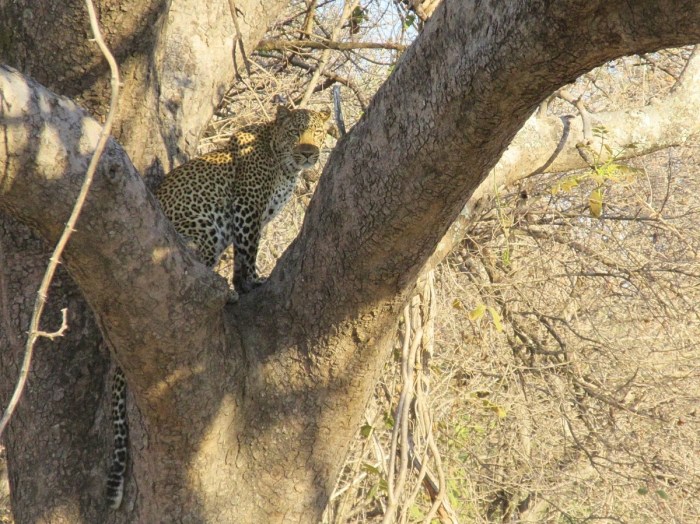
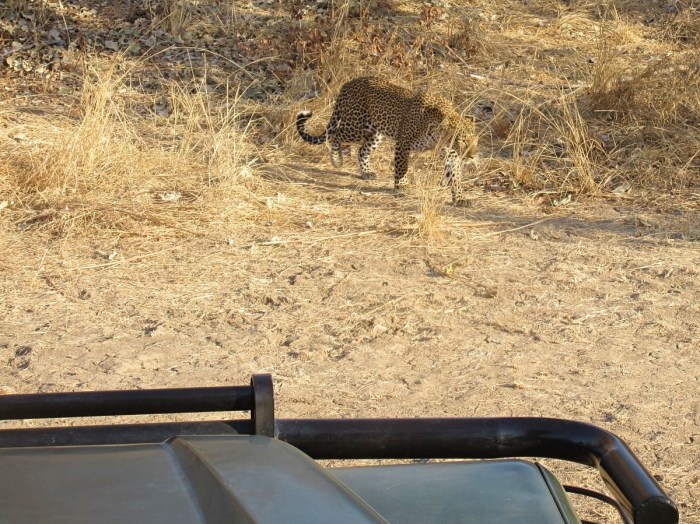
The single coolest part though was the leopard. Again, we were pretty lucky because we showed up during a string of leopard sightings. Seeing the leopard rounds out my personal “Big Five” so that was pretty cool. Our guide didn’t even notice it, but one of the women on the trip was just casually “oh, there’s a leopard in that tree.” So we got some good looks, especially as the leopard walked right by our safari truck.

IMG_9786_Fotor

IMG_9798_Fotor

Even though I had to go all the way out past Chipata to see the park, it was well worth it. There was a wide variety of animals and you got to get really close and be able to see and appreciate them. Definitely a different experience than North Luangwa and again pretty cool to be able to do both.

IMG_0052_Fotor

Bee-eaters enjoying the late afternoon.

Adventures in Charcoal

Reading this week:

  • Foundation by Isaac Asimov
  • Foundation and Empire by Isaac Asimov
  • Second Foundation by Isaac Asimov
  • Foundation’s Edge by Isaac Asimov
  • Foundation and Earth by Isaac Asimov

So I spent some time trying to make charcoal. Specifically, I was trying to make bio-char, which is a fancy name for tiny pieces of charcoal. Adding bio-char to the soil can be really beneficial; it helps the soil retain water and can provide some nutrients. The proof of this is in the above picture, which shows maize a farmer is growing in a spot where he had previously made charcoal and where there are currently little charcoal bits in the soil. The farmers know that these locations are very fertile.

Usually when you go to make bio-char specifically for adding to the soil, the instructions have you use a metal drum. At the rice workshop we also learned to make bio-char using a brick kiln thing. But I didn’t have a metal drum and I was too lazy to make a brick kiln thing so I tried making it without the benefit of these things.

My first attempt was to try to make bio-char in a hole. Step one of this was to get a whole bunch of maize-cobs to make the charcoal with. To accomplish this I employed children. This was a disaster. There are maize cobs scattered all over the village, but I didn’t feel like gathering them myself. So I offered to pay kids one kwatcha for a bucket of maize cobs. Soon I had a deluge of maize cobs. But then kids started trying to cheat me, bringing me buckets of mostly trash with a few maize cobs on top, or one kid brazenly tried to mime that he was emptying an empty bucket of maize cobs into the hole and then asked me for the kwatcha. Kids started getting upset because very little kids would bring me a small bowl of maize cobs and then I felt obligated to pay them too, which the kids bringing me a whole bucket felt was unfair. Then I had parents angry at me that I was paying the kids in money instead of candy and the whole thing was terrible. Lesson learned: children are small and devious and are not to be trusted.
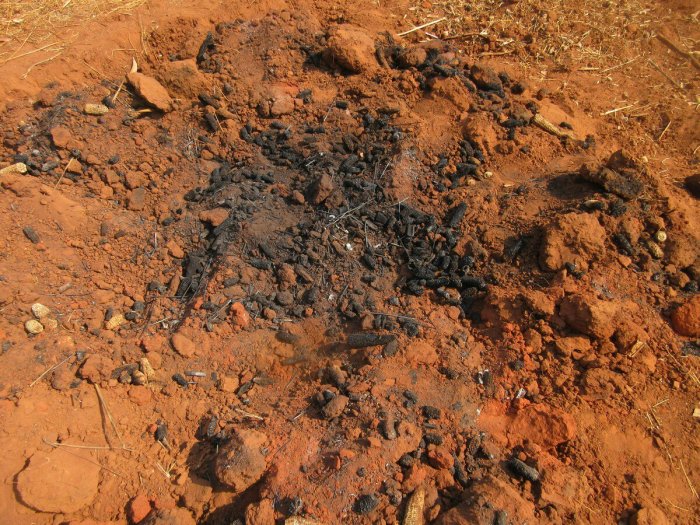
With the hole full of maize cobs, the next step was to cover it in dirt and light it on fire. The trick to making charcoal is to pretty much burn wood (or maize cobs) in the presence of no/little oxygen so it carbonizes instead of burning completely. When I first lit the hole on fire everything seemed to be going well. After I while I sealed it up and waited until the next day. I was disappointed. The hole was never really effectively on fire and I spent a lot of effort just digging up maize cobs.

The next effort was to make a pile above ground and then cover it with dirt. This is how people make charcoal for cooking and the like anyways. I got a little fancy, digging a depression in the soil and putting the straw down as a “wick” so I could light the bottom of the pile on fire effectively.

I made as big a pile of maize cobs as I could. I was pretty limited by the angle of repose, but it was a pretty alright little pile. Then I covered it in dirt (usually mud is better, because it clumps better, but the water was far away and I was lazy) and lit the sucker on fire.

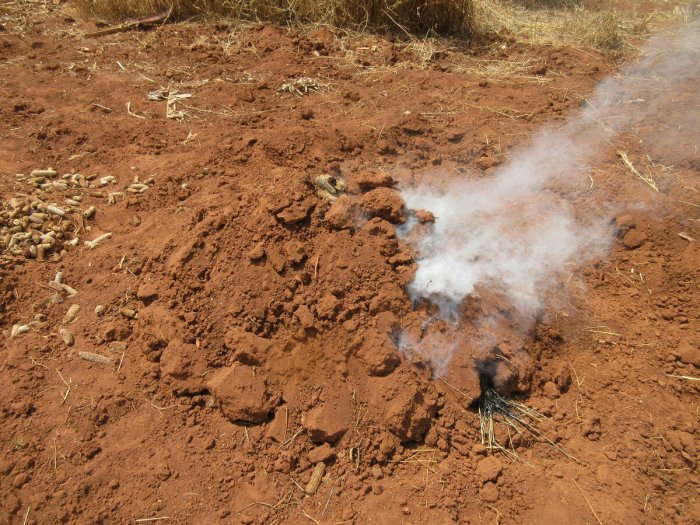
I initially left a hole at the top to let it start to get really on fire. It made a whole lot of smoke, which is a good sign as far as charcoal-making goes. After I felt like it was good and on-fire, I piled more dirt until the smoke stopped escaping, and then left it to burn for the night, checking every once in a while to fill in holes. I actually wound up waiting I think three days, because it was still on fire.

After uncovering the pile I was pretty pleased with the result. There is a lot of dirt mixed in with the charcoal, but I was pretty okay with that; I was just gonna mix the charcoal in with dirt anyways. It is hard to see from the picture, but in the center there is actually a pretty good amount of charcoal in its own little pit in the center.

The charcoal comes own as pretty easily recognized maize cobs, just now they’re black. Maize cobs aren’t too dense, so they’re pretty easily smashed up into tiny little bits of charcoal, which I am excited to add to my soil so hopefully I can really grow some great stuff this year. I have been looking forward to this planting season for months now and I am excited for the rains. After getting the technique down, I made a few more piles of bio-char, especially using all the dried-up weeds and grass I cleared from my yard in preparation for planting. It’s gonna be awesome!

Integration Workshop

IMG_9562

Me, gesturing at chicken poop.

This past week we held the Integration Workshop down in Kasama. This thing was kinda my baby and was quite the hoot.

Here in Zambia, Feed the Future funding is being cut in favor of other countries. Feed the Future has been a really great program here in Zambia, and has been the funding source for a wide variety of food security-related workshops. That’s especially valuable for us agriculture volunteers, as a lot of the funding for programs in Zambia is via things like PEPFAR which focuses on HIV/AIDS. So Feed the Future has been all about giving love to us agriculture volunteers so we can bring counterparts to learn about improved food techniques (anything from beekeeping to orange-fleshed sweet potatoes).

The upswing of Feed the Future funding getting cut is that staff asked around for ideas of what to spend the remaining money on. I have been getting into Integrated Agriculture recently, so I suggested an Integration Workshop. Integration and Integrated Agriculture is all about combining different farming systems to be more efficient and waste less. The big upswing for farmers is that it makes all sorts of different farming practices more sustainable and more profitable. In fact, my new mantra is that fish farming alone is pretty useless. The fish are cool I guess, but it will be hard to raise them well and so you won’t and it’ll be hard to make money because you’re spending money on inputs like fish feed. There’s a lot of low-hanging fruit out there when it comes to integration, but a lot of people just don’t think of ideas so I thought a workshop that presented all these ideas would be really useful. So I made the suggestion and typed up a proposed schedule and they decided to go ahead and implement it. Neat!

IMG_9587

Manure tea demonstration. Poop water smells like poop.

As part of scheduling for the workshop, staff asked me for suggestions for well-integrated farms we could go to. I suggest my host dad’s. He has a copy of an integration manual from 2002, and has been steadily applying ideas from it to his own farm. His fish ponds and gardens are pretty awesome right now, and one of the big advantages of taking people to his ponds is that he has only been at it for a year. A lot of times we take the counterparts to well-developed farms, and I think it is hard for the counterparts to think of where they want to be in 10 years, or they view it as a daunting amount of work. But by showing people what they could accomplish in just one year, I thought it might be inspiring for some folks.

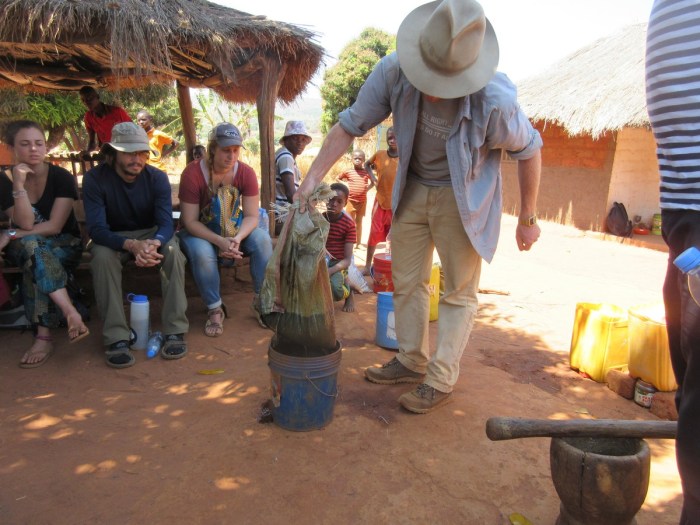
At my site I was in charge of demonstrating some “natural alternatives.” These are generally home-made versions of fertilizers and pesticides that people buy in the shops. Fertilizer is one of the most expensive agricultural inputs, and if we can get people to use animal manure as fertilizer then we’ll save them a lot of money, and probably the environment as well. In the topmost picture I am gesturing underneath the chicken house, with the emphasis being that a raised house makes it easy to collect manure. A lot of people let their animals just go free-range, but that makes it impossible to collect manure. By keeping animals in a night shelter, you can use all that manure in your fields.

Besides just applying manure directly to fields, it is pretty easy to make manure tea. All you do is put some manure in a mealie meal sack that filters water through it easily, then put the sack in a bucket, and add water. You let the “tea” “steep” for about a week, then dilute it some, and you have some pretty effective fertilizer! For free! Besides that, I also showed them how to make some natural pesticides using chilis, and another method for making fertilizer with compost. Meanwhile, down at the ponds, my host dad was showing everyone his whole neat pond and garden setup. I like giving my host dad opportunities to show off because it really keeps him motivated to keep doing more.

IMG_9590

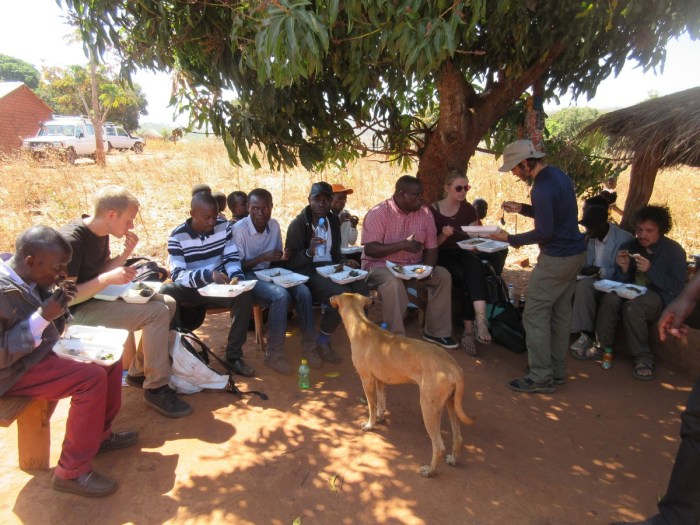
Muka was excited for the workshop because we ate lunch there, and he got the scraps.

When we first rolled into my site I was actually a bit disappointed, because I was told we would be rushing a bit so we could go to yet another site, but it worked out pretty awesome. The next site we went to was perhaps the next level from my host dad’s farm. It was a farm owned by a cooperative of 24 people. They had a very large, well-integrated farm with two whole chicken houses (including an incubator), very large gardens, and several fish ponds. The exciting part with them is that they had just managed to purchase some equipment to make it easier to till and plant a large amount of land. That meant more profit for the same amount of labor. And the most inspiring aspect was that it took only three years to get to that level because everyone worked hard.
IMG_9613

It was impossible to get the cooperative’s whole setup in one picture, but they had fruit trees, gardens, animals, and ponds.

Overall, I think the workshop is a success and I hope we can leave the tools behind for people to do something similar next year, with a different source of funding. It is really vital to get the farmers inspired by showing them concrete examples and giving them hands-on activities. And integration especially is a project that requires thinking about the inputs you have and the goals you want to achieve. Once you get people in the mindset to maximize their resources, their farms just really take off. I told my counterpart he has two more years to achieve what the cooperative did. I think he’ll pull it off.

North Luangwa (Family Vacation Part 7)

IMG_9138

Reading this week:

  • Blink by Malcolm Gladwell
  • Civilization: The West and the Rest by Niall Ferguson (it’s… eh.)
  • Tokyo Vice by Jake Adelstein
  • Poor Economics by Abhijit V. Banerjee and Esther Duflo

With most of the vacation over, my family decided to do one last hurrah and booked two nights in North Luangwa National Park at Buffalo Camp. I was a little unsure of this trip when they told me they had planned it. A lot of Peace Corps Volunteers go to South Luangwa National Park but I had never heard of anyone going to North Luangwa. It was, however, awesome.

Getting there was a long day for us, because we were coming down from Mbala and we were driving for about 10 hours total, with half of that being in the park itself. We arrived at Buffalo Camp after dark, but the place is pretty luxurious so that was fine. We largely had the place to ourselves. Buffalo Camp bills itself as the authentic bush camp experience, and that is probably true, but the “roughness” of grass huts is a little belied by flush toilets and 24/7 hot showers. This rough bush camp was nicer than a lot of lodges I have stayed at in Zambia.

We wound up going on three safaris total over the course of our two nights there. First thing in the morning, after a delicious breakfast and coffee, we set off on a walking safari. North Luangwa is best known for its walking safaris, and it did not disappoint. The bar was actually set pretty high right off the bat, because about 200 yards from the camp we ran into two lions (we were still in the truck at the time). Seeing the big cats is pretty rare on any safari, so right off the bat the whole trip was worth it.

IMG_9168

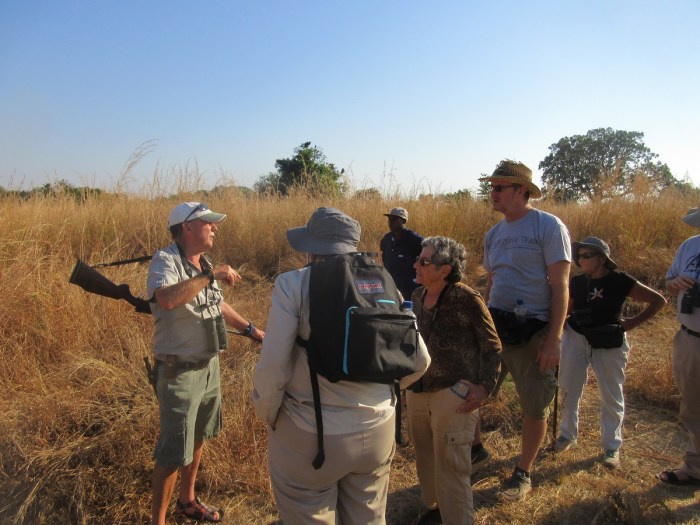
Mark, the owner of the camp, has a lot of experience with the park (having grown up there) and with leading walking safaris. As you can see from the above picture, my family isn’t exactly the picture of adventure readiness, but Mark made sure that even my 92 year old grandma had a pretty awesome walking safari. We didn’t see anything too crazy on the walk, but we did see a lot of impala, zebras, wildebeest, and water buffalo. The coolest part for me was probably mark pointing out things like lion tracks that we were following. And even if we didn’t see a single animal, the landscape was gorgeous and worth the trip. It was really your stereotypical African veldt, made even more stunning with the imposing Muchinga escarpment in the background.

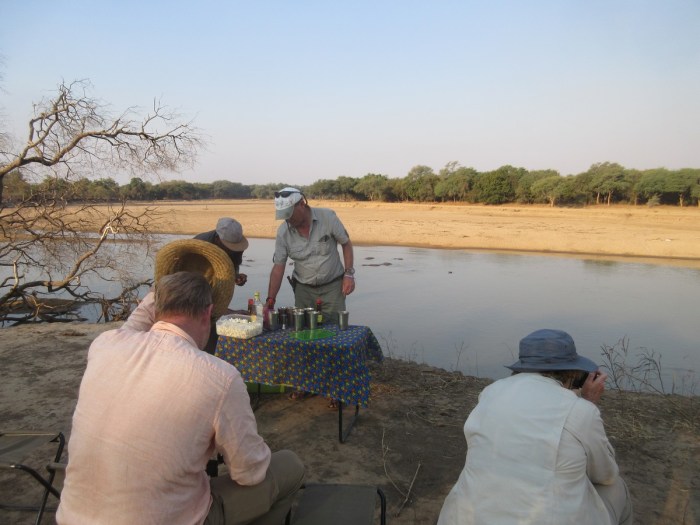
After walking back to camp and having lunch, we set off for a driving safari in the afternoon. The driving safari let us go all the way down to the Luangwa river, where, lemme tell ya, there are a lot of hippos. I don’t think we saw anything too crazy on this part of the trip, animal-wise, but the highlight of this part was having sundowners right on the banks of the river. Mark set up the drinks and we had some time just to hang out near the river. That let us see hippos moving around, yawning, and even a fight or two. It was far better to be on the top of the embankment than down near the river, but seeing some action is always pretty awesome.

IMG_9309

After the sundowners and the sun going down, we set off for a bit of a night drive, but the only thing we really saw were some rabbits. We were of course hoping for leopards and all that, but it was still a really cool experience and after returning and dinner we settled in for the night. I fell asleep that night to the sounds of lions and leopards growling at each other across the river.

The next morning we were heading out but we got one more walking safari in before we left. Instead of following the Marula river, like we did before, this time we walked around a floodplain some and then wound up at a watering hole. They’ve built a little blind here so Mark’s guys served us some drinks and then we were instructed to sit pretty still and quiet. Shortly after we settled down all sorts of animals started showing up to the watering hole for a drink. I was hoping for a rhino but I was not disappointed to see a whole herd of impala, zebras, wildebeest, and even some warthogs come down for a morning drink. There was a hippo in the pond just sort of hanging out, and gobs and gobs of birds like herons and storks poking around the pond for something to eat. Not a bad way at all to spend a morning, lemme tell ya.

IMG_9458

Mom, getting that shot.

This was the last major adventure on the family trip and I think they had a good time. From the camp, we spent a few days making our way to Lusaka, from whence the family flew out and I returned to Kasama for an Integration Workshop. I am really glad they got to come, and although it is impossible to really see “Africa” in anything less than a lifetime, I think they got a good taste of at least my neck of the woods. I am always excited to show off my home here. Mom showed me her final entry in her trip journal, and based on what she said I think they got a pretty good feel of some of the things Zambians face and how they live. If you can make it to Zambia, I do recommend the trip.