Rwanda Day 1

IMG_2804

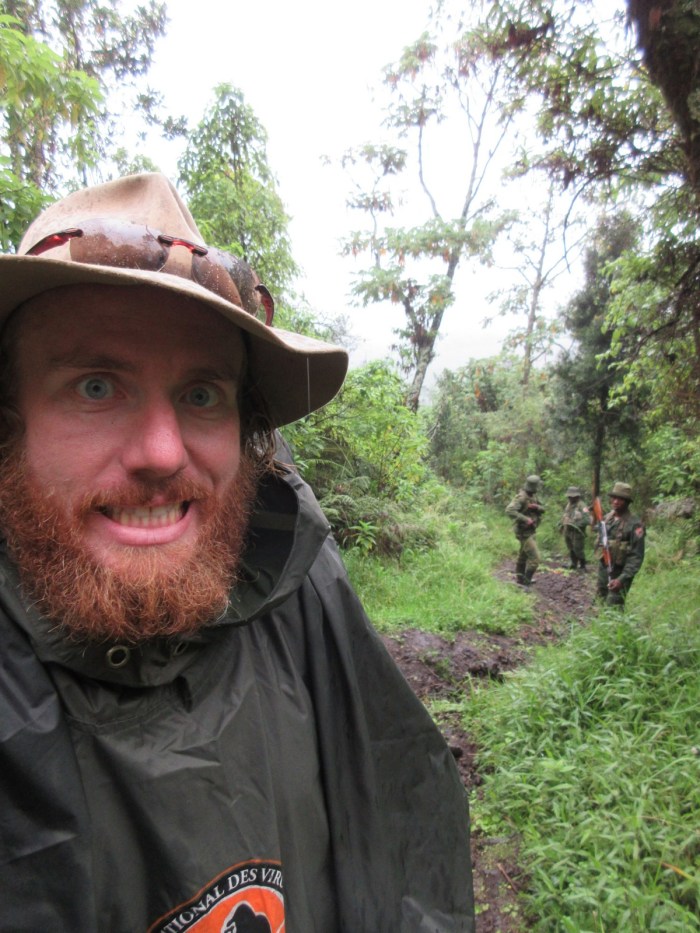
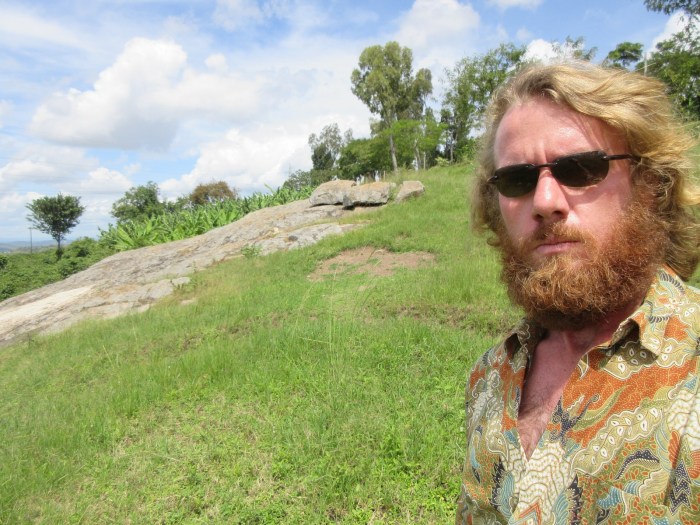
The Rock of Kamegeri. I don’t know why I made this expression.

The rest of my COS trip I spent driving around Rwanda and looking at stuff. To drive around Rwanda I of course rented a car. This was fantastically simple. I called up this car rental agency and 30 minutes later they showed up to my hotel with a car. They didn’t even look at my driver’s license or anything. We drove together to an ATM so I could get cash to pay them, and then they left on a motorcycle taxi. So there I was in the middle of an African city in charge of a car when I hadn’t driven in 27 months. I can happily report that I never crashed and only got pulled over once. I did several times find myself driving on the left side of the road instead of the right, but thankfully there was no one else around.
IMG_2808

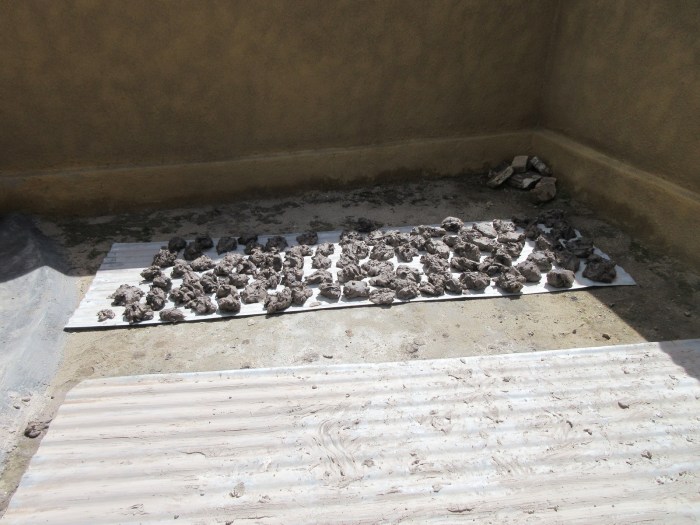
Some lumps of clay that will be pottery someday. I took this picture just to justify my trip to this pottery place.

My first destination was the Rock of Kamegeri. I stopped in town first to get some lunch. Due to my lack of French I only got fries and a salad, but it was pretty good and I went off for the rock. I blew past it at first because it didn’t have the promised sign, but went back, took a picture, and I was on my way to Gatagara Pottery. My usual shtick when left to my own devices on vacation is to look at as much stuff as possible, and in Rwanda I was going hard and fast. Gatagara is supposed to feature local artisans you can see at work. When I arrived no one was there, but the guard at the next door hospital called a dude for me. No one was potting that day, and the dude just opened up the gift shop for me. I bought a bowl and a cup (they both look pretty cool) mostly out of guilt for dragging the guy out there, but it was only about $6.
IMG_2815

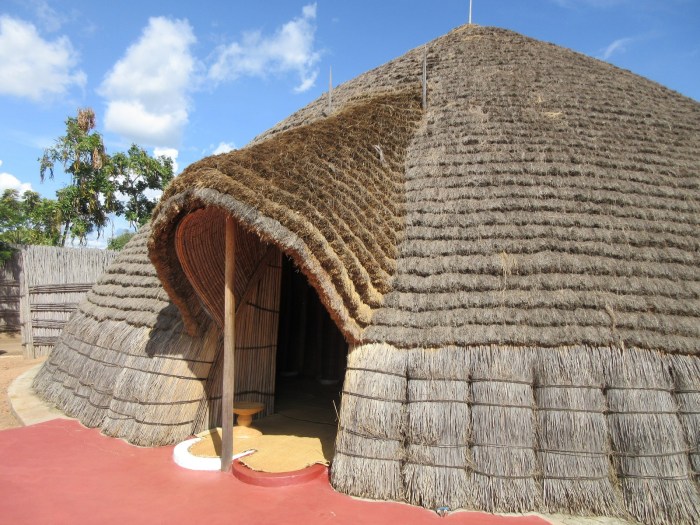
Outside of the King’s Palace.

IMG_2812

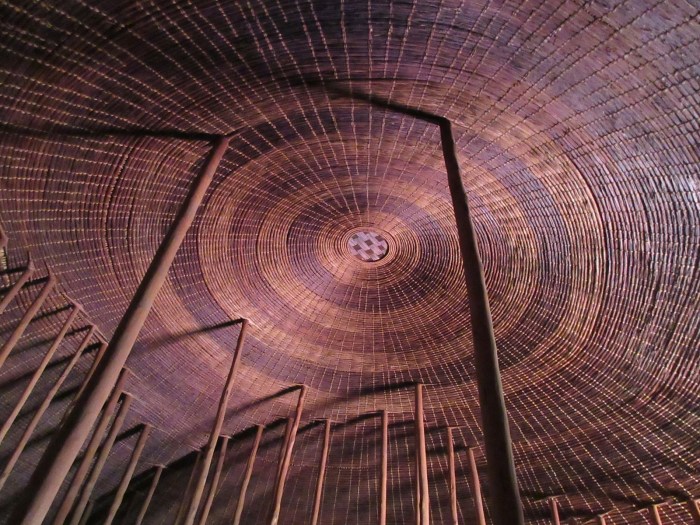
The roof of the palace. The place was fantastically sturdy for being grass.

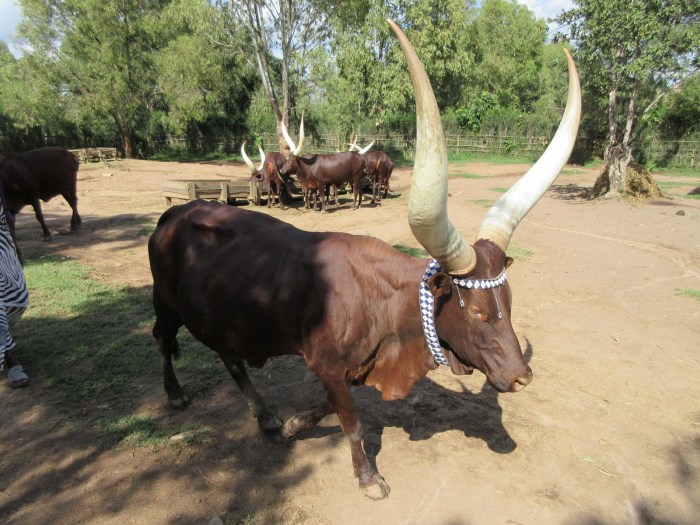
After that I was bound for the King’s Palace Museum. I went to three of Rwanda’s eight national museums that day. The King’s Palace Museum was pretty amazing. So the king (and according to the guy at the Ethnographic Museum, most Rwandans) lived in a giant hut made of grass. It’s woven like a giant basket and seems pretty darn sturdy no matter what the three little pigs taught me. It was amazing just to see the structure. We also met the small herd of royal cows with gigantic horns. The cows are just decorative though; they don’t eat them, and bury the cows when they die. They also had the “palace” built for the king by the Germans (It’s a rather nice and airy house) which was neat.
IMG_2819

Royal cows.

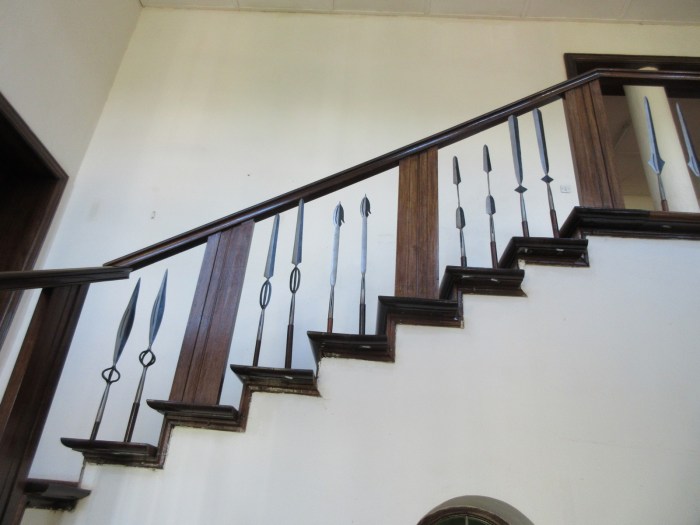
Then I was off to the nearby Museum of Rwesero, which is housed in the new palace the King was having built after a tour of Europe and seeing the other king’s digs (he died before it was finished). The museum used to be the art museum, but is now kinda nothing, and housed on the ground floor some iron smelting products (kinda neat actually) and upstairs an exhibit on fashion, but that was only bad pictures. I didn’t spend long, though I admired the banisters made out of spears. After this it was off to Huye.
IMG_2829

The Rwandans were big into spears, the king especially so. I asked the lady working there and she confirmed the spears were original to the new palace and thus at the King’s own behest. I liked his decorating style.

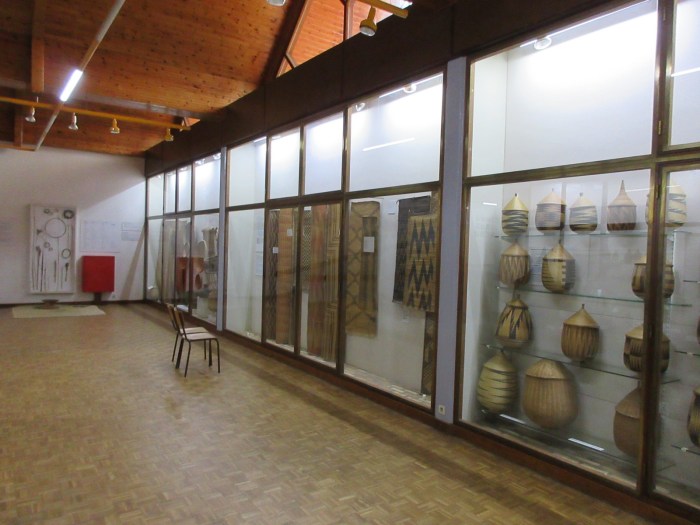
I arrived at Huye at about 1630 and wavered as to go to the Ethnographic Museum, since it closed at 1800. I decided to go and it was enough time. I got a guided tour by an extremely knowledgeable tour guide who was able to answer some random esoteric questions I had about the artifacts. There’s nothing too crazy in the museum (by which I mean I’m not new to the concept of a winnowing basket) but it is very nicely done and has a lot of stuff and like I said the tour guide was excellent and I was alone in the museum. The tour took an hour and I poked around by myself for a few more minutes and then head out. A whirlwind first full day of my actual Rwanda vacation.
IMG_2832

Displays from the Ethnographic Museum.
Nyiragongo Part 2

IMG_2739

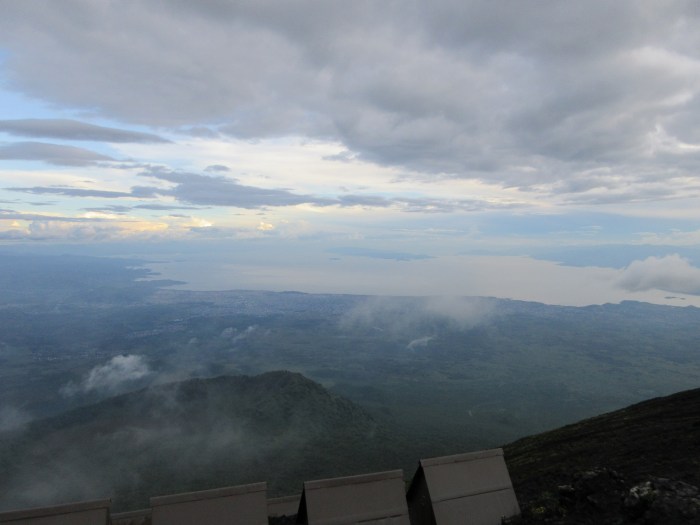
Goma and Lake Kivu from the top of Mt. Nyiragongo.

In our last installment, I had climbed a volcano only to look at fog.

But then! We were sitting in the kitchen and I was looking out the window when suddenly I got a glimpse of Lake Kivu! It was clearing up! So we rushed out and the other two guys got their gear ready to take some pictures. It was so stunning to see the whole vista of Lake Kivu from thousands of meters up, and to see the city of Goma spread out along its shores with its million inhabitants. But by the time we could get a really good view the fog came again. But then the crater was clearing up! We could see the lava! So we ran over to get a better view of the lava but then it got foggy again. But then the lake cleared up again! It switched back and forth a few times and we kept bouncing back and forth before the fog really socked in again.

By that point we settled into dinner. Dinner was phenomenal. The chef announced each course which I thought was downright grand for being on top of a volcano. It started with soup they had hauled all the way from the bottom and heated, and dinner was rice, vegetables, and a delicious grilled porkchop. Highly recommend hiring a chef. Also thankfully after dinner the fog cleared again for a bit giving us a good long look at Lake Kivu. After hanging out for a bit we all went to bed exhausted.

IMG_2765

I noted on Facebook it was “like a lamp I used to have,” but then my mom helpfully pointed out we still had my lava lamp.

Around midnight they woke us up to get a view of the lava lake. The fog had cleared enough to give us a really good view. Right as we got up there to the crater I bothered to look up and you could also see the stars. Because of the other clouds though it was like we were alone in the world except for the stars and the volcano. It was a really powerful sight. I took some pictures and video but mostly I just stood there staring at the lava. You could hear it, even all the way up on the rim, and it’s amazing to watch it bubble and smoke and steam. I thought it was kinda like a pot on a brazier where the heat isn’t totally even and so the pot doesn’t all boil in the same spot. It’s so amazing.

The next morning started pretty early. When I first woke up it was entirely quiet and calm, and I just sat in my sleeping bag for a while listening to the volcano and the wind. I got up, packed, and then stepped out of my hut. Right when I stepped out of my hut it was phenomenal. At that moment the clouds at my level cleared and I could look out over the landscape and a layer of relatively low, patchy clouds added depth to the whole vista. Breakfast was an amazing omelet (I asked, jokingly, if when they needed to start the fire they just dashed down to the lava lake to grab some lava, but our chef just said “no, it would be too hard.”).

We stepped off at 0700 and again the fog was dense, which again I was in favor of because the first part of the hike, all steep rock face, had me scared shitless. The nice part about the descent is that it gets easier as you go along, and the day kept getting nicer as we lost altitude. The way down was relatively uneventful, as we passed the rest points quickly and when we finally dropped below the cloud layer the sun came out and it was a very pleasant hike. We made it down in a tad over 3 hours. We checked back in, loaded up the land cruiser, and head for the border. The border crossing went fairly smooth, though paying for another Rwanda visa is more complicated than I thought it should be. I took a bus back to Kigali despite the taxi driver that took me to the bus stop offering to drive me to Kigali for $100, then $80, and then $50. The bus is only $4 though and it leaves on a schedule, which utterly amazed me.

When I sat down to write my journal for the day I was in a rather nice hotel in Kigali and I could barely believe I had woken up on a volcano that morning. Soon though all my muscles were desperately sore and I passed out almost directly after I had some dinner. Seeing the volcano and getting to experience the beauty of the DRC and Virunga National Park had never really been on my list until I just happened to see it in an Instagram post (on National Geographic’s feed) so it was so serendipitous that I got to do it. I’m going to be looking for any excuse to go back.

IMG_2784

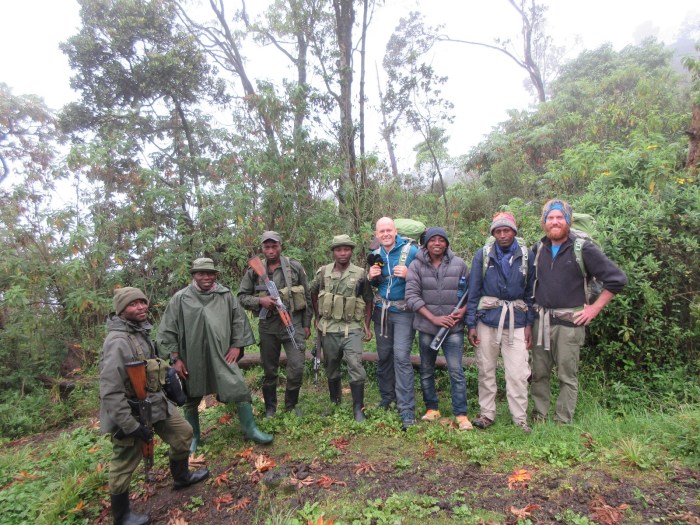
The crew (minus my French friend who was taking the photo).

Nyiragongo Part 1

IMG_2724

There’s lava down there, purportedly.

Reading this week:

  • True at First Light by Ernest Hemingway

It was time to climb Mt. Nyiragongo. This was the other highlight of my COS trip. Nyiragongo is an active volcano in the south of Virunga National Park just over the border from Rwanda in the DRC. People climb the volcano every day and it is a two day event, climbing up one day, staying at a camp at the summit, and then climbing down the next. After another luxurious night at Kibumba Camp I woke up early for breakfast and was driven over to the volcano.

When I arrived at the start of the trailhead there was a pretty big crowd and I was kinda disappointed, but it turned out most had just come down from the summit and I would be climbing up the volcano with just two other guys, Jeremy and YP. They were French and Swiss, and worked for Olam. Jeremy was actually familiar with the Isanya Coffee Plantation near Mbala which was pretty neat. But since the guides spoke French, and these two guys spoke French, I was the only Philistine around that didn’t speak French. They held all the briefings in English for my benefit and man I should have studied my French harder.

I had opted for the full package, so at the trailhead they had a backpack waiting for me with most of the necessary supplies. It included a sleeping bag, a fleece sleeping bag liner, a fleece sweater, a parka, and a rain poncho. I packed a change of clothes, extra socks, a notebook, and my little camera. I should have brought a flashlight but didn’t even think of it. I also should have brought toilet paper, because there isn’t any at the top, but, uh, this didn’t come up. I was actually woefully under-prepared for this whole event, because I only had kinda crappy tennis shoes instead of hiking books, just regular clothes, and my little point and shoot camera felt massively under-powered compared to my Francophone friends’ massive rig. Hiring a porter was an option, but being a manly man of manliness I opted out. Food was taken care of by our amazing chef Honoré and a porter hired to haul food for the whole party.

IMG_2689

IMG_2705

At one point it rained on us.

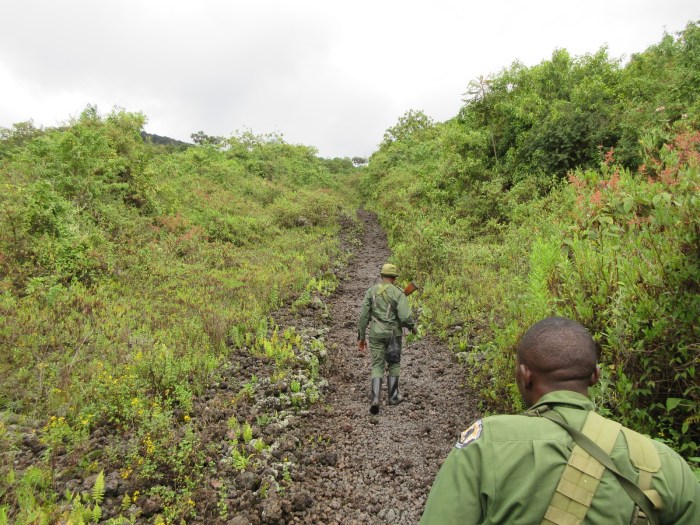
I suppose I’m not exactly a mountaineer but this hike is tough. The trailhead is at about 2000m and the summit is at 3470m, and the trail is 8km long. I guess on average that’s a 9% grade, but it gets steeper and steeper as you go along. We wound up doing it in about 5 hours which is pretty much dead average. The guides will do the trip 2-3 times a week. The first part was a fairly pleasant hike through the jungle. There are a four pre-planned stops along the way and you eat lunch as you ascend (they had given us sandwiches and fruit at the trailhead).

About halfway up you pass by the vent that was the source of Nyrigongo’s 2002 eruption. The trail until that point is on a stretch of lava from the eruption, and the vent is still visibly off-gassing a bit. Besides that though, you couldn’t tell the area had been a lava-strewn hellscape only 17 years before. The lava from Nyrigongo flows extremely quickly, and given the steep sides of the volcano it moves fast. So we are told. The other interesting fact about the vent is that it is at the same height (again so they told us) as the lava lake inside the crater, and there was a lot of mountain left to climb.

IMG_2711

Last rest stop before the final rock scramble.

IMG_2779

After ascending into the cloud line it is very cold. On the way up though I was just in a long-sleeve t-shirt and was still sweating. Don’t try this climb without a change of clothes. Depending on the time of year apparently it may or may not be cloudy at the top, but for us it was walking through pea soup. Not having ever seen the Alps, between the wind and the fog it felt very alpine, which was amazing considering we were hiking through steamy (not that steamy) jungle just that morning. Frankly I was glad the fog was there. The last chunk of the mountain is a steep rock scramble with a big heavy backpack and I was glad I couldn’t see how far I had to fall. Until we were back down it the next day I was scared of the descent the whole time I was up there.

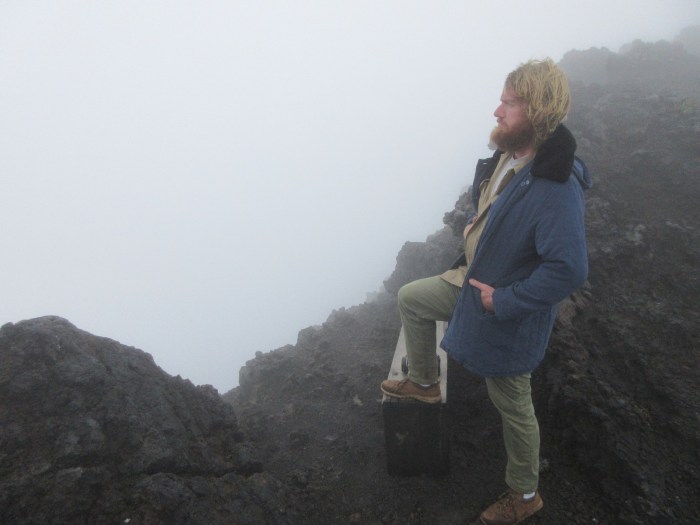
Finally though the small “cabins” of the summit camp came out through the fog and we were at the top! I was a bit ahead of the other guys and one of the guides pointed out the smell, and initially I thought he was talking about the toilet. It was of course the sulfer smell of an active volcano. Besides our immense joy at having finished the hike, exhausted as we were, the top was a bit anti-climactic for us because it was solid fog. I had convinced myself that the heat of the volcano would keep the crater clear but this was not the case. It was pretty amazing to hear the lava boiling some 700m below us. After settling in and changing clothes we mostly hung out lamenting the lack of view for all that hiking. We took some pictures of us with fog and then hung out in the kitchen hut because there was a big warm brazier there. They gave us some tea and hot chocolate and it was a lovely time.

IMG_2720

Chillin’ in the kitchen hut.

Gorillas!

IMG_2654

After two weeks of blog posts about traveling somewhere, finally we’re on some content – gorillas! My first major event at Virunga National Park was going to go see some gorillas in their natural habitat. As explained to us the previous night in a brief by a ranger, we were off to see a family of 27 gorillas that had been habituated to human contact and were constantly tracked by park rangers. I woke up pretty early and enjoyed watching the sunrise over the park and watching the mountains come out of the mist. There was drumming in the distance that started up around 0500 and kept going for an hour. In the morning I also saw some very large hummingbirds getting some breakfast at the flowers around the camp.

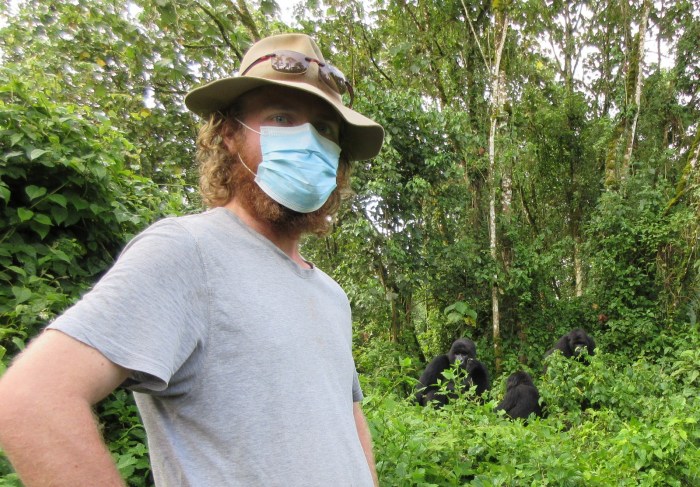
We set off probably around 0730 and after another quick briefing we were off to see the gorillas. They were fairly close, but we had to hike for about an hour and a half up a very muddy trail in the quickly warming jungle. Before we set out they had given us face masks to protect the gorillas. The gorillas can contract human diseases and so we had to stay far enough away and wear these masks to prevent germs. Eventually we got to where the other rangers had been tracking the gorillas and were told to don our masks. We stepped off the trail and looked for gorillas.

IMG_2599

Me with the gorillas.

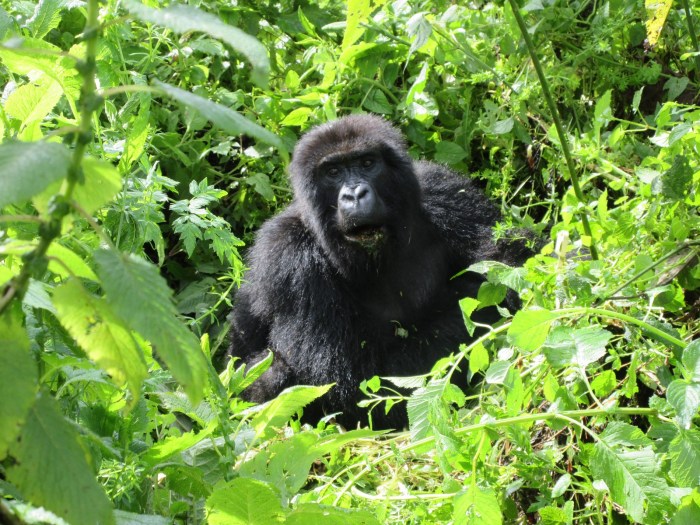
After stepping off the trail, we turned a corner and BAM, gorillas. That was stunning to turn the corner and then just be meters away from four gorillas just chilling on top of a little hill grooming each other. Then I looked around and there were quite a number more in the surrounding area. Experiences like these make me think that bigfoot or the yeti could be real, because despite weighing 500 pounds the gorillas could easily hide in the dense brush and if they didn’t want to be seen you would be hard pressed to spot them.

IMG_2665

IMG_2625

Ranger helping Peter get that shot.

IMG_2675

We had an hour allotted with the gorillas. The rangers try to get you to the gorillas around the time they take their mid-morning nap and therefore aren’t moving much, but we showed up a bit early and wound up slowly following the gorillas as they moved through the underbrush eating leaves. We saw all sorts of fun family scenes. I remember seeing a mom holding a baby and a small juvenile hanging out in a little pocket of green and eventually a silverback came over to hang out. I really enjoyed watching the little baby gorillas, especially the ones that were climbing trees and hanging out up there. They were super cute. What else? A couple of times we got really good looks at a silverback just sitting down eating and then maybe moving away. We saw some larger gorillas climb up trees. I guess they’re not supposed to be all that arboreal but they’re pretty good at it despite that.

IMG_2637

Gorilla in a tree.

At one point a silverback got kinda mad at us I guess and came at us. I dropped into a crouch (per our briefing – you’re not supposed to run) but the guides said don’t be scared. He backed off eventually. There was one what I assume was a female that would keep watching us pretty close as she ate. I scared a baby that was staring at me; I waved my fingers and then it looked surprised and ducked down behind some bushes.

Eventually our hour was up and we head back down the trail. The rest of the afternoon was spent just hanging out at Kibumba camp, staring at Nyirogongo and imagining what it was going to be like to climb it the next day. Seeing the gorillas was really cool, and it was amazing to see them in their natural habitat. I was especially pleased that we had a small group; it was just Peter and I and the rangers and the gorillas. If you want to see gorillas I highly recommend coming over to the DRC; this was according to the biased rangers, but not only is seeing gorillas in Rwanda $1400 as opposed to $400 in the DRC, but the rangers say often they don’t even see gorillas. Plus Kibumba Camp at Virunga is gorgeous and just being in the area was phenomenal.

IMG_2657

The baby kept trying to run off and the juvenile kept dragging him back. Babysitting, you know?

Travel to Kibumba Camp

IMG_2564.jpg

Mt Nyirogongo, viewed from Kibumba Camp bar.

Reading this week:

  • The Rise of Endymion by Dan Simmons

After an evening in Rubavu, the next day it was time to cross over into the DRC to visit Virunga National Park. I was supposed to be at the border at noon, so in the morning I went for a walk. As I was walking around, there were a lot of other people carrying large carafes like the kind you keep hot water or coffee in. I also spotted two people carrying large pots on their heads, and in Rubavu and on the way there from Kigali I spotted a large number of little old women sweeping up sidewalks or weeding hedges. I was impressed. Eventually I took a taxi to the border, though I was delayed again by the president giving a speech or something preventing the taxis from getting to the border.

The border crossing went largely smoothly, though it was a bit confusing. First you have to check out of Rwanda, but there weren’t any signs or anything being like “check out of Rwanda here.” But I figured it out and then just waltzed across the border to the DRC. I had to wash my hands and had my temperature checked twice I think as a precaution against ebola. On the DRC side I had to go through immigration of course.

In the DRC they speak French and I had meant to brush up on my French, but then got lazy and figured my high school French would see me through. I really should have brushed up on my French. At DRC immigration I got in a line and went up to a counter with a sign that said “Rwanda -> RDC.” I figured that was for me but when I got there the dude behind the glass immediately yelled at me “ONE TWO THREE FOUR FIVE YOU GO. ONE TWO THREE FOUR FIVE.” I stood there bewildered and eventually he explained slightly better that I should go to window number five. I went to Window #5, got my stamp, got my yellow card checked, and went to the Virunga office which is right at immigration. Waiting for our ride to the park to arrive, I met Peter from Belgium. He has spent most of his career though working around Nigeria. He’s a pretty interesting dude and liked to talk.

IMG_2800

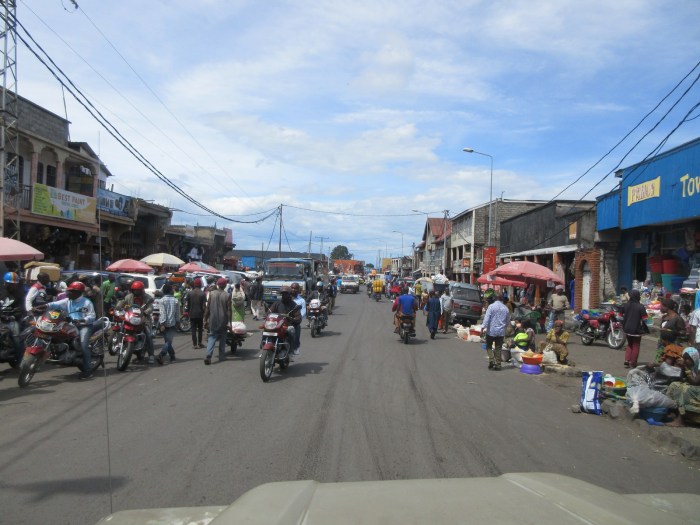
Goma street scene.

Eventually our driver showed up and took us to the park. The thing about the DRC of course is that if you are a consumer of US you only ever hear bad things about the DRC if you hear about it at all, so I didn’t know what to expect. To get to the park we had to drive through Goma, the border town and home apparently of 1 million people. I don’t know what I was expecting but Goma isn’t it. A lot of it was really nice though as you got to the outskirts it looked more familiar to my Zambia experience. I was struck by the stylishly dressed people. I guess I shouldn’t have been but I was. Outside of Goma we went through a checkpoint where we met the park rangers. That checkpoint was kinda wild. There were tons of motorcycles going through, dudes with guns (the rangers), run down buildings and volcanic stone, and it was sorta gloomy and the whole thing had a Mad Max vibe to it.

The rangers showed up and we got back in the Land Rover and drove the rest of the way to the camp. We drove through a few villages. The kids yelled Muzungu at us. The villages had goats and lots of sheep and a few cows, and the trees were these trees that look to me like bamboo but are regular trees, and the views got more and more gorgeous. Eventually we got to the camp and had a welcome passion fruit juice. Almost immediately there was a delicious lunch and then we got shown our glamping tents.

IMG_2554

Glamping.

The tents at Kibumba Camp in Virunga National Park have hot showers and running toilets and hot water for coffee in the room. It’s lux. They have a bar and patio with a fireplace (it was pretty chilly that high up) with stunning views looking right a Nyirogongo. I don’t have the words to describe this part of the country. The volcano was covered with mist most of the day but it rained eventually and cleared up and it was stunning. Off to the right is another volcano, also stunning. At night you can see the glow of the caldera on the clouds. In the evening one of the rangers came by and told us all about gorillas and about our trek the next day. After that I had a beer with Peter the Belgian and a German guy, and then a delicious dinner, and then returned to the tent to find a hot water bottle heating up the bed for me. The DRC is nice!
Travelling to the DRC

IMG_2544.jpg

Nyirogongo from Rubavu.

Reading this week:

  • Endymion by Dan Simmons

After my jaunt to Zimbabwe, my next destination was Virunga National Park in the DRC. The easiest way to get there is to fly into Kigali, Rwanda, and then head to the border from there. Getting to the airport in Harare and flying to Kigali all went very smoothly, and I arrived in Kigali a little after the sun had set. I had arranged to stay at the Teahouse B&B in Kigali, and they sent a taxi to pick me up. First impression of Kigali was that it is beautiful. It was just warm enough to be very pleasant and seeing all the lights on the hills during the taxi drive was amazing. It reminded me of landing in Guam for the first time and driving down the beach with the weather and the lights reflecting on the water.

The next day confirmed my first impression over and over. After a fantastic breakfast at the hotel they called me a taxi and took me to the bus station. Rwanda took some getting used to though after two years in Zambia. In Rwanda they drive on the right side of the road, as opposed to the left in Zambia, so for a while I kept thinking we were driving on the wrong side of the road. I also had to get used to the currency. It’s 900 francs to the dollar, but I would just think of the 5000 franc note as five bucks. Then, when something was five bucks, in my head I’m like “five bucks?! It’s practically free!” But in Zambia in Kwatcha I would hesitate before spending 50 Kwatcha (aka $5) on something. The taxi ride to the bus station was 8000 francs which I felt was pretty cheap, but that’s a 80 kwatcha taxi ride.

The bus station went smoothly with the taxi driver finding me a bus. I got on the bus and we actually left pretty quick. It didn’t really matter though; I thought this trip was supposed to take no more than three hours but it took five. I think this is because we were more or less following the president of Rwanda and there were roadblocks that slowed us down. Some thoughts I wrote down on the ride: First off Kigali is like, so so nice. It’s nicer than American cities. I wonder what the hell Peace Corps volunteers do in Rwanda. If things were this nice in Zambia I’d be thinking to myself “development complete.” At the bus station a guy was walking around selling magazines, and offered me the English-language version of The Economist to give you a sense I guess of what people are reading around here. I was excited to see people growing cocoyam in the gardens I could see by the road. I was also very impressed by the cushions on the bike racks. In Zambia and here people ride around on people’s bike racks. But no one in Zambia has ever apparently thought of putting a cushion on the bike rack, and when I saw that here I was like “oh man that’s genius.” A lot of the buildings also have these super sweet tile roofs, like the Italian (I guess) tile that’s semi-circular. It looks super nice and cool. I also saw sheep along the way which I thought was unusual (also goats and cows). The whole country is comprised of gorgeous valleys, some terraced and others covered in banana groves. I spent the whole bus ride staring out the window mesmerized by how gorgeous it was.

After arriving in Rubavu I checked into a hotel and then set off to check out the town. I went by this crafts co-op where I spotted a knife that looked like a shona knife in Zimbabwe I had wanted to get for my brother. It’s wrapped in what I think is goat hide and is perfect because it is super dull. I bought it, fearful I would never see another like it (this fear was misplaced). When I went into the crafts shop next door they had more of the same. Walking up that street was cool because the street frames Mt. Nyirogongo and man it is imposing. It’s like, 2000 meters above Rubavu and has smoke coming from the top. I can’t wait to climb it. I wandered around Rubavu and eventually bought a black market sim card. Sort of. I stopped by a sim card stand and asked how much. There was a language barrier. He eventually said 3000 which I think it actually about 10 times too much. He asked if I had a passport and I said no. I handed him 5000 and he thought for a bit and gave me the sim card. I asked for change; he said we were “finished.” So I think I bribed my way into a sim card and I think I paid 100x too much considering they are 5 kwatcha in Zambia but oh well.

IMG_2548

Lake Kivu from the bar.

I kept walking and got to the lakeshore, eventually stopping by a gorgeous bar where I had two beers (Turbo King, which I initially figured was motor oil or something) and dinner and another beer. It was lovely and had great views of the lake. The bar also played country music (and “Hotel California”) which, I can never decide how jarring it is to be so far from America, really in the deepest part of Africa (I mean Wakanda is supposed to be nearby) and hear American pop culture. After that I walked back to the hotel. I passed a number of guys working out and a pretty enthusiastic basketball game, both of which impressed me a lot because I never saw that sort of thing in Zambia.

After I got back to the hotel it was slightly jarring to read a news article in Al Jazeera saying a town in North Kivu (Virunga National Park is in North Kivu) was attacked and captured by guerrillas, severely hampering efforts at fighting ebola. I checked and the epicenter of the outbreak was only about 200km to the north of me. Disease and fighting was raging 200km to the north of me but everything where I was felt and looked amazing. I wondered how close it had to get before they close the park?

20190513_110858

Zimbabwe Part 3

IMG_2520
Vendor by Prudence Chimutuwah

Reading this week:

  • Sons of Sinbad by Alan Villiers (Villiers is always phenomenal)

The morning after my visit to Great Zimbabwe I was headed back to Harare. I asked the hotel to arrange a taxi for me and the taxi arrived right at 0400. I was going for an early start because I was trying to catch a 0500 bus back to Harare. This was a bit weird for me because there isn’t a “0500” bus. It seems like the big busses in Zimbabwe operate like minibusses in Zambia, and instead of leaving on a schedule just leave when they are full. The taxi driver helped me get a bus. The first one we tried was almost full (and therefore nominally ready to leave) but the taxi driver talked to the bus driver and the bus driver apparently wanted to sleep for a few more hours before heading out. Like what? But eventually I got on a bus farther into town. This one was nearly empty when I arrived, but that meant I got a good seat and we left at about 0630. We made it to Harare in good time and I got a taxi the rest of the way to the hotel which cost me more than the bus ride.

IMG_2519

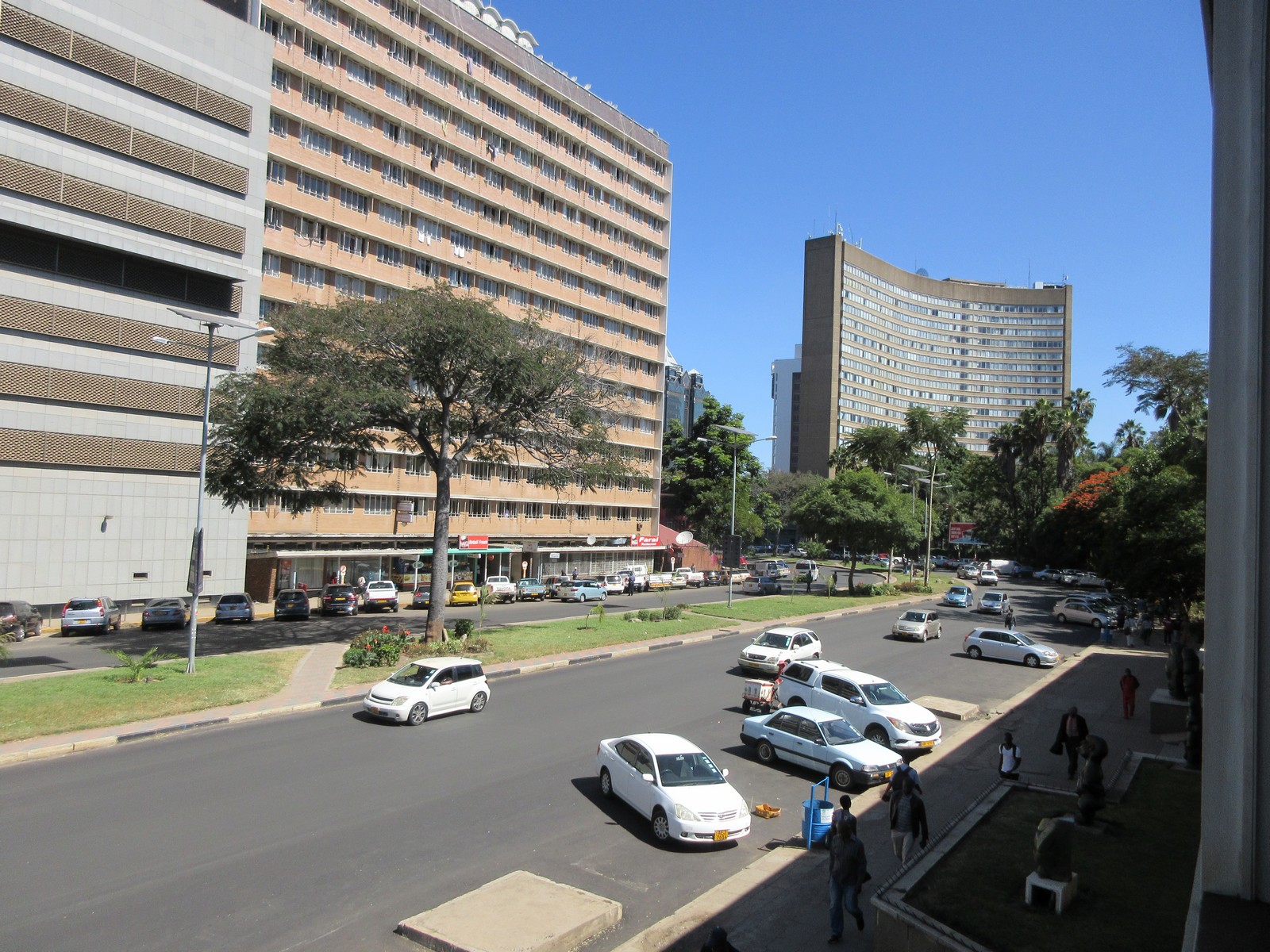
Downtown Harare from the National Gallery.

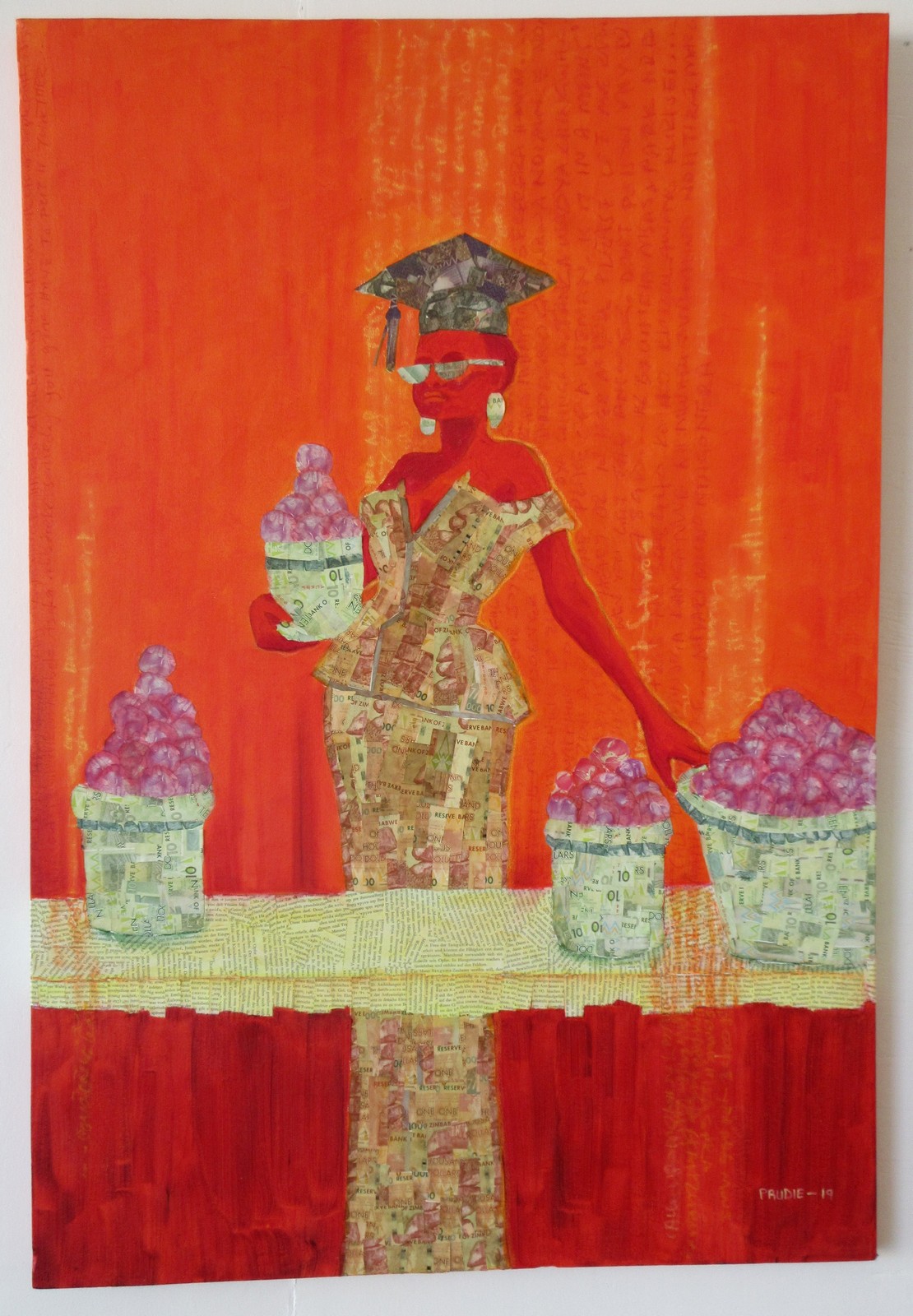
At the hotel I checked in and sat down for a minute and then got lunch. After lunch I immediately set out for the National Gallery of Zimbabwe. I was a bit nervous walking there but by the time I got there I was more comfortable. The gallery is a pretty nice place but not all that big. I saw some art I really liked. My favorite was this portrait of a roadside fruit vendor. She was painted with a graduation cap and cool sunglasses, and the artwork was done mostly out of old Zimbabwean notes. It represents the graduate who can’t find a job and so is selling fruit, but stands tall anyways.

IMG_2534

Flying boat formation.

IMG_2542

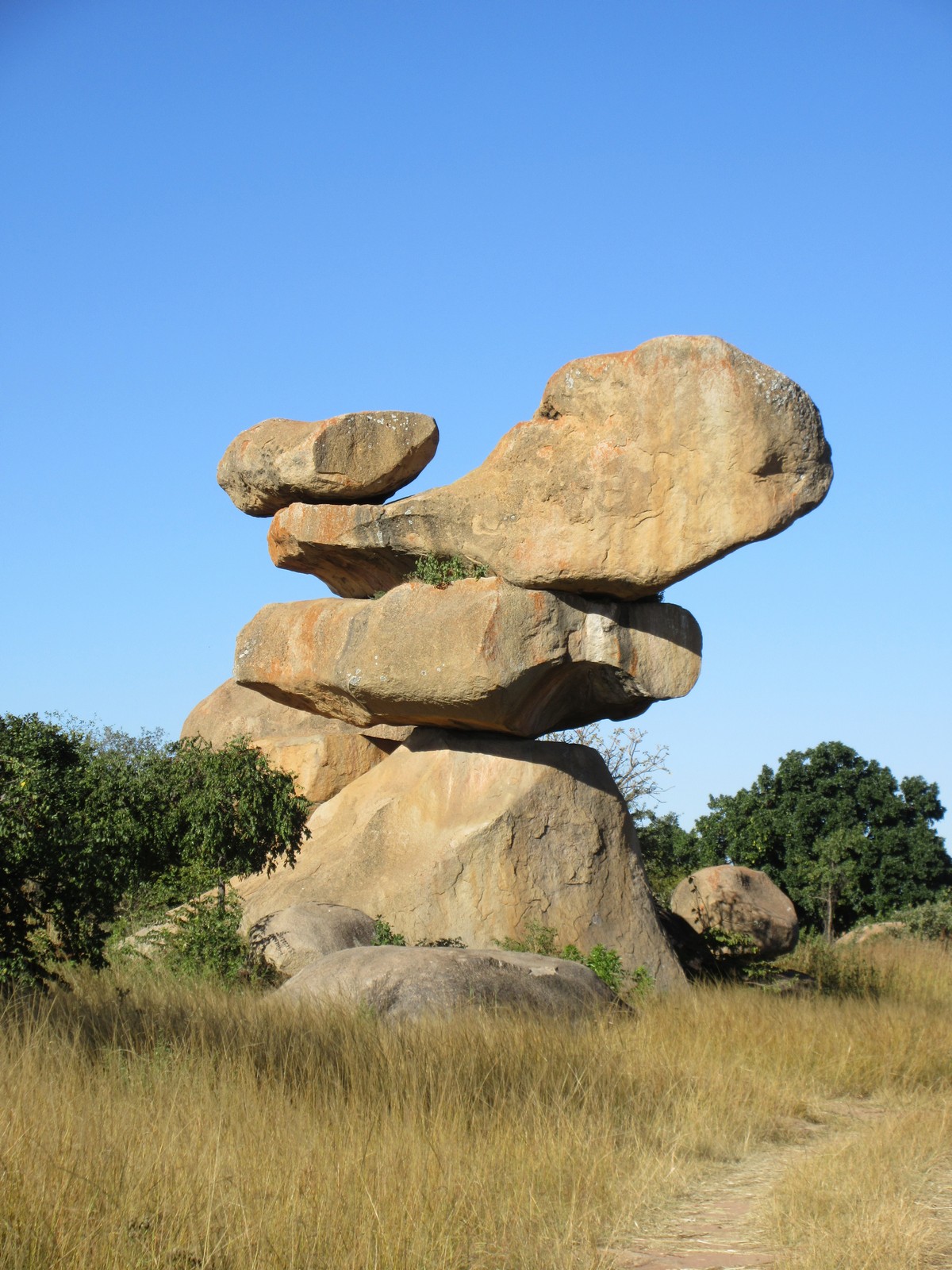
The famous balancing rocks of Zimbabwe.

After that I walked back to the hotel so I could arrange to go to the balancing rocks. The art gallery trip cost me $5 and the balancing rocks cost me $60. I got one of the taxi driver concierge guys from the hotel and he took me out there. He went on the whole tour with me which was kinda nice I guess? The place isn’t too big and we felt crunched for time because he had to go pick someone up from the airport, but then again we saw everything. The rocks are indeed pretty wild. My favorite was called the “Flying Boat Formation.” I found the rocks on the Zimbabwean dollars and had my picture taken there. So that’s pretty neat. It cost $40 for the taxi, $10 for my admission, $5 for the driver’s admission, and I tipped him $5.

All the previous meals I had in Harare were at the lobby bar at the hotel, but this night I decided I wanted to actually eat dinner at the hotel restaurant. I went down too early it turns out and the restaurant wasn’t open yet, so I had two beers at the bar. Then I went to the restaurant and it turns out it is a buffet that costs $30. I felt dumb going back to the bar so I decided to go for it. I had a lot of food and it was really good. The tough part was figuring some of the food out. The biggest hurdle was that there are different Shona words for things, so like nshima down there is sadza. A lady asked me if I knew what one dish was, and I said no (it looked kinda like cikonda before it is quite cooked all the way), and she told me it was like sadza but different, which really wasn’t illuminating. But in buffet style I piled my plate high with all sorts of stuff and I even got dessert and went back for seconds and after that I cleared out because the room was getting crowded and came back to the room where I passed out from a full belly.

Zimbabwe Part 2: Great Zimbabwe

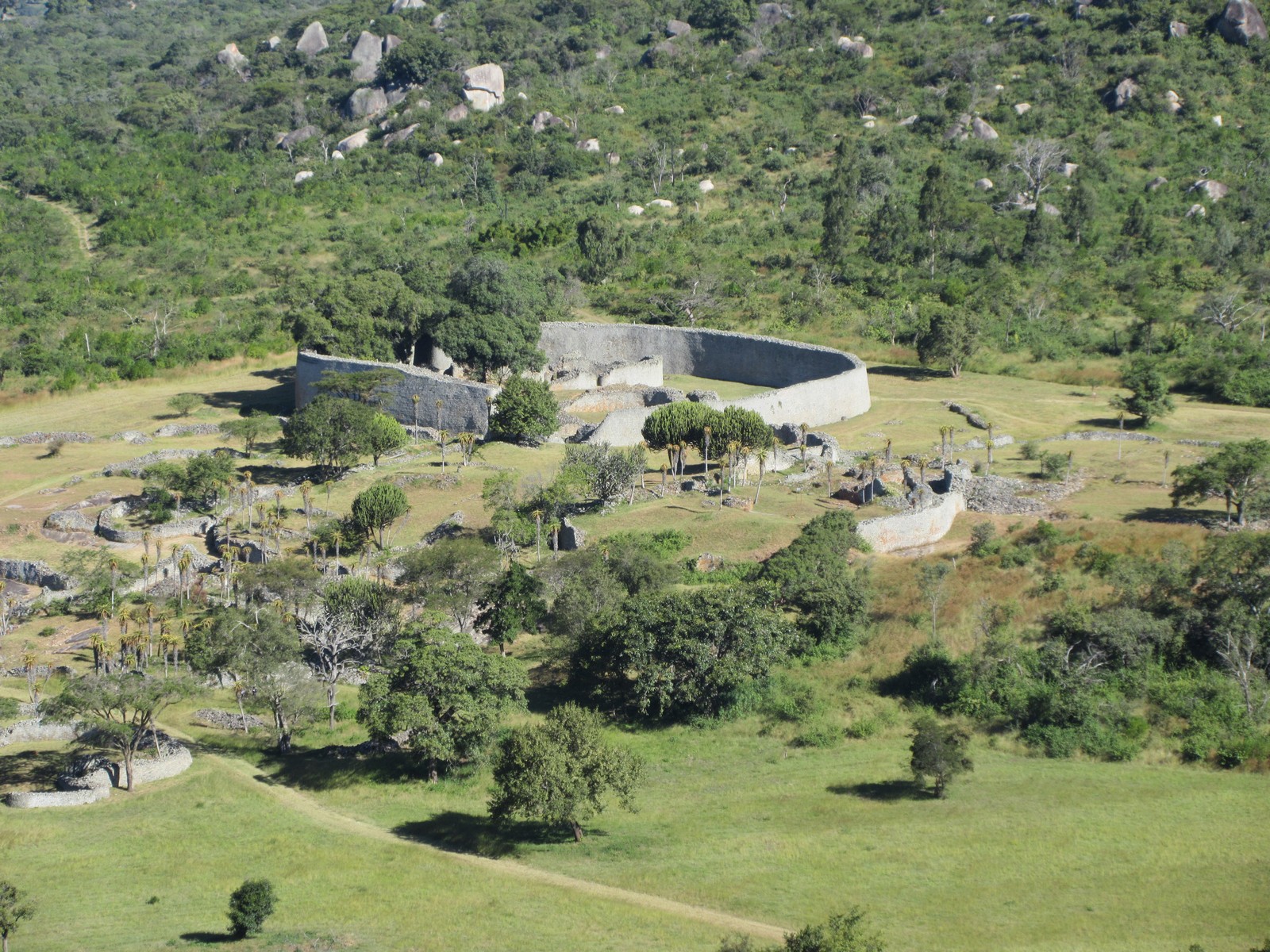
IMG_2137

Great Enclosure from the Hilltop Complex

Reading this week:

  • The Fall of Hyperion by Dan Simmons

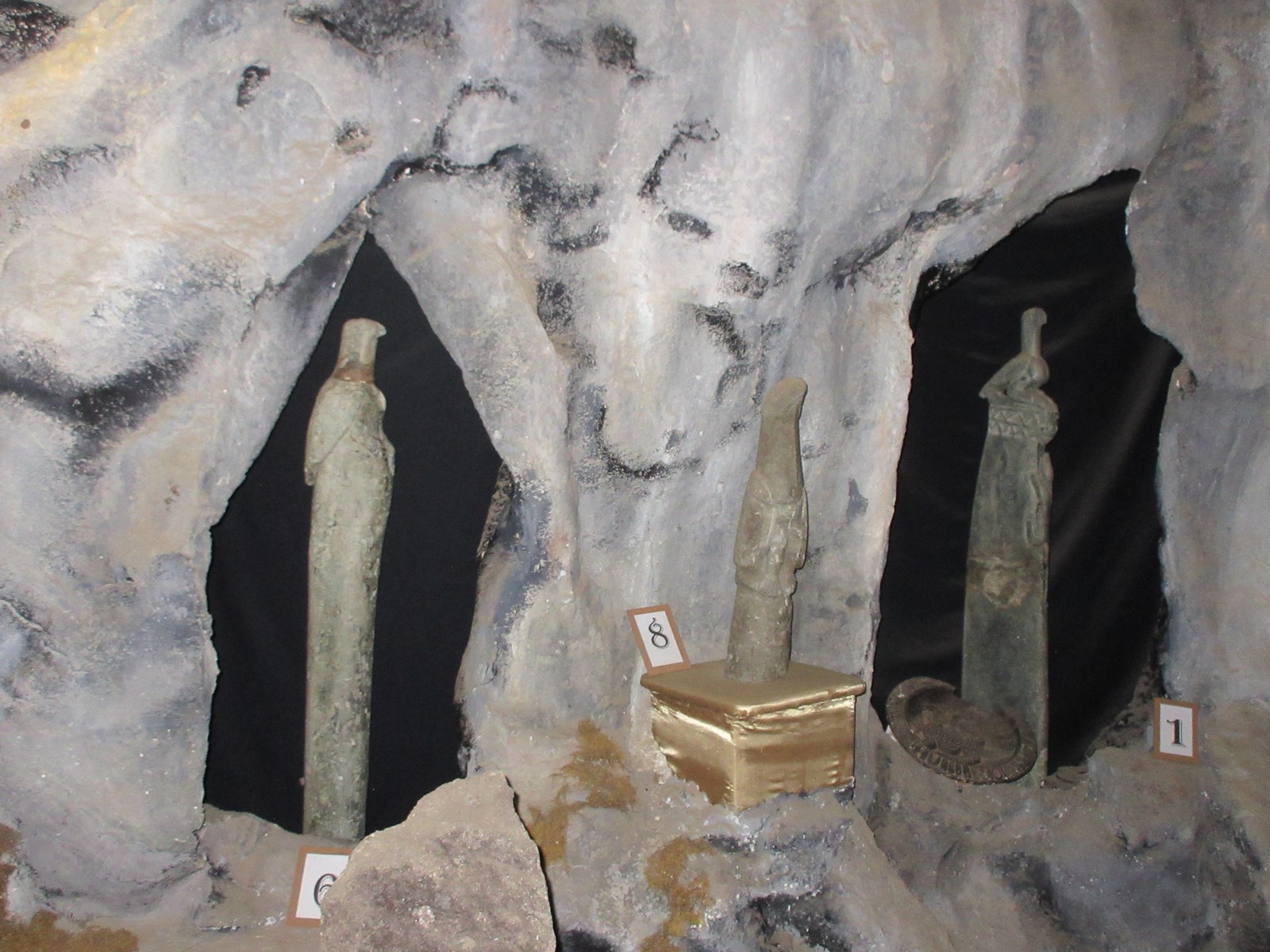
Having arrived at the Great Zimbabwe Hotel, and having learned my lesson from the previous day, I started of by getting a very delicious hamburger at the hotel. It was only about 1300 at this point so I then decided to walk to the ruins. I took the long way ’round accidentally, but made it. I was a little bummed about paying the $15 entry fee two days in a row, but eh, worth it. I also bought a rather battered guide book to Masvingo and the ruins (last copy! they said) and it was been pretty helpful. After the entry fee I went to the museum on site which is pretty awesome and well done, and features the famous soapstone birds of Zimbabwe. They have all seven there. For about a century they had been in rather far-flung museums, because back when colonialists first showed up they ganked the birds right off the ruins and sent them off to their friends. Zimbabwe, however, has managed to recover them and has them on display.

IMG_2504

Some of the soapstone birds.

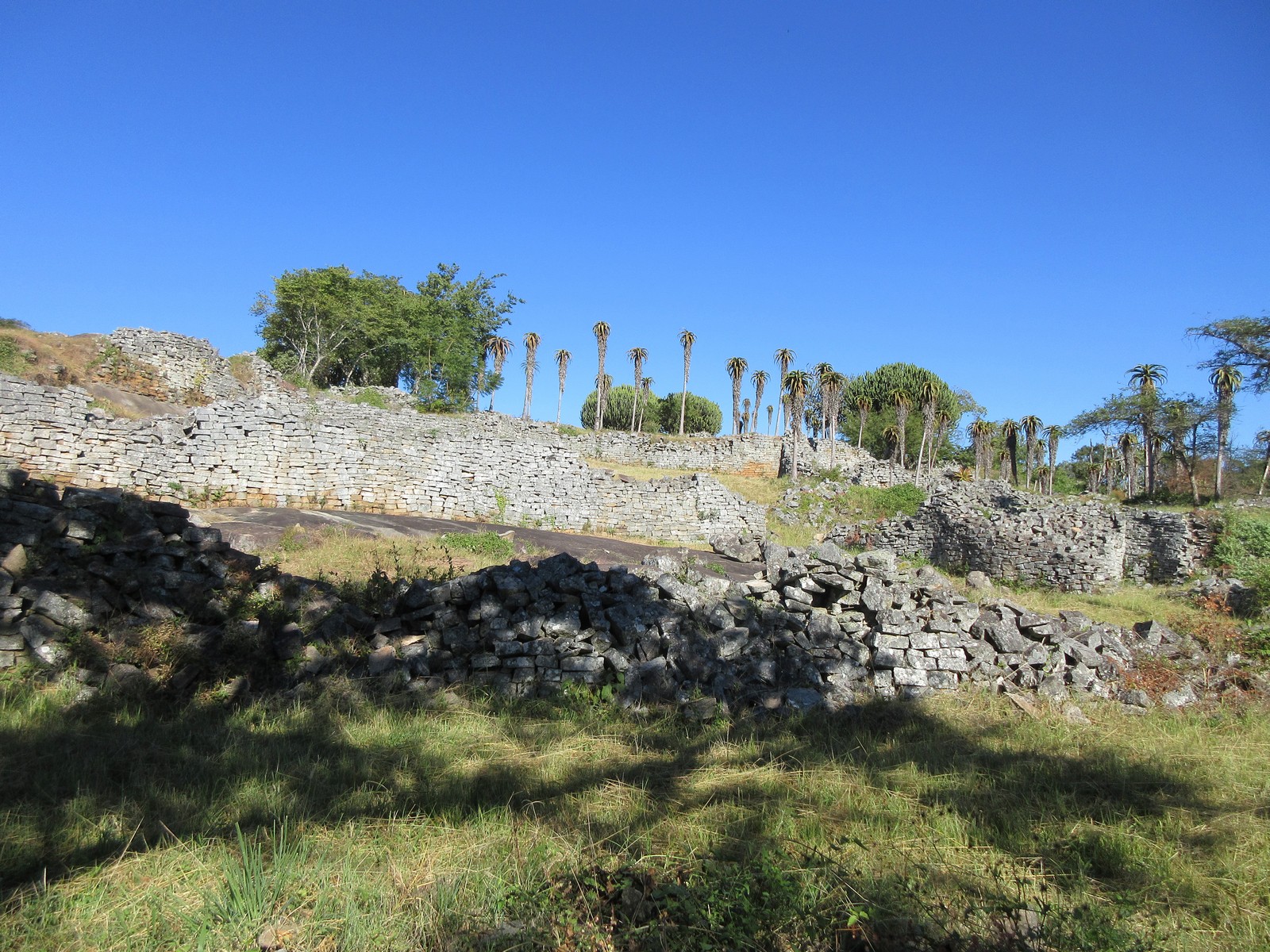
After the museum I went up to the hill site. First off, Great Zimbabwe is way more complex than I thought. I was familiar with the Great Enclosure, which is that thing you see when you Google “Great Zimbabwe,” but it is a much more extensive site. This first day I only managed to poke around the hilltop complex. Building the hilltop complex must have been crazy. It’s perched right on top of a tall, steep hill, and hauling all those quarried rocks to the top would have been a massive labor. All those walls perched on top of the cliff face. The complexity! The views! And between the guidebook and the museum I thought I had a pretty good grasp on the site and was excited to spend the whole next day at the site. According to the guidebook, the hilltop complex was not a fort, but it is an easy misinterpretation to think that because of the narrow passageways leading to the top (easily defensible) and the commanding views of the surrounding areas. You could not sneak up on Great Zimbabwe, that is for sure. In the distance is a pretty dramatic looking valley and you have a pretty awesome view of Lake Mutirikwe. The whole place is stunning and amazing and stuff and like wow. After the hilltop complex I decided to call it a day and took the short way back to the lodge.

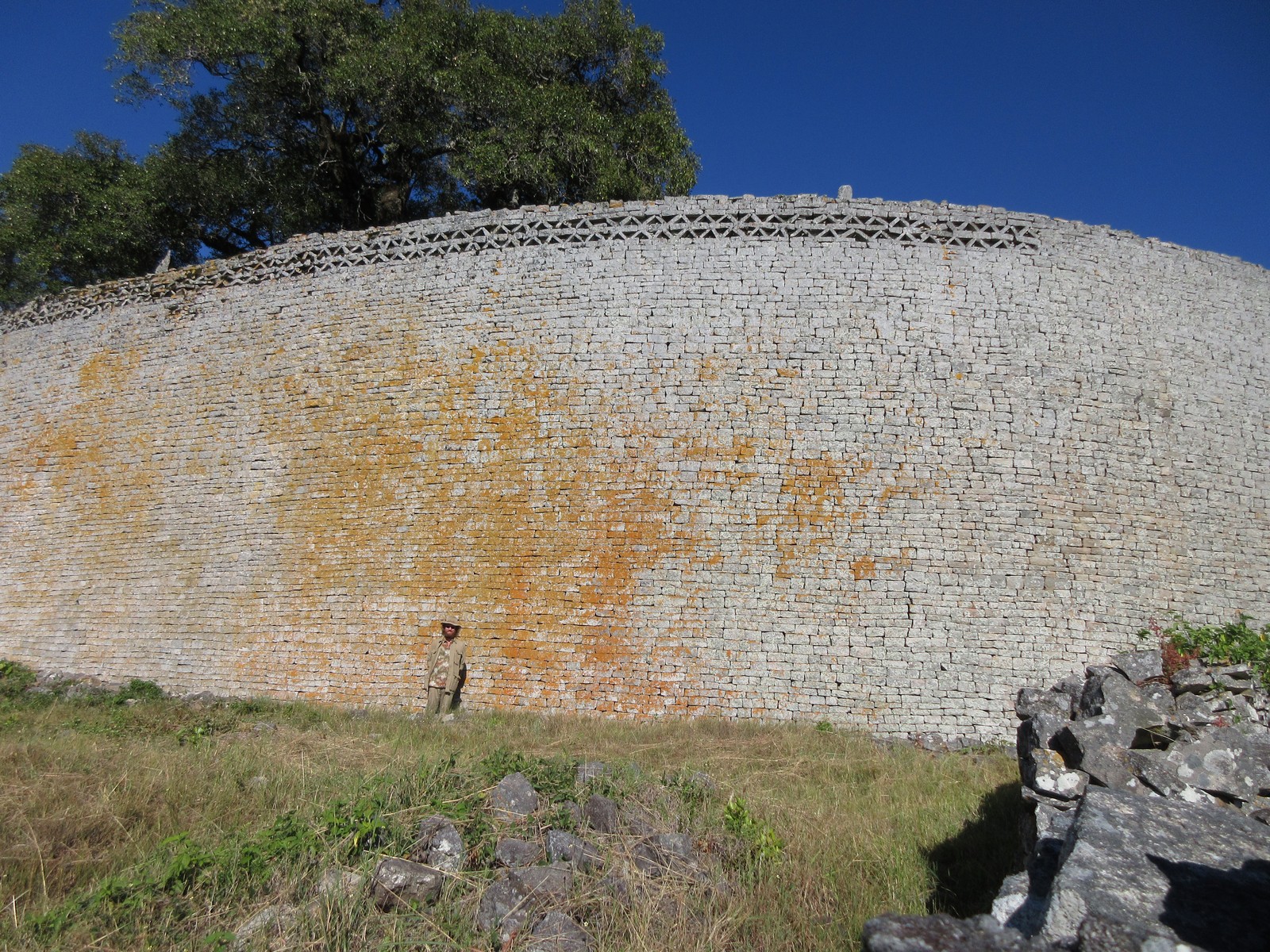
IMG_2252

Me and the wall of the Great Enclosure.

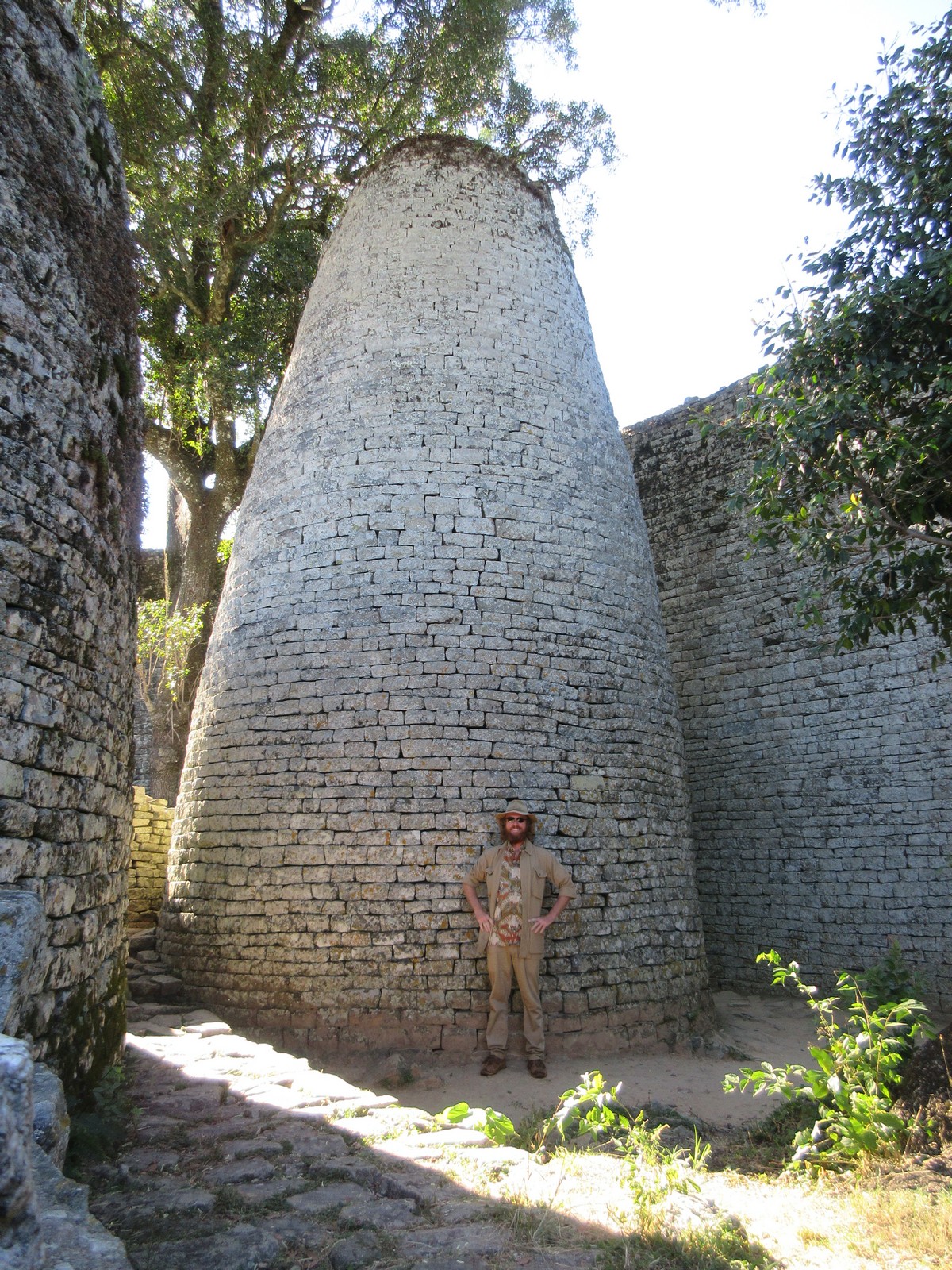
IMG_2189

This structure is thought to represent a grain silo and has been restored after years of treasure-hunters tried to find a non-existent hollow void in the middle.

The next day at Great Zimbabwe was fantastic. I managed to spend most of the day at Great Zimbabwe, justifying staying there for two whole nights instead of just one. I woke up kinda early and had a delicious breakfast at the hotel and got ready to head down to Great Zimbabwe. Luckily the guys at the gate remembered me and let me into the monument without paying again which was really nice of them. The first thing I went to go check out was the Great Enclosure. That thing is pretty huge. I barely know what to say about it. It is really hard to capture the size of the thing in pictures but I tried. It is a lot more massive than it even seemed from afar yesterday. I used the timer on my camera a lot today to put myself in pictures and to try to capture the scale of the place but lemme tell ya it is big. After the Great Enclosure I wandered over to the Eastern Ruins and checked out the Shona village briefly. You can stay the night there for the authentic African experience. Gee I wonder what it is like to sleep in a mud hut?

IMG_2281

My next stop was back to the Hilltop Complex. I wanted to take another look at it since the previous evening I actually had a chance to read the guide book and had a better sense of what things were. The unfortunate part of the hilltop complex today is that I was there at the same time as a big tour group of what sounded like Australians, so I was dodging those people. Though that got me thinking. It was nice to have the whole monument to myself, or to feel like I had it to myself, but then on the other hand it is hard to get the sense of what the place would be like as a city. I mean somewhere between 2500 and 10,000 people lived there (depending on what sign you read) and that is hard to grasp with just a few stone walls. The whole place would have been littered with mud huts. I have some sense of what it would be like because I have been in densely populated mud hut towns but still to see it in situ would really be something else. I was thinking what would it take to get like, 10,000 people on the site all at the same time just to calibrate the right sense of scale. That would be amazing.

IMG_2366

The “stage” in the hilltop enclosure. The kinda bird-looking rock in the upper left of the picture is thought to have maybe inspired the soapstone birds, which kinda don’t actually look like birds but do look like that rock.

My other thought about the Hilltop Complex is that the Eastern Enclosure would be a sweet place to put on a play. It’s already got seating and this several tiered stage (they conjecture it was used for religious ceremonies), and also importantly it has this “backstage” area; the point was apparently that you could pop out on stage from these secluded rock areas. I bet if you wrote a grant for the project and had local thespians put on a play about traditional Shona something something people would eat that up, yo. The other cool part though about looking back in the “backstage” area is that there is a path back there that leads to the “Summit” (there was a sign) that gives absolutely magnificent views of the whole Lake Mutirikwe valley area and like wow man. Like totally wow. These Great Zimbabweans really picked the spot to stay at. After looking at all this (and going down a side path to see the “Water Gate” to view the only example of herringbone wall decoration at Great Zimbabwe, which at this late date has been reduced to four rocks placed diagonally on each other) it was time for lunch. I was gonna eat lunch on-site, but the cafe is lacking, so I went to the hotel for lunch and then ventured back down to the monument. I took another look at the Great Enclosure and the Valley Enclosures, and then a little past 1400 called it a day. The rest of the day was spent in the lodge room relaxing which has been very relaxing, as you would expect relaxing to be.

IMG_2371

View of Lake Mutirikwe from the summit.

In summary for Great Zimbabwe, the site is stunning and should get more tourist attention. I was only really aware of the Great Enclosure before I actually visited the site, and while that is impressive (largest native stone structure in Africa south of the Sahara) I wasn’t aware of the whole city and civilization surrounding the site. The place would have been absolutely magnificent to see at its peak and I only wish there was a way I could really get a glimpse of that.

Zimbabwe Part 1

IMG_2078.jpg

Rainbow Towers Hotel

Once you finish your Peace Corps service, the thing to do is to go on an epic COS (Close of Service) trip. A lot of my fellow cohort decided to go on trips to places like Thailand or Europe, but I figured while I was in Africa I should see Africa. The #1 thing I had wanted to see during my time in the Peace Corps was Great Zimbabwe, which is a stone city constructed in the heart of southern Africa, and is the namesake of the country of Zimbabwe. When I got to Zambia I was distressed to discover that the Peace Corps forbade me from visiting Zimbabwe, which goes to show how much research I did on southern Africa before signing up for the Peace Corps. But being just a regular Joe (a rare state for me over the past decade or so), I was finally able to go.

Frankly I wasn’t sure what to expect of Zimbabwe. I had been following them relatively closely in the news over the past two years and frankly the news coming out of the place isn’t great. Plus I mean it’s apparently bad enough that they’ll ban Peace Corps volunteers from going there, and other people I knew hesitated to go there because they were “dragging pink noses out of cars” (according to these people). So I landed in the Harare airport and it was… great! I remember the airport being super nice. Zambia is working on a new airport, and has been for years, and it looks like it’s going to be nice, but the current one isn’t great. So Zimbabwe was an upgrade. I got my visa and then went super smooth and I went outside and there was a whole fleet of very nice airport taxis with great customer service who I didn’t have to haggle with to get a fair price. The taxi took me to the hotel I had booked online, Rainbow Towers, and that was super nice! I mean, it was $80/night, and if I had paid 800 kwatcha in Zambia for a hotel I would expect it to be nice, but I never stayed in 800 kwatcha hotel rooms in Zambia and it was jarringly fancy for me. They have concierges and everything. The biggest thing that tripped me up was all the prices being in dollars. A guy took my bag up and I tipped him $2, which I thought of as nothing, and it kinda is, but 20 kwatcha in Zambia is real money you know?

IMG_2077

Almost as soon as I got settled I head out of the hotel to go to the National Museum of Zimbabwe. It’s literally right next to the Rainbow Towers Hotel (I could see it from my hotel room window) and since it was like all of two in the afternoon I went over to check it out, even splurging the extra $5 to be able to take pictures to bring you the beautiful photos here. It’s a pretty nice little museum with some well-done displays (at least one had “Zimbabwe” somewhat crudely taped over what I assume was “Rhodesia”). Lots of stuff on the local animals but I was more interested in the cultural displays on the Shona people, Great Zimbambwe, and these cool “pit” villages I hadn’t heard of before (the pit is for keeping goats and sheep, apparently). I wound up spending about an hour in there just marveling at being in Zimbabwe.

IMG_2064

This guy remembered to get lunch.

IMG_2054

Some sweet Shona artifacts.

After that I set off for some food because I had skipped lunch. I wound up in a Foodmart or something that was like, way way way more crowded and intense than ShopRite ever was on its worse day. But I didn’t mind because the cashiers seemed like they were really working hard to keep everything moving. I think I caught like, all of Harare on their lunch hour based on the rush there and in the takeout shops. I eventually got a meat pie and some chips and was very satisfied. I spent the rest of the afternoon at the hotel trying to figure out how to best get to Masvingo the next day. Every taxi driver I met along with the concierge in the lobby was trying to convince me to take a taxi all the way there. This would have been $300, and the offer was kind of attractive, but according to the internet the bus was $8 and a delta of $292 was not to be shaken off lightly. I eventually went to bed without the problem fully resolved but being pretty amazed at Zimbabwe. The exact line I put in my journal was: Harare has been really cool so far and a lot different than I expected (I guess I expected Lusaka, but less democratic?) so I am excited to see what it is like getting to Great Zimbabwe tomorrow. Hopefully it is smooth, ya know?

The next morning the goal was to make it to Masvingo, where I hoped I had a hotel reservation. I got ready and went down to the lobby at about 0630, and the concierge recognized me from the afternoon before when I was asking about getting to Masvingo. He got the hotel chauffeur to drive me to the Masvingo bus, and that lady was super awesome! She first took me into town to exchange some US dollars in Bond dollars. Zimbabwe, in an effort to curb inflation, switched their official currency to the US dollar. This precludes them from printing money, so to get around that they introduced the bond dollar, which I guess is supposed to be worth the same as the US dollar. So $1 USD should equal $1 bond. The actual exchange rate is more like $4 bond to $1 USD. After getting some cash the chauffeur drove me to the roundabout with the bus, talked to the conductor for me, and put me on the bus.

Everything went perfect! The bus was standing room only, and I was standing, but I didn’t care because I was on an adventure! But yeesh they pack those things to the gills in Zimbabwe. This was a big passenger bus, but it seems in Zimbabwe they treat these busses like they treat minibusses in Zambia; they pack them absolutely full, only leave when they are full, and although I didn’t see the top of our bus other busses on the highway also had huge stacks of luggage on top. The trip to Masvingo was only $20 bond though, and frankly that is helluva good price. Along the way the bus played music videos featuring girls in bikinis, a major change from Zambia’s gospel music featuring people gently swaying back and forth wearing too-short ties. They also played a really old nature documentary which I guess was educational, but I spent most of the time staring out the window at the changing landscape.

When we finally got to Masvingo I got off the bus and got a taxi driver. Before we could pile into the cab the bus driver called us over and gave my taxi driver a stern talking-to to treat me right. Talk about service! The taxi driver, for the record, did a great job and the ride was great and the hotel, the Great Zimbabwe Hotel, was fantastic! I can barely relay how excited I was that everything was going smoothly, everyone was friendly, and I had made it to Great Zimbabwe with absolutely no hiccups. As I was checking into the Great Zimbabwe Hotel, I looked at the photos in their lobby of pictures of visits to the hotel by Princess Diana, Queen Elizabeth, and Nelson Mandela, which is a pretty favorable array of clients. The lady that showed me to my room warned me to be careful, though, of opening the windows because monkeys will break in and eat everything.

IMG_2173

The absolutely great Great Zimbabwe Hotel

Things I Learned in the Peace Corps, Part II

I’m not religious, but the Quran describes heaven as a place of gardens and flowing water.

I have gained a whole lot of perspective on how to evaluate the effectiveness of aid. It’s really easy to poo-poo the whole aid business, and point to all the failures, but the biggest thing I probably learned is that most aid projects are going to fail no matter what. I think the aid business (or at least people with Big Ideas and Deep Thoughts about the Business of Aid) are looking for the magic bullet aid project, one that will work every single time, but that is impossible. As an agriculture extension agent, the best lens to view our projects is as new business ventures. Even if the goal of a particular project isn’t a cash crop, I think of them as having business implications. If I ask a maize farmer to grow some orange sweet potatoes so his kids can get vitamin A, I’m asking him to divert time away from maize (where he makes his money) and invest time in these potatoes, and hopefully the payoff (in the form of his kids health or food security) from the potatoes is worth his time and effort, or at least more than the money he lost from growing less maize (and, hopefully it wasn’t cheaper to just buy those same potatoes from some other farmer with the money he would have made from the maize) (I’m sorry for all the parenthesis). If I ask a farmer to dig a fish pond, I’m asking him to spend money buying fingerlings, and hopefully some predator or disaster doesn’t kill all the fish (and lose the farmer his time and money) before he can eat or sell them. So once you realize a lot of these aid projects are businesses, you then have to remember that most businesses fail. This is true even in the best of circumstances, and subsistence farmers are not in the best of circumstances. So if you have a project where you try to convince ten farmers to plant fruit trees and two of them stick with it, it’s easy to mock your 80% failure rate, but it is probably more accurate to applaud your 20% success rate.

I also learned it is really important to frame your definition of success properly. Let’s say you give a farmer a couple of goats and teach him some stuff about animal husbandry. You leave and the farmer does great. He breeds his goats and increases his flock and starts making money. He feeds his family and sends his children to school. He buys a TV but it is kinda cheap and it breaks a year later, but whatever, he’s pretty successful. Then in year four his kid gets cancer, and the only way he can pay for his kid’s medical bills is to sell off his whole herd of goats. To make it a happy story, the kid survives. But then you come back in year five to evaluate the long-term effects of your goat project. He invites you into his hut and you ask him where his goats are, and he says he sold them all. You notice his busted television and you conclude he wasted your kindness by selling the couple of goats you gave him for some quick cash to buy a cheap television. So is that guy a failure because obviously giving a guy some goats isn’t a sustainable project five years down the road, or is it a roaring success story because he fed his family for four years, sent his children to school for four years, and saved his kid from cancer, all for the price to you of three or four measly goats?

I learned that aid takes time. One notable thing about the Peace Corps is that we’re here for two years. When you come in you’re supposed to make sure your life is in order so you can dedicate a whole two years of your life to living and working with the same relatively small group of people. Two whole years! But two years is all of two rainy seasons which is all of two growing seasons. Take my orange sweet potatoes project. I’m a huge orange sweet potato fan. I showed up in the village in May. A few months later I went to an orange sweet potato workshop and learned all about ’em. I came back to my village and my host dad and I spent a growing season figuring out this whole potato thing and increasing our seed stock. Then this growing season we started giving out some seed to some more farmers. So when I leave at the end of my service, after two years of potato efforts, I’ll be able to point to five or six farmers who have planted a small field or two of potatoes. I know, from being here, that’s a pretty decent accomplishment, but if I had come here to start the Orange Sweet Potato Revolution, spreading the Gospel of Orange Sweet Potatoes throughout the land, that’d be a pretty dismal failure. I’m not even sure those farmers will stick with it next year. But maybe next fall, now that people have seen those farmers grow potatoes, there is plenty of seed stock, and people have developed a taste for orange sweet potatoes, there will be a hundred farmers growing them, and maybe a few years after that they’ll have replaced white sweet potatoes entirely and no one will ever suffer a vitamin A deficiency again. But I will never know because I won’t be here, and if I had to re-apply for grant funding or something after two years, maybe those grant people would put their cash elsewhere. It takes a few years to change the world.

I learned that to see the benefits of aid you sometimes have to look in unexpected places. This I think about mostly in the context of Peace Corps volunteers not thinking they have an impact. Your impact can be in a lot of subtle ways. At my own site, my host dad kept coming up with and asking me about ideas he had to improve the integration in his garden. I was pretty stoked he was implementing all these things. Finally one day at lunch I discovered that he had a copy of the Integration Manual that the previous volunteer had left behind. If it weren’t for the previous volunteer, my host dad never would have had access to this whole wealth of ideas to improve his garden, but the previous volunteer had no idea she was still having an effect. I hate unsourced aid stories, but I heard of one village that had really good dental hygeine. This stunned the clinic workers, because the surrounding villages just weren’t at the same level. It turns out that years previously, they had a Peace Corps Volunteer that brushed his teeth twice a day, which the villagers could see because the volunteer was brushing his teeth outside. He never talked to the villagers about it, they never asked him about it, but the whole village started brushing their teeth twice a day because they saw the volunteer doing it. So that volunteer had a years-long health impact on the village and he had no idea. When I went to Camp GLOW (empowerment lessons for girls), we partnered with a local Zambian organization that has programs for girls. One of their trainers got her start when she herself went to a GLOW camp when she was a teenager. So years later she was there working to pass those same lessons she learned onto more and more girls every year, which might not have ever happened if some volunteer hadn’t taken her to a GLOW camp. There are a lot more stories like that if you look, and they all demonstrate long-term, positive effects of aid and of individual volunteers that no one is going to think to measure for until you start looking for stories. I learned that aid can matter a lot, even if the number of fish ponds you manage to get dug is pretty small.

There is probably nothing I learned in the Peace Corps I couldn’t technically have learned out of a book or from some aid worker’s blog posts. But after 27 months of living and working on the ground in a developing country, right next to the people who need help the most, I have gained the perspectives I think are vital to really understand the problems people face and to ask the right questions for the world’s challenges.