Mpulungu

Reading this week:

  • Mother Night by Kurt Vonnegut

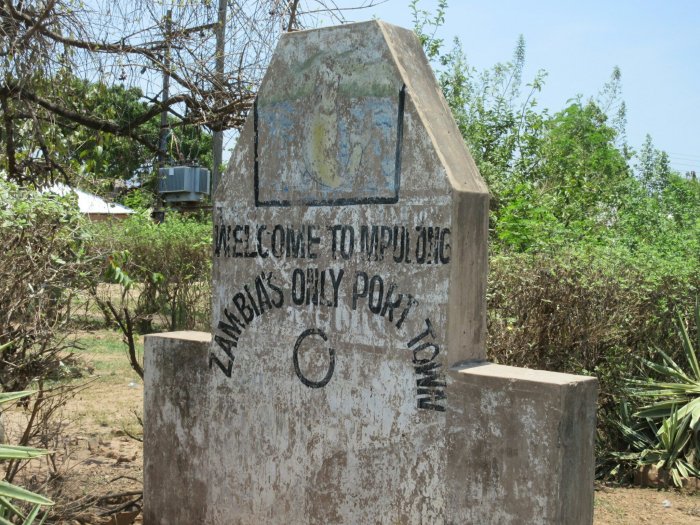
This weekend I took a trip to Mpulungu. Mostly I just wanted to see it, because it is relatively near me, and also I was looking for the SS Good News. I decided to bike to Mpulungu and that wasn’t too bad. From Mbala it is downhill and I managed to get to Mpulungu in a little over two hours.

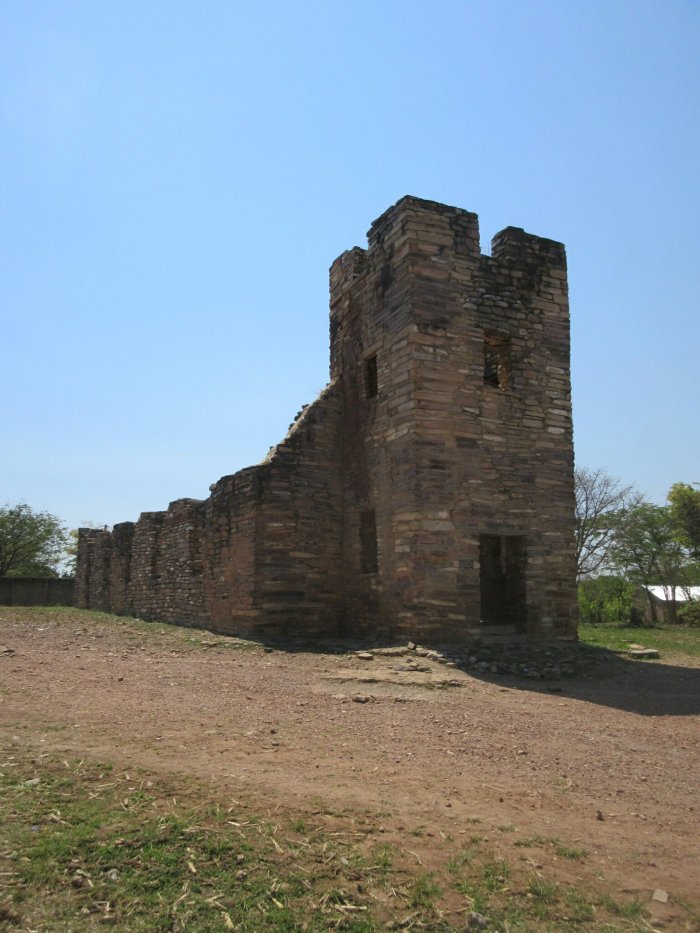
Upon arriving the first thing I did was bike around to get the lay of the land. I very quickly ran into Niamkolo Church. I guess it is pretty obvious what it is, being the only real tourist attraction of Mpulungu and looking pretty church-like, but there wasn’t even a sign. A small, nearby pillar has a plaque describing it, and that’s it. Niamkolo Church, by the way, was built by the London Missionary Society in 1895-6, and it was used until 1908 when the amount of sleeping sickness in the area prompted the society to move further inland. The church’s current claim to fame is that it is the oldest still standing stone structure in Zambia. It is cool to see and it doesn’t really take long to take it all in; there are some walls and a belltower but no roof. Some thorny branches in the doorways made it clear people would rather you didn’t go in there.
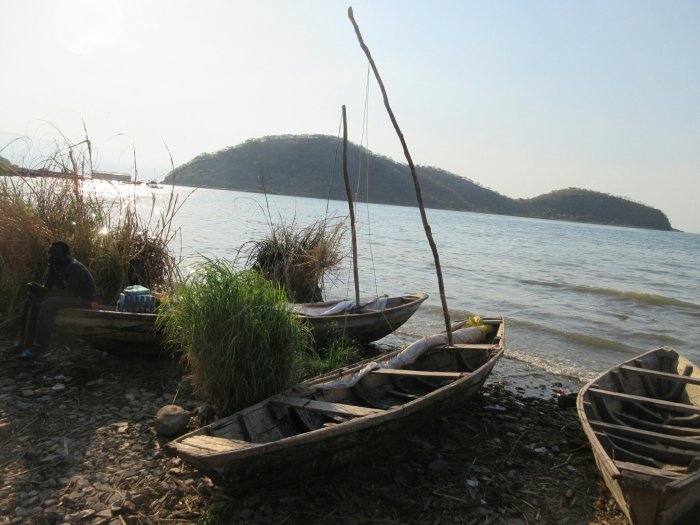
After checking the church out I went to take a look at the harbor. Mostly, I like looking at harbors, but also my dream here was to find a sailboat and then I would make friends with the owners. Alas, no sailboat, which wasn’t really a surprise. I was kinda surprised by the overall dearth of boats, but maybe the fishing fleet was out on the lake. The lake is pretty beautiful. It quickly disappears over the horizon, which isn’t surprising, because it is the longest lake in the world. Second oldest and second deepest, too. In the evening, I did eventually stumble across two small fishing boats that had a mast and sails made of mealie meal sacks. I’m not sure what kind of performance they get out of those sails.
After getting some nshima for lunch, I head out for the real object of my quest: to find the SS Good News. This boat was the first steamship launched on Lake Tanganyika and was built by the London Missionary Society, of Niamkolo Church fame like I just mentioned. This boat is apparently up on blocks now as a monument, but the location is hard to pin down for lack of good information. A few different websites said it was at a particular GPS coordinate in the vicinity of Mpulugu, so I spent some time trying to get to the spot and find it. I was very nearly overcome with heat exhaustion and dehydration getting there and back, but I got to the spot. There was no boat. Wherever the SS Good News is, it is not at 8°46’0.01″S 31°7’59.98E. I did see some pretty views though.

After the SS Good News adventure, I found a lodge and settled in for the night. Having been here, I have to agree with what most of the tourist books say, that Mpulungu is only really worth visiting if you’re passing through. It’s nice, but unless you really want to see Niamkolo Church, there’s not much else to do.

Sweet Potato Workshop

Reading this week:

  • Bluebeard by Kurt Vonnegut
  • Hocus Pocus by Kurt Vonnegut
  • Breakfast of Champions by Kurt Vonnegut
  • Player Piano by Kurt Vonnegut
  • Sirens of Titan by Kurt Vonnegut
  • Jailbird by Kurt Vonnegut
  • Slapstick by Kurt Vonnegut
  • God Bless You, Mr. Rosewater by Kurt Vonnegut

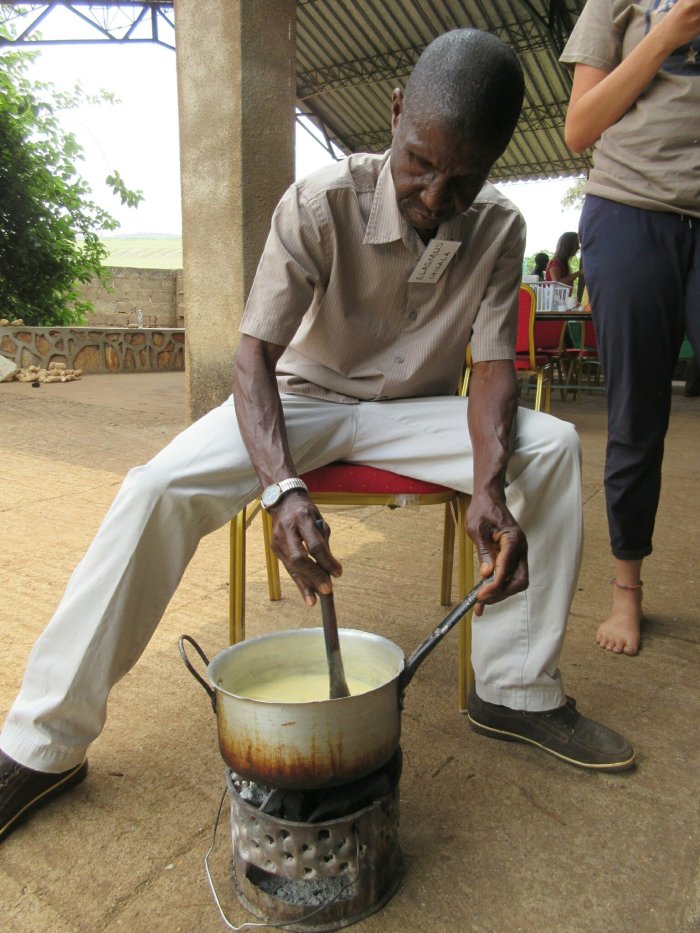
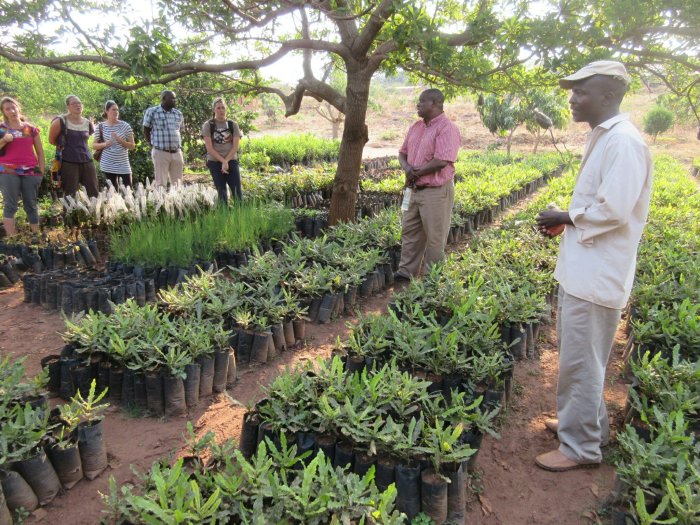
This past week I attended an Orange-Fleshed Sweet Potato and Orange Maize workshop over in Chipata in Eastern Province. This was a pretty good workshop and like always I am excited to see new parts of Zambia. The advantage of OFSP (what the cool kids call those sweet potatoes) and orange maize is that they are high in Vitamin A. Vitamin A deficiency is a fairy large problem in Zambia, and there are a couple of different initiatives to get it into everyone’s diet. The sugar you get in Zambia is an off-white brown because it is fortified with Vitamin A. Another one of those initiatives, of course, is OFSP and orange maize. The first two days of the workshop were all about growing sweet potatoes. I suppose with both orange maize and OFSP the methods are pretty much the same as growing the not-orange variety, but I guess fewer people know how to grow sweet potatoes so we spent nearly all the time on that. Practically everyone in Zambia grows maize so that wasn’t really talked about, except for some strategies to avoid cross-breeding the white and orange varieties. Unfortunately, the milling companies only really want to buy the white kind, because it produces white mealie meal that people produce their nshima with. Orange maize produces orange nshima, which is awesome and healthy and tastes the exact same except maybe sweeter, but goes over the exact same way colored ketchup did in the states. The third day was all about cooking. This was entertaining because in my group all of the counterparts were male, and men don’t usually cook. Men do actually know how to cook, but the women are so much better at it. So you got these yamayos doing all this cooking stuff, and in our group the volunteers were kinda struggling but then every once in a while one of the men would step in and actually be pretty awesome. Or maybe I just have no idea how to cook porridge and they have at least a bit of a clue. The final day we also went to go see a tree nursery. The purpose of this trip was mostly to inspire the counterparts to start tree nurseries. The dude running this one makes, apparently, gobs of money so that is fairly inspirational. It worked on my host dad, at least, who now wants to start a tree nursery. So my next job is learning how to make a tree nursery so I can teach it to them. I’ll let you know how it goes.
Camp TREE

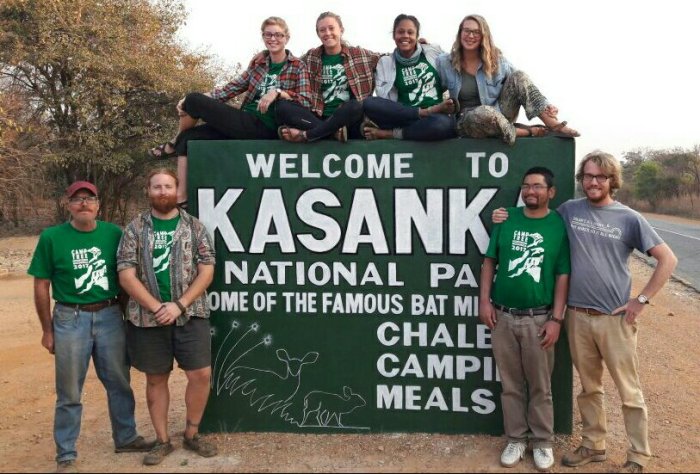
The PCV crew at Kasanka National Park.

Reading this week:

  • Cat’s Cradle by Kurt Vonnegut
  • Theft by Finding by David Sedaris
  • Revolt in 2100 by Robert Heinlein
  • Murder on the Orient Express by Agatha Christie
  • Where are you Going, Where have you Been? by Joyce Carol Oates
  • The Petrified Ants by Kurt Vonnegut
  • Timequake by Kurt Vonnegut

This past week I helped teach at Camp TREE. TREE stands for “Teaching Respect for Everyone’s Environment” and it is a week long camp about the environment and related topics.

The Peace Corps camps that we take these kids too are a pretty cool opportunity for the kids. I say “kids” but these are really teenagers. In our case we took them down to Kasanka National Park in Central District. A lot of times these camps are the kid’s only opportunity to go to a place like a national park and see things like animals or an unspoiled environment they probably otherwise wouldn’t get to. It is also a rare opportunity for the kids to interact with other Zambian youths that aren’t in their community, away from the pressures of home and parents and the like.

This week there were the two PCVs running the event, Jenna and Bryan, along with six PCVs (myself included) helping out. We all brought three pupils from our village so we had a nice little gaggle of kids. There were various sessions planned, and we all helped teach various sessions. We held the sessions in both English and Bemba to make sure all the kids could understand.

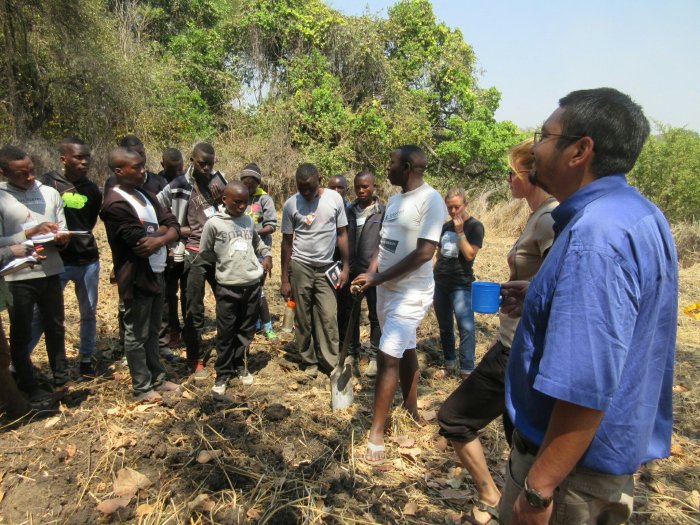
The sessions were a mix of classroom type stuff, games that may or may not have anything to do with the thing we were teaching about, and some team-building exercises. One of my favorite sessions was talking about the food web and food chains. After going over some classroom stuff we went outside and made a food web as the kids all named different animals that eat each other. Then we demonstrated the importance of the food chain by having them do a “group sit” where everyone is in a circle and sit in each other’s laps. Then I removed one animal from the food chain and they all fell down. Exercises like that let the kids relate the things they were learning to things they have already seen around their village, and help to drive in the message while they still have fun.

We also learned some practical things, like how to make compost. Compost is popular in Zambia because fertilizer is so necessary for growing crops, and is a major expense for most farmers. Anything they can do to make fertilizer or compost more accessible is very popular.

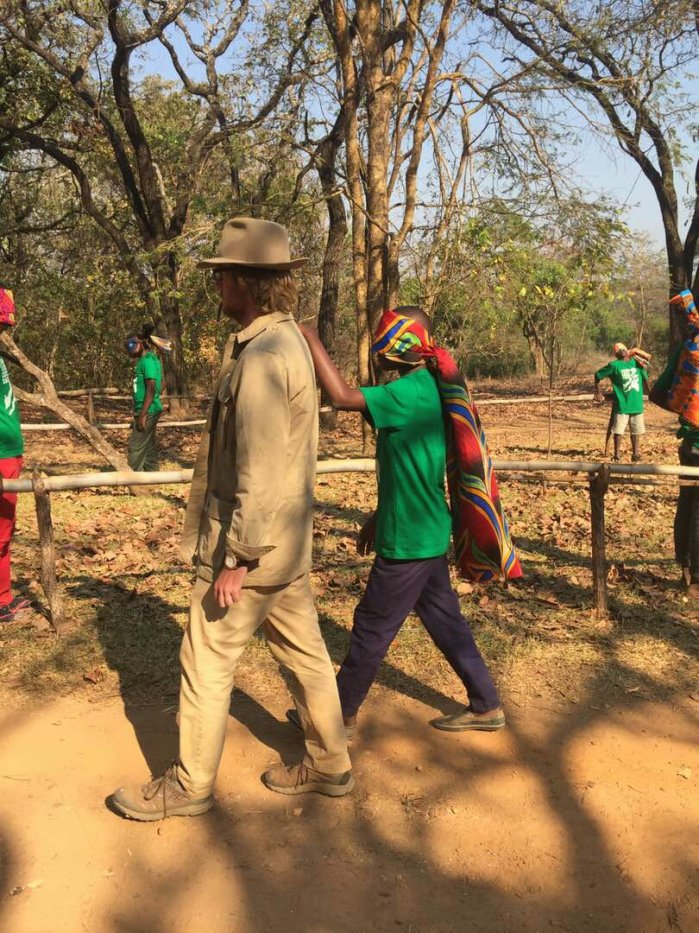
Team building exercises helped the kids learn some stuff about empowerment so hopefully they can come back to the vil and help teach other people and kids about what they learned. In one exercise that was pretty enjoyable to watch, we blindfolded the kids and told them we were taking them to a maze. They had to keep their hand on a log and follow it while blindfolded to get out of the maze. Secretely, it was just a circle. To get out of the maze, you had to raise your hand and ask for help. The lesson here is sometimes you have to ask for help. I was pretty proud that the last two kids were two I brought. Never give up, never surrender!

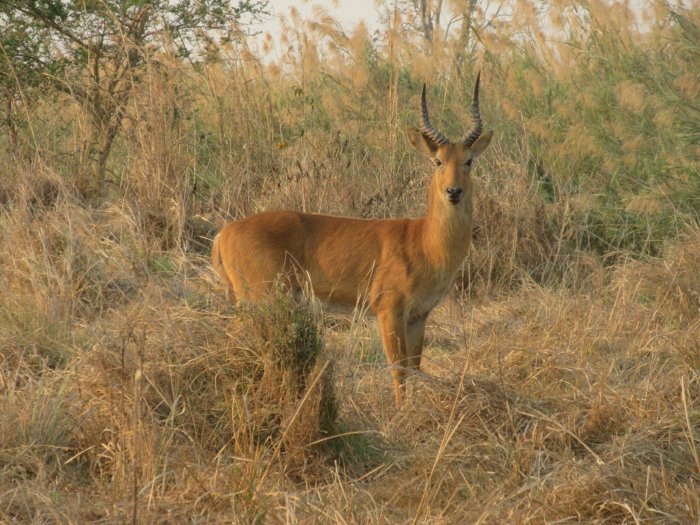
One of the final things we did was go on a game drive. A lot of times these kids never really get to see the diverse fauna of Zambia because around their villages the animals have all been hunted. Going on a game drive is the only way they are really able to see things like pukus or warthogs. On our game drive we were hoping to see elephants but didn’t find any. Despite that, the kids had a great time riding in the back of a safari truck and seeing all sorts of antelope and birds and just the wilderness of Zambia.

I was worried about Camp TREE but going to it was such a great experience for the kids and they really got so much out of it. It was great watching their moments of discovery and seeing them get excited about looking at things through microscopes and picking up animals bones. They were so happy to be hanging out with peers and hosting impromptu dance parties every night. As I write this after we’ve gotten back the kids I brought are still wearing their Camp TREE shirts. A great success all around.

Safaris

Reading this week:

  • This Side of Paradise by F. Scott Fitzgerald
  • Cannery Row by John Steinbeck
  • A Man without a Country by Kurt Vonnegut
  • The Collapsing Empire by John Scalzi
  • Galápagos by Kurt Vonnegut
  • Deadeye Dick by Kurt Vonnegut

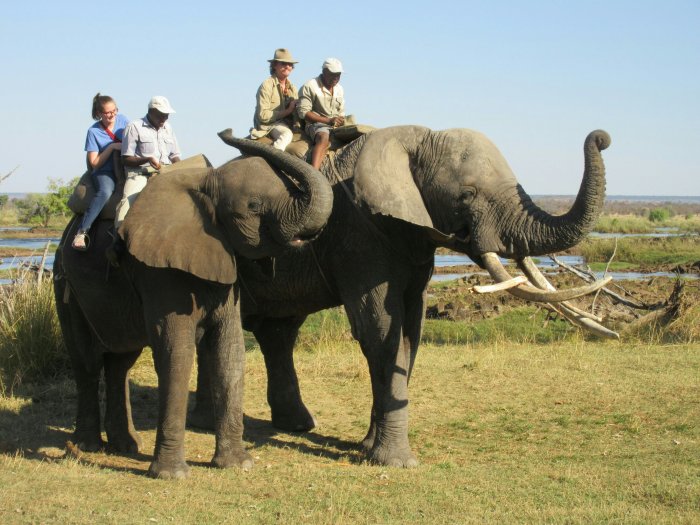
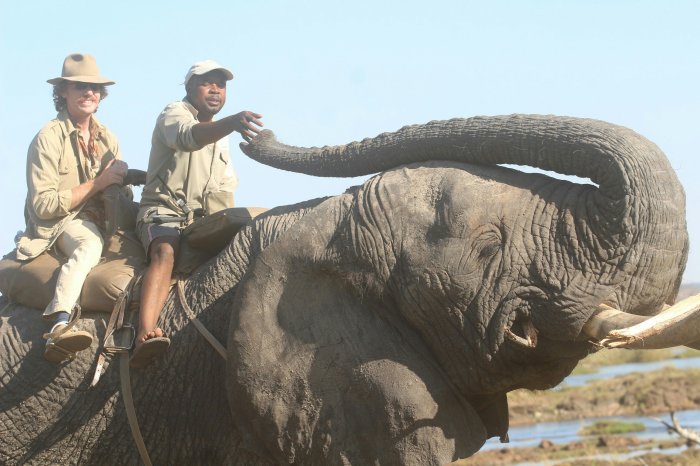
So my girlfriend’s #1 dream during her time in Zambia was to ride an elephant and we got that accomplished in Livingstone. Also during our time in Livingstone we did a game drive in Mosi-o-Tunya National Park and took a booze cruise on the Zambezi. All activities I highly recommend. The elephant ride took place at the elephant cafe, which is in the park. The elephants are orphans and have been taken care of in Zambia for about 15 years, having previously been taken care of across the river in Zimbabwe. The girlfriend and I were the only two people riding the elephants that afternoon, so we got a personalized experience. On each elephant it is you and then the elephant’s trainer. Most of the trainers, it seems, came over with the elephants from Zimbabwe, and have been working with and caring for these animals for years. My elephant was named Danny and was the current bull. He was about 50 and was a very nice guy. The ride itself was probably about two hours, and took us on a jaunt through the park. We saw a good chunk of animals, including a giraffe, warthogs, impala, and zebras. Mostly it was cool to be riding around on an elephant and taking in the Zambian landscape. After the ride you got to do a meet n’ greet sorta thing with the elephants. You dismounted and then wandered over to feed the elephants some and thank them for carrying you around. Danny was really nice though suddenly being on the ground next to him and his giant tusks was rather imposing. He was calmer than I was and I sat on his knee so that was cool. You can pay to have a dude follow you around and take pictures and a video, and we did, and they produced a really cool video we’ll get to show to disinterested relatives for years to come. The next day we took a game drive through the park. For various reasons ours was kinda hokey (but cheap) and we went in an old British taxi. Once in the park you have free reign to drive around, with the only mild requirement being you stick to the roads. In the park we saw elephants, warthogs, impala, buffalo, and zebras, so that was pretty phenomenal. We also briefly glimpsed in the park some rhinos. Deep in the park you can go see white rhinos. These are a few re-introduced white rhinos and their offspring, and they are kept under constant armed guard. You can, however, go walk up to see them. That was a pretty cool experience and given the watchful eyes of the guards they seem pretty safe from poachers. The rhino we saw had a calf with her, and they were sleeping. The final animal experience we went on was a booze cruise. The main attraction here was, of course, the booze, though for me I was absolutely tickled pink to be on a boat and I asked to drive it and the dude for whatever silly reason totally said yes: The tour takes you up and down a stretch of the Zambezi actually only a little upriver of the falls, though given the amount of rocks I think it would be more than difficult to go over accidentally. It is on the banks of the national park, so there are plenty of animals around. We saw crocodiles and a whole lot of hippos, along with a very large amount of other booze-cruisers. The cruise ended after we watched the sunset over the Zambezi. It was gorgeous and I highly recommend. My favorite part is that the guy driving the boat, the bartender, and the grillmaster were all qualified to do each other’s job’s, which was the sort of skills egalitarianism I like.

Victoria Falls

Reading this week:

  • The Rum Diary by Hunter S. Thompson
  • Sweet Thursday by John Steinbeck, which might be my new favorite book.

The highlight of a trip to Livingstone is, of course, Victoria Falls. We managed to get there on I think day three of our Livingstone adventure, because riding an elephant was farther up on the priority list.

All around the falls are a variety of trails that you can follow to get different vantage points of the falls. Since I was most excited to see the falls in all their glory, as it were, I dragged us along the knife-edge trail first. All the trails are paved and easily accessible, except for maybe some stairs. So you head off down the trail and the you turn the corner and there are the falls.

We went when the water was low, so I guess they could have been even more impressive, but man they were amazing. Just a giant sheer drop cascading into a whirling vortex below. And it is incredibly long so as you walk along the knife-edge trail it just keeps going. The falls, um, fall into the first gorge in a series of seven gorges. Knife-edge is the spit of land on the Zambia side between gorge #1 and gorge #2, so you get incredible un-blocked views of the falls and as you keep going you just get more and more falls. Eventually you reach the edge of the knife-edge and on your right are the falls and on your left the Victoria Falls bridge.

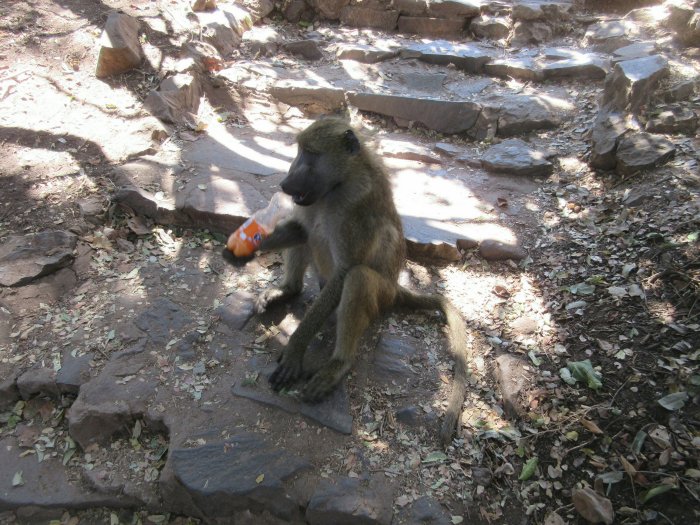
The next trail we hiked down was the one that lead to Boiling Pot. Boiling Pot is where the river spills from the first gorge into the second, and is home to Nyaminyami. Nyaminyami is the river god that controls the Zambezi from the falls to Lake Kariba. His domain used to extend beyond that until they built the dam that created the lake. It was cool to see the home of a god. Down at the edge of Boiling Pot you can feel the power of the river and look up to see people bungee-jumping from the Victoria Falls Bridge. The path down there is pretty beautiful, being a lush forest and all. It is made slightly trecherous, however, by the number of baboons that live on the trail. They are entirely unafraid of humans, and while occasionally cute to look at, they stole my girlfriend’s soda right out of her hand:

After ascending back from Boiling Pot, we went over to the top of the falls. We didn’t go out into the river, because you’re supposed to have a guide to do that and we were pretty beat anyways. Then we walked along the trail to the bridge, which offers more stunning views of the falls and Boiling Pot, if from slightly farther away.

We probably spent about 6 hours hiking all around the falls and were pretty spent from the walking and from the utter insane natural beauty of the place. Time to get my butt to the rest of the natural wonders of the world.

Train Museum

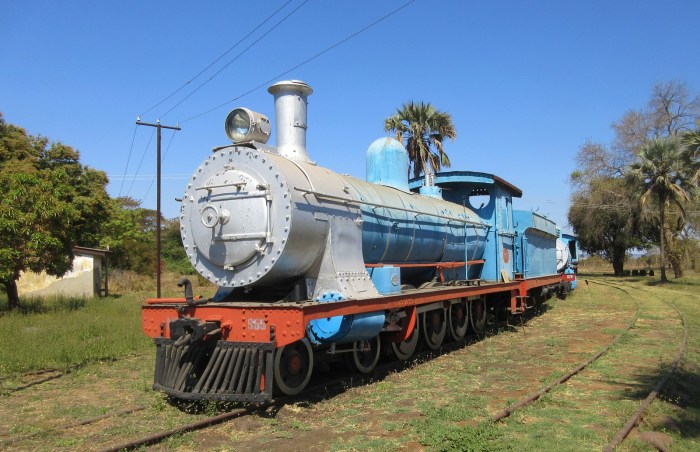
Engine Number 955, built 1892. First owned by Cape Government Railways and was among the first batch of the 7th class purchased by CGR. Purchased by Zambezi Saw Mills in 1966. It is the oldest steam locomotive still existing in Zambia.

Reading this Week:

  • Screwjack by Hunter S. Thompson

After the Livingstone Museum, the second museum I dragged us to was the Railway Museum. This museum is juuuuust on the outskirts of Livingstone and while you could walk it was easy enough to take a cab. The museum is mostly centered around the history of the Zambezi Lumber company, who quickly expanded into the railroad business as a method of transporting their lumber. It features a wide range of trains from throughout the country’s history, and that day featured me being all excited and taking pictures of trains, and pretending to drive one:

I do love me a good steam plant. My girlfriend and I were 50% of the total tourist population that we saw there that day, so you can get yourself plenty of alone time with the trains. Included in the admission fee is also a guided tour. He takes you all around to look at the different trains and the history of the Zambezi Saw Mill, so that is pretty nice. The museum also features the Jewish Museum, which is a history of Jewish people in Zambia, as you might have guessed. I didn’t know it was there before we went, so that was a pleasant surprise. It was very recently installed and is very well done, and traces notable Jewish people and families of Zambia.

Livingstone Museum

In front of a Chipmunk, a plane used to train the Zambian Air Force in the early days.

Reading this Week:

  • Women as Demons by Tanith Lee
  • Africa: Another Side of the Coin by Andrew Sardanis

After IST, I departed down to Livingstone for a debatably earned vacation with my girlfriend. Livingstone is, of course, famous as the location of Victoria Falls (perhaps vice-versa), but the first thing I dragged us to was the museums.

Livingstone, of course, features the Livingstone Museum. My neck of the woods features the Moto Moto Museum, which is billed by at least one guidebook as the second best museum in Zambia. It is second only to the Livingstone Museum. At the Livingstone Museum a lot of similar subjects were covered, like the history and pre-history of Zambia. It is unfortunate for Zambians and PCVs that a lot of the actual artifacts relating to the pre-history of Zambia are ensonsced in the British Museum, apparently, but what I bet you the British Museum doesn’t have is a sweet-ass double-handled hoe:

The most amazing part of the museum was the small room dedicated to ole’ David Livingstone. It had a variety of original artifacts, such as his cloak and his writing box. It also featured his original letters that you could look at. So that was really cool to see the things connected to a guy that had such an impact on the future of the African continent, for better or for worse.

The museum also featured this sweet ride:

All in all, if you’re in Livingstone I can’t recommend the Livingstone Museum enough. It’s close to everything, by the sheer nature of Livingstone, and if you’re a Zambian resident it is well worth the like K15 it took to get in there. Lots of background on Zambia as a nation if you haven’t seen that stuff before, and I think it is the only place you are going to see a lot of relics of the pre- and early colonial eras.

IST

Stocking fingerlings at an organic farm.

Reading:

  • Many are Called by Edward Newhouse

IST stands for Inter-Service Training (I think). It is a two week training that is conducted after community entry, and it is split into two parts. For us, the first week was PDM, or Project Design & Management, and the second week was about HIV.

IST was a pretty good experience. I saw all of the RAP intake that is in Northern and Muchinga during Provs, but this was the first time I saw everyone else since we all departed ways during swear-in, and will be the last time we’re all together until Mid-Service Training in about 8 months.

The first week, like I said, was PDM. That was a bit of a misnomer, because I don’t think at any point we Designed or Managed Projects. The first three days it was just PCVs, and we talked about what we had done at our sites and what we had seen and stuff like that, along with a few riveting presentations on things like emotional fortitude. Emotional fortitude is, apparently, important. The last two days of the week we had Zambian counterparts attend with us. My counterpart was the only other fish farmer in the village besides my host dad, and is a fairly influential guy here.

These two days of PDM, with our counterparts in attendance, were a little more useful I thought because we saw more things. We had presentations on a variety of potential projects that we could undertake in the village, like beekeeping or rice production. The presentations were all a little too short to actually learn much, but I am hoping that my counterpart saw at least one or two things that he would be interested in starting here. He’s already spoken to me about compost; the average Zambian farmer spends a lot of time thinking about fertilizer, so anything that reduces their dependance on that rather expensive aspect of farming piques their interest.

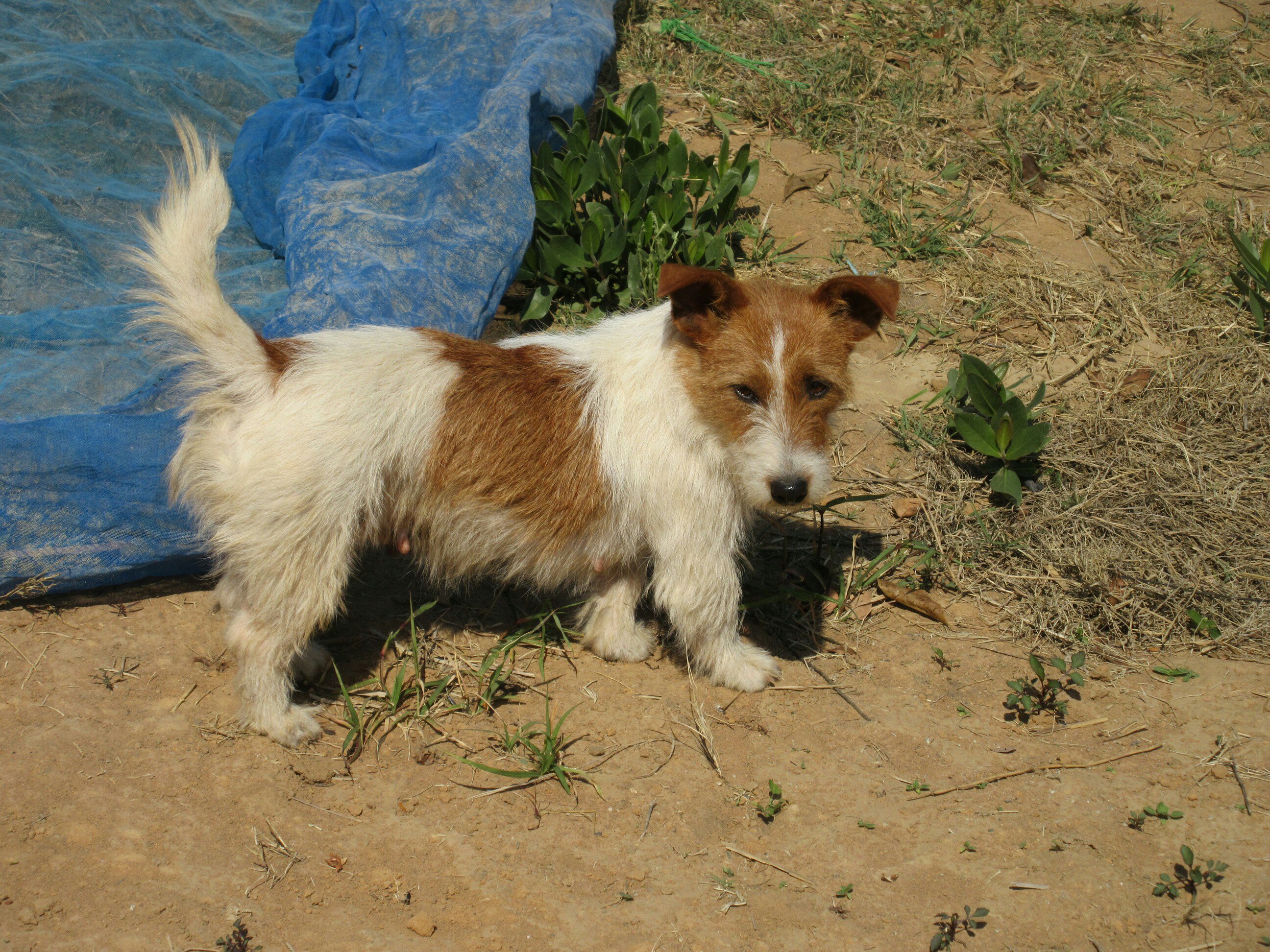
The Friday of PDM week we took a field trip to an organic farm nearby Lusaka. That was interesting, not the least because they had extremely cute dogs:

The farm specialized in sustainable farming techniques, and the farmer that ran the place also had a large section of forest that he had re-grown. The forest was useful to him because it provided a great deal of inputs towards his fish pond and compost, as well as a place to keep his bee hives.

The second week of IST was about HIV. That week was not as useful to me because my counterpart was a no-show. The other counterparts seemed to get a good chunk out of it though. The week wasn’t so much focused on the actual disease itself, but things like positive living and the factors in Zambia that make HIV so prevalent.

Overall IST was pretty awesome. It was a great chance to see everyone again and to catch up on our experiences in the village. It was nice to be in Lusaka and be able to go to restaurants and the like, though I was excited for it to be over because my next stop was vacation in Livingstone.

Home Improvements

Reading this week:

  • Gilgamesh, Stephen Mitchell version
  • Arabian Nights, Barnes and Noble Classics Edition

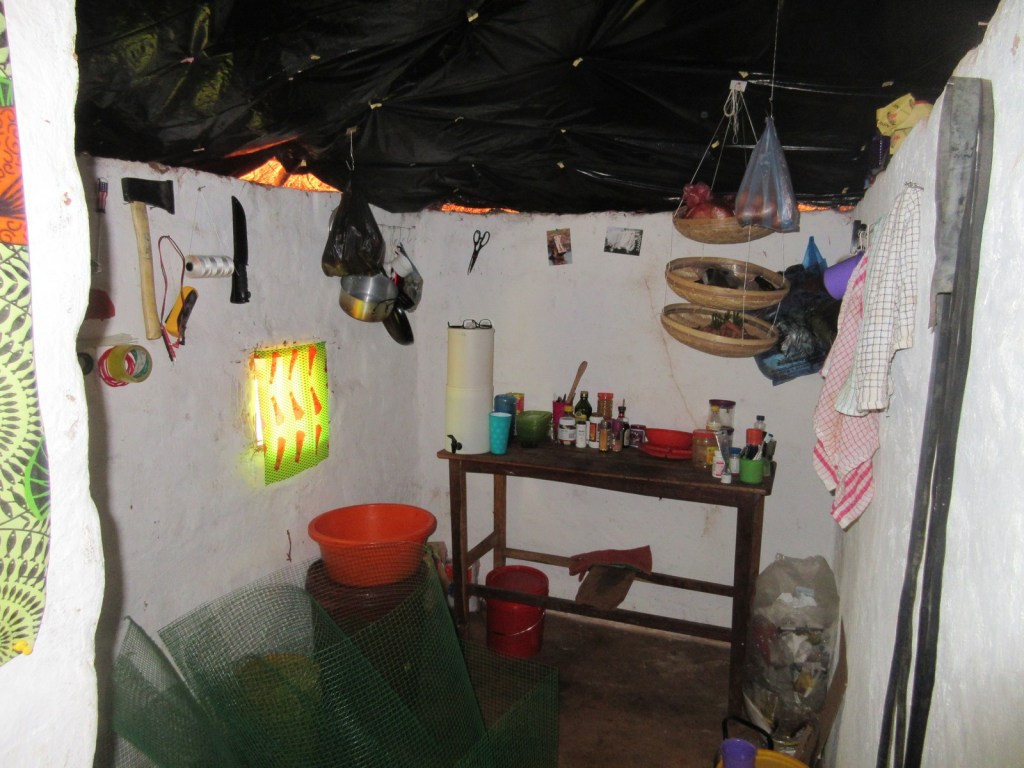
One of the big goals of the Community Entry period is to fix up your house so it is comfortable to live in. Making the place liveable has taken up a good chunk of my time, and I think things have turned out well.

The first things I did were a bunch of little things to help make the place functional. It’s best to keep things off the floor, so my first few days were spent putting in a whole bunch of nails to hang things off of. This was augmented by bending “soft wire” (think coat hanger wire but a little thicker) into various useful shapes. To hang pots and pans, I put two nails in the wall, strung some soft wire between them, and then bent up some hooks to string on the soft wire.

My kitchen area (though I cook outside). Usually that wire mesh isn’t there.

Soft wire is useful for a whole bevy of projects. My most ambitious soft wire project is a typing stand that I convinced myself I needed, which comes with a little bar that snaps down courtesy of a rubber band to hold up whatever it is you’re looking at. I also made hangers for my solar light that I put up in convenient spots. Another way to keep things off of the floor is to hang a soft wire hook from a piece of string suspended from a nail in the roof. That’s how I keep my eggs and potatoes off the floor.

I designed it to be converted into a guest bed. I subjected only one guest to this.

Bigger projects include a coffee table and a couch. The couch is made from brick as supports with planks on top. On top of these are cushions, the cases for which I sewed from chitenge. I had quite the cushion-sewing spree there and I could barely stop myself. The coffee table is banged together from some planks and logs I found in the forest. I try to avoid cutting down trees myself, but fortunately (or unfortunately) when they make charcoal they tend to leave a lot of sticks laying around, so I just head into the woods and pick those up.

Under-construction oven.

I also built an oven. This has dramatically increased my sugar consumption as I bake cookies, cupcakes, and banana bread (I also gave sweet potato bread a go; eh). The oven is made of brick. For both the oven and the couch, the mortar is just mud. That makes me feel better about building these things myself, because I have never been a bricklayer before and I figure, since it’s just made of mud, if it is terrible I can just take it apart and redo it. The oven works pretty well; you put fire in the bottom, and then there is a metal sheet separating the fire space from the baking space, and into the baking space you put whatever you are baking. The local kids seem to like my cookies.

The last important home improvement project I undertook was putting up some art. Fortunately, the Moto Moto Museum is nearby, and they have a gift shop with some artisan crafts. Otherwise I haven’t found much art. I got a picture of elephants, and another of giraffes, and hung those up. I have a carved wooden man and some small carved wooden animals that sit on my desk. From Chishimba falls I got a rather large fish so that’s sitting on top of one of my dividing walls. As an accent piece, I also hung up a fish-themed piece of chitenge on the wall. I’m an aquaculture volunteer, so I figured the house should look the part.

A selection of my art.

Fish Pondery

Not a fish pond, but a small dam leading to a furrow which will supply the fish ponds with water, also it is pretty.

Reading this Week: Still working on Arabian Nights. It might in fact take me 1001 days to finish.
This week has been pretty solidly spent on constructing fish ponds. This is exciting, because doing fish pond stuff is the whole reason I am here.

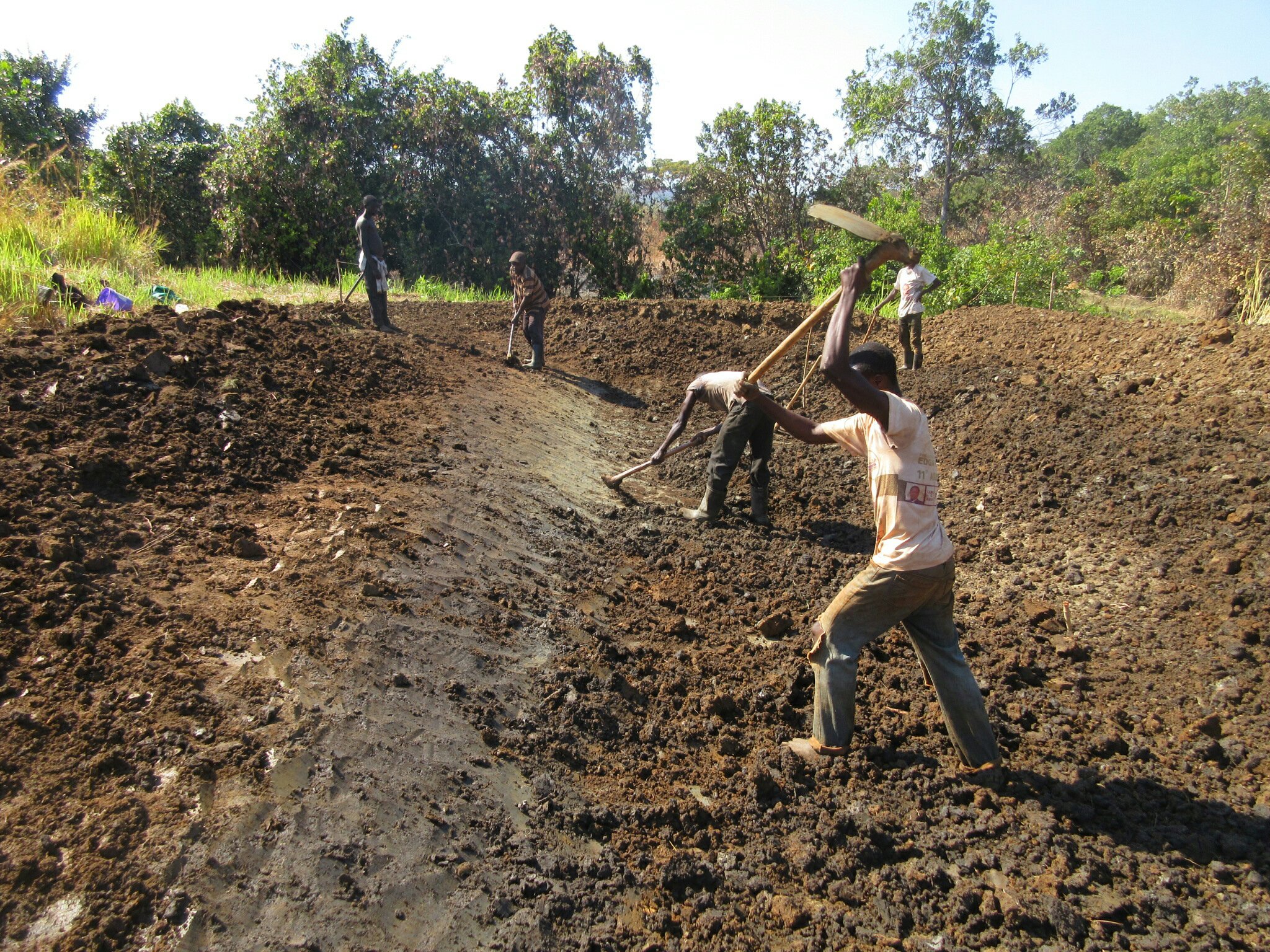
I am now up to two farmers in the active process of building fish ponds. The previous pond we staked is nearly completed, and we staked a second pond adjacent to the first:

In addition to those two ponds, we have staked another farmer’s first pond. The impetus for this work is that I am leaving for training soon, and although I will be back in a matter of weeks Farmer #1 there wanted to get the second pond staked. Farmer #2, I think, got jealous that Farmer #1 was barrelling towards fish farming that he wanted in on the action, which is a-okay as far as I am concerned.
Having multiple fish ponds per farmer is ideal, and having multiple farmers with multiple fish ponds is extremely beneficial. The fish we grow (usually, in this area, the Lake Tangynika Bream) generally have a six-month harvest cycle. Six months after fingerlings are stocked, full-sized fish are harvested and sold. If a farmer has six ponds, that means they can stagger stocking and harvesting times so that they harvest a pond every month throughout the year, providing a relatively steady stream of income.

Since most of these farmers rather tautologically farm, they receive a large chunk of income only about once a year when the fields are harvested. This leads to times with little money and potentially little food towards the end of the year before the fields are harvested again. One of the advantages of fish farming is therefore that fish can be stocked so that the farmer is making money all year, instead of just once.

Additionally, having several farmers nearby provides security when it comes to resources, and improves the overall quality of fish farming. Small rural farmers rely on restocking fingerlings produced by the fish stocked in the pond. If a pond fails to produce fingerlings, nearby farmers provide a potential source to get more fingerlings, as each pond will produce more fingerlings than can be restocked. Having multiple stocks also provides genetic diversity. Nearby farmers, when they work together, also learn from each other and share techniques so that fish farming is improved throughout a community.

So that’s been this week in fish farming. If I had been up to anything more exciting I would have talked about that, but every day this week has been spent with the farmers helping them make sure the ponds have been built correctly. We hope to fill them with water and begin fertilization soon, to develop a plankton bloom before stocking. Fish!