
Reading this week:
- From Zanzibar to Ujiji edited by Norman Robert Bennett
Alright! Now we have arrived at the seminal moment of the whole vacation, wherein we went on the walking tour of historic Ujiji! Fresh off the Liemba we piled on in to the car and drove to our first stop: the Nyerere House.
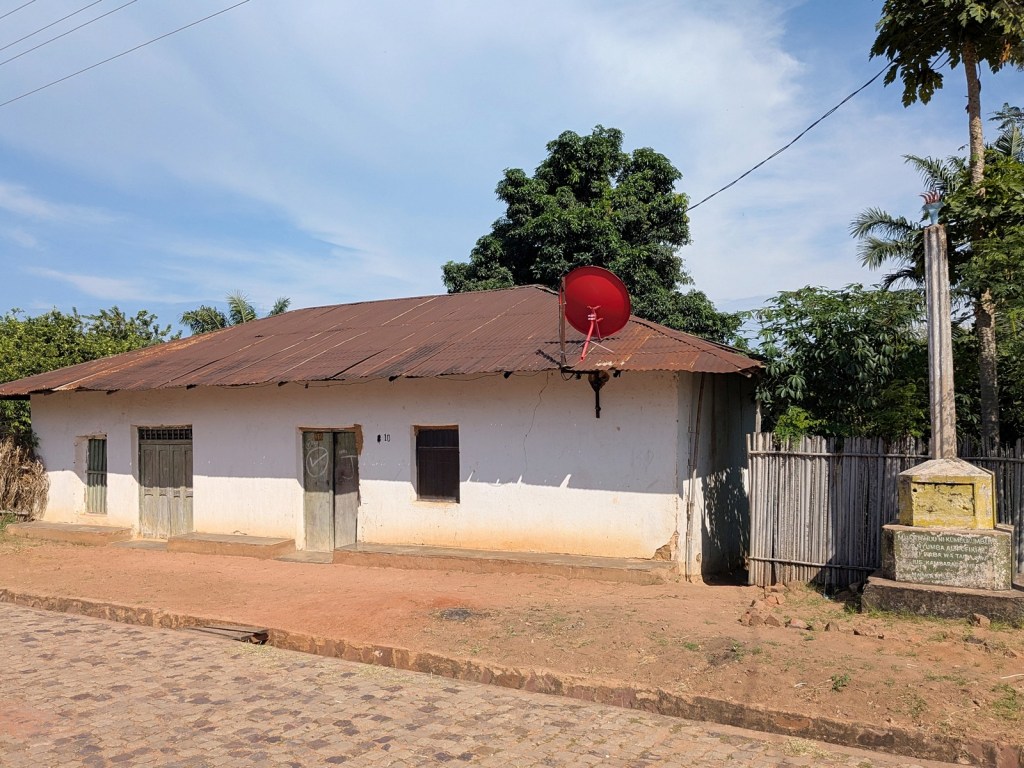
The Nyerere House is actually how I found out about Kigoma Eco-Cultural Tourism, from whence we met our tour guide Peter who was showing us around and the owner Elizabeth who was driving us around. I was doing a reverse image search to try to find out where the heck this Nyerere House is. I will solve the mystery for future travelers: it is right here. It is actually just up the street from the Livingstone Memorial Museum, which we will get to (both literally and figuratively) later. But what is the Nyerere House? It seems that Julius Nyerere stayed in the house twice, once in 1954 and 1958. For this claim however I have not been able to find a lot of documentary evidence. I suppose in retrospect it is not too surprising that there isn’t a detailed itinerary of every single place that Julius Nyerere ever slept easily available online, but originally I was even more confused because I thought the claim was that Julius Nyerere lived in the house in those years but that is definitely not true. Still, the fact that I can’t just conjure up an intricately detailed biography of the man at will hurts me a bit.
But for the sake of putting it all in one spot, here is what I have found. There is the inscription on the monument outside the house (here’s a close-up picture) which if I just plug it into Google Translate the machine mind tells me Nyerere died there which I think is a wrong choice of idioms. If only I spoke Swahili. There is also this Facebook post that Google Translate tells me claims he only slept there. As for what exactly Mwalimu there was doing in Kigoma, he was campaigning I guess. This niche wiki page says that Nyerere visited Kigoma on his TANU campaign (this less niche wiki page informs me Nyerere transformed the TAA into TANU in 1954) as so would have needed someplace to sleep. As for the 1958 visit, presumably that was during the campaign for the elections that year. So that is very cool I suppose.
However I did not really set the scene here before diving into the obscure links I found to try to determine the truth behind a particular historical claim. It was a lovely day in Ujiji and it was extremely cool to be there. I know I have tried to wax and wane poetic in the previous several posts about walking in the footsteps of these historical figures I have been reading about but it is so true dude, like so true. It is one thing to read about the hills they traversed and the waterfront they frequented but another thing to be there and understand the very landscape they were talking about. Things have changed a little bit. Dr. Beverly Brown in her dissertation and authoritative history of Ujiji titled appropriately Ujiji: The History of a Lakeside Town (which you can definitely download from somewhere because I have a copy but now I can’t figure out where from), she describes it around the time the various Victorians would have visited (pg 90):
“In Ujiji, houses were sheltered from view by the luxuriant growth of gardens and fruit trees, and courtyard enclosures protected the Arabs’ domesticity from prying eyes. As a result, the settlement pattern was porous: green spaces separated family from family. The narrow roadways followed the houses, rather than vice versa, twisting and turning with the unique sprawl of each homestead…”

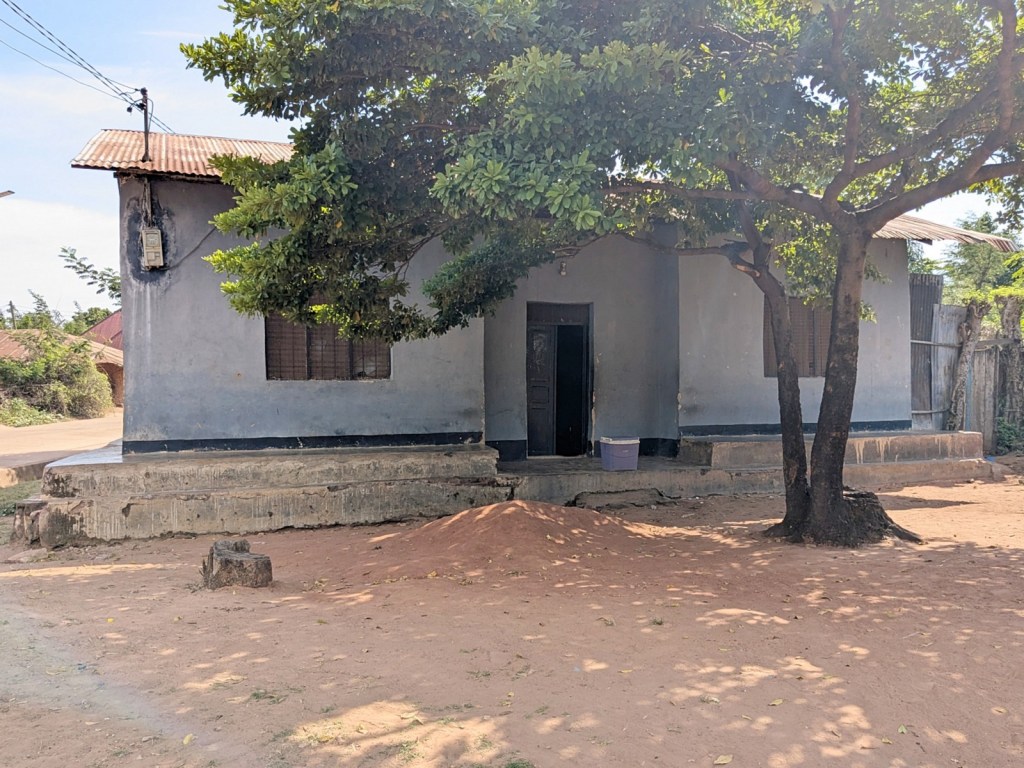
These days the roads are paved and much straighter but still the place has a charm. As we walked along various kids said hello which was nice. I had thought we would proceed directly to the waterfront at the Livingstone Museum, but instead we took a left and came upon a house that Peter told us used to be where Tippu Tip (or as Peter pronounced it, Mr. Tip Tip) lived. He clarified the house itself (which is here) was new but the foundation was the same. Across the street was a very large and very gnarled old mango tree purportedly planted by enslaved persons to provide shade, which seems to be a common claim around Ujiji. The two most famous people associated with Ujiji I think I can say are Tippu Tip and Livingstone (Nyerere notwithstanding), so various spots wind up associated with them. This includes the mosque we passed on the tour which claims to have been founded in 1840 and was supposedly where Tippu Tip conducted his prayers. To throw some cold water on this, both claims seem very unlikely; according to Ujiji no mosques were built in Ujiji until the 1890s (pg 110, which also notes prayers would have been conducted on followers’ verandas), by which point Tippu Tip would have been back in Zanzibar. There is perhaps nuance to the claim I am not understanding, but the 1840s has to be rather early for a formal mosque anyways, as the first caravans would have arrived in Ujiji only about a decade before and the “Arab” population of the town would have been under a couple dozen (again according to Ujiji).
I am going to pause this narrative here because it has already gotten a little convoluted and long, but we will return in the next post with more Ujiji historical sites, don’t you worry.
 Pat in the World
You must be logged in to post a comment.