

Reading this week:
- Ujiji: The History of a Lakeside Town by Beverly Bolser Brown
- The Western Ocean by Alan Villiers (not his best work)
- Stuff Every Coffee Lover Should Know by Candace Rose Rardon
With the conclusion of our safari we now turned to the second segment of our Tanzania vacation: the historic city of Ujiji. Well I mean Kigoma. Ujiji is more of a neighborhood now so when booking our flights we were going to Kigoma and the lodge we were staying at was the Kigoma Hilltop Hotel. So we were going to Kigoma but I was going there for Ujiji.
As you will have quickly understood by now the impetus of us travelling to the far side of Tanzania was to see the location of so much of the focus of the London Missionary Society and their Central Africa Mission. They spent so much time and money and lives getting to Ujiji and trying to establish a base there and after all this reading I had to see it for myself. And I also had to go for the sheer number of historical events! We have been to Livingstone’s birthplace, and I have been to Livingstone’s deathplace, and so how could I not go to the spot where the most famous event of his life occurred? And then the final reason for wanting to go, which was to show my super amazing wife the gigantic lake that shaped my Peace Corps experience and in many ways has shaped my subsequent career. I wanted to see it again for myself and show her its wonder.
As an early example of the historical resonances I was searching for, to get to Kigoma we had to go through Zanzibar. It was a stopover on our flight from Arusha (Kilimanjaro airport to be specific) which we woke up rather early for. The fact that we were going to Kigoma caused some consternation among the various tourism industry personnel we encountered; Obedi was surprised we had heard of the place. Even the airport check-in counter lady seemed surprised, exclaiming “what?!” when we said we were going to Kigoma, except we subsequently concluded she just didn’t understand our accents. Then it seemed like we had already somehow missed our flight, but the issue there was only that it wasn’t on the departures board. You would think Kigoma was not so well-travelled, though of course historically it was anything but.
No matter our tribulations though they of course pale in comparison to what every single person doing it by caravan went through. I have read many of their stories; as it is tautologically the first part of getting to the Lakes region, it is the most vivid part of anyone’s narrative before they eventually settle into the new normal of interior Africa living. During our time in Tanzania I was reading a couple London Missionary Society books, including the Rev. Arthur Dodgshun’s journal. He spent the better part of two years getting from Zanzibar to Ujiji, a journey that only took us about two hours (not counting the layover in Dar). And he died at the end (in his journal Dodgshun mentions reading The Last Journals of David Livingstone only for this to be his last journal as well); this post is evidence that luckily didn’t happen to us.
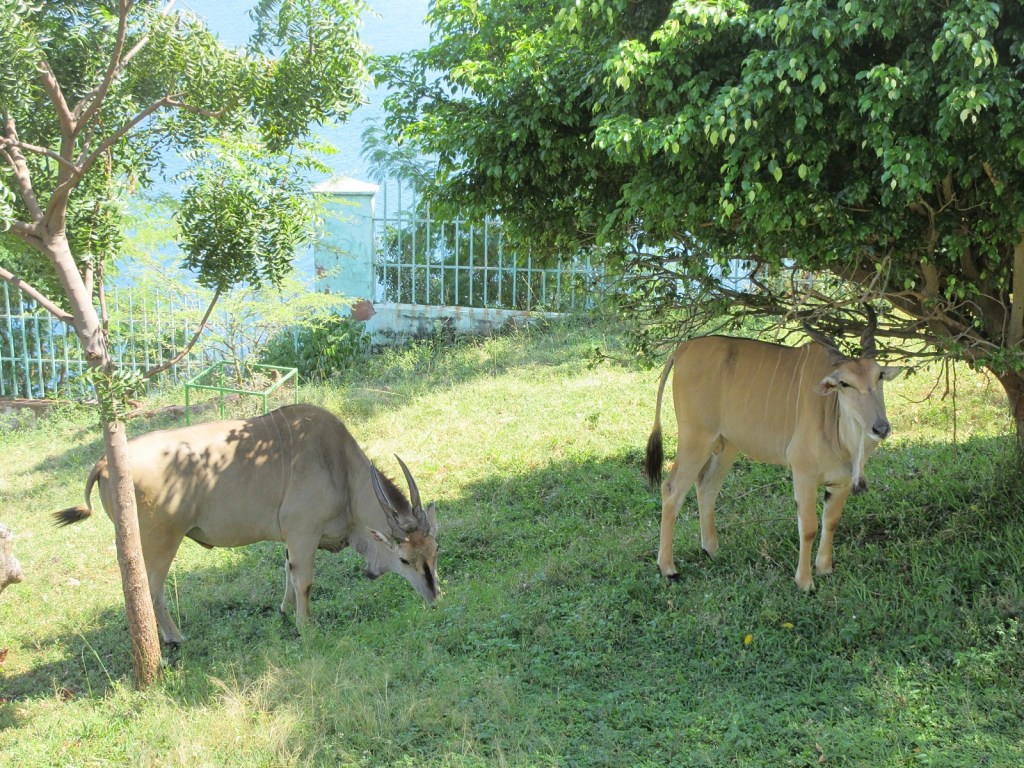
Instead we landed perfectly safety at the Kigoma Airport. As we taxied down the runway I spotted a small decrepit-looking shack that I figured must have been like, the colonial-era terminal, but no it is in fact the current one. Our checked bags were just delivered through an open hatch. But as we stepped outside the ride we had arranged was ready to whisk us off to the Kigoma Hilltop Hotel was waiting there for us. The ride was gorgeous and a mini-preview of the very involved next day I had planned for us. I even saw the MV Liemba way off in the distance. And in a call back to the previous five days upon arrival to the hotel we were greeted by eland, wildebeest, and zebra. Turns out the grounds are a bit of a nature preserve. We checked in and were ferried past the zebra and to our room via golf cart.
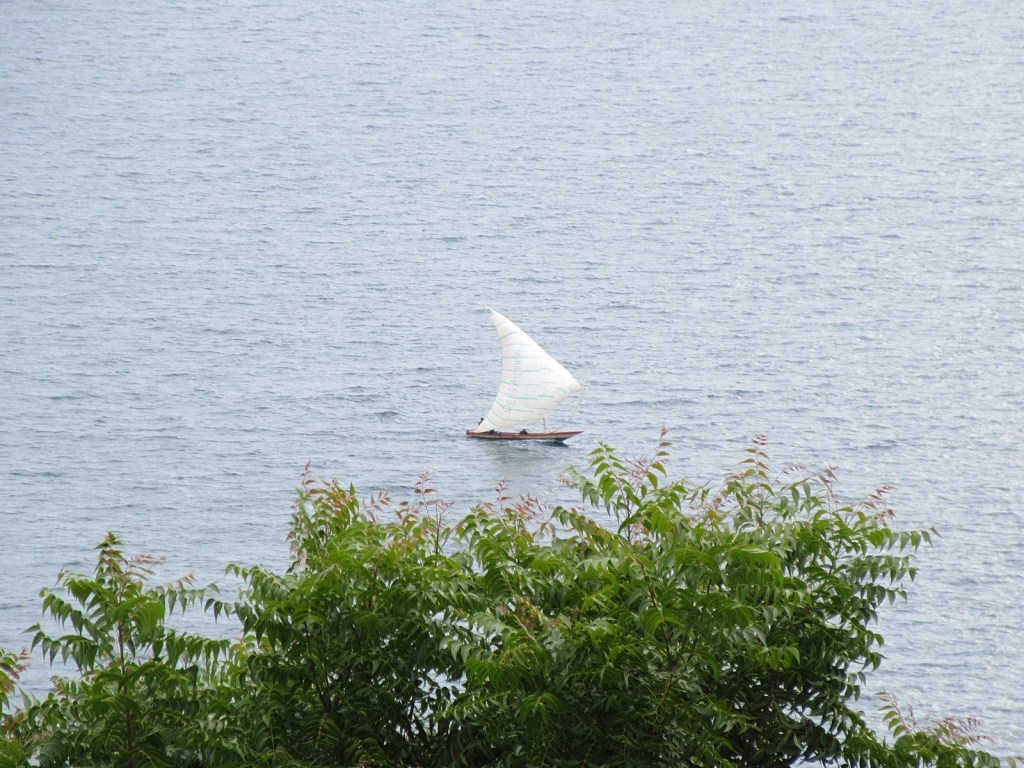
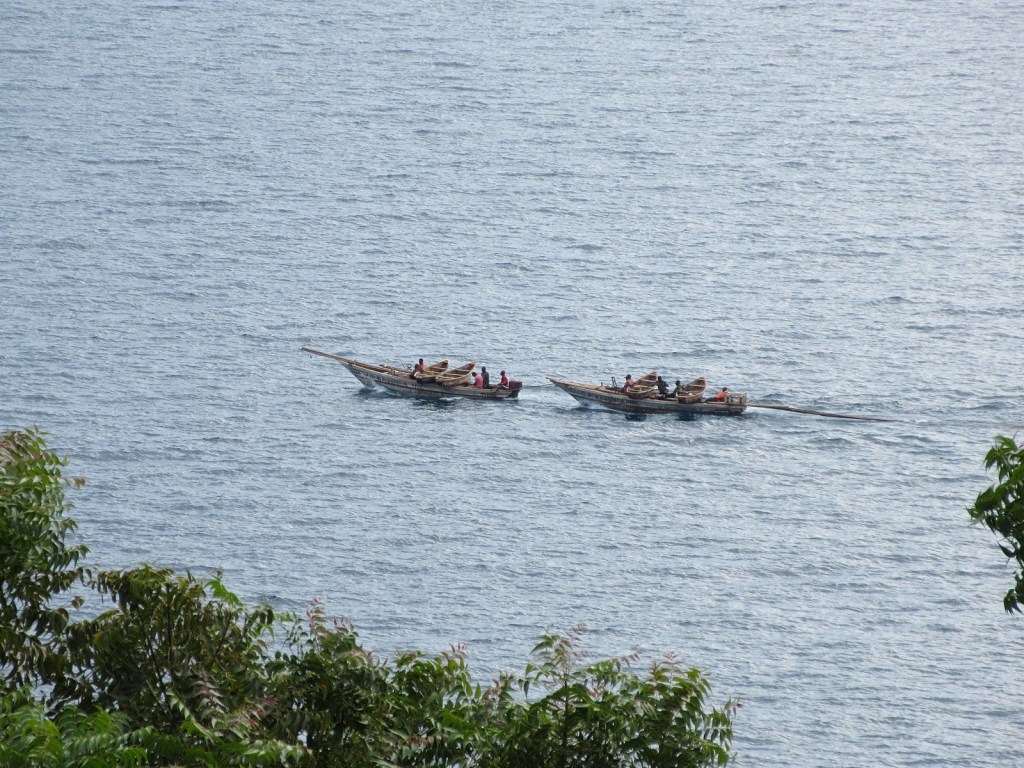

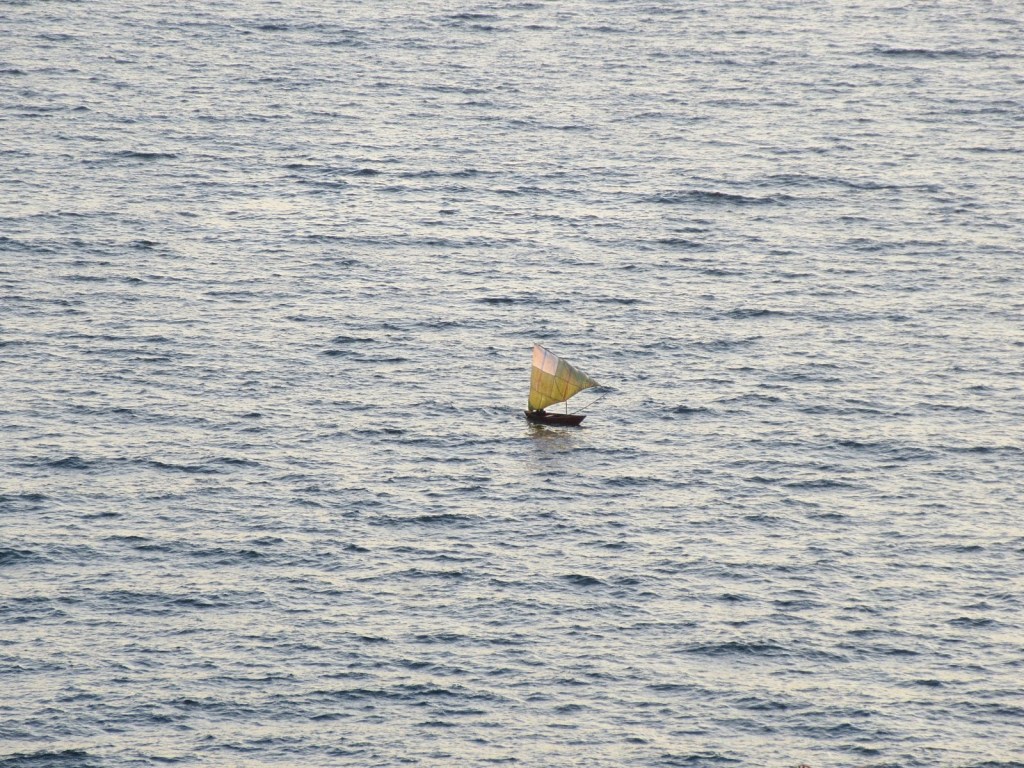

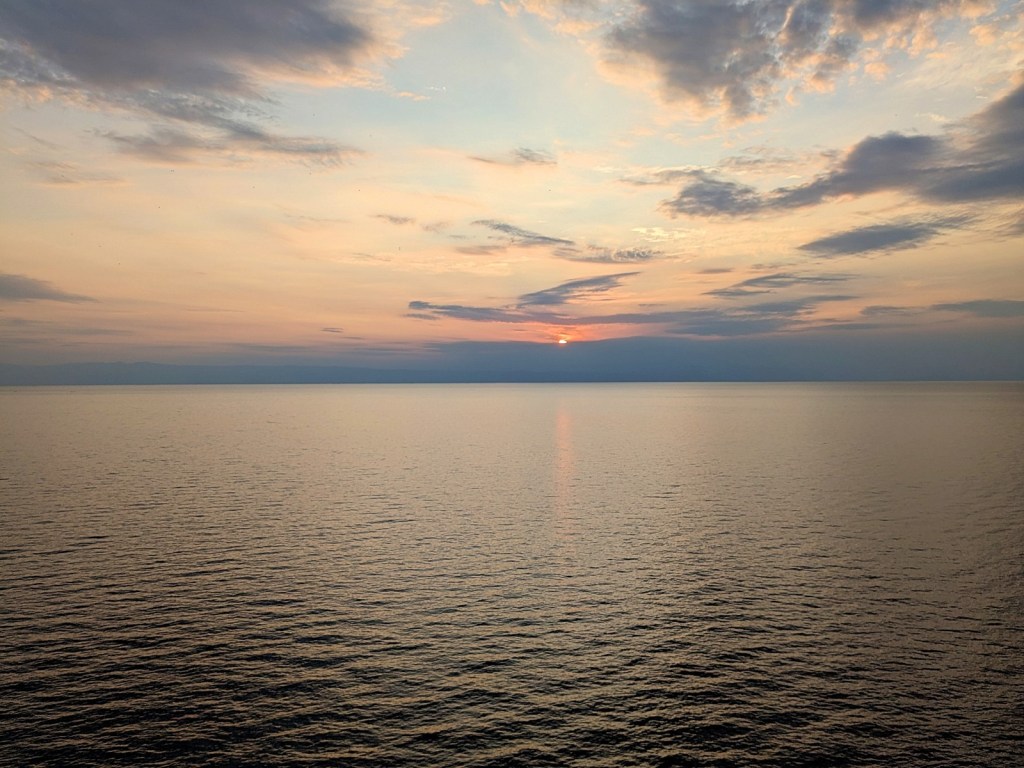
And uh we didn’t do much else that night. It was just relaxing being in the midst of such beauty. It was very interesting to see the rhythm of marine traffic going back and forth. When we arrived we watched a fleet of dhow-rigged canoes coming in. Later, a number of larger canoes carrying smaller canoes went back the other way, so many that you could hear the droning from room’s patio. We ate dinner at the hotel restaurant where I tried to get my kapenta fix in with dagaa. Eventually the sun set over the lake, and it was exciting to be able to see the DRC backlit by the dazzling reds and oranges. And I mean, man. I was finally here. The place I had read so much about and that was positively palpable with history.
 Pat in the World
You must be logged in to post a comment.